


Disposable Spoon Size Guide: Choosing Soup, Dessert, and Tasting Spoons for Events
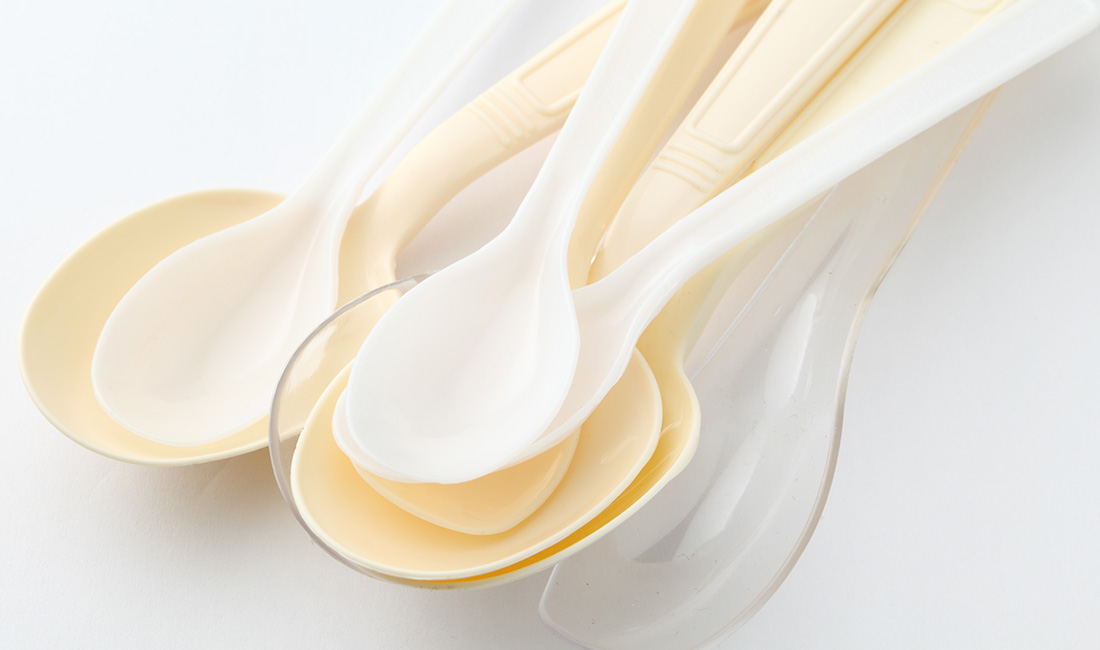
Spoon size is one of the most overlooked details in event planning, yet it directly shapes how guests experience soup, dessert, and tastings. A spoon that is too short for a deep soup cup forces guests to dip their fingers into hot liquid. A spoon that is too large for a mini dessert cup overwhelms the portion and makes each bite feel clumsy. A tasting spoon that flexes under the weight of a sauce sample undermines the entire presentation.
The right disposable spoon matches its length, bowl depth, and material to the food, the portion size, and the container. This guide breaks down standard disposable spoon dimensions, explains how each type performs differently, and provides specific pairing recommendations for soup, dessert, and tasting setups at events of any scale.
What Are the Standard Sizes and Types of Disposable Spoons?
A disposable spoon is a single-use utensil categorized by its length, bowl shape, and volume capacity. The four main types used at events are tasting spoons, teaspoons, soup spoons, and tablespoons — each designed for a different food type and portion size.
The standard dimensions for each type are as follows:
Length determines comfort and reach — shorter spoons suit small cups and standing events, while longer spoons keep hands away from hot liquids in deep bowls. Bowl depth determines how much food each scoop carries. A deep, round bowl holds broth without spilling; a shallow, oval bowl lets guests take controlled bites of soft desserts. Capacity matters for portion control — a standard teaspoon holds approximately 5 mL, while a tablespoon holds about 15 mL.
How Does Material Affect the Way a Disposable Spoon Performs?
Material is the variable that can make two identically sized spoons feel completely different in a guest's hand. Plastic (polypropylene or polystyrene) is the most widely available and affordable option, but thin plastic spoons can flex or snap under heavier foods like thick stew or frozen ice cream. Bamboo and wooden spoons are more rigid and have a natural, premium appearance that suits eco-conscious events — they handle hot soups well and resist bending. Compostable plant-based spoons vary significantly in quality; some perform well with hot liquids, while others soften and lose structural integrity within minutes of contact with hot broth. Testing compostable spoons with the actual menu items before the event is the only reliable way to confirm they will hold up during service.
What Size and Shape of Spoon Works Best for Serving Soup?
A soup spoon is a deep, round-bowled spoon typically 6 to 7 inches long, designed to hold broth and solid ingredients in a single scoop without spilling. The round bowl shape and greater depth are what distinguish it from flatter dessert and table spoons.
For plated soups served in standard 8–12 ounce bowls, a 6–7 inch disposable soup spoon with a deep round bowl is the standard choice. For smaller 4–6 ounce tasting cups at cocktail events, a shorter 5-inch spoon with a proportionally smaller bowl feels less awkward and avoids the visual mismatch of a full-sized spoon sticking out of a small container.
The key attributes to evaluate when selecting a soup spoon are bowl depth (deeper holds more broth), bowl width (wider accommodates chunky ingredients like vegetables or noodles), edge roundness (smoother edges allow comfortable sipping directly from the spoon), and handle rigidity (stiffer handles prevent bending when submerged in hot liquid).
Flat or shallow spoons designed for desserts are a poor substitute for soup — they carry less liquid per scoop, increase the chance of dripping, and force guests to take more trips from bowl to mouth, which slows eating at stand-up events.
A bouillon spoon — a smaller, fully round-bowled variant — is the appropriate choice for formal events serving clear consommé or light broth in small cups. Its compact bowl allows controlled sipping without the oversized feel of a standard soup spoon in a delicate setting.
Do Global Soup Styles Require a Different Spoon Shape?
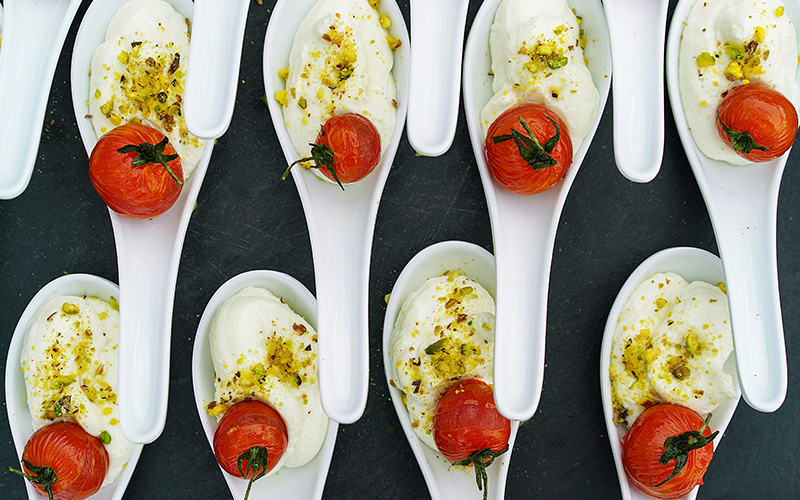
Menus featuring Asian soups often call for a Chinese-style soup spoon, which is a wide, flat-bottomed spoon with a short handle and a deep, angled bowl. This shape allows guests to scoop both broth and solid ingredients — dumplings, tofu, noodles — in a single motion, which is difficult to achieve with a Western round-bowled spoon. Disposable versions in bamboo or molded fiber are available for events that require both cultural authenticity and single-use convenience. For Western-style bisques or cream soups served in small cups, the bouillon spoon remains the better pairing because its rounded bowl matches the smooth, pourable texture of the soup.
How Does Dessert Spoon Size Affect Portion Control and Presentation?
A dessert spoon is a medium-sized spoon with a slightly oval bowl, typically 6.5 to 7.5 inches long, holding approximately 8–10 mL per scoop. It sits between a teaspoon (5 mL) and a tablespoon (15 mL) in capacity, making it the standard utensil for individually portioned soft desserts.
The oval bowl shape produces a smoother scooping motion than a round soup spoon, which matters when guests are eating from small cups or shallow plates where precision affects presentation. A dessert spoon that is too large — tablespoon-sized — creates oversized bites that overwhelm small portions and undermine the visual appeal of carefully plated desserts. A spoon that is too small — teaspoon-sized — forces guests to take too many scoops, which feels tedious with denser items like mousse or ice cream.
The most common dessert-spoon pairings at events are pudding and custard (standard 6.5–7 inch dessert spoon), mousse and yogurt (same size, oval bowl for clean scoops), ice cream in 4-ounce cups (reinforced or slightly thicker dessert spoon to avoid bending against frozen texture), cake with soft frosting (standard dessert spoon provides enough surface for a full bite), and layered parfaits in tall cups (a 7–7.5 inch spoon, where length matters more than bowl capacity so the spoon can reach the bottom of the container).
Which Spoon Size Pairs Best With Common Dessert Containers?
Container depth is often more important than dessert type when selecting spoon length. For mini dessert cups in the 2–3 ounce range, a 6.5-inch spoon with an 8 mL bowl keeps the proportion balanced — the spoon does not tower over the cup or look disproportionate on a tray. For standard cake slices on 7-inch plates, a 7-inch spoon provides the reach and leverage needed to cut through layers cleanly. For tall parfait or trifle cups, a 7.5-inch spoon is the minimum length that allows guests to reach the bottom without tilting the container. The general rule is that the spoon should be at least as long as the container is deep, with an additional inch of handle extending above the rim for a comfortable grip.
What Makes a Tasting Spoon Different From a Dessert or Soup Spoon?
A tasting spoon is a miniature spoon, typically 3 to 4 inches long, designed to deliver a single bite-sized sample rather than a full portion. Its small bowl, short handle, and lightweight construction are what separate it from dessert and soup spoons, which are built for multi-scoop eating from a full dish.
Tasting spoons are the standard utensil at food festivals, catering previews, retail product demonstrations, and cocktail events where guests sample multiple items while standing. The small bowl holds just enough for one focused taste — typically 2–3 mL — without wasting food or overwhelming the palate.
A demitasse spoon is a slightly larger variant at 4–5 inches long, traditionally used for espresso but increasingly common at events for small desserts, thick sauces, or layered bites that need a deeper scoop than a standard tasting spoon provides. A salt spoon — the smallest at 2–3 inches — is designed exclusively for granular or powdered ingredients and appears at finishing-salt stations or spice-tasting setups.
For passed hors d'oeuvres or chef-led tasting stations, uniform 3–4 inch disposable tasting spoons in a consistent material and color keep trays looking clean and make restocking efficient. Material rigidity is especially important for tasting spoons because the small size amplifies any flex — a flimsy tasting spoon that bends under a sauce or gel undermines the premium feel that tasting events are designed to create.
When Should a Demitasse Spoon Be Used Instead of a Standard Tasting Spoon?
A demitasse spoon is the better choice when the sample involves a thicker or denser food — mousse, custard, risotto — that requires a deeper scoop than a flat tasting spoon can provide. It is also the appropriate spoon for espresso service at dessert stations, where the 4–5 inch length fits comfortably inside a demitasse cup without sliding in. For thin sauces, oils, or single-sip liquids, the standard 3-inch tasting spoon remains sufficient and keeps per-unit costs lower.
How Should Spoon Size Be Matched to the Service Format?
The service format — buffet, plated, or passed — determines which spoon size reaches the guest and where it should be positioned in the setup. The same dessert may require different spoon sizes depending on whether guests serve themselves from a buffet or receive a pre-plated portion at their seat.
At buffet stations, the eating spoon placed next to the dessert or soup should match the container the guest will carry to their seat. A separate, larger serving spoon — tablespoon-sized or bigger — should be provided at each dish for portioning. Using a dessert-sized spoon as both the eating utensil and the serving utensil leads to under-portioning, cross-contamination from shared handles, and a slower line.
For plated service, the spoon is pre-set at each place setting and should match the specific dish being served. Soup courses call for a 6–7 inch soup spoon placed to the right of the knife. Dessert courses call for a dessert spoon placed horizontally above the plate or brought out with the dessert itself.
For passed service and tasting events, disposable tasting spoons are typically placed directly on the tray alongside or beneath each sample. The spoon becomes part of the presentation, so visual consistency — uniform size, color, and material across all trays — contributes to the overall impression of quality.
Does Cup Depth or Plate Size Change Which Spoon Works Best?
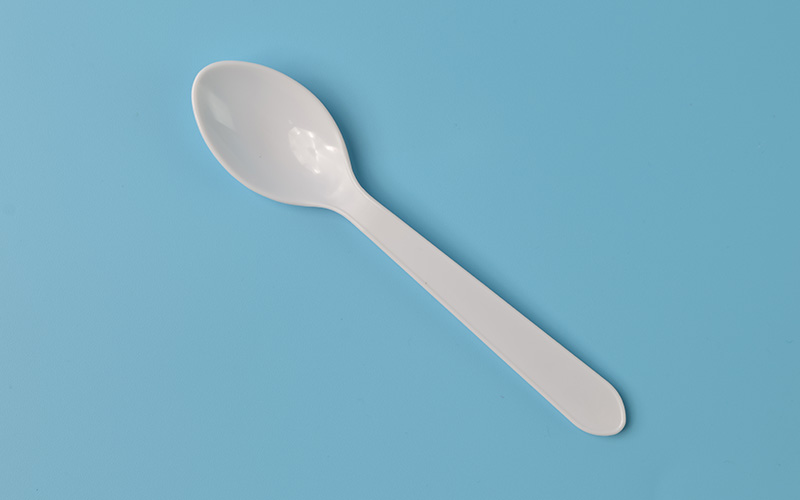
Container dimensions should always override food type as the primary spoon-selection criterion. A 3-ounce espresso cup with mousse needs a demitasse spoon, not a full dessert spoon, regardless of the fact that mousse is technically a dessert. A tall 12-ounce soup cup needs a longer-handled spoon than the same soup served in a wide, shallow bowl. The spoon's length should be at least equal to the container's interior depth, plus one inch of handle above the rim. This rule prevents the problem of a spoon disappearing into a tall container or protruding awkwardly from a shallow one.
FAQs
What Is the Difference Between a Soup Spoon and a Dessert Spoon?
A soup spoon has a round, deep bowl designed to hold liquid without spilling, while a dessert spoon has a shallower, oval bowl designed for scooping soft solids. Soup spoons are typically the same length as dessert spoons (6–7 inches) but carry more volume per scoop due to their greater bowl depth.
Can a Dessert Spoon Be Used for Soup?
A dessert spoon can technically be used for soup, but its shallow bowl carries less liquid per scoop and increases the likelihood of dripping. For thick, chunky soups like chili, a dessert spoon may perform adequately. For broth-based soups, the deeper bowl of a proper soup spoon provides a noticeably better experience.
What Size Spoon Works Best for Ice Cream at Events?
Ice cream requires a reinforced dessert spoon — standard 6.5–7 inches — in a thicker material that resists bending against the frozen surface. Thin plastic spoons are the most common failure point at dessert stations; they flex or snap when guests press into firm ice cream, creating both frustration and waste.
How Many Disposable Spoons Should Be Ordered for an Event?
The standard planning ratio is 1.5 spoons per guest per course that requires a spoon. An event serving both soup and dessert to 100 guests should have approximately 150 soup spoons and 150 dessert spoons on hand. The extra 50 percent accounts for guests who drop a spoon, return for seconds, or need a replacement.
Sign up for tips, new products and specials from wonderful.
Follow Us
Sign up for tips, new products and specials from wonderful.


