

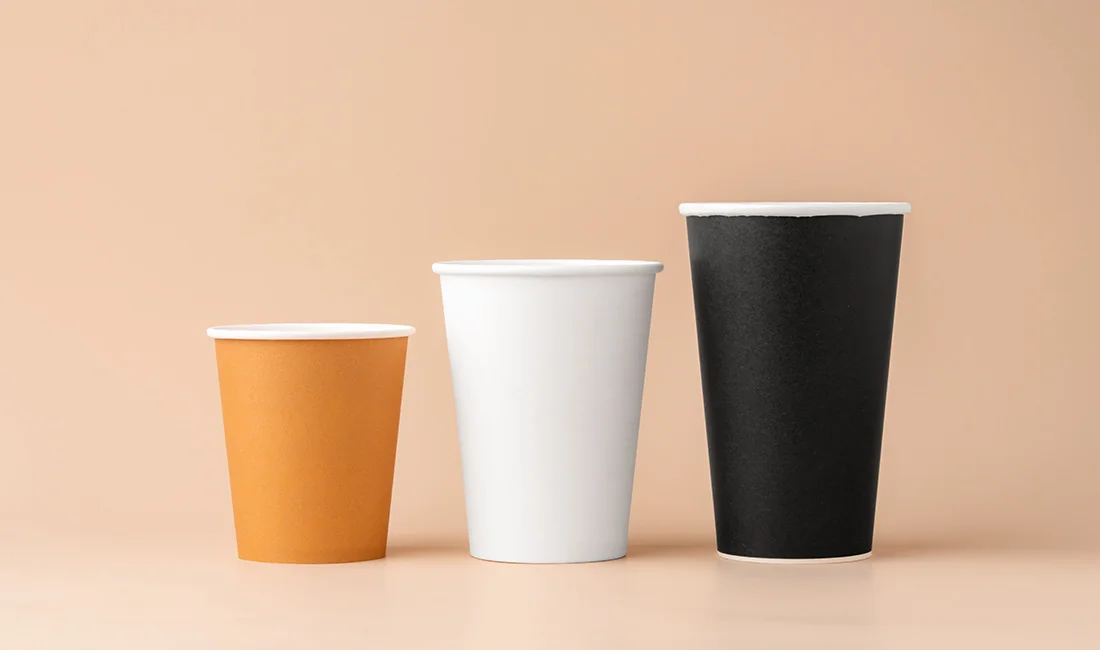
A paper cup is a lightweight, disposable container made from food‑grade paper that holds both hot and cold drinks. Choosing the right paper cup size ensures the beverage fits its purpose, reduces waste, and supports cost‑efficient service. From a 4‑ounce espresso shot to a 24‑ounce iced latte, each cup size serves a specific role in cafés, offices, and events.
Selecting sizes wisely helps businesses match portion to product. Because 8‑ to 12‑ounce cups typically suit coffee or tea while 16‑ to 24‑ounce cups handle smoothies or soft drinks, understanding these dimensions streamlines ordering and improves customer satisfaction. In practice, this also cuts excess material use and lowers packaging costs.
This guide explains why paper cups matter, how cup capacities are measured, and how to choose the best size for each drink. It also explores custom branding, eco‑friendly materials such as PLA or bagasse, and answers common questions about sizing and sustainability.
Why Do Paper Cups Matter?
The importance of paper cups:
-
Paper cups can safely hold both hot and cold drinks.
-
Paper cups simplify sanitation and logistics.
-
Paper cups matter for product sizing and cost control
-
Paper cups are sustainable.
Paper cups are disposable containers made from food‑grade paperboard lined with a thin layer of polyethylene or water‑based coating. This structure makes them liquid‑resistant because the inner lining seals the paper fibers and prevents leaks. For users, this means a cup can safely hold both hot and cold drinks without collapsing or soaking through.
Businesses rely on paper cups because they simplify sanitation and logistics. Since they are used once and recycled or discarded, cafés avoid the labor and water required for washing reusable cups. This efficiency helps maintain faster service and consistent hygiene during busy hours.
Paper cups also matter for product sizing and cost control. Standard capacities—4oz for espresso, 8oz for small, 12oz for medium, and 16–22oz for large—let cafés match beverage recipes to portion sizes. When teams choose the right size, they manage inventory better and reduce waste from overfilling.
Sustainability adds another layer of importance. Many manufacturers now use FSC‑certified paperboard and plant‑based coatings instead of traditional plastic film. In practice, this means the cups can enter recycling or composting streams more easily, depending on local facilities.
What are the Common Paper Cup Sizes?
Paper cups vary widely in capacity, height, and top diameter. Each size fits a specific drink type and user need, from espresso servings to large iced beverages. Choosing the correct size depends on the liquid volume (in ounces or milliliters), lid compatibility, and how the drink is prepared or consumed.
Below are different paper cup sizes and their best uses:
-
8oz Paper Cups: traditional cappuccinos or children’s drinks
-
10oz Paper Cups: flat whites, Americanos, or small iced drinks
-
12oz Paper Cups: lattes, drip coffee, or medium iced drinks
-
16oz Paper Cups: large coffees, cold brews, and iced teas
-
20oz Paper Cups: extra-large cold beverages such as smoothies or iced lattes
-
24oz Paper Cups: smoothies, milkshakes, and bubble tea
8oz Paper Cups
An 8oz paper cup holds about 240 milliliters of liquid. It is a standard paper cup size used for small coffees or cappuccinos. The typical top diameter is 80mm, compatible with flat or vented lids.
Most 8oz cups measure about 90–95mm in height and 55–60mm across the base. Because of its moderate capacity, it helps control serving sizes and reduce waste during slower service times.
In practice, this size suits cafés that offer traditional cappuccinos or children’s drinks. For users, an 8oz cup provides portability and easy handling without sacrificing heat protection.
10oz Paper Cups
A 10oz paper cup, which equals roughly 300 milliliters, bridges the gap between small and medium servings. It often uses the 80mm lid, similar to the 8oz, simplifying inventory management.
Typical dimensions include a height of around 100mm and a base diameter of 60mm. The larger fill space makes it ideal for flat whites, Americanos, or small iced drinks where extra volume is desirable.
Because it offers a bit more room than the 8oz, it reduces spill risk and allows milk foam expansion for hot beverages. For the user, this means a more balanced coffee-to-milk ratio while keeping the cup size manageable for one-handed use.
12oz Paper Cups
A 12oz paper cup, equal to about 360 milliliters, is considered the most common paper cup size in cafés. It usually has either 80mm or 90mm top diameters depending on the manufacturer.
Height averages 100–105mm, with a base width of 60–65mm. This size fits standard lids and works well for lattes, drip coffee, or medium iced drinks. Because many suppliers produce both lid diameters, checking specifications before purchase prevents mismatches and leaks.
For users, a 12oz cup balances portion and portability. It provides enough space for milk-based beverages while maintaining moderate temperature retention, especially in double-wall versions.
16oz Paper Cups
A 16oz paper cup holds approximately 480 milliliters and typically uses a 90mm lid. Its height ranges from 127–135mm, suited for larger hot or cold drinks.
Cafés often use this size for large coffees, cold brews, and iced teas. The increased capacity allows for ice or whipped toppings without compromising fill level. Because of its taller profile, baristas often prefer sturdy, multi-layer paper construction to maintain grip and prevent softening.
For everyday users, a 16oz cup works well for longer drinking sessions. It prevents frequent refills and still fits standard car cup holders, making it practical for commuters.
20oz Paper Cups
A 20oz paper cup holds about 600 milliliters of liquid and also uses a 90mm top diameter. Common dimensions include a height of 150–160mm and a base width near 70mm.
This size is favored for extra-large cold beverages such as smoothies or iced lattes. Because of its capacity, it often pairs with dome lids for whipped toppings or straws. The thicker cup wall supports heavier contents and maintains drink stability when filled with ice.
For business owners, using a 20oz size helps standardize large drink options across both hot and cold menus. For customers, it offers a clear “value” drink option for longer enjoyment.
24oz Paper Cups
A 24oz paper cup offers about 710 milliliters of total capacity, placing it at the upper end of standard paper cup sizes. It generally uses a 95mm lid diameter, ensuring a secure fit for large chilled drinks.
Dimensions often include a height between 165–175mm and a base around 75–80mm. This cup size works best for smoothies, milkshakes, and bubble tea, where ample space is needed for ice or ingredients.
Because of its wide mouth, it provides easy access for straws and add-ins. For users, this translates to a comfortable drinking experience even with thick beverages. For café operators, 24oz cups support high-margin specialty drinks while using consistent 90–95mm lid systems.
How to Select the Ideal Paper Cup Size?
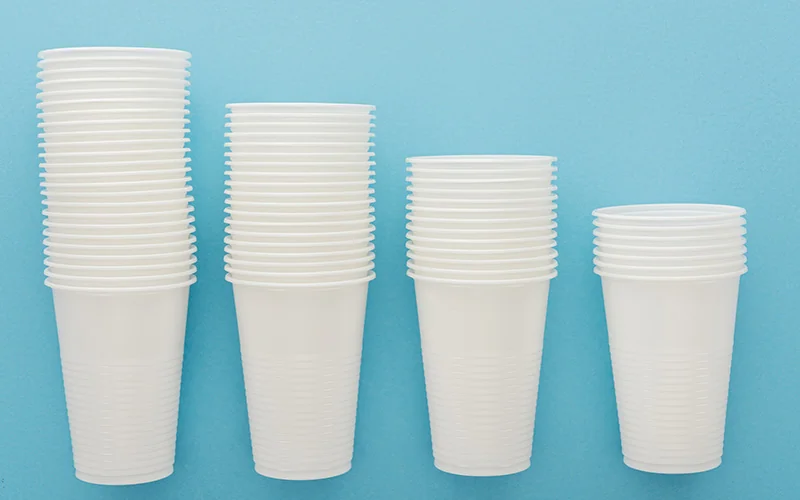
Selecting the right paper cup size depends on how and where the cups will be used, what type of beverage they hold, and how businesses want to balance cost, waste, and customer satisfaction. Each factor directly affects efficiency, presentation, and overall usability in real settings such as cafés, events, or takeout services.
Know the Occasion
The event or setting determines which paper cup size works best. Small 4–6 oz cups fit sampling events and espresso servings because they control portions and reduce leftover waste. In contrast, 12–16 oz cups are widely used at offices or cafés for standard coffee and tea servings. For festivals or long-duration events, larger 20–24 oz cups help reduce refill frequency, streamlining service for cold drinks.
Matching Beverage Type to Cup Size
The beverage type influences cup size because temperature and consistency affect how drinks are served. Hot drinks like espresso or cappuccino often require smaller cups (4–8 oz) to preserve heat and flavor. These sizes reduce waste from unfinished drinks and better match lid and sleeve compatibility. Cold beverages such as iced tea, lemonade, or smoothies need larger 16–24 oz cups because ice takes up space and customers expect a tall, refreshing portion.
Balancing Portion Control and Waste Reduction
Portion control helps manage both product cost and environmental impact. Choosing the ideal cup size reduces over-pouring and limits beverage waste. For example, offering a 12 oz standard size instead of 16 oz can cut coffee use per serving by roughly 25%, which in turn lowers supply expenses over time.
Considering Customer Preferences
Customer expectations influence which cup sizes sell best. Frequent coffee drinkers may prefer 12–16 oz cups because they hold enough for commuting or office use. Espresso lovers, on the other hand, expect compact 4 oz cups that highlight flavor concentration.
Regional habits also shape typical serving sizes. In the United States, large 20 oz coffee cups are popular for long drives, while European cafés often standardize around 6–8 oz sizes for sit-down service. Recognizing these patterns helps adapt offerings to customer demand.
Visual appeal matters too. A cup that feels comfortable to hold and matches drink type—such as a wide rim for lattes or a tall shape for iced drinks—adds ease and satisfaction. When businesses choose cup sizes that match customer comfort, they strengthen both loyalty and product perception.
Custom and Specialized Paper Cups
Custom paper cups are paper-based beverage containers printed or designed to display a brand’s logo, message, or artwork. They enhance marketing visibility because each cup doubles as mobile advertising. In practice, this translates to better brand recognition for cafés, caterers, and event services.
Customized paper cups often use digital or offset printing for detailed graphics and color consistency. They may also include matte or gloss finishes, which protect the surface from moisture and improve appearance. Because designs are applied during manufacturing, the print resists fading from heat or condensation.
Environmental needs have led to innovations like compostable lids, often made from polylactic acid (PLA), a bioplastic derived from corn starch. Unlike petroleum-based lids, PLA lids break down in industrial composting conditions within months. For users committed to sustainability, this means lower landfill impact and simpler waste sorting.
FAQs
Is 1 Cup 240 or 250 ml?
A standard cup measurement varies slightly by region. In the United States, 1 cup equals 240 milliliters. In countries using the metric system, 1 cup equals 250 milliliters.
This small difference—about 10 milliliters—usually does not affect most beverages, but it matters in recipes or standardized serving volumes. For accurate ordering or labeling, businesses should confirm which standard applies in their location.
Can You Convert Paper Cup Cizes from Inches to Centimeters?
Paper cup dimensions are often listed in inches for height and diameter. To convert them to centimeters, multiply each inch value by 2.54. For example, a 4-inch-tall cup equals about 10.16 centimeters.
Cafés and packaging buyers use these conversions to ensure lids and cup sleeves fit across international suppliers. In practice, keeping both metric and imperial charts helps avoid mismatched components when sourcing from different regions.
How to Determine the Right Paper Cup Size for My Needs?
The right paper cup size depends on the type of drink, the serving temperature, and the portion volume desired. Small cups (4–8 oz) suit espresso and samples, while medium ones (12 oz) fit most hot coffees. Large and extra-large cups (16–22 oz) are best for iced drinks or smoothies.
Because cup capacity doesn’t equal usable fill volume—manufacturers leave headroom for lids—users should allow 10–15% less actual liquid than the labeled size. This ensures safe handling and prevents spills. For cafés and restaurants, testing typical pours in sample cups helps identify the most efficient and consistent size for daily service.