

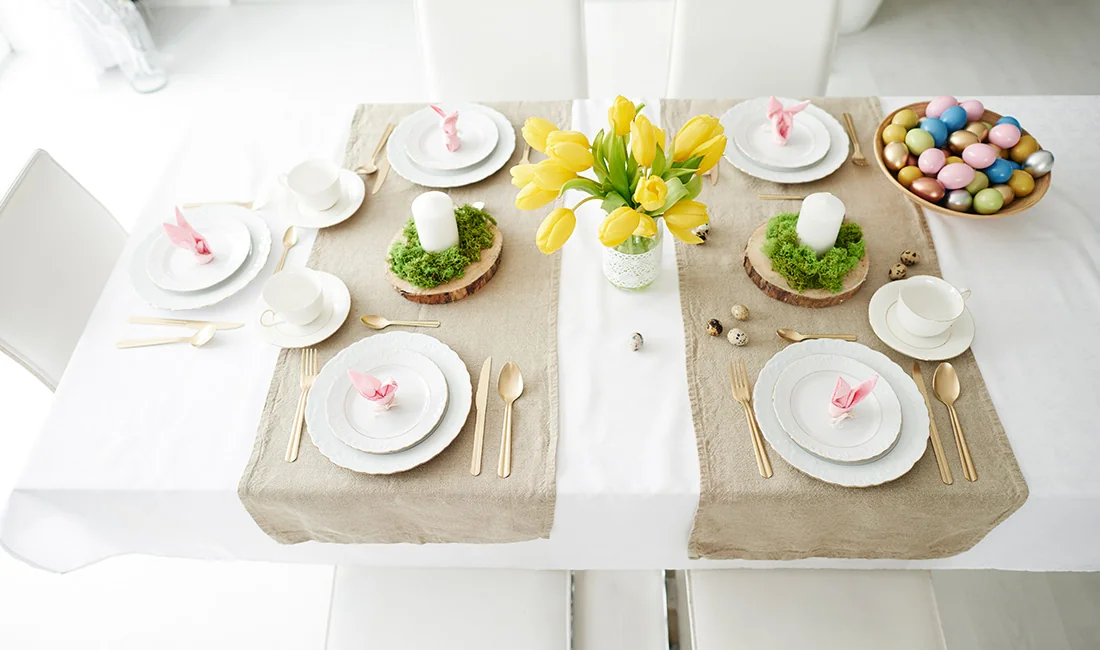
Easter Egg Hunt Party Table Setup Ideas focus on creating a clear, themed tablescape with kid-safe tableware, labeled snack zones, and simple decor that matches the egg hunt. You set the tone by choosing a party table theme, color palette, and layout that keeps food, prizes, and crafts easy to reach.
You will learn how to plan a party table that supports the Easter egg hunt, not just decor. The guide covers tablescape essentials, a snack and drink area, and creative table decor and party favors. It also shows how themed activities and small prizes fit on the table without clutter.
These ideas come from common Easter party planning practices shared by event planners and family hosts, including step-by-step hunt guides and party layouts. You get practical tips that work for kids and adults, using simple supplies and clear placement so the table stays neat and useful during the hunt.
What is Easter?
Easter is a Christian holiday that marks the resurrection of Jesus Christ. The event appears in the New Testament and centers on the belief that Jesus rose from the dead after his crucifixion.
You celebrate Easter on a Sunday between late March and late April. The date changes each year because it follows the lunar calendar and occurs after the first full moon of spring. Many Easter customs connect to older spring traditions. Eggs became a symbol because they represent new life, which aligns with the season and the holiday’s meaning.
An Easter egg hunt is one of the most common traditions. You hide decorated eggs filled with candy or small items, then invite children to search for them. In practice, this activity shapes how you plan party spaces, including table layout and décor.
Common Easter symbols include:
-
Eggs, which represent new life
-
Bunnies, which relate to fertility and spring
-
Flowers, such as lilies and tulips, which bloom during this season
Planning the Easter Egg Hunt Party Table Theme
Your party table sets the rules for how guests move, play, and gather. Clear themes help you choose colors, table items, and game tools that match your Easter egg hunt, whether you plan an indoor Easter egg hunt or a backyard egg hunt.
Table theme that you can choose:
-
Spring Garden Vibes
-
Rustic Easter Mood
-
Pastel Dreams
-
Eco Easter Living
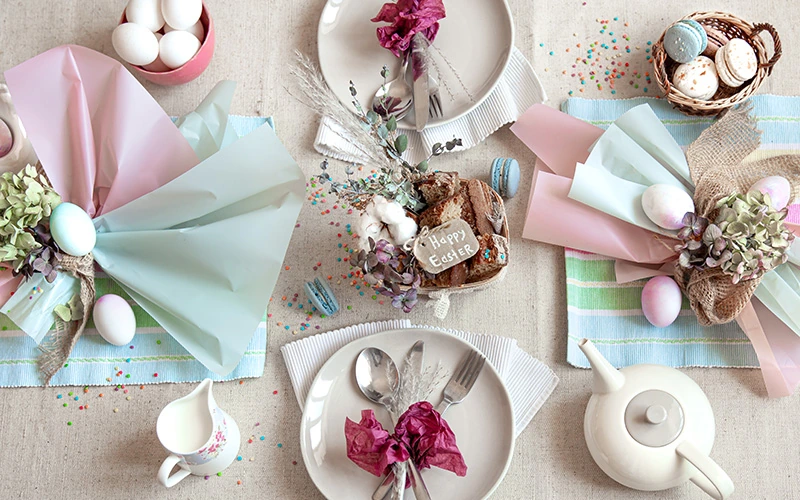
Spring Garden Vibes
A Spring Garden theme mirrors a backyard egg hunt by using real plants and open layouts. You define this theme by placing live potted herbs, such as basil or rosemary, along the center of the table. Because these plants release light scent, they keep the table area fresh without candles.
Use kraft paper runners and wood trays to hold plastic eggs filled with candy or game clues. In practice, this setup makes it easy to reset eggs between rounds of an Easter scavenger hunt. Add place cards that list simple Easter games, like an egg relay race. This keeps kids focused and reduces crowding during play.
Rustic Easter Mood
A Rustic Easter Mood uses natural textures and muted colors to anchor an Easter party indoors. You define this theme with unfinished wood crates, linen napkins, and metal buckets for egg storage. Because metal buckets resist dents, you can reuse them year after year.
Fill eggs with wrapped treats or paper slips that assign Easter party ideas, such as team-based hunts. For the user, this means less candy overload and more group play. Place a chalkboard sign that explains hunt rules. Clear rules help manage mixed-age groups during an indoor Easter egg hunt.
Pastel Dreams
Pastel Dreams focuses on color control and visual order. You define it by using pastel plastic eggs sorted by color in clear bowls. Because each color links to a prize level, kids quickly learn what to collect during the Easter egg hunt.
Use white melamine plates and acrylic stands to display cupcakes or hunt tokens. Melamine resists cracking, which matters when kids bump the table during Easter games. Limit patterns to one item, such as napkins. This keeps the table readable and prevents visual clutter.
Eco Easter Living
Eco Easter Living centers on reuse and low waste. You define this theme by using paper eggs, fabric baskets, and wooden tokens instead of plastic. Because fabric baskets fold flat, storage stays simple after the Easter party.
Fill paper eggs with stamps or clues that lead to prizes, which works well for an Easter scavenger hunt. For the user, this means fewer single-use items and easier cleanup. List eco rules on the table, such as “return baskets here.” Clear stations keep the egg hunt moving and reduce lost items.
Easter Tablescape Essentials
An Easter tablescape sets structure and order for an egg hunt party table. You rely on practical surfaces, clear color cues, and simple centerpieces that support food service, crafts, and candy without clutter.
Disposable Table Linens and Runners
Disposable table linens are single-use table covers made from paper, plastic, or spun polyester. Most party-grade options measure 54 x 108 inches, which fits a standard 6‑foot table. This size matters because it fully covers the surface and hangs low enough to catch spills.
Paper runners work well over plastic tablecloths. Paper absorbs light moisture, while plastic blocks liquids from reaching the table. For you, this means faster cleanup after juice, dye, or melted chocolate eggs.
Choose solid pastel colors like light blue, lavender, or pale yellow. These shades reflect light and help eggs stand out during games. Avoid textured or glitter finishes, which can tear or shed during use.
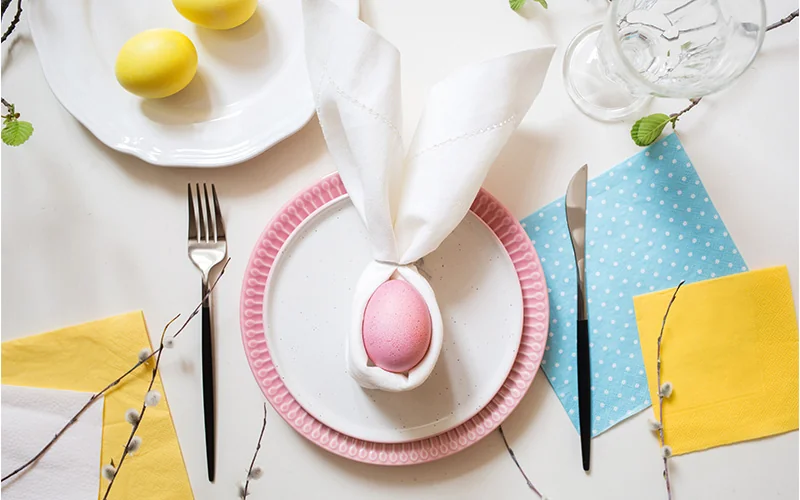
Easter-Themed Disposable Plates and Pastel Plates
Easter-themed disposable plates are single-use plates printed with spring icons such as eggs, bunnies, or flowers. Most are made from coated paperboard and range from 7 to 9 inches wide. The coating resists grease, which keeps plates from bending under cake or candy.
Pastel plates support Easter table decor because soft colors reduce visual noise. This helps guests spot food and treats faster. For you, this means smoother serving lines and less crowding.
Use 7-inch plates for desserts and 9-inch plates for snacks. Avoid foam plates. Foam dents under weight and tips easily, which increases spills around the table.
Centerpieces With Eggs and Florals
A centerpiece anchors your easter tablescape and controls how guests move around the table. Use low arrangements under 8 inches tall so kids can see across the table. Height matters because tall items block sightlines during games and crafts.
Plastic eggs, real dyed eggs, or wrapped chocolate eggs all work. Place them in shallow bowls or trays to keep them from rolling. This setup reduces breakage and mess.
Add fresh flowers like tulips or daisies in short jars. These flowers open slowly and hold shape for hours. For you, this means the table stays neat from the first hunt to the last snack.
Snack and Drink Area
A clear snack and drink area keeps kids moving between games without delays. Simple containers, quick snacks, and clear labels help you serve food while guests focus on the egg hunt, Easter bingo, and other table activities.
Disposable Cups with Colorful Straws
Disposable cups are single-use drink containers made from paper or plastic. Choose 9–12 oz paper cups with a wax lining because they hold juice or water without leaking. This size fits small hands and limits spills during fast-paced moments like easter egg bowling.
Pair cups with plastic bendable straws in pastel colors. The bend reduces tipping because kids do not need to lift the cup as high. Place cups in a low tray near the easter egg hunt banner. Keep one drink per child at a time to avoid mix-ups.
Easy-to-Grab Snacks
Easy-to-grab snacks are foods that require no plates or utensils. Use pre-portioned items like carrot-shaped cheese packs, mini muffins, or wrapped cookies. Individual wrapping matters because it limits hand contact after kids handle easter egg hunt clues.
Set snacks in shallow bins labeled by type. This layout speeds choices and keeps lines short. Avoid sticky foods. Dry snacks reduce cleanup and protect printed clue cards and score sheets from damage.
Drinks or Snacks with Easter-themed Tags
Easter-themed tags are small paper labels attached with string or adhesive. Write simple text like “Carrot Crunch” or “Egg Hunt Fuel.” Clear names help kids choose quickly without asking. Add small icons that match easter egg hunt clues to tie food to the game theme. Attach tags to water bottles, juice boxes, or snack bags. This detail keeps the table organized and supports smooth transitions back to play.
Creative Table Decor and Party Favors
You can set a clear theme with practical displays and useful favors. Focus on safe egg handling, simple materials, and clear labels so guests know what to grab and how to use it.
Display Ideas for Hard-Boiled and Chocolate Eggs
A hard-boiled egg hunt uses cooked eggs with shells, while chocolate eggs use molded candy with a cocoa base. Set them apart to avoid mix-ups and melting. Use glass apothecary jars for chocolate eggs because thick glass slows heat transfer. In practice, this keeps candy firm longer on warm tables. Place jars away from windows and lights.
Simple layout tips
-
Color-code trays: pastel for chocolate, solid white for boiled
-
Elevate with wooden risers (pine or bamboo) to save space
-
Use tongs made from stainless steel for shared handling
Personalized Favor Bags and Mini Baskets
Personalized favor bags and mini baskets are small containers you fill for guests to take home. Choose kraft paper bags (60–80 gsm) or woven straw baskets because both hold shape without plastic. Print names on adhesive labels and stick them to bags. This avoids ink bleed on paper and stays readable after handling.
Smart fill ideas
-
Foil-wrapped chocolate eggs (10–15 g each)
-
Stickers and a small crayon pack (4-count)
-
A hunt clue card on cardstock (250 gsm)
FAQs
How can I Create a Festive Easter Table Setting within a Budget?
A budget-friendly Easter table setting uses low-cost items like paper goods, reusable décor, and natural elements. For example, pastel paper plates, solid-color napkins, and plastic tablecloths usually cost less than fabric options and clean up fast.
Use items you already have, such as clear jars filled with dyed eggs or wrapped candy. In practice, this works because one jar can serve as both a centerpiece and a candy holder, which reduces the number of items you need to buy.
Add small details like printable place cards on standard white cardstock. For you, this means you can personalize the table using a home printer instead of buying custom décor.
How Can I Make Sure My Easter Egg Hunt is Fun for Kids of All Ages?
An all-ages Easter egg hunt works best when you separate children by age group or skill level. You can assign zones, such as one area for toddlers and another for older kids, because different spaces prevent faster children from taking all the eggs.
Use color-coded eggs to match age groups. For example, hide large eggs filled with stickers for younger kids and smaller eggs with notes or candy for older kids, which keeps the challenge fair.
Set clear rules before the hunt starts, like a maximum number of eggs per child. For you, this means fewer tears and less arguing once the hunt ends.
What is the Ideal number of Eggs to Hide Per Child to Ensure Fairness and Fun?
The ideal number of eggs is typically 10 to 15 per child for younger kids and 15 to 20 for older kids. This range works because it gives each child enough chances to find eggs without ending the hunt too fast.
If you expect shared hunting areas, add extra eggs beyond the total count. In other words, hiding about 20% more eggs helps cover missed spots and keeps late finders engaged.
Include one or two special eggs, such as a golden egg with a small prize. For you, this adds excitement without changing the overall balance of the hunt.