

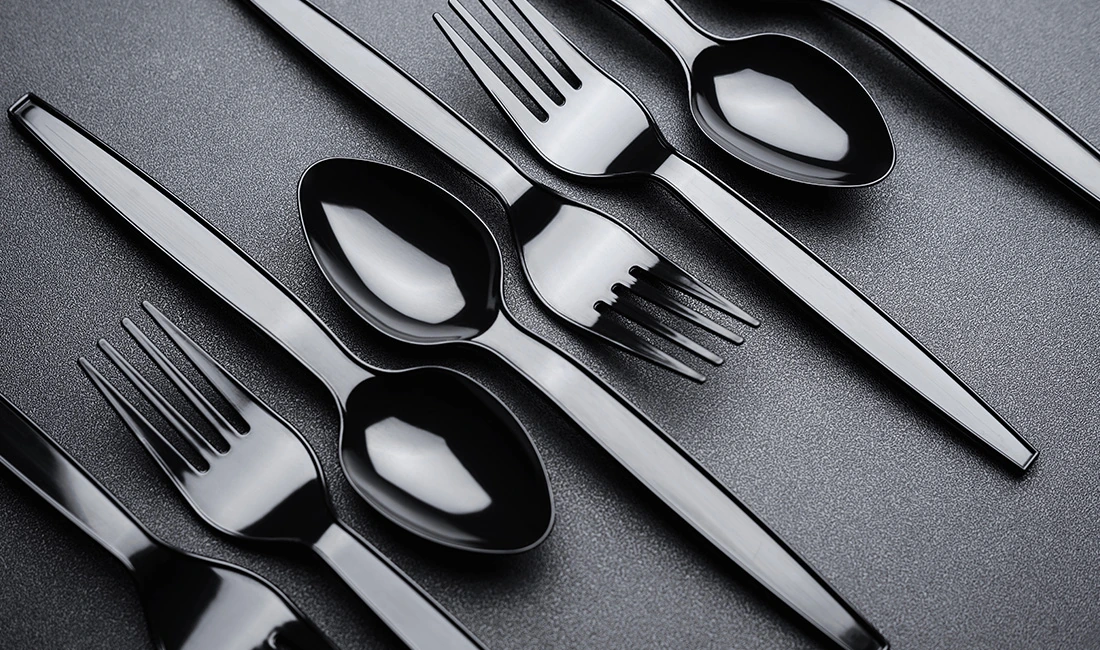
Disposable cutlery includes plastic, paper, wood, bamboo, bagasse sugarcane, and plant‑based bioplastics like PLA and PSM, each made for different foods, heat levels, and disposal needs.
You will learn how types of disposable cutlery compare by strength, heat tolerance, cost, and waste impact. You will also see how food type, service setting, and local compost rules guide smart choices. The details draw from foodservice buying guides and material data used by caterers and suppliers.
What are the Common Disposable Cutlery Types?
Disposable cutlery uses different materials to meet cost, safety, and waste goals. Each material affects heat resistance, strength, disposal method, and price in clear ways.
Plastic Cutlery Varieties
Plastic cutlery uses polypropylene (PP) or polystyrene (PS). PP bends before it snaps because its polymer chains flex, which helps with hot foods. PS holds a sharp edge because it is rigid, but it can crack under force.
Typical heat limits reach up to 250°F, so you can use it with hot meals. For the user, this means fewer forks warp during service.
Common uses
-
Takeout meals
-
Catering with tight budgets
Pros
-
Low unit cost
-
Consistent shape and size
-
Widely available
Cons
-
Not biodegradable
-
Made from petroleum
-
Disposal adds to landfill waste
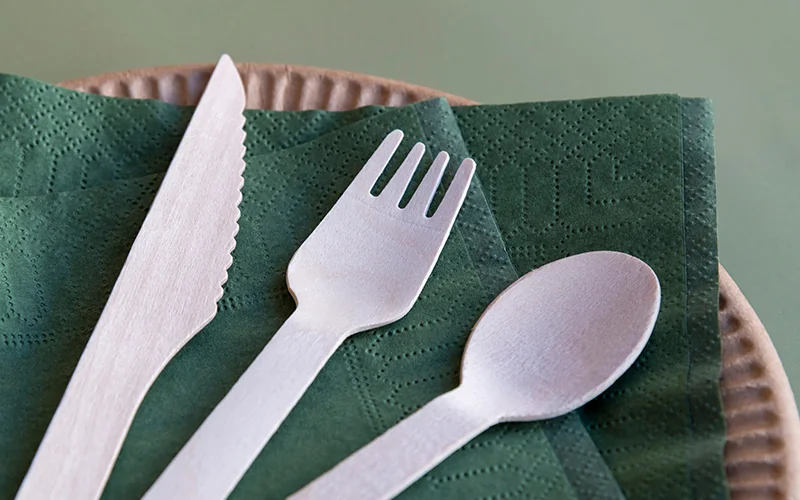
Wooden Cutlery Options
Wooden cutlery comes from birch or poplar by-products. These woods have tight grain, which resists splintering when pressed into shape. In practice, this means the utensil stays smooth during use.
Wood handles heat up to about 200°F. You can use it with warm foods but not boiling liquids.
Common uses
-
Food trucks
-
Events with plastic bans
Pros
-
Biodegradable without processing
-
No plastic additives
-
Neutral taste
Cons
-
Higher cost than plastic
-
Can absorb moisture
-
Limited strength with dense foods
Bamboo Cutlery Alternatives
Bamboo cutlery uses compressed bamboo fiber. Bamboo grows fast and reaches harvest size in 3–5 years, which supports steady supply. Its fiber density adds stiffness, so forks resist bending under load.
Heat tolerance reaches around 200°F. For the user, this means it works with most hot foods but not deep soups.
Common uses
-
Outdoor events
-
Eco-focused brands
Pros
-
Renewable crop
-
Lower odor transfer than wood
-
Better water resistance than paper
Cons
-
Higher price than wood
-
Requires coating for smooth finish
-
Not compostable in all facilities
Paper Cutlery Solutions
Paper cutlery uses food-grade kraft paper, layered and pressed into shape. The layers create thickness, but the fibers weaken when wet. Because of this, paper spoons soften in liquids.
Paper suits cold or dry foods. For the user, this means it works for snacks, not soups.
Common uses
-
Schools and hospitals
-
Safety-focused settings
Pros
-
Low injury risk
-
Easy disposal with paper waste
-
Light weight
Cons
-
Low strength
-
Short use time
-
Poor performance with moisture
Biodegradable Cutlery
Biodegradable cutlery often uses PLA, CPLA, or plant starch material (PSM). PLA comes from corn or sugarcane. CPLA adds a heat-crystallizing step, which raises heat resistance to about 185°F.
PSM uses fermented plant starch and handles up to 200°F. In other words, you can serve hot meals without quick warping.
Common uses
-
Corporate cafeterias
-
Cities with waste rules
Pros
-
Made from renewable sources
-
Breaks down faster than plastic
-
Stable shape with hot food
Cons
-
Needs correct waste stream
-
Limited color options
-
Higher cost than plastic
Compostable Cutlery
Compostable cutlery includes CPLA, PSM, and bagasse sugarcane fiber. Bagasse comes from sugarcane waste after juice extraction. The molded fiber handles up to 250°F, which supports hot meals.
These items need industrial composting. For the user, this means home compost may not work.
Common uses
-
Large events
-
Venues with compost pickup
Pros
-
Designed for compost systems
-
Uses agricultural waste
-
Safer option where plastic is banned
Cons
-
Fails in regular trash streams
-
Requires clear labeling
-
Availability depends on local facilities
How to Choose Disposable Cutlery?
Factors you need to consider when choosing your disposable cutlery:
-
Start with what you serve.
-
Match material to use and rules at your site.
-
Consider eco options when required.
-
Pay attention to weight and thickness.
Start with the food you serve. Disposable forks for salads need less strength than forks for meat or pasta. Heavier foods need thicker utensils because added material reduces bending. For you, this means fewer broken pieces during meals.
Next, pick the material based on use and disposal rules. Plastic disposable cutlery often uses polypropylene or polystyrene. Polypropylene resists heat up to about 212°F, so it works with hot foods. In practice, this means plastic utensils keep their shape in soups or rice dishes.
Eco-focused options change the trade‑offs. Bamboo cutlery, including products from Bamboo Cutlery Co, uses fast‑growing bamboo fiber. Because bamboo has a dense grain, it resists snapping under pressure. For you, this means better grip and fewer breaks, but higher cost than basic plastic.
Weight matters as much as material. Manufacturers label cutlery as medium, heavy, or extra heavy based on thickness and mass. Thicker pieces bend less because they spread force across more material.
How to Choose Disposable Cutlery for Different Occasions?
Start by matching the cutlery to the food and setting. The best disposable cutlery supports the meal type because material and shape affect how well utensils handle heat, weight, and texture.
For casual meals and takeout, plastic disposable cutlery works well. Polystyrene plastic utensils resist bending at common food temperatures, usually up to about 212°F. For you, this means disposable forks and knives can handle pasta, rice, or hot soups without softening.
For parties and large gatherings, look for thicker plastic utensils sold as heavy‑duty. Manufacturers increase wall thickness to reduce flex, which helps knives cut dense foods like chicken. In practice, this reduces breakage when guests serve themselves.
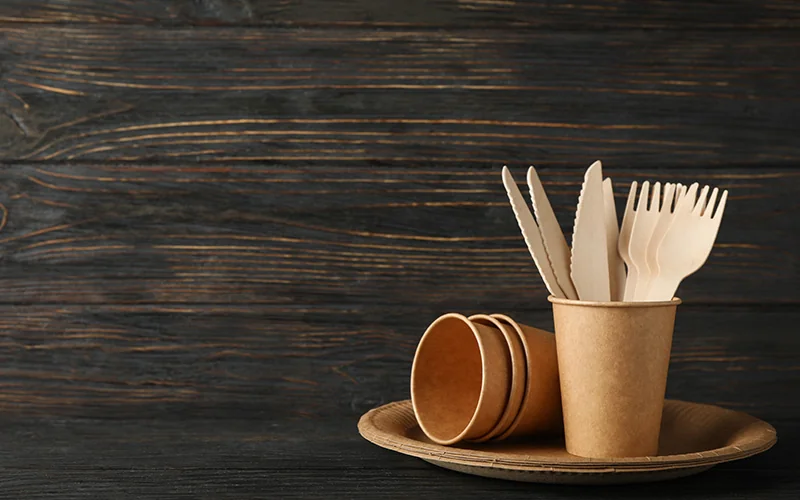
For outdoor events and picnics, choose wood or bamboo. Bamboo cutlery co products often use fast‑growing bamboo that is molded into solid, single‑piece utensils. Because bamboo fibers run lengthwise, the forks resist snapping. For you, this means fewer broken tines when eating grilled foods.
For formal events, clear or black plastic disposable cutlery fits better with table settings. These colors come from food‑safe dyes added during molding, which keeps color from rubbing off. You get a cleaner look without affecting food taste.
For eco‑focused events, bamboo or certified compostable utensils make sense. These materials break down under industrial composting conditions. In real use, this lets you divert waste from landfills when local composting exists.
Quick match guide for choosing different cultery types for different occasions:
|
Occasion |
Suitable Cutlery |
Why It Works |
|
Takeout |
Plastic utensils |
Heat resistance for hot meals |
|
Weddings |
Clear plastic |
Neutral color fits décor |
|
Picnics |
Bamboo cutlery |
Fiber strength limits snapping |
|
Large parties |
Heavy‑duty plastic |
Thicker walls reduce bending |
FAQs
What materials are commonly used to manufacture disposable cutlery?
Manufacturers commonly use plastic, wood, bamboo, paper, and plant-based plastics such as PLA, CPLA, and plant starch blends.
Plastic cutlery usually uses polypropylene or polystyrene. Because these plastics soften only at higher temperatures, they handle hot foods without bending. For you, this means fewer broken utensils during meals, but the items do not break down after disposal.
Wood and bamboo cutlery come from tree by-products or fast-growing bamboo. These materials hold shape under normal eating pressure and biodegrade over time. In practice, this means you reduce long-term waste while keeping a firm grip for guests.
Plant-based options such as PLA, CPLA, and plant starch materials come from corn or other plant sources. Some versions resist heat better due to added crystallization. For you, this means they work for warm foods but still require proper composting systems to break down.
What should be considered when selecting heavy duty disposable cutlery for events?
You should focus on material thickness, heat tolerance, and intended food type. These factors control whether the cutlery bends, snaps, or holds shape during use.
For example, thick polypropylene or crystallized PLA resists bending because the added material mass spreads force across the handle. For you, this translates to fewer replacements during events with steak, dense pasta, or layered dishes.
You should also match the cutlery to serving temperature. Utensils rated for hot foods prevent softening during service. In practice, this helps staff avoid complaints and delays during plated or buffet-style meals.
How do I choose the right size and style of disposable cutlery for catering needs?
You choose size based on portion style and service format. Full-length forks and knives fit plated meals, while shorter utensils work for tastings and desserts.
Style matters when presentation affects guest perception. Wood or bamboo pairs well with outdoor or eco-focused events because the natural finish matches casual settings. For you, this creates visual consistency without changing service flow.
You should also consider packaging format. Individually wrapped sets support hygiene needs, while bulk-packed cutlery speeds up high-volume service. In other words, the right format saves time where staff turnover is high.