

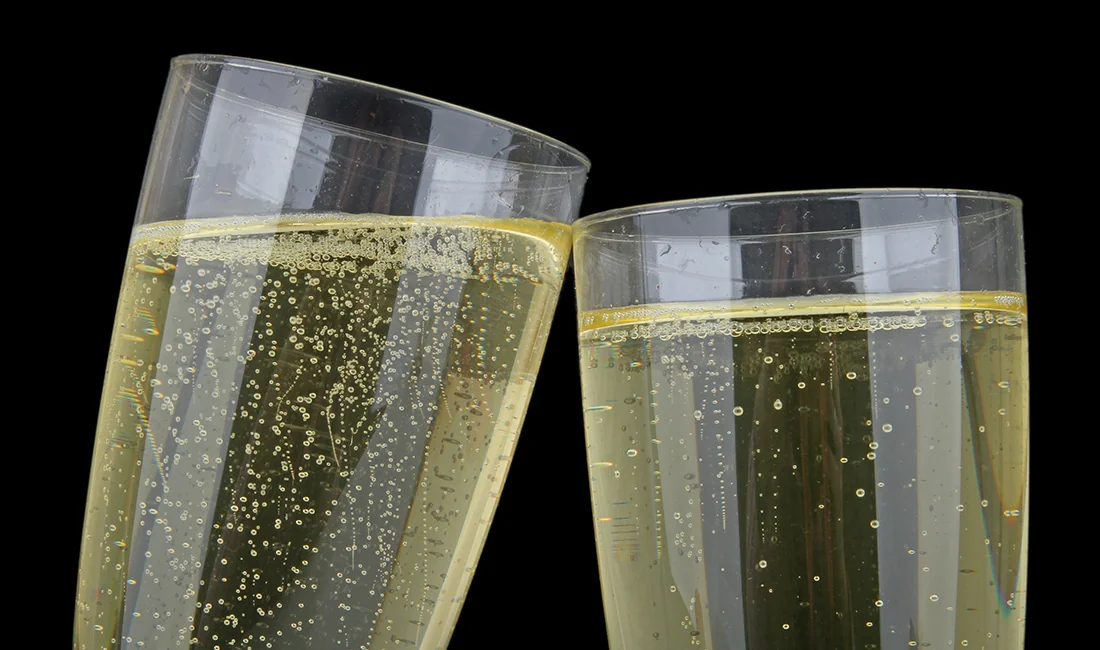
Champagne vs Wine Plastic Cups comes down to purpose, not price. Disposable champagne flutes preserve bubbles and aroma better, while wine plastic cups offer more space and stability for casual service. You choose between shape, material, and function based on how you plan to serve sparkling wine, prosecco, cava, or still wine.
You will see how disposable champagne flutes differ from wine plastic cups in design, capacity, and best use. You will also learn when each option works better for weddings, outdoor parties, catering events, and casual gatherings, along with clear answers to common questions about taste, bubbles, and presentation.
What are Disposable Champagne Flutes?
Disposable champagne flutes are single-use cups made for champagne, sparkling wine, prosecco, and cava. Manufacturers usually mold them from PET plastic, polystyrene, or BPA‑free polypropylene. Because these plastics are lightweight and shatter-resistant, you can use them at large events without the risk of broken glass.
Common features include:
-
Stemmed or stemless designs
-
Clear plastic for visual appeal
-
Snap-on bases for compact storage
-
Packs of 30 to 100 cups for events
What are Wine Plastic Cups?
Wine plastic cups are drinking vessels made from materials such as polystyrene, PET, polypropylene, or acrylic instead of glass. You will often see them at outdoor events, weddings, tastings, and large parties where breakage is a concern.
Manufacturers mold these cups into shapes that resemble traditional wine glasses or champagne flutes. Some include a short stem, while others use a stemless design for easier stacking and transport.
You will also find two main types:
-
Disposable cups – Thin-walled polystyrene or PET designed for single use.
-
Reusable plastic glasses – Thicker acrylic or Tritan plastic that resists cracking and can be washed multiple times.
Wine Plastic Cups vs Disposable Champagne Flutes: What are the Differences?
Wine plastic cups and disposable champagne flutes differ in material thickness, bowl shape, and how they manage aroma and bubble formation. These design choices affect how you serve champagne, prosecco, cava, and still wines at events.
Materials
You will usually find both products made from PET (polyethylene terephthalate) or polystyrene (PS) plastic. PET offers higher clarity and better impact resistance than standard polystyrene because its polymer structure absorbs energy instead of cracking. In practice, this means PET flutes are less likely to split if someone bumps a table.
Disposable champagne flutes often use thinner walls, around 0.8–1.2 mm at the rim. A thinner rim feels closer to glass, which matters when you sip sparkling wine and want a clean flow across the lip.
Wine plastic cups often use slightly thicker plastic. That added thickness increases rigidity, which helps the cup hold its wide bowl shape when filled with 5–9 ounces of still wine. For you, this means less flex when guests grip the cup during a long reception.
Some champagne flutes also use double-wall PET designs. The air gap slows heat transfer. For serving sparkling wine at 6–8°C (43–46°F), this helps delay warming during outdoor events.
Durability
Wine plastic cups are typically more stable because they have a wider base and shorter profile. The low center of gravity reduces tipping when placed on banquet tables. For crowded parties, this lowers the chance of spills.
Disposable champagne flutes have a tall, narrow stem or base. That shape looks formal, but it increases the risk of tipping if the surface is uneven. Many models reinforce the base with a thicker plastic disc to improve balance.
In terms of break resistance, PET flutes can offer several times the shatter resistance of glass. Because plastic bends before it cracks, it avoids sharp shards. For you, this means safer cleanup at weddings or New Year’s Eve events.
However, disposable flutes are still single-use in most cases. Wine plastic cups, especially stemless versions, often support light reuse if hand washed. The thicker bowl helps them resist stress marks after one event.

Shape and Design Purposes
The biggest difference lies in shape:
-
Wine plastic cups: wide bowl, open rim
-
Disposable champagne flutes: tall, narrow bowl, smaller opening
The narrow bowl of a flute extends the path that bubbles travel upward. Because bubbles rise in a longer column, bubble formation appears more active and lasts longer. This design supports champagne, prosecco, and cava, which rely on steady effervescence.
A wide wine cup allows more surface area. That helps still wines release aroma compounds. But with sparkling wine, the same wide opening lets carbon dioxide escape faster. In other words, your sparkling wine may go flat sooner in a wine-style cup.
Some modern flutes use a slight tulip shape. The bowl widens at the center and narrows at the rim. This shape holds bubbles while directing aroma toward your nose during serving of sparkling wine.
Typical Use Scenarios for Celebrations
You will see disposable champagne flutes at:
-
Weddings
-
Corporate toasts
-
Anniversary dinners
-
New Year’s Eve parties
These events often include a short, coordinated toast. The 4.5–6 ounce flute size matches a standard sparkling wine pour. The narrow design supports presentation during formal moments.
Wine plastic cups fit better at:
-
Outdoor festivals
-
Backyard parties
-
Wine tastings with mixed beverages
-
Casual receptions with red, white, and rosé wine
Because they handle both still wine and light cocktails, they give you flexibility. If your event serves multiple drink types, one cup style may simplify logistics.
How to Choose Between Champagne and Wine Plastic Cups for Your Celebration?
Start with what you plan to serve.
If you are pouring champagne, sparkling wine, prosecco, or cava, choose a tall, narrow flute. The slim bowl limits surface area, which slows bubble release. Because the opening is tight, bubble formation lasts longer, so your guests see steady streams instead of flat wine.
For still red or white wine, use a wider plastic wine cup. A broader bowl lets oxygen reach the wine. In practice, this helps soften tannins in red wine and release aroma in white wine.
Next, check cup shape and capacity by the table below:
|
Drink Type |
Recommended Shape |
Typical Capacity |
|
Champagne / Sparkling Wine |
Tall flute |
5–6 oz |
|
Prosecco / Cava |
Flute or tulip |
5–8 oz |
|
Red Wine |
Wide bowl |
8–12 oz |
|
White Wine |
Medium bowl |
6–10 oz |
Finally, match the cup to the setting.
For outdoor parties or large weddings, disposable flutes reduce cleanup time. For smaller dinners, reusable plastic with a thicker stem or stemless base adds stability when serving sparkling wine on uneven tables.
When Disposable Champagne Flutes Are the Better Choice for Events?
Choose disposable champagne flutes when safety and scale are priorities. PET or PS plastic does not shatter like glass, reducing injury risk at crowded weddings, outdoor receptions, or corporate events.
Large guest counts also favor disposables. Serving 200–500 people makes washing, storage, and breakage management difficult, while single-use flutes remove those logistical demands.
Outdoor venues often restrict glass because shards are hard to detect and clean. Plastic flutes allow sparkling wine service without violating park, beach, or pool rules.
They also work well for short toasts. The tall, narrow bowl still supports carbonation flow, preserving the typical sparkling wine experience.
Cost efficiency is another factor. Bulk packs of 4.5–5 oz flutes lower per-guest expenses, helping keep event budgets under control.
Best situations include:
-
Outdoor weddings and garden parties
-
Festivals and large public events
-
Poolside or boat celebrations
-
Corporate events with standing guests
In these cases, disposable champagne flutes give you practical control over safety, service flow, and budget.
What are the Situations Where Wine Plastic Cups Offer More Practical Benefits?
Choose wine plastic cups when you host outdoor events where glass is restricted or unsafe. Many venues ban glass because it breaks into sharp pieces. For you, this means lower injury risk and easier cleanup at festivals, weddings, and beach parties.
Use them for large guest counts. Plastic cups made from PET (polyethylene terephthalate) resist cracking better than thin polystyrene because PET has higher impact strength. In practice, this reduces spills when guests stand, walk, and hold drinks for long periods.
They also work when you need fast service. A standard 5–7 oz plastic cup helps you control pours of champagne, prosecco, or cava. Smaller pours limit waste and slow bubble loss, since sparkling wine loses carbonation after exposure to air.
Avoid soft, cloudy cups for serving sparkling wine. Clear PET cups support better bubble formation visibility because their smooth surface and higher clarity let you see the stream of bubbles rise. For you, this matters when presentation affects guest perception.
Plastic cups suit casual settings, such as picnics or backyard dinners, where convenience matters more than aroma detail. Glass flutes preserve aroma and bubble structure longer because their narrow shape reduces surface area. If aroma and fine mousse matter most, choose glass.
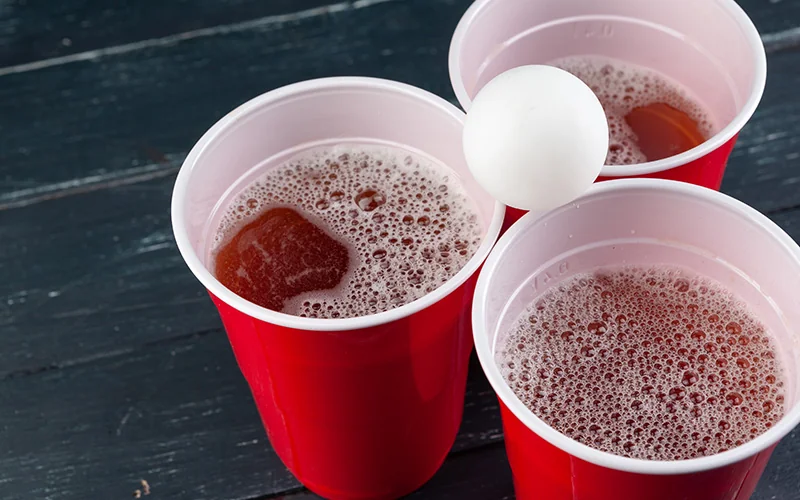
Choose wine plastic cups when you need:
-
Safer service in no-glass zones
-
Faster bar turnover
-
Lower breakage risk
-
Easy disposal and transport
-
Controlled portions for serving sparkling wine
FAQs
Do plastic cups affect the flavor of wine compared to glassware?
Yes, plastic cups can slightly affect how wine tastes.
Most disposable cups are made from polypropylene or polystyrene, which have rougher surfaces than glass. This can trap some aroma compounds, so you may notice fewer fruit or floral scents when drinking.
Plastic also warms faster in your hand. Because wine flavor depends on temperature, this can make white wine taste flatter or more acidic sooner.
Glass, by contrast, is non-porous and chemically stable, so it preserves aromas and keeps the flavor closer to the intended profile.
Can the type of cup influence the champagne tasting experience?
Yes, the cup changes how champagne feels and tastes.
Studies show that in plastic or styrofoam cups, bubbles stick to the sides and grow larger before they rise. This happens because the inner surface creates more points where carbon dioxide can gather. Larger bubbles burst differently, which changes texture on your tongue.
Champagne quality often links to smaller, more uniform bubbles. Smaller bubbles form in smooth glass because there are fewer rough spots for gas to cling to. For you, this means a finer, creamier mouthfeel and a steadier stream of bubbles.
Flute-shaped glass also narrows at the top. That design traps aroma above the wine. In practice, you notice more toast, apple, or citrus notes with each sip.
Is it considered proper etiquette to serve wine in plastic cups for formal events?
For formal events, plastic cups do not meet standard etiquette.
Traditional table service uses stemmed glassware for wine and flutes or tulip glasses for champagne. The stem keeps your hand away from the bowl, which helps control temperature and keeps fingerprints off the glass. This detail signals care and formality.
Plastic cups are common at outdoor festivals, casual parties, and large public events where breakage is a safety risk. At a black‑tie dinner, wedding reception, or corporate gala, guests expect glass. Using plastic in those settings can appear careless, even if the wine itself is high quality.