

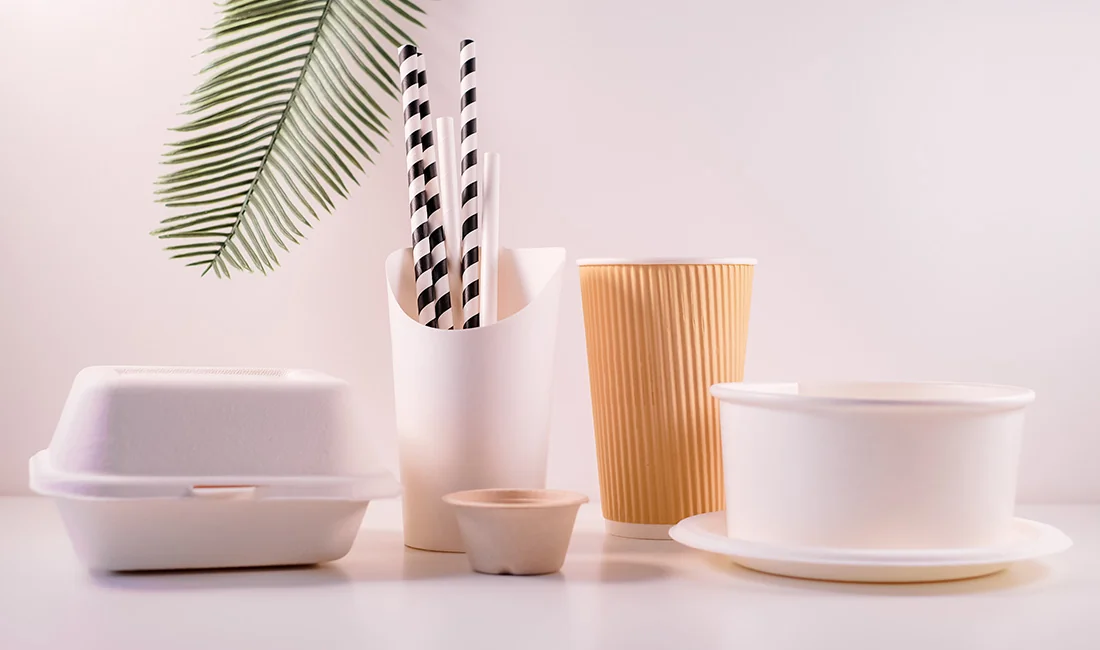
The best disposable tableware for office parties uses food‑grade, BPA‑free plates, cups, and cutlery that match your guest count and menu while keeping cleanup fast. You want sets that include dinner plates, dessert plates, cups, and utensils so the table looks consistent and no one runs short.
You will learn which essentials to buy, how materials affect strength and heat use, and how to choose sets for meetings, holidays, and team lunches. The guide also shares tips from event planners and workplace buyers who rely on food‑grade standards and real guest counts to avoid waste and last‑minute runs.
Disposable Tableware for Office Parties — What are Essentials You Need?
Office parties need disposable tableware that handles food, supports fast cleanup, and fits a professional setting. The right choices reduce mess, limit spills, and keep serving areas organized during meetings and social events.
Disposable Plates
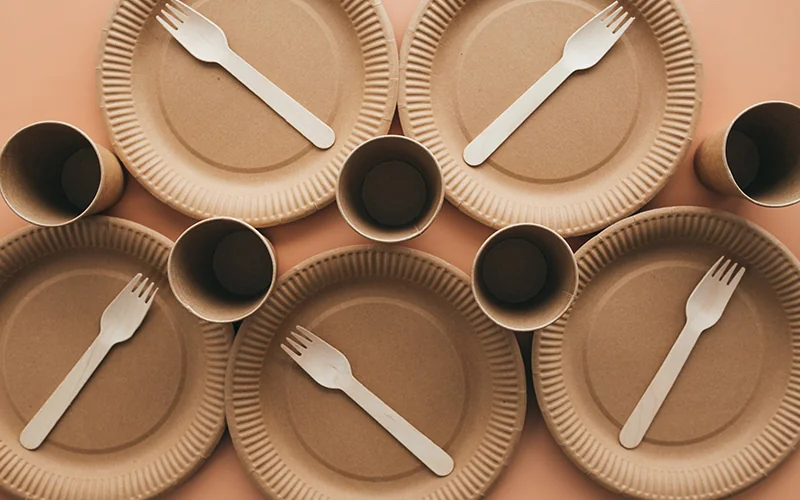
Disposable plates are single-use plates made from paper, molded fiber, or plastic. For office parties, plate strength matters because catered meals often include hot and heavy foods.
Paper plates made from pressed paper pulp work well for light meals like pastries or sandwiches. For hot foods, choose plastic plates or fiber plates with a molded rim.
Size also matters.
-
9–10 inch plates: lunch and dinner items
-
6–7 inch plates: desserts and snacks
Disposable Cups & Glasses
Disposable cups and glasses are single-use drink containers made from paper or plastic. Offices usually need options for both hot and cold drinks.
Paper cups with a wax or polyethylene lining hold coffee and tea because the lining blocks liquid absorption. For cold drinks, clear plastic cups made from PET plastic show beverage levels.
Common sizes include:
-
8–12 oz: coffee, juice, soda
-
16 oz: water or iced drinks
For you, this means faster refills and fewer spills near computers. Keep lids nearby for hot drinks during meetings.
Disposable Cutlery
Disposable cutlery, also called disposable flatware, includes forks, knives, and spoons meant for one-time use. Most office events use plastic cutlery made from polypropylene.
Polypropylene resists bending because the polymer flexes instead of snapping. In practice, this allows you to cut soft meats or salads without breaking utensils.
Choose full-weight cutlery for meals and medium-weight for snacks. Knives should have a serrated edge to cut food instead of tearing it.
Buying wrapped sets reduces handling. This lowers contact before use, which matters in shared office spaces.
Napkins & Accessories
Napkins and accessories support cleanliness and table setup. Paper napkins are the most common option for offices because they absorb spills and wipe hands.
Accessories to include:
-
Disposable tablecloth: protects tables from spills
-
Serving trays: organize shared food areas
-
Trash and recycling bags: speed up cleanup
Place napkins at food stations and drink areas. This reduces foot traffic and keeps desks cleaner during the event.
Disposable Tableware for Office Parties — What are Materials & Options?
Office parties need tableware that handles real food, limits spills, and fits your cleanup plan. Material choice affects durability, heat resistance, cost, and disposal rules, so picking the right option matters.
Plastic & Heavy-Duty Options
Plastic disposable plates are made from food-grade plastic, such as polypropylene or polystyrene. These materials resist bending because the polymer structure holds its shape under weight. For you, this means plates stay flat when holding hot meals like pasta or meat.
Plastic plates also work well with sharp cutlery. They resist cuts and cracks, which matters when serving firm foods. Cleanup stays fast because these plates stack well and do not soak through.
Best use cases
-
Hot entrées and buffet lines
-
Long meetings with plated meals
-
Events where spills must stay low
Paper & Coated Paper Tableware
Paper plates are made from pressed paper pulp. Standard versions work best for dry or light foods because the fibers absorb moisture. For you, this means sandwiches and pastries stay manageable, but greasy foods can weaken the plate.
Coated paper plates add a thin layer of wax or plastic. That coating blocks moisture because it seals the paper fibers. In practice, this allows short-term use with pizza or baked pasta.
Key limits to note
-
Coatings may affect recyclability
-
Thin plates may need doubling
-
Best for short events
Eco-Friendly & Biodegradable Tableware
Common eco options
-
Palm leaf plates
-
Bamboo plates
-
Sugarcane fiber plates
Biodegradable plates break down through natural processes. Common options include palm leaf plates and bamboo plates, both made from plant fibers. These fibers harden under heat and pressure, which improves durability without plastic.
Palm leaf plates use fallen leaves pressed into shape. The natural grain creates a rigid surface, so plates hold hot and oily foods. For you, this means fewer leaks with curry or roasted dishes.
Bamboo plates use fast-growing bamboo fibers. Bamboo’s dense structure resists bending while staying lightweight. Eco-friendly disposable plates work best when composting access exists, since some materials need commercial composting.
Disposable Tableware for Office Parties — How to Choose?
Choosing disposable tableware for an office party requires clear decisions about appearance, function, cost, and cleanup. The right choices support your brand image, handle the menu without issues, and keep the event organized from start to finish.
Match the Office Party Theme and Brand Image
Disposable tableware sets are coordinated collections of plates, cups, utensils, and napkins designed for single-use events. For office parties, these sets should reflect your company’s tone and visual standards.
If your brand uses specific colors, choose tableware that matches those tones rather than generic white. For example, matte white plates with silver rims support a formal brand image, while solid-color paper plates fit casual internal events.
Material also affects perception. Heavy-duty plastic plates made from polystyrene (PS) hold their shape under hot foods. In practice, this means fewer spills during buffet service. Paper plates with a light coating work better for snacks and desserts, not full meals.
Balance Durability, Budget, and Professional Appearance
Durability matters because office parties often involve standing, moving, and crowded tables. Thicker plastic plates, usually 1.2–1.5 mm thick, resist bending. This reduces dropped food when guests carry plates across the room.
Budget planning works best when you buy complete tableware sets instead of mixing items. A disposable dinnerware set often costs less per guest and keeps the table consistent. This also simplifies party planning because you avoid last-minute gaps.
Avoid ultra-thin paper products for main courses. While cheaper upfront, they often require double plating. That doubles usage and increases waste, which cancels out the savings.
Choose Tableware That Looks Professional on the Table
Professional appearance comes from shape, finish, and color consistency. Round plates with smooth rims stack neatly and look orderly on buffet lines. Square or patterned plates draw attention but can clash with corporate settings.
Glossy plastic plates reflect overhead lighting, which helps food look clear and clean. Matte finishes reduce glare but can appear dull under fluorescent office lights. For the user, this affects how polished the setup feels during presentations or client events.
Use matching cups and napkins. Mixed styles signal leftover party supplies rather than planned coordination. Elegant dinnerware designs, such as subtle metallic rims, add structure without looking decorative.
Consider Functional Layout and Guest Convenience
Layout affects how easily guests move through the space. Choose lightweight plates under 25 grams each so guests can hold food and drinks at the same time. This matters in offices with limited seating.
Cutlery length also matters. Plastic forks around 6.5 inches long provide better leverage for salads and pasta. Shorter forks struggle with firm foods, which slows service and creates backups at food stations.
Use pre-packaged tableware sets at each place setting for seated events. For standing events, place stacked items in the order of use to reduce bottlenecks.
Plan Quantities Based on Guest Count and Menu
Accurate counts prevent shortages and waste. Start with your guest list, then add a buffer based on the menu.
The table shows different dishes and fittable tableware numbers:
|
Menu Type |
Plates per Guest |
Utensil Sets |
|
Light snacks |
1–2 |
1 |
|
Buffet meals |
2–3 |
1–2 |
|
Desserts + drinks |
1 small plate |
1 fork |
Hot or saucy foods increase plate changes. In practice, this means you should plan extra plates for buffet-style office parties. Always add 10–15% extra to cover spills and late arrivals.
Disposable Tableware for Office Parties — Tips & Best Practices
Disposable tableware is single-use plates, cups, and utensils made to serve food and drinks without washing. You choose it to save time and control cleanup during office events.
Match the material to the menu. Hot meals need plates made from molded fiber or bagasse, which comes from sugarcane pulp. These plates resist heat and bending because the pressed plant fibers hold shape under warm food. For cold snacks, coated paper plates work because the thin lining slows moisture soak.
Check weight and thickness, not labels. A plate rated at 9–10 inches with a reinforced rim holds more food because the rim spreads the load. In practice, this means fewer spills when guests carry plates back to their desks.
Use disposable cutlery with clear specs. Choose forks and knives made from polypropylene or polystyrene plastic with a stated weight or gauge. Heavier pieces flex less, which helps when cutting firm foods like grilled chicken.
Plan cups by drink type.
-
Hot drinks: paper cups with a double wall reduce heat transfer to your hand.
-
Cold drinks: PET plastic cups stay clear and resist cracking from ice.
Keep the table consistent. A coordinated set helps guests spot items fast and keeps lines moving.
|
Item |
What to look for |
Why it helps |
|
Plates |
Bagasse or coated paper |
Handles heat and moisture |
|
Cutlery |
Stated plastic type |
Reduces bending |
|
Napkins |
2-ply paper |
Absorbs spills faster |
Order extra napkins. Office events involve movement, and more napkins reduce mess on shared surfaces.
FAQs
What type of disposable tableware is most appropriate for upscale office parties?
Compostable or rigid plastic tableware fits upscale office parties. Compostable plates made from sugarcane fiber, also called bagasse, hold firm because the pressed plant pulp forms a dense structure. For you, this means the plate keeps its shape under plated meals like pasta or roasted vegetables.
Rigid plastic plates made from polypropylene (PP) work well for formal settings. PP resists bending at temperatures up to about 212°F. In practice, this allows you to serve hot entrées without plate warping during use.
How many sets of disposable plates should be ordered for a large office event?
You should order more plates than the guest count. A common rule is 1.5 to 2 plate sets per person. For a 100-person event, order 150 to 200 sets.
This buffer covers second servings, dropped plates, and dessert courses. For you, this prevents supply gaps that disrupt food service during peak times.
If the menu includes appetizers and dessert, plan separate small plates. This avoids mixing courses and reduces congestion at serving tables.
Can disposable tableware withstand hot food without losing shape or quality?
Yes, but only certain materials handle heat well. Compostable plates made from bagasse typically withstand temperatures up to 200°F. Because the fibers are heat-pressed, the plate stays rigid with hot foods like rice, grilled meats, or casseroles.
Plastic plates made from polypropylene handle similar heat levels. In real use, this means you can serve hot food without plates softening or sagging during the meal.
Thin paper plates without coatings do not perform well with heat. They absorb moisture quickly, which leads to bending and leaks.