

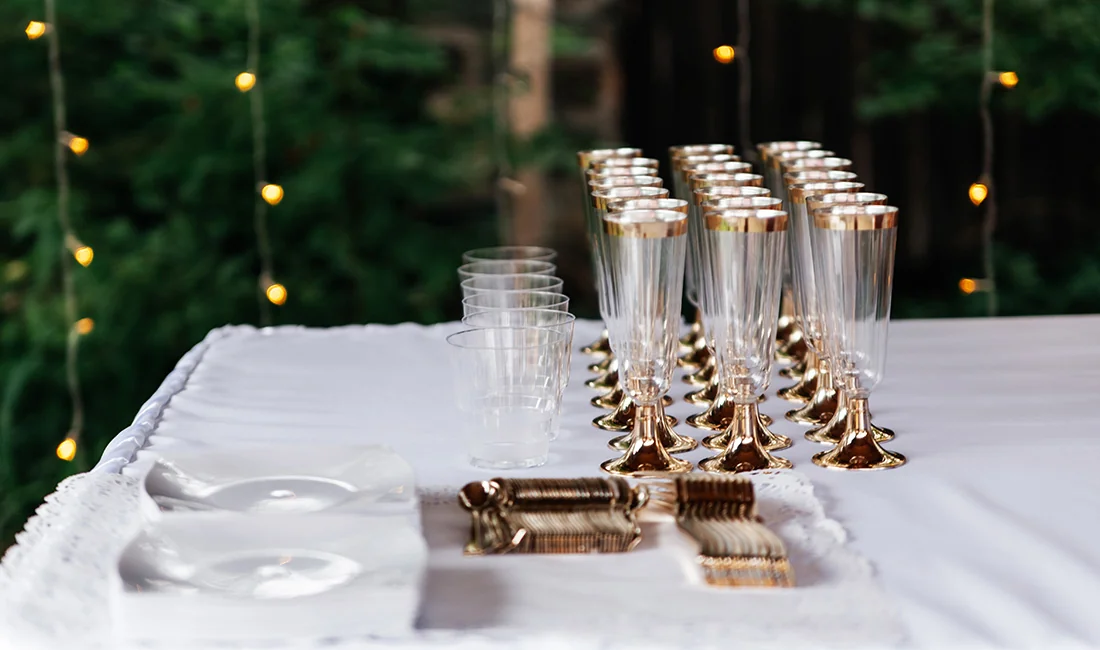
Planning a wedding often involves balancing style, budget, and the amount of cleanup required after the celebration. Modern disposable plastic glasses offer clear, durable designs that can look appropriate even on formal wedding tables. Elegant presentation and convenient cleanup no longer need to be mutually exclusive.
The best disposable plastic glasses for weddings typically feature a crystal-clear appearance, sturdy BPA-free plastic, and decorative elements such as metallic rims or modern silhouettes. These designs create an upscale atmosphere for guests while reducing concerns about broken glass. Common options include 9–12 oz champagne or wine cups as well as larger 16 oz glasses for cocktails or water.
The sections below explain why many weddings use disposable glassware, what characteristics make certain styles feel more premium, and how to choose shapes and finishes that suit different venues and décor styles. Practical advice on setup and presentation is also included to help wedding tables look polished from cocktail hour through the final toast.
Why Choose Disposable Plastic Glasses for Weddings
Disposable plastic glasses allow beverages to be served in elegant drinkware without the risk of shattered glass. They offer a balance between appearance, safety, affordability, and convenient cleanup, whether the event is a large reception or a smaller gathering.
Benefits of Disposable Drinkware at Celebrations
Weddings frequently involve large guest lists, multiple beverage stations, and extended schedules. Disposable plastic drinkware can support this scale with lower risk and lower overall cost than renting traditional glassware.
Many designs now include crystal-clear walls, metallic rims, or faceted textures that resemble traditional glass. Stemmed, stemless, and goblet-style options are available, allowing the drinkware to match a wide range of wedding themes, from formal receptions to rustic outdoor celebrations.
Key advantages include:
-
Shatter resistance, reducing risks on dance floors or outdoor patios
-
Lightweight construction, suitable for cocktail hour service and tray passing
-
BPA-free materials designed for safe beverage contact
-
Disposable or reusable durability, depending on the thickness of the plastic
Some events use fully disposable cups, while others select heavier plastic glasses that can be reused temporarily but still simplify cleanup.
Comparing Plastic Glasses to Traditional Glass
Traditional glassware provides a classic appearance but can break easily and requires careful handling. During crowded wedding receptions, accidental drops may lead to safety concerns and interruptions.
Plastic glasses do not shatter, making them particularly suitable for environments such as:
-
Outdoor lawns
-
Poolside wedding receptions
-
Venues where children are present
From a cost perspective, renting glassware may include delivery fees, pickup charges, and breakage penalties. Disposable plastic drinkware typically costs less per guest and eliminates many of these additional expenses.
Modern manufacturing has also improved clarity and weight. Many disposable wine glasses now offer a refined appearance and solid feel that more closely resembles traditional glassware.
Reducing Cleanup and Stress for Hosts
After the final toast, event cleanup begins. With traditional glassware, staff members must collect, sort, and pack each piece carefully while monitoring for potential breakage.
Disposable plastic glasses simplify this process significantly. Event staff can:
-
Collect used drinkware quickly
-
Discard or recycle materials when possible
-
Clear tables efficiently
This convenience is particularly valuable for venues with strict closing times, since hosts and staff do not need to spend additional hours managing glassware rentals.
Disposable drinkware therefore reduces labor demands while maintaining a polished table presentation.
Key Qualities of Premium Disposable Plastic Glasses
Premium disposable plastic glasses should combine elegant appearance, durability, and appropriate food safety standards. Wedding drinkware must complement formal table settings while remaining practical for large guest counts.
Material Quality and Safety
High-quality disposable glasses are typically produced from food-grade BPA-free plastics such as PET or polystyrene. These materials resist cracking and are designed for safe beverage contact.
Manufacturers usually label drinkware clearly as BPA-free and suitable for food use. Most disposable plastic glasses are designed for cold beverages, including water, soda, cocktails, wine, and champagne. PET plastic is widely used in clear party cups because it provides strong transparency and good structural strength.
Plastic thickness also affects quality. Thin plastic may feel flexible or unstable, while heavier materials maintain their shape more effectively during use.
For events focused on sustainability, recyclable materials may also be available. Some disposable cups are manufactured from recyclable PET plastic, which may help reduce waste when proper recycling facilities are available.
Crystal-Clear Appearance and Design
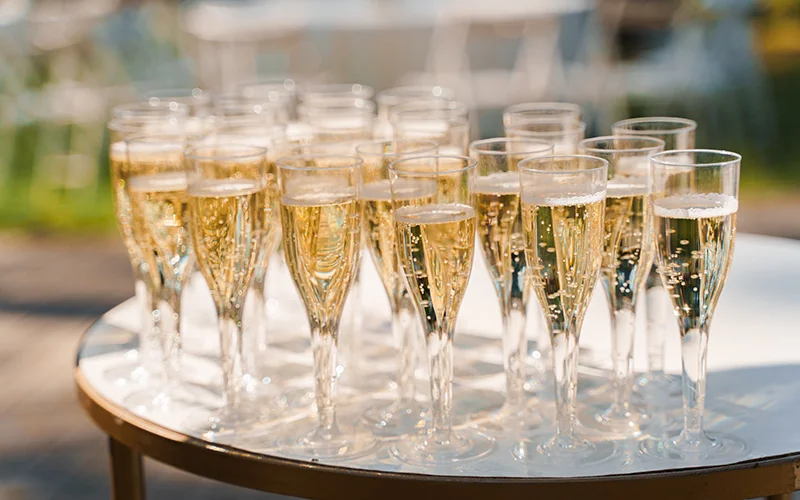
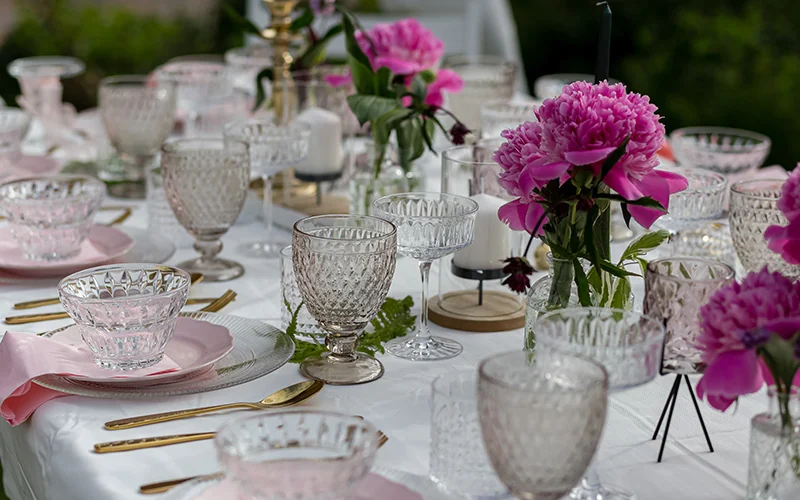
Wedding drinkware should blend naturally with table settings that include glass tableware, polished flatware, and decorative centerpieces. Premium disposable glasses therefore emphasize high transparency that resembles real glass.
Cloudy or tinted plastics can appear less refined, while clear plastic with smooth surfaces and defined rims generally looks more elegant in photographs and under venue lighting.
Design elements that contribute to a premium look may include:
-
Stemless wine glass silhouettes
-
Champagne flute shapes
-
Subtle curves in the bowl
-
Reinforced or rolled rims
Some styles also include metallic accents such as gold or silver rims to complement formal wedding décor. These details should appear evenly applied and durable.
The goal of these design features is to allow the beverage itself to remain the visual focus rather than the disposable nature of the glass.
Durability and Comfort in Hand
Disposable drinkware does not need to feel fragile. Premium wedding glasses are designed to feel stable in hand and remain balanced on table surfaces.
Common structural features include:
-
Thick plastic walls
-
Reinforced bases
-
Flat and stable bottoms
These characteristics help reduce spills during toasts and busy receptions. A solid base also prevents tipping on linen-covered tables.
Comfort is another important factor. Smooth rims provide a more pleasant drinking experience, while stemless designs often offer improved stability in crowded environments. Stemmed flutes with reinforced stems can also work well for formal champagne service.
Since guests often stand, walk, and socialize while holding beverages, durable plastic glasses help maintain safety throughout the event.
Elegant Types of Disposable Plastic Glasses for Weddings
Disposable plastic drinkware can appear refined when it features clear materials, clean lines, and subtle decorative details. Using a combination of flutes, wine glasses, cocktail glasses, and tumblers allows drink service to cover every stage of the reception.
Disposable Champagne Flutes for Toasts
Champagne flutes remain a popular choice for wedding toasts. Their tall and narrow shape helps preserve carbonation and direct aromas upward, which suits sparkling wine and champagne service.
Most disposable champagne flutes hold 5–9 ounces, which accommodates a standard toast pour.
Common options include:
-
Clear plastic champagne flutes with crystal-style textures
-
Flutes with metallic rim accents
-
Stemless champagne glasses for additional stability
Rigid BPA-free plastic materials typically provide better structural support than thinner plastics. For outdoor weddings, shatter-resistant flutes offer additional safety.
It is also useful to confirm that snap-on bases fit securely to prevent wobbling.
Plastic Wine Glasses for Dinner Service
Disposable plastic wine glasses are commonly used during the dinner portion of wedding receptions. Bowl sizes between 9 and 12 ounces allow space for a standard pour while leaving room for swirling.
Stemmed designs create a traditional appearance, while stemless options provide greater stability.
Key design considerations include:
-
Bowl shape: wider for red wine and narrower for white wine
-
Material: PET or rigid BPA-free plastic for clarity and strength
-
Rim design: rolled rims that improve comfort
Clear plastic wine glasses with subtle metallic trim often coordinate well with formal table settings.
Disposable Cocktail Glasses for Mixed Drinks
Wedding bars frequently serve signature cocktails. Disposable cocktail glasses should therefore match both the drink style and serving volume.
Common formats include:
-
12–16 oz clear cups for mixed drinks
-
Short, wide glasses for spirit-forward cocktails
-
Textured or patterned designs that resemble cut glass
A thicker base helps stabilize drinks that include ice, while straight sides allow easier stacking behind the bar area.
Hard plastic materials help prevent bending, and decorative finishes can enhance visual consistency with other drinkware used at the reception.
Tumblers for Water and Soft Drinks
Tumblers are often used for water, soda, iced tea, and juice. Typical capacities range from 12 to 16 ounces, allowing longer intervals between refills.
Straight-sided tumblers stack easily and fit comfortably on crowded tables. Clear designs integrate smoothly with other drinkware without distracting from centerpieces or table décor.
Important features include:
-
Crack resistance
-
Stable bases
-
Smooth drinking rims
For formal weddings, clear tumblers with a narrow metallic band may maintain visual consistency with other glassware styles.
How to Choose the Right Style for a Wedding
Selecting disposable plastic glasses involves matching the drinkware to the wedding theme, table settings, and beverage menu. Shape, color, and durability all contribute to the final presentation.
Matching Glass Styles to Wedding Themes
Glass shapes can influence the overall visual tone of the event.
Formal evening weddings often use plastic champagne flutes and clear plastic wine glasses that resemble traditional crystal glassware. Tall flutes align neatly on tables and suit seated dinners with coordinated toasts.
Modern or minimalist weddings often incorporate stemless wine glasses or simple cocktail cups with clean silhouettes.
Rustic or outdoor celebrations may benefit from shatter-resistant drinkware with thicker bases or lightly textured surfaces that remain stable on uneven surfaces.
Matching glass types to beverages is also practical:
-
Champagne flutes for sparkling wine toasts
-
Plastic wine glasses for red or white wine service
-
Disposable cocktail glasses for mixed drinks
Color Options and Decorative Accents
Decorative accents can help disposable glasses complement wedding color palettes. Clear plastic is often the most versatile option because it coordinates with most table linens, flowers, and lighting styles.
Metallic rim accents, especially gold or silver, add subtle detail without overwhelming the design.
Some events incorporate lightly tinted glasses in shades such as smoke gray, pale blue, or blush pink. These colors add gentle visual interest while still allowing the beverage to remain visible.
Simple accents and clean surfaces generally appear more elegant than heavily printed designs.
Balancing Elegance with Practicality
Disposable drinkware should still provide reliable durability. Many weddings select plastic wine glasses and champagne flutes made from BPA-free PET or rigid plastic to reduce the risk of bending or cracking.
Typical capacity guidelines include:
|
Glass Type |
Capacity |
Typical Use |
|
Champagne flutes |
6–9 oz |
Toasts and sparkling wine |
|
Plastic wine glasses |
9–12 oz |
Standard wine service |
|
Cocktail glasses |
12–16 oz |
Mixed drinks, water, or soda |
Outdoor weddings may require heavier drinkware because wind, grass surfaces, and guest movement increase the risk of spills.
Bulk packaging can simplify setup and provide consistent glass styles for larger guest counts. Recyclable options may also help reduce event waste.
Setup Tips and Presentation Ideas
Thoughtful setup can help disposable drinkware contribute to the overall wedding décor. Consistent spacing, coordinated placement, and small decorative touches can make plastic champagne glasses and cocktail glasses appear more intentional.
Arranging Glassware for Visual Impact
Careful placement improves table presentation. Even spacing at each place setting and consistent alignment of glasses can create a more refined appearance in both photographs and guest seating areas.
A common table arrangement may include:
-
Wine glass: positioned at the upper right of the dinner plate
-
Champagne flute: slightly behind the wine glass
-
Water or cocktail glass: placed above the knife
Maintaining consistent rim alignment also helps clear plastic glasses appear more organized and polished.
At beverage stations, glasses can be arranged in neat rows or displayed on tiered trays to add visual height.
For outdoor weddings, heavier plastic glasses should be placed slightly away from table edges to reduce the chance of wind-related spills.
Adding Custom Touches for Personalization
Personalized details can help disposable drinkware feel more distinctive. Some weddings include monograms, initials, or wedding dates on champagne flutes or cocktail glasses.
Common personalization methods include:
-
Printed monograms
-
Vinyl decals
-
Metallic rim accents
-
Color-coordinated drink stirrers
Using one or two subtle design elements typically maintains a more refined appearance than combining multiple decorative graphics.
Some events also provide signage encouraging guests to take their glasses home as keepsakes, which can reduce leftover waste after the reception.