

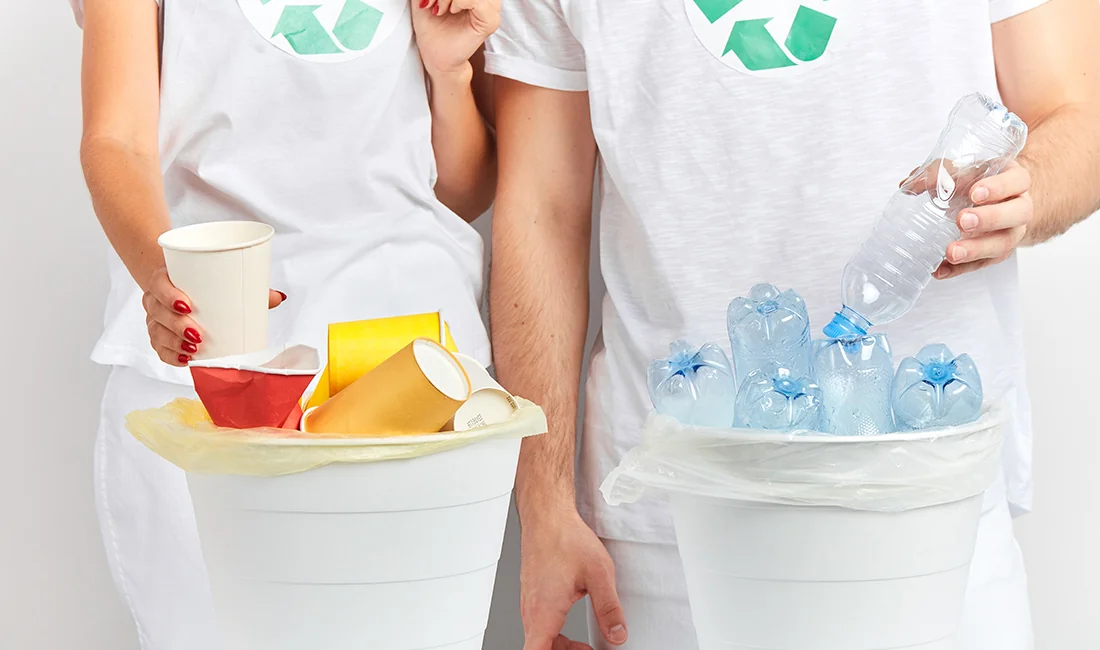
Every party ends the same way — tables covered with used plates, half-empty cups, crumpled napkins, and scattered food scraps. For most hosts, the instinct is to sweep everything into a single trash bag and call it done. But that approach sends recyclable and compostable materials straight to a landfill, wasting resources and potentially increasing disposal costs. Proper post-party waste sorting does not require expertise — it requires a basic understanding of which common party items belong in which waste stream. This guide breaks down the three main categories — recycling, compost, and general trash — and explains exactly how to handle each type of disposable tableware, food scrap, and decoration remnant that a typical event generates.
What Is Post-Party Waste Sorting?
Post-party waste sorting is the process of separating event-generated waste into distinct categories — typically recyclables, compostable organics, and general trash — to ensure each material is disposed of through the most appropriate waste stream. It applies the same principles used in household waste management but addresses the higher volume and wider variety of materials produced at gatherings.
The three streams serve different purposes. Recycling recovers materials like glass, aluminum, and certain plastics for reprocessing into new products. Composting converts organic matter — food scraps, uncoated paper — into nutrient-rich soil. General trash captures everything that cannot enter either recovery stream, routing it to a landfill or waste-to-energy facility.
Why Is Proper Waste Separation Important After a Party?
Proper waste separation after a party is important because events generate a concentrated burst of waste that, if unsorted, sends a disproportionately large amount of recoverable material to landfills in a single disposal event.
The environmental stakes are amplified at parties compared to everyday household waste. A single gathering for 30 guests can produce more disposable tableware, food scraps, and packaging in one evening than a household generates in a week. Sorting this waste correctly maximizes the percentage that gets diverted from landfills. There are practical benefits as well — some municipalities charge disposal fees by weight or volume, meaning less landfill-bound trash translates directly into lower costs. Contamination is another critical concern. When food-soiled items are mixed into a recycling bin, the entire batch may be rejected by the processing facility and rerouted to a landfill. One carelessly tossed greasy plate can compromise an entire bin of otherwise clean recyclables.
What Types of Waste Are Typically Generated at Parties?
Party waste typically falls into five main categories: plastic tableware, paper products, food scraps, glass and aluminum containers, and decorations made from mixed materials. Understanding these categories is the first step toward sorting them correctly.
Plastic tableware includes plates, cups, wine glasses, and champagne flutes — all common at both casual and formal events. Paper products include napkins, paper tablecloths, and gift wrap. Food scraps encompass leftover meals, fruit peels, bones, and plate scrapings. Glass and aluminum — wine bottles, beer cans, soda cans, aluminum foil trays — form a separate and highly recyclable category. Finally, decorations such as balloons, ribbons, candle wax, and metallic foil confetti are typically made from mixed or non-recyclable materials. The greatest sorting challenge arises when these categories overlap — a plastic plate covered in food residue, for example, may seem recyclable but could require a different bin depending on the level of contamination and local facility guidelines.
Which Party Items Belong in the Recycling Bin?
Clean glass bottles, empty aluminum cans, and certain uncontaminated rigid plastics are the most reliably recyclable items found at a typical party. However, the recyclability of plastic tableware varies significantly by region and material type.
How Should Plastic Plates and Cups Be Handled for Recycling?
Plastic plates and cups should be checked for recycling symbols and cross-referenced with local recycling guidelines before being placed in a recycling bin, because acceptance varies widely between municipalities. Many curbside recycling programs do not accept disposable plastic tableware — even items stamped with a recycling number — due to low material value and difficulties in the mechanical sorting process. Where local programs do accept rigid plastics such as polypropylene (PP) or polystyrene (PS), items must be emptied of all liquids and wiped free of heavy food residue before recycling. A light rinse is sufficient; perfection is not required. If local rules are unclear, the safest approach is to place plastic tableware in general trash rather than risk contaminating an entire recycling load.
Are Glass Bottles and Aluminum Cans the Easiest Party Items to Recycle?
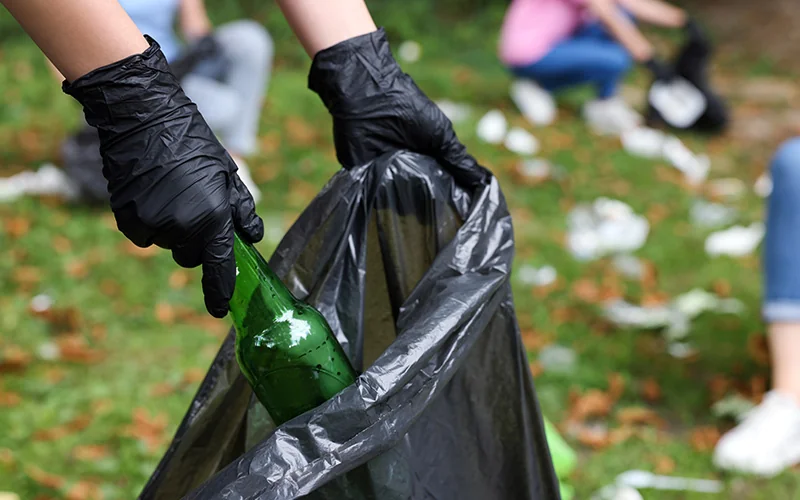
Glass bottles and aluminum cans are the most universally accepted recyclable items at any party and should always be separated from other waste. Nearly all municipal recycling programs accept both materials regardless of region. Empty wine bottles, beer bottles, and soda or sparkling water cans should be rinsed briefly, with caps removed where local rules require it, and placed directly into the recycling bin. Aluminum foil trays used for serving can also be recycled if they are relatively clean and free of heavy food buildup. These items represent the highest-value recyclable materials at most events and should be prioritized in any sorting effort.
Which Party Items Belong in the Compost Bin?
Food scraps, fruit and vegetable peels, and uncoated paper products that have been soiled by food are the primary compostable items generated at parties. The key distinction for paper products is whether they carry a plastic coating.
Can Used Paper Napkins Be Composted After a Party?
Used paper napkins that are soiled with food, grease, or liquid can typically be composted — provided they are made from uncoated paper without a plastic or polyethylene lining. Food contamination actually makes these napkins better suited for composting than recycling, since food residue disqualifies most paper products from the recycling stream. However, napkins with a shiny or plastic-coated surface should be placed in general trash, as the synthetic layer does not break down in composting environments. When uncertain about the coating, tearing the napkin can help — uncoated paper tears cleanly into fibrous edges, while coated paper resists tearing or reveals a thin film layer.
What Food Scraps From Parties Are Compostable?
Fruit and vegetable scraps, bread, rice, pasta, coffee grounds, tea bags, and eggshells are all compostable food waste commonly found at parties. These plant-based and cooked food remnants break down effectively in both home and commercial composting systems. Meat, dairy, and oily foods present a more nuanced situation — home compost piles generally cannot process these items efficiently due to odor, pest attraction, and slow decomposition, but commercial composting facilities equipped with high-temperature processing can handle them. Hosts should check whether their local composting service accepts animal-based food waste before adding it to the compost bin. Untouched leftover food that is still in good condition should ideally be packaged for guests to take home or donated to a local food bank rather than composted — reducing waste at the source is always preferable to processing it after the fact.
Which Party Items Should Go Into General Trash?
Heavily contaminated items that cannot be cleaned, mixed-material decorations, candle wax, and any recyclable or compostable item whose category is uncertain should all go into general trash. When in doubt, landfill-bound trash is the safer choice over risking contamination of recycling or compost streams.
Why Do Contaminated Recyclables End Up as Trash?
Contaminated recyclables end up as trash because recycling facilities operate within contamination thresholds — when food residue, grease, or liquids are deeply embedded in a material, the processing equipment cannot separate or clean them effectively. A single heavily soiled item placed in a recycling bin can contaminate surrounding clean materials, potentially causing the entire load to be rejected and sent to a landfill. This phenomenon, commonly called “wishful recycling,” is one of the most frequent and costly mistakes in waste management. Hosts should apply a simple rule: if a plastic plate, cup, or container is heavily coated with food that cannot be removed with a quick wipe, it belongs in the trash — not the recycling bin.
How Should Candle Wax and Decoration Remnants Be Disposed Of?
Candle wax, balloons, ribbons, metallic confetti, and mixed-material gift wrap should all be placed in general trash, as none of these items are accepted in standard recycling or composting programs. Wax is neither recyclable nor compostable and should be scraped out of its holder before disposal. If the candle was held in a glass container, the glass itself can be cleaned and recycled separately — but only after all wax residue has been removed. Plastic-coated ribbons, foil balloons, and glitter-infused decorations contain mixed materials that cannot be separated by recycling facilities and must go to landfill.
What Are the Advantages and Disadvantages of Sorting Party Waste?
Sorting party waste provides clear environmental and financial benefits but also involves practical challenges that hosts should plan for in advance.
What Are the Main Benefits of Sorting Waste After Events?
The primary benefit of sorting waste after events is a measurable reduction in the volume of material sent to landfills, directly supported by higher recovery rates for recyclable and compostable items. Proper sorting also reduces the risk of contamination-based rejection at recycling facilities, ensures compliance with local waste ordinances that increasingly mandate event waste diversion, and can lower disposal costs in regions that charge by trash volume or weight. For hosts who entertain frequently, establishing a consistent sorting routine also sets a visible example for guests and normalizes waste-conscious behavior at social gatherings.
What Challenges Make Post-Party Waste Sorting Difficult?
The primary challenge of post-party waste sorting is guest non-compliance — most attendees default to discarding all items into the nearest bin without checking categories. Food contamination blurs the line between recyclable and trash, making split-second decisions difficult even for well-intentioned sorters. Hosts are also typically fatigued by the end of an event, reducing motivation for careful sorting. Additionally, recycling and composting infrastructure varies dramatically by region, meaning the “correct” sorting category for a given item in one city may differ entirely from another.
How Should Hosts Set Up Waste Sorting Stations Before a Party?
Setting up clearly labeled, strategically positioned three-bin sorting stations before an event begins is the single most effective strategy for improving guest compliance and overall waste diversion rates.
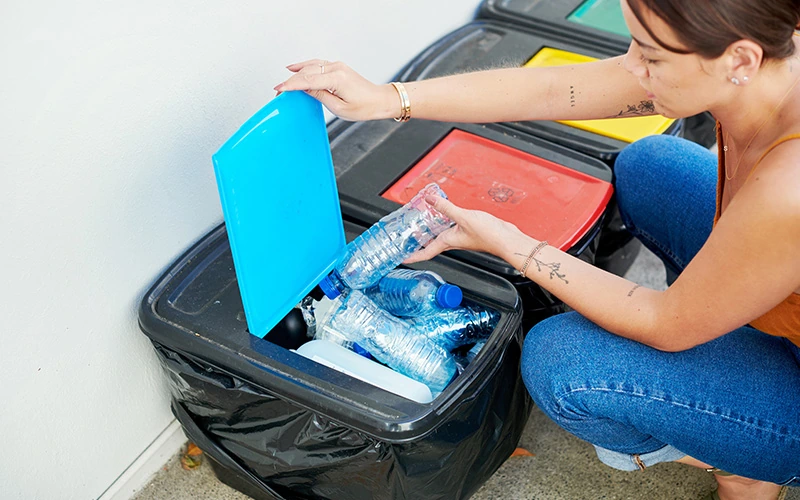
Each station should include three bins designated for recycling, compost, and trash, marked with both text labels and visual examples of items accepted in each bin — such as “Clean Bottles & Cans,” “Food Scraps & Uncoated Napkins,” and “Everything Else.” Color coding using the widely recognized North American standard — blue for recycling, green for compost, black for trash — reinforces correct sorting through visual association. Bin arrangement matters as well. Placing the compost bin first in line encourages guests to scrape food waste off plates before moving to the trash or recycling bin, which naturally reduces contamination. A small sign reminding guests to pour out remaining liquids before discarding cups prevents the most common source of recycling-bin contamination.
Station placement should prioritize high-traffic areas — directly adjacent to food serving tables, near beverage stations, and at exit points. Providing at least two stations at larger events reduces walking distance and increases the likelihood that guests will sort rather than toss items into the nearest available receptacle. At events exceeding 30 or 40 guests, assigning a volunteer to monitor the stations during peak disposal times — such as immediately after the main meal — can dramatically improve sorting accuracy.
FAQs
Does plastic party tableware always go in the recycling bin?
Not necessarily. Many municipal curbside recycling programs do not accept disposable plastic plates, cups, or cutlery, even when these items carry a recycling symbol. Acceptance depends on the plastic type, local processing capabilities, and contamination levels. Hosts should consult their local waste hauler’s guidelines before assuming any plastic tableware is recyclable in their area.
What is the single biggest mistake hosts make when sorting party waste?
The most common mistake is “wishful recycling” — placing uncertain or food-contaminated items into the recycling bin hoping they will be processed. This practice often contaminates entire loads of otherwise clean recyclables, causing them to be rejected and rerouted to a landfill. A safer default is to place questionable items in general trash.
Should food be scraped off plates before disposal?
Scraping food scraps into a compost bin before disposing of the plate itself is the most effective single action for improving post-party sorting accuracy. Separating food from its container ensures the organic material reaches the compost stream while giving the plate the best chance of being properly categorized as recyclable or trash based on its material and contamination level.