

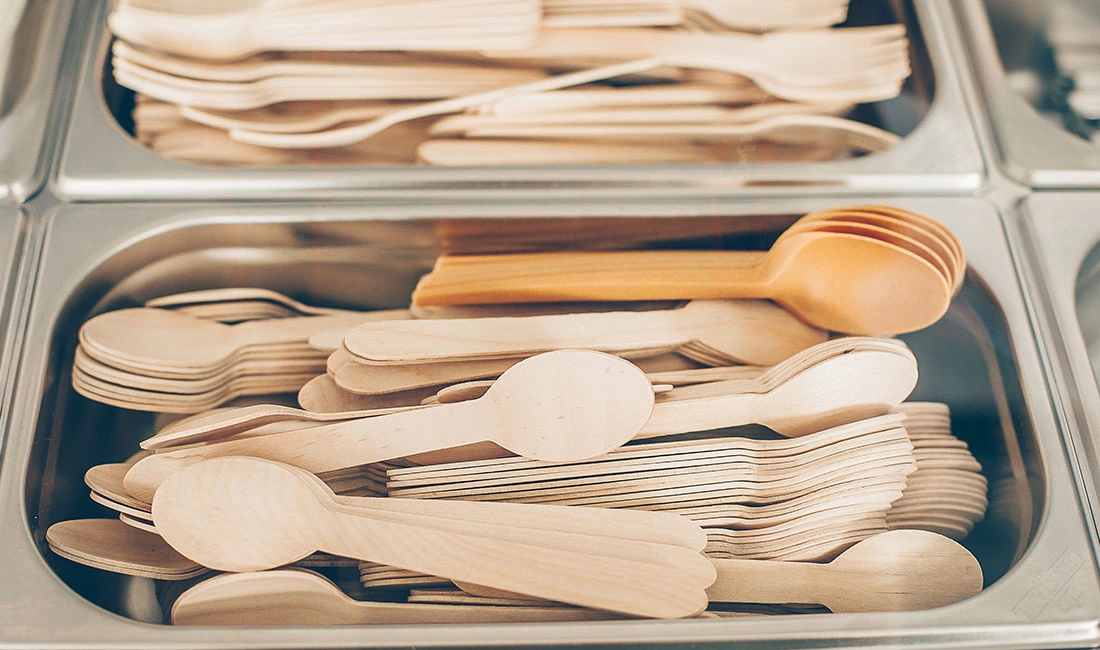
You want food service to run smooth, clean, and fast. The right disposable serving utensils help you control portions, reduce mess, and keep guests moving through the line.
When you choose the right tongs, ladles, and spoons, you improve speed, hygiene, and presentation at buffets and family-style meals.
This guide shows you how each utensil fits a specific job, from gripping salads to serving soups and sauces. You’ll see what sizes and shapes work best for shared meals and high-traffic tables. Smart utensil choices cut down on waste and make cleanup less of a headache.
You’ll also find tips on pairing utensils, placing them for easy reach, and handling them safely. Setting up a serving station that looks clean and works well? It’s easier than you might think.
Overview of Disposable Serving Utensils
Disposable serving utensils make serving food clean, simple, and organized. You can match the utensil type and material to the food, the setting, and your cleanup needs. These tools work well for buffets, family-style meals, and big gatherings where speed and hygiene matter.
Benefits of Disposable Serving Utensils
Disposable serving utensils cut down on cleanup time and labor. You don’t have to wash, dry, or store bulky tools after service.
This becomes a lifesaver when you’re hosting lots of dishes or have a small staff. Hygiene gets a boost, too.
Guests use shared serving utensils instead of their own cutlery, which lowers the risk of cross-contact. Hospitals, schools, and catered events rely on this setup.
Cost control is another plus. You can buy serving utensils in bulk and plan exact quantities.
Reusable items often get lost or damaged, but disposables take that worry off your plate.
Key benefits include:
● Faster cleanup after service
● Better food safety in shared settings
● Easy transport and storage
● Consistent look across the table or buffet
Types of Disposable Materials
You can choose from several materials based on strength, heat, and disposal needs. Each option fits a different type of service.
| Material | Best Use | Key Traits |
|---|---|---|
| Plastic (PP, PS) | Hot or cold foods | Strong, low cost, widely available |
| Compostable (PLA, CPLA) | Eco-focused events | Plant-based, industrial composting |
| Biodegradable fibers | Light foods | Breaks down over time |
| Wood or bamboo | Upscale displays | Sturdy, natural look |
Plastic makes sense for ladles and tongs that need to handle heat. Bamboo and wood look great on open tables and add a natural touch.
When to Choose Disposable Options
Pick disposable serving utensils when you need speed and control. Buffets, potlucks, and family-style meals all benefit from quick setup and fast turnover. Outdoor events are a good fit, too. You don’t have to haul heavy tools, and you cut down on loss risk. Wind, dirt, and no running water? Disposables just make sense.
When hygiene rules get strict, single-use tools are a must. Healthcare, schools, and big public events count on them to limit contact. Disposables also let you match short-term themes. You can pick colors and styles without worrying about storage later.
Selecting Tongs for Buffets and Family-Style Meals
Tongs help guests serve food cleanly and with control. The right choice depends on material, size, and how people will use them in a shared setting.
Different Types of Disposable Tongs
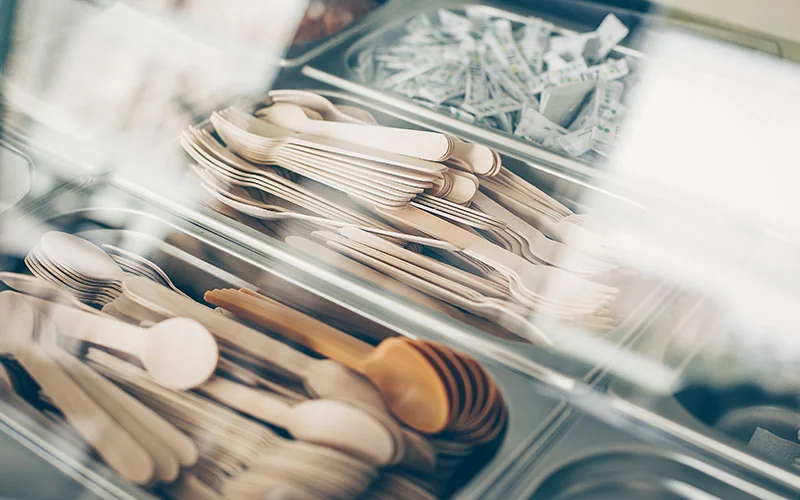
Disposable tongs come in plastic, wood, and bamboo options. Plastic tongs are great for cold or warm foods and cost less for big events.
Most handle light heat, but skip them for hot grilling trays. Wood and bamboo tongs suit eco‑focused events and feel sturdy, but they absorb moisture and work best with dry foods.
You’ll often see them at salad bars or bread stations.Some buffets mix disposable tongs with reusable 18/8 stainless steel tongs.
Stainless steel lasts longer and stands up to heat, but you have to wash them between uses. Disposable types win when you want speed, low cost, and easy cleanup.
| Material | Best For | Key Limits |
|---|---|---|
| Plastic | Cold or warm foods | Limited heat use |
| Bamboo/Wood | Dry foods, eco events | Absorbs moisture |
| 18/8 stainless steel | Hot foods, long events | Not disposable |
Best Uses for Tongs in Self-Serve Settings
Place tongs anywhere guests need to grab solid food. Think salads, pasta, bread, fruit, desserts, and grilled items.
Tongs cut down on hand contact and help with portions. At salad bars, narrow tips grab greens without crushing them.
For baked goods, wider tips support heavier items like rolls or pastries. Clear or black plastic tongs stand out so guests can spot them fast.
Assign one tong per dish. This stops cross‑contact and keeps flavors separate.
When food turns over quickly, disposable tongs let you swap tools often without slowing things down.
Choosing Between Sizes and Styles
Size matters for comfort and control. 7‑inch tongs fit small trays and tight buffet lines.
9‑ to 12‑inch tongs keep hands farther from food and work better for big platters. Style counts, too.
Scalloped edges grip food better than flat tips. Smooth tips are good for soft foods like cake or fruit.
Spring tension should feel light, so anyone can use the tong with ease. Match tong size and style to the food type for a smoother flow and neater serving.
Choosing Ladles: Essential for Soups, Sauces, and More
A ladle lets you serve liquids with control in a busy setting. The right shape, size, and material help you serve hot foods safely and keep portions even.
Spills at the table or buffet? The right ladle helps prevent them.
Types of Ladles and Their Functions
You’ll see several ladle types for specific tasks. Soup ladles have deep bowls for thin liquids like broth or chowder.
They work well at self-serve stations with steady traffic. Sauce and gravy ladles are smaller and lighter, helping you add just enough without flooding a plate.
Some come with a pouring spout to guide the flow. Disposable ladles usually use plastic or heat-safe materials. Pick ladles labeled for hot foods to avoid bending or softening. For nonstick pots, smooth-edged ladles prevent damage.
| Ladle Type | Best Use | Key Feature |
|---|---|---|
| Soup ladle | Soups, stews | Deep bowl |
| Sauce ladle | Gravy, dressings | Smaller capacity |
| Disposable ladle | Buffets, events | Single-use, heat-rated |
Proper Uses for Ladles in a Buffet
Assign one ladle per dish to avoid cross-contact. Place the ladle bowl fully inside the container to keep handles clean and safe to touch.
For hot items, pick a ladle with a long handle. This keeps your hand away from steam and hot surfaces.
Rest the ladle on a built-in hook or a small plate to limit drips.Use ladles for foods that flow or settle, like chili, curry, or punch.
Skip ladles for thick foods with big chunks—it just causes spills and uneven servings. Clear labels near each dish help guests use the ladle right and move faster down the line.
Portion Control Tips
Portion control starts with ladle size. Most ladles hold 4, 6, or 8 ounces, which helps you plan servings and food costs.
If you want even portions, match the ladle size to the serving sign. For example, an 8‑ounce ladle fits a one-cup soup serving.
Teach staff or family helpers to fill the ladle once—not halfway or heaping. Consistent scoops mean less waste and better balanced plates.
For sauces, use a smaller ladle or limit refills. That keeps flavors balanced and prevents soggy food.
Serving Spoons and Slotted Spoons: Versatile Buffet Tools
Serving spoons and slotted spoons handle most buffet and family-style tasks. You use them to portion food, manage liquids, and keep the line moving.
The right choice speeds things up, cuts down on mess, and supports safe food handling.
Key Differences Between Serving Spoons and Slotted Spoons
A serving spoon has a solid bowl. It holds sauces, gravies, and foods with moisture. You reach for it when you want liquid to stay with the food. A slotted spoon has holes or slots in the bowl, letting liquid drain back into the pan. Use it when food sits in broth, oil, or water.
| Feature | Serving Spoon | Slotted Spoon |
|---|---|---|
| Bowl design | Solid | Slotted |
| Liquid control | Keeps liquid | Drains liquid |
| Best use | Sauced or soft foods | Foods in liquid |
Both tools often come in disposable plastic sets and reusable metal sets. Length and handle grip matter, especially for self-serve settings.
Matching Spoons to Dish Types
Choose serving spoons for foods like mashed potatoes, rice, pasta, and fruit salad. These need full support to avoid spills.
A deeper bowl helps you serve even portions. Use slotted spoons for items like steamed vegetables, beans, or poached foods.
The slots drain extra liquid, so plates don’t get soggy. This matters on buffet lines with stacked plates.
For mixed dishes, match the spoon to the main texture. If liquid defines the dish, use a serving spoon.
If liquid just surrounds the food, go with slotted spoons. Keep one spoon per dish to prevent cross-contact.
Handling Hot Foods Safely
Hot foods call for tools that protect hands. Pick serving spoons and slotted spoons with long handles to keep hands away from steam and splatter.
This helps during soup, stew, and sauce service. Disposable plastic spoons should list heat resistance.
Thin plastic can bend or soften with hot food. Look for thicker designs made for buffets and catering.
Place spoons on heat-safe rests or trays. Don’t lay them flat in hot pans.
Swap out any spoon that warps or cracks. Clean handling keeps service smooth and helps avoid burns.
Utensil Combinations for Efficient Table Service
When you match disposable serving utensils to the food and serving style, you speed things up and reduce mess. Smart pairings help guests serve themselves easily and keep lines moving. Clear choices also support food safety and portion control. It’s a small detail, but it makes a big difference.
Pairing Utensils for Multi-Dish Serving
It just works better when you match the right utensil to each dish. Use tongs for things people grab, like rolls, grilled veggies, or sliced fruit.
Serving spoons belong with casseroles, rice, and mixed salads. For soups, sauces, and stews, reach for a ladle.
Mixing up utensil types on the same table honestly makes sense if your dishes vary a lot. Put each utensil right next to its dish—no one wants to guess or grab the wrong tool.
● Protein platters: tongs + carving fork
● Salad stations: tongs + large serving spoon
● Sauce stations: ladle + drip tray
Disposable sets in matching colors or finishes help guests spot what they need quickly.
Adapting to Dish Variety
Change up utensil size and shape depending on the food. Thick foods like stews need wide, deep spoons.
For thin liquids, ladles with a pour lip help prevent spills. Buffets usually combine hot and cold foods, so make sure you use heat-safe plastic for hot stuff and lighter utensils for cold sides.
For family-style meals, longer handles let people reach shared bowls without getting too close to the food.
Here’s a quick reference:
| Dish Type | Best Utensil | Key Feature |
|---|---|---|
| Soup | Ladle | Deep bowl |
| Pasta | Serving spoon | Wide head |
| Salad | Tongs | Firm grip |
Strategies for Avoiding Cross-Contamination
Every dish should get its own serving utensil. Don’t let guests share tongs or spoons between dishes, even if the foods seem similar.
This really matters for allergens, raw foods, and sauces. Rest utensil handles outside the food, not in it.
Use holders or trays so the tips don’t touch the table. If someone drops or soils a utensil, replace it immediately.
Clear labels help a lot. A small sign with the dish and utensil cuts down on mix-ups.
At busy events, keep spare disposable utensils handy so staff can swap them out fast.
Specialty Disposable Serving Utensils: For Desserts, Bread, and More
Specialty disposable serving utensils make serving specific foods cleaner and more controlled. They cut down on mess, protect food shape, and make self-serve stations less of a headache.
Cake Servers and Pie Servers
A cake server or pie server helps you get neat slices without much hassle. The wide, flat blade supports soft cakes or layered desserts, so pieces don’t fall apart.
Most disposable cake and pie servers use rigid plastic, which doesn’t bend easily when you lift a heavy slice. Some have a serrated edge, handy for cutting through crusts and dense fillings.
You’ll find clear, black, or silver-tone finishes to fit your table. Sizes usually run 9 to 11 inches—good for standard cakes and pies.
Use a separate server for each dessert to avoid cross-contact. At buffets, rest the server flat on a plate or tray so handles stay clean.
Bread and Pastry Serving Tools
Bread and pastries need tools that keep their texture intact. Disposable bread knives, pastry servers, and small tongs do the trick.
Plastic bread knives often have a light serration, making it easier to slice rolls or loaves without crushing them. For pre-cut items, pastry servers or spatulas help you lift pieces without touching the food.
Tongs work well for croissants, muffins, and danishes. Go for ones with a sturdy hinge and textured tips to keep things from slipping.
Common tools and uses:
| Tool | Best Use |
|---|---|
| Bread knife | Sliced loaves, baguettes |
| Pastry server | Danishes, turnovers |
| Small tongs | Rolls, muffins |
When to Choose Specialty Utensils
Go for specialty utensils when shape and presentation really matter. Desserts, baked goods, and delicate foods benefit most.
Self-serve events make the right tool even more important. Guests serve themselves faster and make less mess if utensils fit the food.
Disposable specialty tools also help with hygiene. You can swap them out often with zero cleanup stress.
If you’re hosting a buffet with mixed foods, pair standard serving spoons with cake servers, pie servers, and pastry tools. That keeps each station running smoothly.
Presentation, Placement, and Hygiene Best Practices
How you place utensils, keep them clean, and guide guests really shapes food safety and comfort. Little things—like handle direction, spacing, and swapping out utensils—cut down on risk and keep things moving.
Proper Placement of Utensils at Buffets
Put one utensil with each dish so guests don’t mix things up. Match utensil to food: tongs for solid items, ladles for soups or sauces, large spoons for sides.
Keep handles out of the food at all times. Rest utensils on clean holders or trays between uses.
Angle handles toward guests so they don’t have to reach over food.
Here’s a quick placement guide:
| Food Type | Best Utensil | Placement Tip |
|---|---|---|
| Salads | Tongs | Handle up, bowl-side down |
| Soups | Ladle | Rest on saucer |
| Rice | Serving spoon | Handle extended |
Give dishes enough space to avoid crowding and accidental spills.
Maintaining Cleanliness During Service
Start with clean, unused utensils on a sanitized surface. Replace disposable utensils often, especially if things get busy.
If a utensil falls, swap it out right away. Keep extras close so staff can grab replacements fast.
Don’t put unwrapped utensils straight on tables. Store them in containers with handles facing up so people only touch what they need.
During service, check utensils on a schedule—maybe every hour. Watch for food buildup, dropped handles, or guests using things the wrong way.
Offer single-use tasting spoons for samples to keep hands out of shared food. Clean habits really do protect food and build trust.
Tips for Smooth Guest Experience
Let guests help themselves without second-guessing what goes where. Put up clear signs so everyone knows which utensil goes with each dish.
Stick with the same utensil style all the way down the line. It just looks better and keeps things simple.
Set utensils close enough to grab, but not right up against hot pans. Nobody wants to burn their hand just trying to scoop potatoes.
For family-style setups, drop serving utensils on a shared plate right in the middle of the table. That way, everyone can reach what they need.
Some things that actually help:
● Keep extra utensils stashed behind the line, just in case
● Pick utensil colors that stand out so people spot them fast
● Go for sturdy disposables—nobody likes a flimsy spoon that folds under pressure
If guests can move around without fuss, the line moves quicker and food stays safer. Makes for a better meal all around, honestly.