

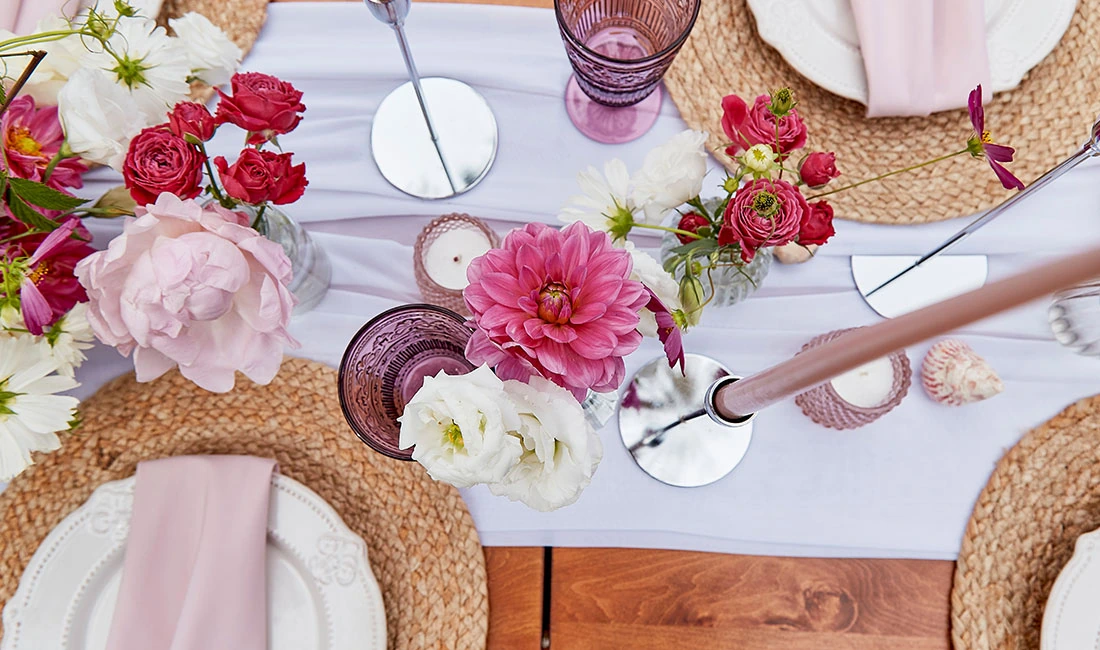
You want a table that feels pulled together, not forced. When tableware and centerpieces work as a unit, the whole space looks calm and intentional.
The key isn’t buying more pieces. It’s figuring out how to use what you already have.
You match tableware with centerpieces by choosing a clear theme or color range, letting one element lead, and using the other to support it without competing. This system works for casual meals, holidays, and special events.
This guide will show you how to balance patterns, colors, and textures—even with mixed or mismatched pieces. You’ll learn how to build strong place settings, pick centerpieces that fit the table, and add final layers that tie everything together.
Core Principles of Tableware and Centerpiece Coordination
Strong table settings rely on clear choices. You match tableware and centerpieces by controlling color, scale, and visual weight.
When these elements work together, your tablescape looks planned and calm, not crowded or random.
Understanding Tableware Basics
Tableware forms the base of your table setting. It includes plates, bowls, glassware, and flatware.
These items set the tone before you add any decor. Start with color and finish.
Neutral plates give you more freedom with centerpieces. Patterned or bold tableware needs simpler decor to avoid clutter.
Pay attention to scale and shape. Large plates work best with low or compact centerpieces.
Thin glassware pairs nicely with lighter designs, like greenery or candles. Use this simple guide when choosing tableware:
| Tableware Feature | What It Controls |
|---|---|
| Color | Mood and contrast |
| Shape | Formal or casual feel |
| Finish | Light reflection and texture |
Keep tableware consistent across the table. This consistency lets centerpieces stand out without fighting for attention.
The Role of Centerpieces in Table Styling
Centerpieces guide the eye and set focus. They support the theme and mood of your table settings without blocking views or movement.
Pick a centerpiece that fits the table size and use. Dining tables need lower designs so guests can see each other.
Decorative tables can handle taller pieces. Match the centerpiece to your tableware style.
Clean plates work well with simple flowers or candles. Rustic dishes feel right with natural textures like wood or linen.
Centerpieces should enhance, not dominate. If guests have to move it to eat or talk, it’s too big.
Common centerpiece types include:
-
Florals for softness and color
-
Candles for warmth and balance
-
Objects like bowls or vases for structure
Elements of a Balanced Tablescape
A balanced tablescape uses proportion, spacing, and repetition. Each part has room to breathe.
Keep visual weight even. If your centerpiece is bold, use lighter tableware.
If plates have strong patterns, go with simpler centerpieces. Use spacing with intent.
Leave clear areas between place settings and decor. Crowded tables feel stressful and hard to use.
Repeat key elements to create flow. Match a color from the centerpiece with napkins or glassware.
This link helps the whole table feel connected. Focus on these core elements:
-
Proportion between tableware and centerpieces
-
Clear space for dining
-
Repeated colors or materials
Choosing a Theme or Color Palette
A clear theme and color palette guide every styling choice at the table. When you define these early, you can mix and match tableware and centerpieces with purpose instead of guessing.
Selecting a Unifying Theme
Start with one clear theme that fits your space and the reason you’re hosting. Common themes include modern, rustic, coastal, vintage, or seasonal.
Your theme should guide shapes, materials, and finishes. When mixing and matching tableware, look for one shared trait.
This could be material, shape, or finish. For example, different plate designs still feel connected when they share a matte surface or soft curves.
Centerpieces should support the theme, not compete with it. A wooden table pairs well with greenery or simple ceramics.
A modern table works best with clean lines and glass or metal accents. Keep the theme simple. One strong idea creates a calm and balanced table.
Building a Cohesive Color Story
Pick a small color range and stick to it. A good rule is one base color, one supporting color, and one accent.
This keeps the table from looking busy. Use the base color on large items like plates or linens.
Add the supporting color through bowls, napkins, or chargers. Use the accent color in the centerpiece or small details.
Example color plans:
| Base | Support | Accent |
|---|---|---|
| White | Soft gray | Green |
| Navy | Cream | Gold |
| Beige | Terracotta | Olive |
When you mix and match tableware, repeat colors across pieces. This repetition ties different styles together and makes the centerpiece feel like part of the set.
Adapting Styles for Different Occasions
Adjust your theme and colors based on the type of gathering. Formal events benefit from fewer colors and simple centerpieces.
Casual meals allow more freedom and texture. For everyday use, relaxed mixing and matching tableware works well.
Try neutral plates with colorful glasses and a low, practical centerpiece like fruit or candles. For special events, tighten the palette and raise the level of detail.
Use matching tones between dishes and centerpiece elements, such as flowers that echo napkin colors. Season matters, too.
Warm tones suit fall and winter, while lighter colors fit spring and summer. Let the occasion shape your choices, not complicate them.
Mixing and Matching Tableware Like a Pro
You create a polished table by choosing clear anchors and repeating them across your place settings. Focus on balance, contrast, and scale so each piece feels intentional and supports the centerpiece without competing with it.
Combining Patterns and Textures
Start with one strong pattern and keep the rest simple. For example, use patterned dinner plates with solid salad plates, or the reverse.
This keeps the table from feeling busy. Mixing textures adds depth even when colors stay neutral.
Pair smooth porcelain with stoneware, linen napkins, or lightly hammered cutlery. These shifts feel rich without adding clutter.
Use this rule to stay balanced:
-
One bold pattern per place setting
-
Two to three textures total
-
One shared color across all pieces
Repeat the same texture or color near the centerpiece. This ties the tableware and centerpiece into one clear look.
Layering Plates and Chargers
Layering plates adds structure and makes each setting feel complete. Begin with chargers as the base.
Choose chargers that contrast in color or texture—think woven, wood, or matte metal. Place dinner plates on top, then add salad plates if needed.
Keep sizes consistent so stacks look neat and centered. A reliable layering order looks like this:
| Layer | Purpose |
|---|---|
| Charger | Frames the setting |
| Dinner plate | Main focus |
| Salad plate | Adds height and detail |
Match charger color to the centerpiece base or tray. This creates a visual link across the table.
Pairing Glassware and Cutlery
Pick glassware shapes that fit the mood of the table. Tall, clear glasses feel clean and modern.
Rounded or tinted glassware feels warmer and works well with floral centerpieces. Limit glass styles to avoid clutter.
Use one water glass and one wine glass at most. Keep finishes consistent.
Cutlery should feel neutral and supportive. Brushed stainless, champagne, or black finishes work well when repeated at every setting.
Follow these pairing tips:
-
Match cutlery finish to charger or vase accents
-
Keep glass height below centerpiece blooms
-
Use the same cutlery style across the table
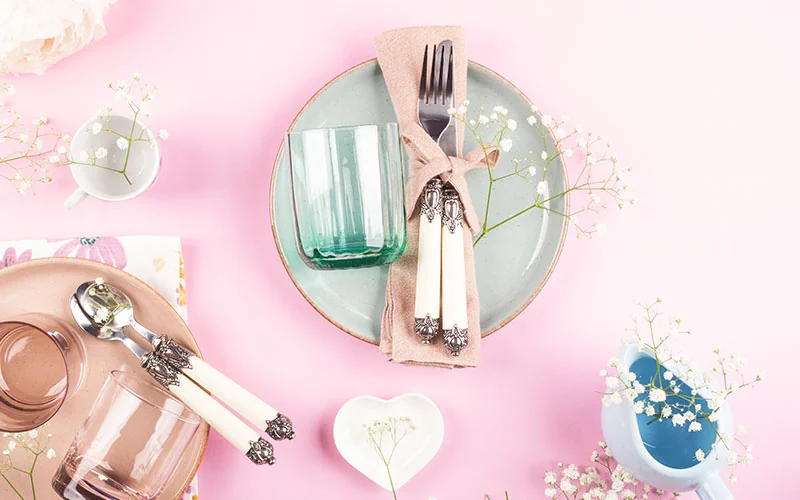
Designing Place Settings for Maximum Impact
Strong place settings guide how guests see and use the table. You control balance, spacing, and detail so the table looks clear, organized, and intentional from every seat.
Arranging Place Settings Strategically
Place each setting so it lines up with the centerpiece and the table edge. Center the dinner plate on the chair, not the table length, to keep spacing even.
This step matters more than extra décor. Keep the layout simple and consistent.
Use the same plate stack at every seat, even if the tableware styles vary. Consistency keeps mixed pieces from looking random.
Use this basic structure as a guide:
| Item | Placement |
|---|---|
| Dinner plate | Centered on the chair |
| Flatware | Fork left, knife and spoon right |
| Glassware | Top right of plate |
Leave clear space between settings. Crowded tables make centerpieces feel heavier and harder to enjoy.
Incorporating Napkin Rings and Cloth Napkins
Cloth napkins add texture and soften hard surfaces like plates and glass. Choose a fabric that supports your theme, such as linen for casual meals or cotton sateen for formal tables.
Fold napkins in a clean, repeatable way. Simple folds work best when you use napkin rings.
Slide the ring through the center or gather one end for a relaxed look. Match napkin rings to either the tableware or the centerpiece material.
For example:
-
Wood rings with natural centerpieces
-
Metal rings with modern or minimal tableware
Use one style of ring across the table. Mixing ring styles often distracts from the centerpiece instead of supporting it.
Using Custom Name Cards for Personalization
Custom name cards help guests settle quickly and add a personal detail. Place each card where it feels natural, not forced.
Set name cards in one of these spots:
-
On top of the napkin
-
Leaning against the plate
-
In a small holder above the plate
Keep the design simple. Use clear text, neutral colors, and sturdy paper.
Avoid oversized cards that block the view of the centerpiece. Match the card style to the place settings.
When fonts, colors, and materials align, the table feels planned and calm rather than busy.
Centerpiece Ideas and Decorative Accents for Any Table
You can create a balanced table by pairing the right centerpiece with simple decorative accents. Focus on size, height, and color so the centerpiece supports your tableware instead of competing with it.
Floral Arrangements and Fresh Flowers
Floral arrangements can work with almost any table style if you keep the scale in check. Pick fresh flowers that stay low, so guests can actually see one another.
Low bowls, short vases, or a few bud vases help keep things the right height. You want the flowers to look intentional—not like they’re blocking conversation.
Try matching flower colors to your plates or linens for a pulled-together vibe. White flowers work with nearly everything, while soft greens add a bit of contrast without stealing the show.
Skip strong scents, especially for dining tables. No one wants to taste their centerpiece.
If you want to keep it simple, go for a single type of flower in one color. It often feels more purposeful than a mixed bouquet.
This way, the food and place settings don’t have to compete for attention.
Helpful pairing tips:
-
White dishes: greenery, white blooms, light pastels
-
Patterned dishes: solid-color flowers
-
Dark dishes: lighter flowers for contrast
Creative Seasonal and Thematic Centerpieces
Seasonal centerpiece ideas add interest without needing extra tableware. Use things that fit the time of year—fruit, branches, or small accents work well.
Stick with similar materials so the table feels thought out. For fall, maybe fill a shallow bowl with little pumpkins or dried leaves.
In summer, a tray with citrus fruit or fresh herbs does the trick. You want texture, not clutter.
Thematic centerpieces need a light touch too. If you’re leaning rustic, use wood, linen, and natural shapes.
For a modern look, go with clean lines and just one main material. That way, your plates and glassware feel like part of the whole setup.
Incorporating Candles, Tea Lights, and String Lights
Candles bring a soft glow that flatters most table settings. Tea lights work for everyday meals, while taller candles suit more formal tables.
Try to keep candle heights consistent so things don’t look crowded. String lights shine on long tables or outdoors.
Put them in glass containers or weave them through greenery to keep the look tidy. Loose cords on the table? Not great.
Make sure there’s still open space for serving dishes and place settings. It’s easy to go overboard with lighting.
Lighting guidelines:
-
Tea lights: small tables, casual settings
-
Pillar candles: long tables, formal meals
-
String lights: outdoor or evening gatherings
Finishing Touches: Linens, Runners, and Final Layering
Linens lay the foundation and help tie everything together. The right layers add order, contrast, and a little comfort, but shouldn’t steal the show.
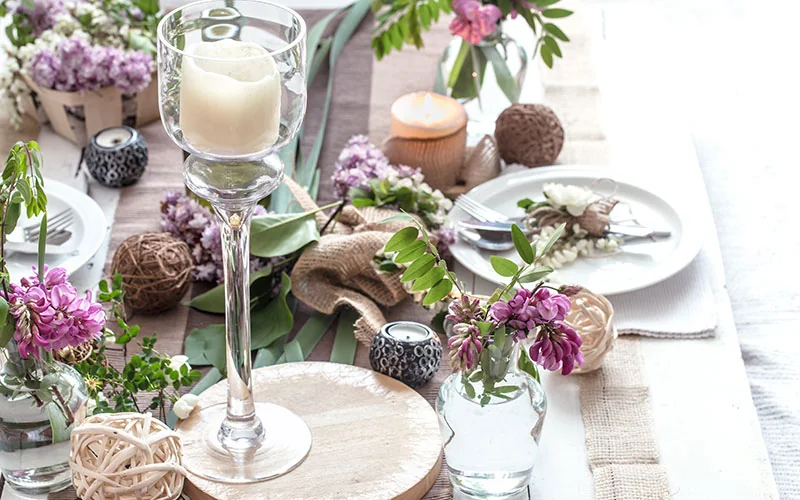
Choosing the Right Tablecloth and Table Runner
Start with a tablecloth that works with your dishes and centerpiece. Solid colors are safest if your plates or centerpiece have a lot going on.
Light patterns match best with simple plates and minimal centerpieces. Size really does matter here.
Let the tablecloth drop 6–10 inches for casual meals and 10–15 inches for something more formal. Smooth out the fabric so plates sit flat.
Drop a runner down the center to frame your centerpiece and break up big stretches of fabric. Pick a runner that contrasts a bit with the tablecloth for some visual interest.
Useful pairings:
-
White tablecloth + textured runner
-
Neutral tablecloth + seasonal runner
-
Dark tablecloth + lighter runner
Layering Linens for Depth and Texture
Layering works best when each piece has its own job. The tablecloth sets the tone, while the runner pulls your eye in.
Placemats define each place setting. I like when everything feels intentional, not just tossed on.
Stick to fabrics with similar weight. Mixing heavy linens with a flimsy runner just feels off.
Linen, cotton, and simple blends usually play well together. You can almost feel the difference when it works.
Skip bold color if you want a more relaxed vibe. Texture does so much more—think woven runners, stitched edges, or even a bit of soft wrinkling.
Those little details add depth without making things loud or busy. It’s all about the subtle layers, right?
Layering order:
-
Start with the tablecloth as your base.
-
Lay the runner down the center, keeping it flat.
-
Place placemats where the plates will go.
Don’t crowd the table. Give each layer some breathing room so your tableware and any centerpieces can actually shine.