

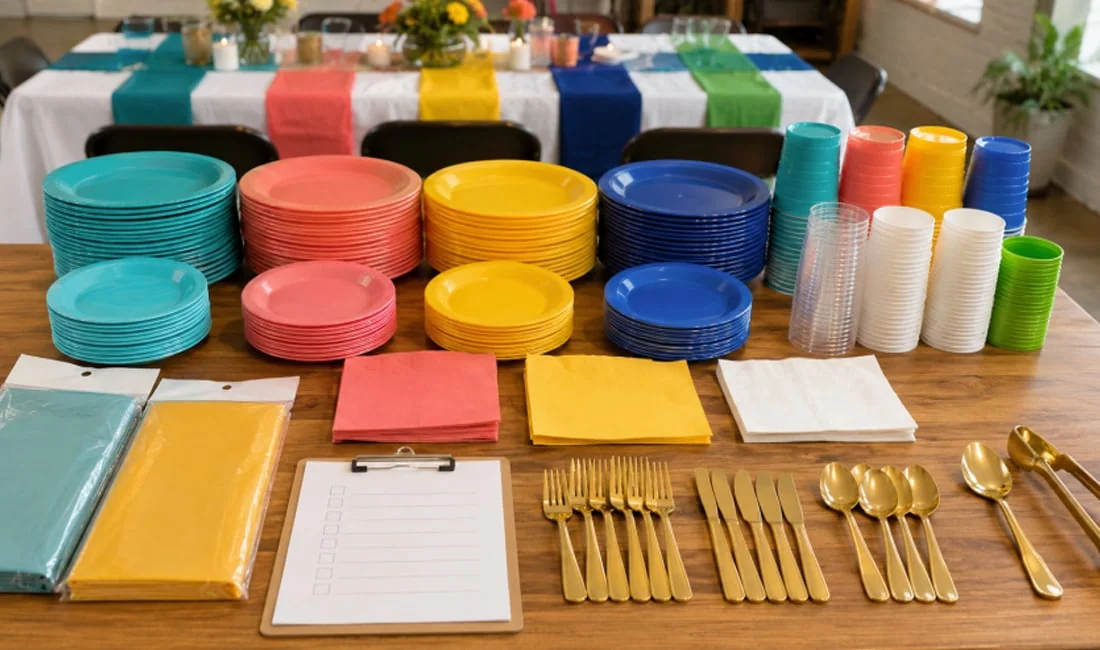
National Hispanic Heritage Month is observed in the United States from September 15 to October 15. It honors the histories, cultures, and contributions of Americans with roots in Spain, Mexico, the Caribbean, Central America, and South America. A shared meal can be a warm and natural way to mark the month. Colorful disposable tableware can support the occasion while keeping setup and cleanup manageable.
Still, color alone does not make a table meaningful. Hispanic cultures are diverse, and no single party style represents them all. A thoughtful table starts with the people, food, and traditions being celebrated.
This guide explains how hosts and event planners can choose the right pieces, build a lively color palette, match tableware to the menu, and create a practical setup for family, school, office, or community events.
What Makes a Hispanic Heritage Month Fiesta Table Meaningful?
A well-planned table does more than look festive. It gives the meal a clear setting and helps guests understand the story behind the event. Two choices matter most: what the celebration represents and how its cultural details are used.
Reflect a Specific Heritage, Region, or Family Tradition
Hispanic Heritage Month covers many countries, regions, and communities. For that reason, a general mix of tacos, sombreros, cacti, and bright colors can feel too broad. It may also turn one part of Mexican culture into a symbol for every Hispanic culture.
A stronger approach is to begin with a clear point of view. A family dinner might draw from the family’s own recipes and background. A school event could feature several country tables. An office lunch might invite employees to share dishes and short family stories. These details create a stronger connection than a collection of unrelated party symbols.
Use Color and Cultural Details with Intention
Bright color suits a joyful gathering, but it works best when there is a plan. A table does not need every color in equal amounts. One base color, two main accents, and one smaller highlight are usually enough to create energy without making the setting look crowded.
Cultural decorations should match the heritage being featured. Papel picado, for example, can fit an event that includes Mexican traditions, but it is not shared by every Hispanic culture. Día de los Muertos images should not be used as a general substitute for Hispanic Heritage Month décor.
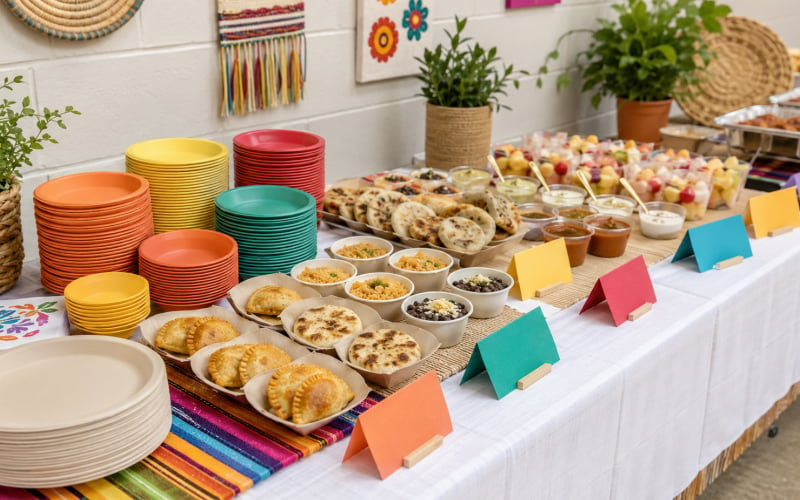
Small labels can add useful context. A card may name the country or region connected to a dish, explain a textile pattern, or share the story behind a family recipe. This keeps the table colorful while giving the decoration a clear purpose.
Disposable Tableware Essentials for a Hispanic Heritage Month Fiesta
The right tableware depends on the menu and service style. A seated dinner needs a different mix from a tasting event or large buffet. Hosts should list each course and beverage before ordering supplies. This simple step helps prevent missing pieces and limits unnecessary extras.
Disposable Party Plates for Appetizers, Main Dishes, and Desserts
One plate size rarely works well for every part of the meal. Small plates suit appetizers, desserts, and tasting portions. Larger plates give rice dishes, grilled foods, beans, salads, and other main items more room. At a buffet, meals with sauces or several sides also need a plate that stays stable when carried. Buyers should check the listed material, dimensions, and intended use rather than judge strength by appearance alone.
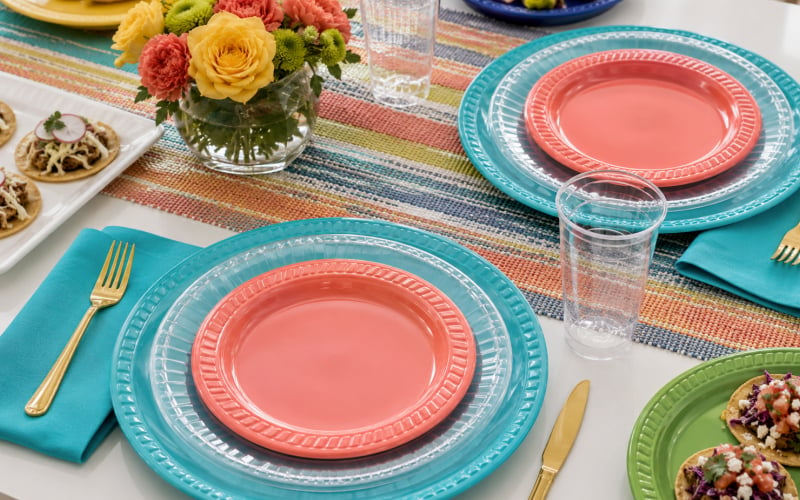
Using two plate sizes can also improve the table’s look. A smaller plate in a strong accent color can sit on top of a white, clear, or coordinating dinner plate. The layered setting adds color before any extra decoration is placed on the table.
Disposable Bowls for Salsa, Sides, and Spoonable Foods
Bowls are easy to overlook, yet they are useful for beans, soups, stews, fruit, salads, sauces, and soft desserts. Small bowls can also keep dips and toppings off the main plate. The menu should decide the depth and size. If food will be served hot, buyers should confirm that the bowl is approved for the expected temperature.
Disposable Drinkware for Aguas Frescas, Water, and Other Beverages
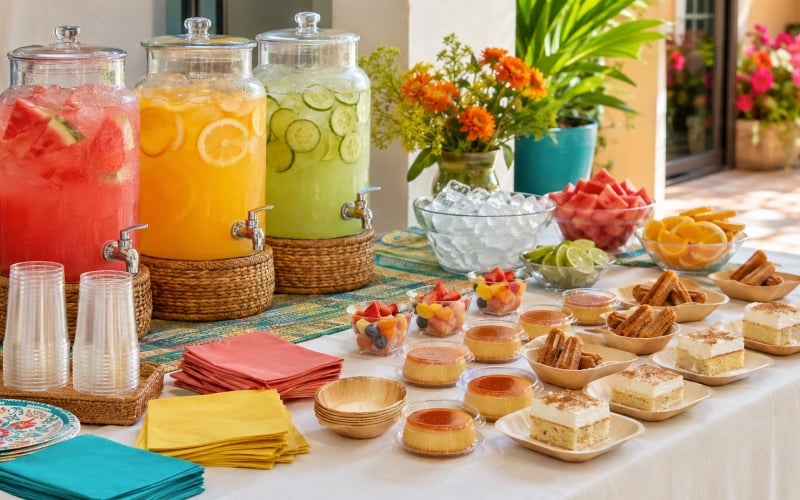
A beverage station may include water, juice, soft drinks, coffee, or regional drinks selected for the event. Aguas frescas can be included when they fit the menu, while other events may serve different family favorites.
Cup choice should follow the beverage. Clear cups show the color of chilled drinks and fruit garnishes. Short tumblers can work for water and soft drinks. Stemmed or decorative cups may suit a more formal dinner. Hot beverages require cups that are clearly marked for hot use.
When several drinks are available, different cup styles can reduce mix-ups. Labels also help guests keep the same cup longer. Event planners can review disposable drinkware and confirm capacity, material, and temperature guidance on each listing.
Disposable Flatware, Napkins, and Serving Pieces
Flatware should match the food rather than the color theme alone. Forks may be enough for cake or simple appetizers, but a full meal may need forks, knives, and spoons. Napkins can repeat an accent color without adding another pattern. For saucy or handheld foods, absorbency matters more than decoration. Serving spoons, tongs, and ladles should be counted separately.
Colorful Disposable Tableware Ideas for the Fiesta Table
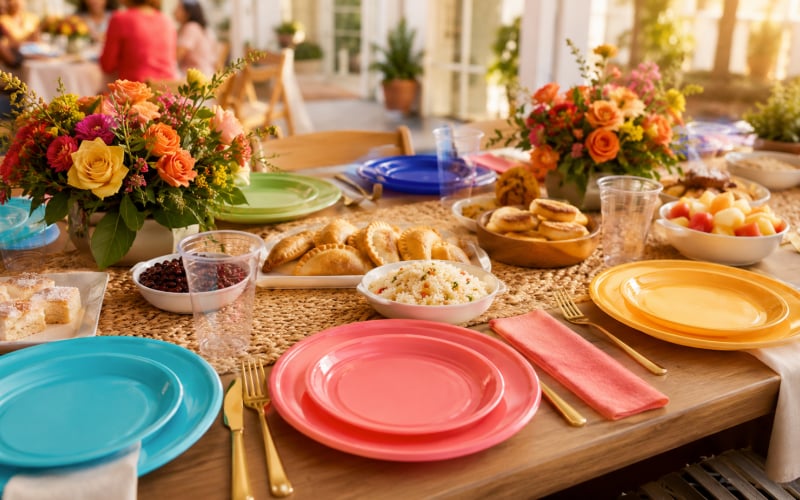
Once the basic pieces are known, color can be added in a controlled way. The goal is not to match every item. It is to create a visual rhythm that brings plates, cups, napkins, and decorations together.
Build a Bright Multicolor Palette on a Simple Base
A white or solid-color table cover gives bright plates room to stand out and keeps the mix from looking random.
For a long table, colors can alternate by place setting. Another option is to use one plate color at every seat and add other shades through cups, napkins, place cards, and flowers. The same pattern is easy to repeat at a large event.
Layer Dinner and Dessert Plates in Contrasting Colors
Layering two plate sizes creates color without taking up more table space. A clear or white dinner plate with a colored dessert plate gives a bright, clean look. Two solid colors can also work when one is quieter than the other.
Food should remain part of the decision. If the meal already has many bold colors, a simple plate may provide better balance than a heavily patterned design.
Repeat One Accent Color Across Cups, Napkins, and Flatware
A table feels coordinated when one color appears in several small places. Gold flatware, for example, can connect gold-rimmed plates with a warm table runner. Blue cups can pick up the blue used in place cards or flowers. Pink napkins can repeat the top plate at each setting.
The accent does not need to appear on every item. A few clear repeats are enough and make products from different sets feel connected.
Add Flowers, Table Labels, and Region-Specific Décor
Fresh or paper flowers bring height and texture. Low arrangements suit dining tables, while taller pieces can be used at buffet corners or welcome tables.
Food labels can identify dishes, note common allergens, and explain the country, region, or family tradition connected to a recipe. A short description is more useful than many generic themed props.
Region-specific textiles, maps, books, or photographs can complete the setting when they are relevant. They should support the story without reducing serving space.
How to Match Disposable Tableware to the Fiesta Menu
The menu affects almost every tableware decision. Food weight, sauces, portion size, and serving method all influence the type and number of pieces required. Planning by food station keeps the supply list clear.
Set Out Small Plates and Bowls for Tastings
Small plates, bowls, or portion cups help guests sample several foods and keep sauces or soft items separate.
Counts depend on the service plan. If guests use one plate at several stations, fewer pieces are needed. If each station gives out a separate sample cup, the total should be based on the number of samples, not only the guest count.
Use Sturdy Dinner Plates for Buffet Mains
Buffet guests often place several foods on one plate. The plate therefore needs enough space and stability for the planned meal.
Compartment plates help keep foods separate, while standard dinner plates offer a cleaner look. The better choice depends on the menu, event tone, and serving distance.
Organize Separate Drinkware at the Beverage Station
Keeping cups at the beverage station reduces clutter. They can be grouped by use, such as water, cold drinks, and hot drinks. Clear signs reduce the chance that a cold-drink cup is used for a hot beverage.
Ice, garnishes, straws, and napkins should sit in the order guests need them. At a large event, water can be placed at more than one point to prevent a long line.
Give Desserts Their Own Plates, Cups, or Bowls
Desserts often need different tableware. Cake and pastries work well on small plates. Flan, fruit, and other soft desserts may be easier to serve in bowls or portion cups.
A separate dessert table is a natural place for the brightest accent. Small plates and napkins can repeat the main palette while giving the final course its own identity.
How to Set Up a Colorful Disposable Fiesta Table
Good setup is mainly about order. Starting with large surfaces and finishing with small details prevents the table from becoming crowded. It also allows hosts to test the space before food arrives.
Start with a Plain Table Cover or Runner
A solid table cover creates a clean base. White, cream, or another quiet color works with most bright palettes. A colorful runner can then define the center.
If a traditional textile is used, its origin and meaning should be understood. A patterned runner may become the main visual element, so nearby tableware can stay simple.
Build Each Place Setting from the Plate Up
The dinner plate should be placed first because it takes the most room. A smaller plate can sit above it when needed. Flatware and napkins come next, followed by cups and name cards.
Hosts should test one finished setting before repeating it. This shows whether guests have enough room and whether decorations block conversation.
Arrange Buffet and Drink Stations for Easy Guest Flow
At a buffet, plates belong at the start. Flatware and napkins usually work better at the end, leaving one hand free during service.
Drinks should have their own space when possible. Desserts can sit on another table or come out later. Separate areas reduce crowding and leave room for labels and serving tools.
Finish with Culturally Meaningful Details
Decorations should be added after the functional layout is complete. Country cards, recipe notes, flowers, or photos can fill open areas without blocking service. Music, books, and artwork can add meaning beyond the tabletop.
The finished table should feel welcoming rather than staged around a stereotype. When guests can understand why a detail was chosen, the setting becomes part of the celebration instead of a simple color display.
How to Choose Disposable Tableware for a Hispanic Heritage Month Party
Style is only one part of the buying decision. A practical order also needs the right sizes, strength, quantity, and food-use guidance. Buyers can use the following steps to compare options before placing an order.
Match Each Item to the Menu and Serving Style
First, every course, drink, and serving station should be matched with a plate, bowl, cup, utensil, napkin, or serving piece. This reveals gaps that a general checklist may miss.
A seated dinner may use one setting per guest. A buffet may need extra plates, while a tasting event may use many small cups. The service plan should come before the color choice.
Check Size, Strength, and Food or Beverage Suitability
Product listings should be checked for dimensions, material, pack count, and intended use. A photo cannot show whether a plate fits the menu or a cup suits a hot drink.
Buyers should also review food-contact information and temperature limits. Microwave, dishwasher, hot-food, and hot-drink suitability should never be assumed.
Coordinate Colors Without Making the Table Too Busy
The easiest buying plan uses one base, two main colors, and one small accent. The base may be white, clear, or another solid shade. The two main colors can appear on plates and cups, while the accent is repeated through flatware, napkins, or trim.
Matching sets reduce the number of separate decisions. Mixed pieces offer more creative freedom but require closer attention to color, size, and quantity. From a supplier’s point of view, the safest choice is the one that meets the service needs first and supports the design second.
Calculate Quantities and Keep a Practical Extra Supply
Quantities should be calculated by course, not by using one number for the full event. A simple meal may need one dinner plate per confirmed guest. A separate appetizer or dessert adds another plate or bowl. A buffet with repeat visits may need more.
Cups require similar planning. A labeled cup may stay with one guest, while an open beverage station often leads to more cup use. A small extra supply can cover dropped items, damaged pieces, late guests, and changes in the menu. Many planners use an additional 10 to 15 percent as a starting buffer, but the right margin depends on the event and how quickly more supplies could be obtained.
Pack counts matter here. The final order should be rounded up to complete packs after the per-course total and buffer have been added. This makes the calculation more accurate than choosing a set based only on the advertised guest count.
Plan Cleanup and Disposal Before the Event
Disposable tableware makes collection easier, but different materials may follow different waste rules. Recycling and composting options vary by location. Food residue can also affect whether an item is accepted.
Bins should be clearly labeled and placed near dining, buffet, drink, and dessert areas. Event staff should confirm local disposal rules before printing signs. If an item is described as recyclable or compostable, buyers should still check whether the local program accepts that material.
Frequently Asked Questions
The following questions cover the details that often come up during final planning.
What Colors Work Well for a Hispanic Heritage Month Fiesta?
There is no single official palette. Bright pink, turquoise, yellow, red, blue, green, and orange can create a lively table, but the colors should connect to the specific culture, artwork, textile, family tradition, or event theme being presented. A quiet base helps two or three stronger colors look more coordinated.
What Disposable Tableware Is Needed for a Buffet or Tasting Table?
A buffet usually needs dinner plates, flatware, napkins, cups, and the correct serving tools. Bowls may be needed for soups, stews, soft sides, or desserts. A tasting table often uses smaller plates, bowls, or portion cups. The final list should be built from the menu item by item.
How Many Disposable Plates and Cups Are Needed Per Guest?
There is no universal number. Planners should count one item for each planned course or serving use, then consider repeat buffet visits and beverage changes. A 10 to 15 percent buffer is a common starting estimate for damage, late guests, and unexpected demand, but the event format may require more or less.
How Can Colorful Disposable Tableware Look Coordinated?
A simple color rule works well: one base, two main colors, and one accent. Repeating the accent across cups, napkins, flatware, or plate rims helps separate products feel connected. Using the same plate shape or finish across several colors can also create consistency.
How Can Hosts Decorate for Hispanic Heritage Month Respectfully?
The event should identify the people, country, region, or tradition being celebrated. Decorations should be chosen for that context and explained when useful. Family stories, food labels, books, art, music, and community contributions often create more meaning than generic costume props or symbols taken from unrelated holidays.
Bring Color and Easy Service to the Hispanic Heritage Month Table
A successful Hispanic Heritage Month table balances three things: cultural meaning, easy food service, and a clear visual plan. The celebration becomes stronger when its colors and decorations connect to real people and traditions. The service also runs more smoothly when plates, bowls, cups, and utensils are selected from the menu instead of added at the last minute.
Wonderful Party supplies colorful tableware for small dinners, tasting events, buffets, and larger gatherings. Its coordinated disposable dinnerware sets can help hosts create a consistent table while reducing the number of separate pieces that need to be sourced.