

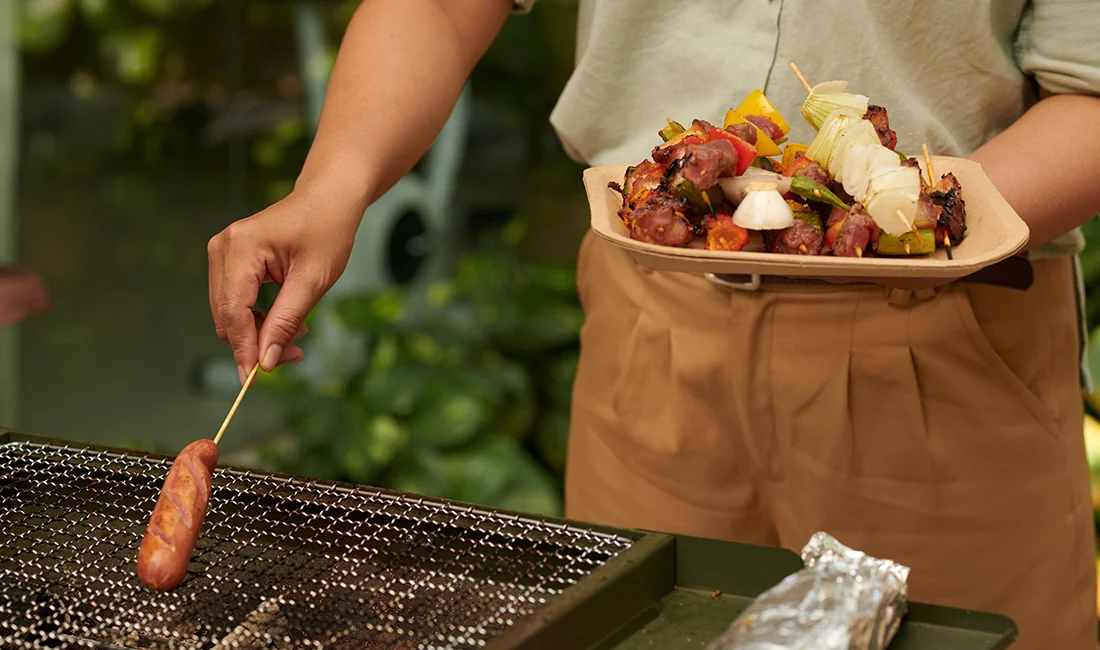
You choose BBQ disposable tableware to handle heat, grease, and heavy portions without slowing down the party. The right mix of disposable plates, trays, cups, and cutlery uses materials like paperboard, bagasse fiber, or compostable plant pulp so food stays contained and cleanup stays fast.
You will learn why disposable tableware makes sense for BBQs, which items matter most, and how different materials perform with hot, oily foods. You will also see how size, soak resistance, and compostable options affect your setup.
Why Select Disposable Tableware for BBQ?
Below are advantages of using disposable tableware for BBQ:
-
Single-Use Convenience
-
Food Trays for Easy Serving
-
Disposable Tablecloths
-
Compostable Options
Disposable tableware means single-use items such as disposable plates, disposable dinnerware, food trays, disposable cutlery, and tablecloths made for serving and cleanup at events. You choose it for BBQs because it reduces cleanup time and limits dish handling.
Food trays give you more surface area than round plates. The wide shape fits ribs, corn, and sides on one tray, which cuts down on plate stacking and table crowding. In practice, this keeps serving lines moving.
Disposable tablecloths use thin plastic or coated paper. They block grease and spills from reaching the table surface, which speeds cleanup. You remove the cloth and dispose of crumbs in one step.
Many disposable dinnerware options meet compostable standards like ASTM D6400 when made from bagasse. For you, this allows disposal through compost programs where accepted.
What are Key Disposable Tableware for BBQs?
BBQ meals include heavy foods, sauces, and outdoor conditions. The right disposable tableware prevents leaks, handles heat, and keeps serving organized while limiting cleanup time.
Below are disposable tablewares for BBQ:
-
Plates and Platters
-
Bowls
-
Cups and Drinkware
-
Cutlery and Serving Utensils
-
Napkins
-
Tablecloths
Plates and Platters
Disposable plates and platters hold the main BBQ foods, including meats, sides, and sauced items. Most BBQ plates range from 10 to 14 inches, which matters because larger surfaces reduce spills when portions are large.
Bowls
Disposable bowls hold sides, sauces, and foods with liquid, such as baked beans or coleslaw. Bowl capacity usually falls between 12 and 24 ounces, and the right size prevents refills and spills.
Cups and Drinkware
Disposable cups hold cold drinks, hot beverages, or both, depending on material. Sizes usually range from 9 to 20 ounces, which covers soda, water, and iced tea.
Cutlery and Serving Utensils
Disposable cutlery allows guests to eat without washing tools. Disposable tongs, spoons, and ladles prevent cross-contact.
Napkins
Two-ply paper napkins absorb grease better because layered fibers trap oil and moisture.
Tablecloths
Disposable tablecloths usually come in plastic or coated paper. Plastic sheets block liquid completely, which protects picnic tables from spills.
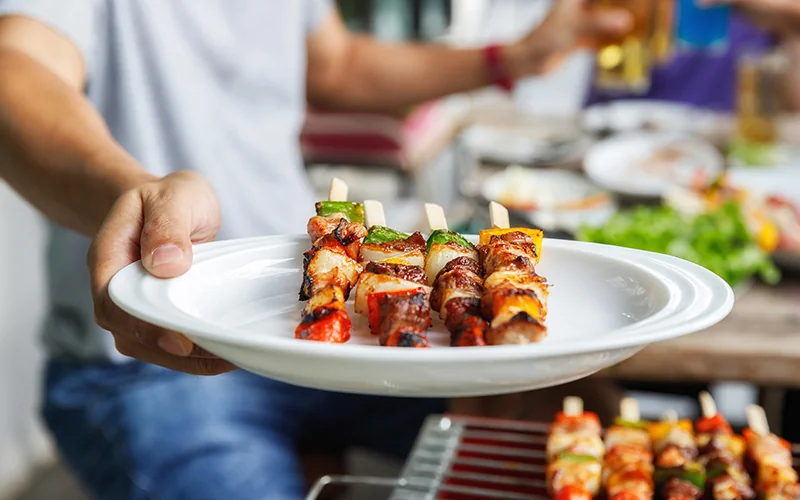
What are Common Disposable Tableware Materials for BBQs?
BBQ foods bring heat, grease, and weight, so the material of your tableware matters. Each option below handles moisture, temperature, and cleanup in different ways that affect how your meal goes and how you dispose of the waste.
Quick comparison of different disposable tableware materials:
|
Material |
Heat Use |
Grease Control |
Compostable |
|
Paper plates |
Warm |
Low–Medium |
Sometimes |
|
Plastic plates (PP) |
Hot |
Medium |
No |
|
Wood |
Warm |
Medium |
Yes |
|
Bagasse |
Hot |
High |
Yes |
|
Bamboo |
Hot |
Medium–High |
Sometimes |
|
Palm leaf plates |
Hot |
High |
Yes |
Paper
Paper plates are disposable plates made from wood pulp pressed into flat shapes, often with a thin coating. Most paper plates use a polyethylene or water-based coating to slow soaking from sauces and grease. Because the coating blocks liquid, the plate keeps its shape longer with burgers or ribs.
Key traits of paper tablewares:
-
Heat tolerance: warm foods, not direct grill heat
-
Disposal: recyclable or compostable only if uncoated
Plastic
Plastic tableware includes plastic plates made from PET, PP, or PS. PET stays rigid with cold foods because it has a dense polymer structure. For you, this means clear plastic plates work well for sides and desserts but soften with heat.
Common plastics and their functions:
-
PP: heat-tolerant, recyclable
-
PET: cold use only
-
PS foam: low cost, low strength
Wood
Wood disposable tableware uses thin sheets of birch or pine pressed into plates and trays. The natural grain gives the plate stiffness without chemical coatings. Because wood fibers stay intact when wet, the plate bends less with juicy meats. Most wood plates have no lining, so they absorb grease over time. In practice, this means they work best for shorter BBQ servings rather than long buffet lines.
Bagasse
Bagasse plates are compostable plates made from sugarcane pulp left after juice extraction. Bagasse withstands temperatures up to about 230°C. For you, this means you can serve hot brisket or grilled corn without the plate sagging. Most bagasse plates compost in commercial systems within about 90 days, making them a strong choice for low-waste BBQs.
Why it works
-
Fiber source: sugarcane pulp
-
Strength comes from compressed fibers
-
Handles heat and grease well
Bamboo
Bamboo plates and bamboo tableware use fast-growing bamboo fibers pressed with food-safe binders. Bamboo grows back in a few years, which limits resource strain. The long fibers add rigidity, so plates hold heavier BBQ portions.
Palm Leaf
Palm leaf plates come from fallen areca palm leaves that are washed and heat-pressed. Palm leaf plates tolerate heat and moisture well. In practice, this means you can load pulled pork, sides, and sauce on one plate without leaks. After use, the plate breaks down in soil or compost. Palm leaf plates work when you want biodegradable plates with maximum load support.
How to Choose Disposable Tablewares for BBQs?
You need tableware that holds heavy food, handles heat, and limits leaks. Material choice, plate shape, and safety labels all affect how well disposable tableware works during a BBQ.
Factors you need to consider when choosing disposable tablewares for BBQ:
-
Prioritize Durability and Grease Resistance
-
Opt for Heat‑Stable Materials
-
Match Tableware to BBQ Menu
-
Plan Stackability and Quantity
-
Consider Leakproof and Moisture Control
-
Check Certifications for Safety and Compostability
-
Consider Eco‑Friendly Options
Prioritize Durability and Grease Resistance
Durable disposable tableware resists bending and soaking when it holds meat, sides, and sauces. Look for plates made from bagasse fiber, a material pressed from sugarcane pulp. Bagasse plates stay rigid because the dense fiber structure spreads weight across the surface.
Grease resistance matters because BBQ foods release oil over time. Plates with molded fiber walls or coated paper layers slow liquid absorption. In practice, this means ribs and pulled pork stay on the plate instead of dripping onto the table.
Avoid thin paper plates with flat rims. They fold under load and allow grease to pool at the edges, which increases spills.
Opt for Heat‑Stable Materials
Heat‑stable disposable tableware keeps its shape when exposed to hot food. Materials like bagasse and thick molded paper tolerate temperatures up to about 200°F without warping. For you, this means you can serve hot brisket or grilled chicken straight from the grill.
Microwave‑safe labels matter if you plan to reheat sides. Heat stability comes from fiber density and compression during manufacturing. Thin foam or low‑grade paper softens under heat and releases moisture.
Check packaging for heat ratings or microwave approval. If the label does not list temperature tolerance, assume the plate is for cold or light foods only.
Match Tableware to BBQ Menu
You should match plate size and shape to the food you serve. Large cuts of meat and full meals need 12–14 inch plates. Smaller plates work for sides but fail when loaded with meat and sauce.
Use oval plates or trays for ribs and sausage links. The longer shape supports uneven portions and keeps bones from hanging over the edge. Deep trays work better for seafood boils because they contain liquid.
Here is a quick match guide:
|
BBQ Food Type |
Recommended Plate |
|
Burgers, sandwiches |
10–12 inch round plate |
|
Ribs, brisket |
12–14 inch oval plate |
|
Crawfish, sauced items |
Deep tray or bowl |
Plan Stackability and Quantity
Stackable tableware saves space and speeds serving. Plates with uniform rims stack evenly because the edges align during storage. For you, this means fewer jams at the serving table.
Estimate quantity based on menu and timing. One plate per person works for plated meals. Buffet‑style BBQs often need 1.5 to 2 plates per guest because people return for seconds.
Buy tableware in bulk packs to reduce restocking during the event. Check the pack count and storage size so you can stage extras near the serving area.
Consider Leakproof and Moisture Control
Leakproof disposable tableware controls moisture from sauces, marinades, and condensation. Plates made from molded fiber limit leaks because the compressed pulp slows liquid movement.
Some paper plates use a thin water‑based coating. This coating delays soaking‑through without adding plastic. In practice, this gives you more time before juices reach the bottom of the plate.
Avoid plates with visible seams or cracks. Liquids collect at weak points first, which leads to drips on tables and laps.
Check Certifications for Safety and Compostability
Certifications show how tableware performs after use. Compostable plates break down in composting systems under controlled heat and moisture. Look for ASTM D6400, a standard that confirms a product can compost in industrial facilities.
Industrial compostable items need access to commercial composting. They do not fully break down in backyard piles. For you, this means checking local waste rules before buying.
Also check for labels that confirm the plate is BPA‑free and food‑safe. These labels show the plate does not rely on harmful chemical additives.
Consider Eco‑Friendly Options
Eco‑friendly disposable tableware reduces waste impact after your BBQ. Biodegradable plates break down over time through natural processes, while compostable plates break down into soil‑safe material under specific conditions.
Bagasse plates stand out because they use agricultural byproducts instead of trees. This material choice reduces wood use and avoids plastic coatings.
Choose eco‑friendly options that still meet performance needs. A plate must hold food first. Environmental benefits matter most when the plate survives the meal without failure.
FAQs
What are the best types of disposable tableware for BBQ?
Paper plates, Bagasse plates and Aluminum trays are the disposable tableware types that you can choose for BBQ.
Paper plates are disposable plates made from wood pulp with a surface coating that resists moisture. Plates labeled as soak‑proof or cut‑resistant handle sauces and grease because the coating slows liquid absorption, which helps prevent leaks during a meal.
Bagasse plates are disposable plates made from sugarcane fiber left after juice extraction. The dense fiber structure resists bending under heavy food, so you can carry ribs, burgers, and sides without the plate collapsing.
Aluminum trays are disposable serving trays made from rolled aluminum sheet. Aluminum tolerates direct heat, so you can use these trays for grilling, warming food, or holding hot items without warping.
How do I choose eco-friendly disposable tableware for a barbecue?
You can Look for clear labels such as “100% compostable” or certifications like ASTM D6400 or D6868.
In practice, this tells you the product meets defined standards for composting rather than just reducing plastic content.
Avoid mixed materials, such as paper plates with plastic liners. Single‑material products compost more reliably because facilities can process them without separating layers.
Can foam plates be safely used for serving hot barbecue dishes?
No. Foam plates are disposable plates made from expanded polystyrene, which softens at relatively low temperatures.
When you place hot barbecue food on foam, the heat can cause the plate to warp or release chemicals. For serving hot meats and sides, you should use paper with heat ratings, bagasse fiber, or aluminum instead.