

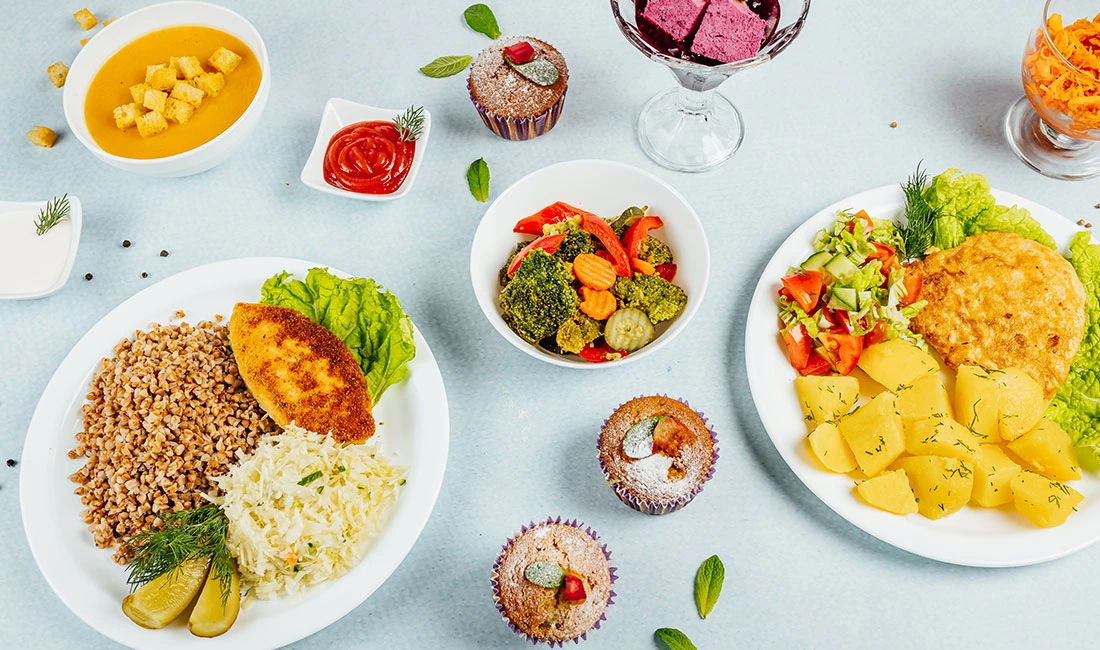
When you plan portions and plate sizes together, you control food cost, guest comfort, and waste. The best results come when plate size matches the menu and serving style, so portions feel right without excess.
This balance helps food look full on the plate while staying within budget. A large plate can make food look scarce, while a small plate can crowd the meal and limit flow.
Your menu choices—from protein-heavy dinners to light brunch spreads—should guide plate size and portion weight. Service style also matters, since buffets, plated meals, and family-style service all change how much people take and eat.
This guide shows how to align plates, portions, and service style for different events. You’ll see how to plan for breakfast, lunch, and dinner, adjust for event length, and use simple tools to estimate amounts with confidence.
Core Principles of Catering Portion & Plate Planning
When you match portion sizes to plate size and serving style, you set clear expectations. This approach protects your budget, improves guest satisfaction, and limits food waste without lowering quality.
Why Portion Sizes Matter for Events
Portion sizes guide how much food you buy, cook, and serve. If you plan portions well, you avoid running out of food or overproducing it.
Your menu and serving style shape the right serving size. A plated dinner needs smaller, more precise portions than a buffet.
Passed appetizers require even tighter portion control because guests eat in short bursts.
Key factors that affect portion size:
● Event length and time of day
● Meal type: plated, buffet, family-style, or stations
● Plate size and shape
● Guest mix, including adults, children, and dietary needs
A large plate makes small portions look skimpy. A smaller plate helps food look balanced and filling.
You should plan portions and plates together, not as separate choices.
Guest Satisfaction and Experience
Guest satisfaction depends on how full and comfortable people feel during the event. You want guests to feel satisfied, not heavy or still hungry.
Oversized portions can overwhelm guests and leave food untouched. Portions that feel too small can cause frustration, even if food quality is high.
Plate size helps control this balance.
Portion cues guests notice:
| Element | What Guests Perceive |
|---|---|
| Plate size | Value and fullness |
| Food spacing | Clean vs. crowded |
| Portion height | Abundance |
| Variety on plate | Thoughtful planning |
When food fits the plate with clear space around it, you improve the experience. Guests eat with their eyes first, and balanced portions feel more intentional and professional.
Portion Control and Food Waste Reduction
Portion control limits food waste before and after service. You save money when you serve the right amount the first time.
Buffets create the most waste without clear portion planning. Smaller plates and refills help control serving size without restricting choice.
Plated meals allow the strongest control because you define each serving.
Ways to reduce food waste through portion control:
● Match serving size to plate size
● Use smaller plates for buffets
● Serve sauces and sides in measured amounts
● Adjust portions for lighter menus or shorter events
If you plan portions with care, you protect food quality and reduce waste. You also support smoother service and a more predictable outcome.
Matching Plate Size to Menu Selections
Plate size shapes how much food guests take, how the meal looks, and how smoothly service runs. When you match plate sizes to menu items and service style, you control portions, reduce waste, and improve food presentation.
Plate Size and its Effect on Food Portions
Plate sizes directly affect how guests serve themselves and how full they feel. Larger plates invite larger portions, especially at buffets.
Smaller plates slow down serving and support portion control without limiting choice. Disposable plates and paper plates work well when you choose the right size.
A 9-inch paper plate helps limit protein portions to about 6–8 ounces. A 10-inch plate allows more space for plated meals with several items.
Compostable plates follow the same rules. Size matters more than material when you want consistent portions and predictable food costs.
| Plate Size | Typical Use |
|---|---|
| 7-inch plates | Appetizers, side salads |
| 9-inch plates | Buffet main courses |
| 10-inch plates | Plated dinners |
Selecting Plate Sizes for Appetizers, Main Courses, and Desserts
You should match paper plate sizes to the type of food served. Appetizers work best on smaller plates to prevent crowding and waste.
7-inch plates give guests room for a few items without overloading. Main courses need enough space for balance.
Disposable paper plates in the 9–10 inch range fit most menus. Use 9-inch plates for buffets and 10-inch plates for formal service.
Dessert plates should feel intentional. Dessert plates in the 6–7 inch range suit cake slices, pastries, and fruit.
Smaller plates make desserts look complete and controlled.
Quick menu match:
● Appetizers: 6–7 inch disposable plates
● Main courses: 9–10 inch paper plates
● Desserts: 6–7 inch dessert plates
Visual Presentation and Portion Perception
Food presentation changes how guests judge portion size. A full plate looks more satisfying than a half-empty one, even when the food amount stays the same.
You can use this effect to your advantage. Smaller disposable plates make servings appear generous.
Larger plates need careful spacing to avoid a sparse look. Color contrast between food and paper plates also helps meals stand out.
Compostable plates often have natural tones. These work well for rustic menus but need clean plating to keep food distinct.
When plate size and layout align, guests feel satisfied without excess food.
Serving Style Considerations: Buffet, Plated, and Family-Style
Your serving style shapes portion control, plate size, and food flow. Each approach affects how guests serve themselves, how much food you need, and how you manage dietary needs.
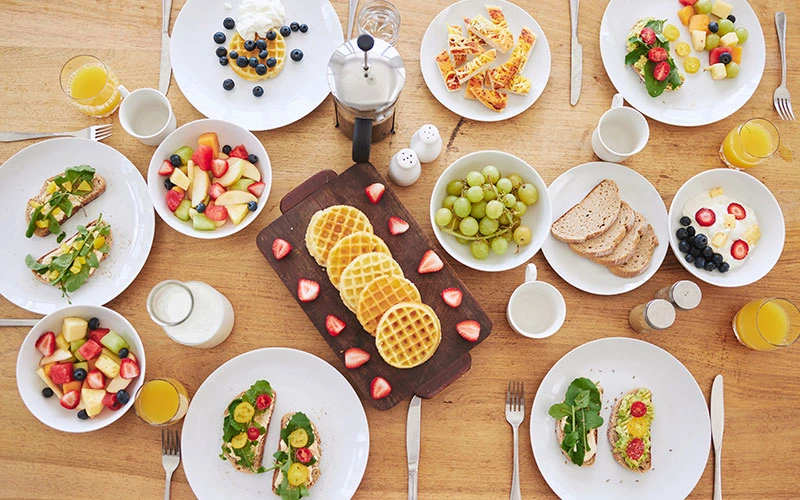
Buffet Dinners and Portioning Strategies
Buffet dinners give guests choice, but you lose control over serving sizes. You should plan for larger plates, often 10–12 inches, to hold mixed items without crowding.
Guests usually take more when they serve themselves. You can limit waste by using smaller serving utensils and shallow platters that encourage modest portions.
Portion planning works best when you offer clear balance:
● 2 proteins
● 3–4 sides
● 1 starch-heavy item, not multiple
Buffets increase the risk of cross-contact. For guests with allergies, plan separate plated meals prepared in advance.
Plated Service Portion Control
Plated service gives you the highest level of portion control. You define serving sizes before the event, which helps with food cost and plate layout.
You should match plate size to the menu. A 10-inch plate works for most single-entrée meals with sides.
Multi-course meals use smaller plates to keep portions clear and spaced. Plated meals support dietary needs well.
You can prepare custom dishes and deliver them directly to the correct guest, especially when you use a seating chart. Staffing levels matter, too.
More servers allow faster service and consistent portions across all plates.
Family-Style and Self-Service Impacts
Family-style blends structure with self-service. You place large dishes on the table, and guests serve their own plates.
You should expect less portion control than plated service but more control than a buffet. Use smaller serving bowls and limit duplicate starches to manage serving sizes.
Plate size still matters. A 10–11 inch plate gives guests room to build a balanced meal without overloading.
Allergy planning needs extra care. Shared utensils increase risk, so provide individual plates for guests with restrictions.
Clear staff communication helps prevent mistakes during service.
Calculating Portions for Different Menu Types
When you match portion size to menu type and service style, you control food cost, guest satisfaction, and plate balance. Clear serving sizes help you choose the right plates and avoid crowded or empty-looking settings.
How to Calculate Food Portions
Start with guest count, meal length, and service style. Plated meals need tighter control than buffets, where guests serve themselves and take more food.
Use measuring cups, food scales, and portion scoops during prep. These tools keep food portions consistent and help staff plate faster.
Build your portion guide around the main item first. Then size sides to fit the plate without overlap.
For longer events, plan for small increases, especially for starches and proteins.
Key steps:
● Count total guests plus a small buffer
● Set a target serving size for each item
● Adjust for buffet or self-serve service
● Test plate portions before the event
Standard Portion Guidelines by Meal Type
Standard catering portion sizes give you a reliable starting point. You can adjust based on menu mix and guest habits.
| Meal Type | Common Serving Sizes |
|---|---|
| Breakfast | 2 eggs, 1 cup fruit, 1–2 pastries |
| Lunch | 1 sandwich, 6–8 oz pasta, 2–3 pizza slices |
| Dinner | 4–6 oz protein, 4–6 oz starch, 4–6 oz vegetables |
Plated dinners use smaller portions than buffets. Buffets often need 6–8 oz protein per person because guests serve heavier plates.
Choose plate size that fits the portion. A large plate with small servings looks sparse. A small plate with large servings feels crowded.
Adjusting for Appetizer Portions and Dessert Needs
Appetizer portions depend on timing and purpose. If appetizers replace a meal, increase counts.
If they come before dinner, keep them lighter. Plan 4–6 passed appetizers per person per hour.
Stationary displays work best at 2–3 oz per item. Balance rich items with lighter options to avoid early fullness.
Dessert needs simpler math. Most guests choose one item.
Typical dessert servings:
● Cake: one small slice per person
● Cookies or bars: 1–2 pieces per person
● Mini desserts: 2–3 per person
Use smaller dessert plates to control serving sizes and reduce waste.
Event-Specific Plate and Portion Planning
You need to match plate size and food portions to how guests eat, how long they stay, and what they expect. Small planning choices affect waste, cost, and guest satisfaction.
Adapting for Guest Demographics and Preferences
Your guest mix shapes portion sizes and plate selection. Adult groups at business events usually want moderate servings and clean plating.
Family events and casual gatherings? People expect bigger portions and sturdier plates. Cultural habits can flip the script too.
Some guests like shared dishes. Others want plated meals. Plan catering portions to match those habits, even if it feels like a guessing game sometimes.
Try this as a baseline:
● Professional adults: 4–6 oz protein, standard dinner plate
● Active or younger groups: 6–8 oz protein, larger plate
● Light eaters or seniors: smaller plates to limit waste
Think about what your guests actually like. If they’re into comfort foods or tend to grab seconds, bump up food portions for catering by 10–15%.
Duration, Meal Timing, and Food Quantities
Event length and timing make a big difference in how much people eat. A one-hour lunch needs less food than a three-hour evening event with drinks, obviously.
Meal timing sets expectations:
● Breakfast or brunch: smaller plates, lighter portions
● Lunch: moderate portions, balanced plates
● Dinner: larger plates, fuller catering portions
Long events mean people hit the buffet more than once. Plan for more total food, but keep individual portions reasonable to avoid waste.
Plated meals give you more control. Buffets and stations? Always plan extra for choice and seconds.
Dietary Needs and Special Considerations
Dietary needs change up plate layout and portion planning. Confirm counts for vegetarian, vegan, gluten-free, and allergen-free meals before the event.
Don’t make these plates smaller. Guests expect the same value and similar portion sizes, even if the ingredients are different.
● Use separate plates or clear labels for special meals
● Match protein and calorie levels to standard dishes
● Add 1–2 extra meals per special diet to cover errors
Tools and Resources for Accurate Portion Planning
You control portions best when you mix planning tools with simple kitchen gear. Digital calculators set your targets, but hands-on tools keep servings steady during prep and service.
Using a Catering Calculator
A catering calculator helps you figure out how much food to prep based on guest count, menu, and service style. Just enter details like plated meals, buffets, or passed items. The calculator spits out food weights and item counts you can actually use.
Pick calculators that let you adjust for plate size and portion guide standards. This matters for small plates or tasting menus, and when you mix proteins, sides, and shared items.
Don’t just trust the numbers—double-check calculator outputs with real kitchen measures. See if the suggested portion fits your plates without crowding. Update your templates for repeat events so portions stay consistent every time.
Practical Planning Tips and Tools
Accurate planning relies on tools your staff can grab fast. Make sure these items stay close during prep and service:
● Measuring cups and spoons for sauces, grains, and sides
● Portion scoops or dishers for soft foods
● Digital scales for proteins and high-cost items
Print out a portion guide that lists target weights and volumes for each plate. Toss in photos or simple diagrams if you can—it really cuts down on confusion when things get hectic.
Pick tools that actually fit your menu. Use scales for carved meats, ladles for soups. For buffets, grab serving utensils that help prevent overfilling and actually fit in the pans. Not much worse than a ladle that won’t fit the dish, right?