

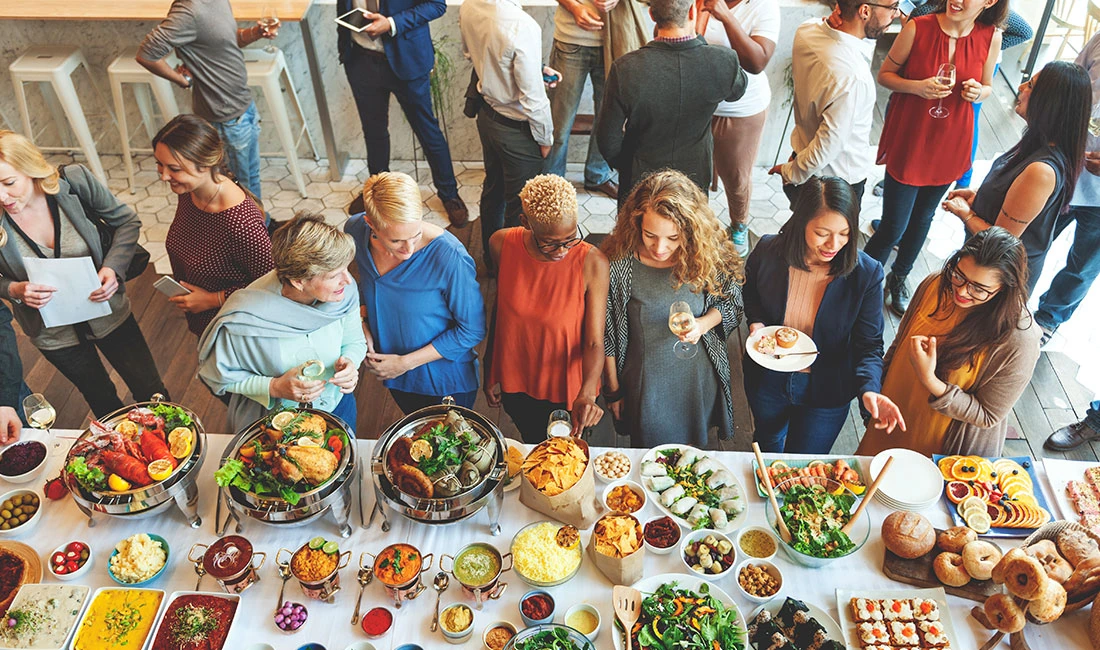
Planning tableware for community and church events isn’t simple. You’ve got to serve a crowd, stay on budget, and juggle quick setup and cleanup.
The right tableware choices can make meals smoother and take a load off volunteers’ shoulders. It’s all about finding what works for your group and event.
Match tableware strength, size, and material to your event type, menu, and guest count. Sturdy disposables are great for big crowds or outdoor gatherings. Reusable pieces fit smaller or formal occasions.
Serve food safely, quickly, and try to keep waste low. That’s the real aim here.
This guide dives into picking tableware that stands up to heavy use and fits all sorts of events. Materials, presentation, and planning details really do affect both function and cost. Let’s get into it.
Understanding Tableware Needs for Community and Church Events
Start by matching tableware to your event, crowd size, and setting. Clear choices help you keep costs down and service running smoothly.
Assessing Event Type and Guest Count
First, define the event and how folks will eat. Seated meals need full place settings, but buffets or potlucks get by with fewer items—just make sure plates are sturdy.
Guest count drives every tableware call. Always plan for extras in case of spills, drops, or unexpected guests.
Key factors to confirm early:
● Meal style: plated, buffet, dessert-only, or just drinks
● Guest count: expected number plus 10–15% extra
● Food type: hot, greasy, or heavy foods need tougher plates
For large church gatherings, disposables usually win. They make cleanup a breeze and protect against breakage.
Think about how long people will sit and how often they’ll come back for seconds. That shapes your tableware needs more than you’d expect.
Balancing Budget and Durability
Budget’s a big deal, but flimsy tableware is a headache. Plates that bend or leak just create more mess and stress.
Focus on durability first. Then, control costs by buying smart—bulk sets often save money and keep things looking consistent.
Cost-saving tips that don’t sacrifice quality:
-
Pick heavyweight plastic plates for full meals
-
Go with standard cups over fancy drinkware
-
Buy complete tableware sets to avoid mismatches
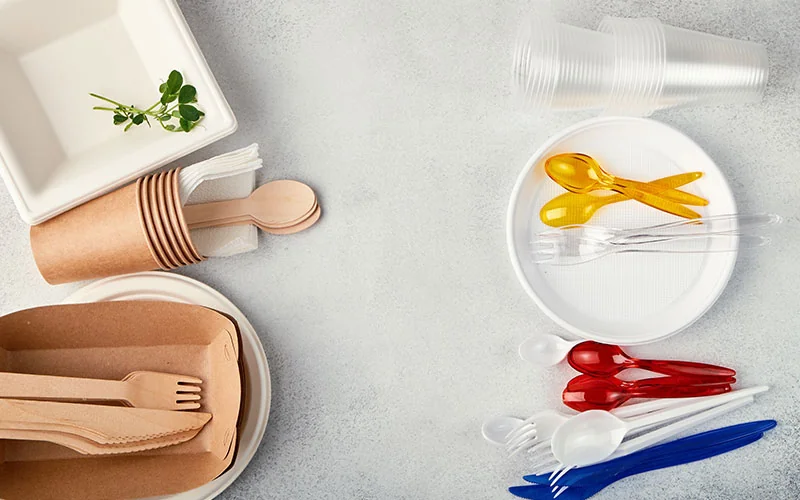
Reusable options add labor and storage needs. Disposables give you predictable costs and fast cleanup. Find your balance between upfront price and how well things hold up during service.
Aligning Tableware with Event Atmosphere
Tableware shapes how people feel about your event. Memorials call for calm, simple looks. Weddings or holiday dinners? Go for something a bit more polished.
You don’t need fancy patterns to set the right tone. Even rim color or plate shape can make a difference.
Atmosphere matching guide:
| Event Type | Tableware Style |
|---|---|
| Casual fellowship meal | Plain white or neutral plates |
| Formal church dinner | Plates with gold or silver rims |
| Youth or outdoor event | Durable, simple plastic sets |
Pick tableware that supports the mood but doesn’t steal the show. When you match your tableware to the event’s purpose, everything just feels more put together.
Types of Tableware: Durable and Suitable Options
Large groups need tableware that can take a beating and still look good. You want strength, safety, and easy service—without blowing the budget.
Dinnerware: Plates and Bowls for Large Groups
Choose dinnerware that won’t bend, crack, or spill easily. Heavyweight plastic and melamine are solid picks for church events, indoors or out.
They handle hot and cold foods and stack up nicely for serving lines. If you need disposables, palm leaf plates and bowls are strong and easy to toss after. They’re great for buffets and family-style meals.
Use 10–12 inch plates for full meals. For lighter menus, go with 8-inch plates.
| Material | Best Use | Key Benefit |
|---|---|---|
| Melamine | Reusable events | Break-resistant |
| Palm leaf | Disposable service | Compostable |
| Heavy plastic | High-volume meals | Cost control |
Flatware and Serving Utensils Selection
Flatware should feel sturdy and not snap under pressure. Reusable metal flatware works well for seated, formal meals—good for long events and regular use.
For bigger crowds and fast cleanup, heavy-duty plastic flatware is a better bet than the thin stuff. Wrapped sets keep things hygienic and speed up setup. Match forks, knives, and spoons to your menu to cut down on waste.
Don’t forget serving utensils. Use large spoons, tongs, and ladles with sturdy handles. They make buffet service faster and less messy.
Drinkware: Glasses, Cups, and Tumblers
Match drinkware to the drinks and the vibe. Tumblers work for water, juice, and soda. They stack well and don’t tip over easily.
For special events, plastic wine glasses give a nice look without the risk of breakage. Use champagne flutes for formal celebrations if you need them. Real glass isn’t great when kids or crowds are involved.
Disposables are best for outdoors. Indoors, reusable drinkware fits right in. Stick with coordinated sets so everything matches and stays easy to handle.
Comparing Materials: From Disposable to Reusable
Pick tableware based on your group size, budget, storage, and cleanup plans. Each material has tradeoffs in cost, care, and how long it lasts.
Disposable and Compostable Tableware Choices
Disposables are a lifesaver when you’ve got a big group and not much help. Paper plates, cups, and plastic tableware make setup and cleanup quick. Lots of churches use them for outdoor meals and fundraisers.
Compostable options are better for the planet—if you’ve got composting available. Compostable plates, cups, biodegradable cups, and palm leaf plates handle light to medium foods pretty well. Palm leaf holds up better than plain paper and shrugs off moisture.
Check your local composting rules before buying compostables. Otherwise, they might just end up as trash anyway.
Plastic and Melamine: Versatile Durability
Plastic tableware fits frequent events where you’re worried about breakage. Melamine plates, plastic trays, and plastic wine glasses resist chips and cracks. They’re easy to stack and store.
They’re cheaper than porcelain or glass and are great for youth groups or fellowship halls. You can run them through commercial dishwashers, but avoid high heat—it can warp plastic.
Plastic and melamine last longer than disposables, though they’ll need replacing eventually if you use them a lot.
Porcelain, China, and Glass Options
Porcelain, fine china, and bone china fit formal meals and sit-down services. They look classic and a lot of congregations like that style. Stoneware is a heavier, tougher choice for daily use.
Glass tableware and crystal are best for drinks at banquets or ceremonies. They feel solid but break more easily and need careful storage.
These materials need more hands-on care, more water, and more storage space. If you use them often and keep track of them, they can pay off in the long run.
Selecting Tableware for Specific Event Types
Pick tableware that fits the event, crowd size, and service style. The right stuff keeps things moving, cuts down on waste, and helps guests relax and enjoy their meal.
Formal Celebrations and Ceremonies
Formal services, weddings, and award dinners call for a clean, polished look. Use disposable plates with a smooth finish that won’t fold under hot food. Pair dinner plates with salad plates to keep courses tidy.
Add charger plates under the main plate for a layered look. Chargers protect linens and help keep things organized, without adding much extra cleanup. Stick to colors like white, ivory, or gold—they work for most ceremonies.
Choose matching cutlery and sturdy cups to avoid bending and spills. Serve food on flat trays with low edges so guests can help themselves without crowding.
● Dinner plates + salad plates
● Charger plates for seated meals
● Flat serving trays for shared dishes
Casual Gatherings and Outdoor Events
Picnics, youth nights, and outdoor meals need tableware that can handle a little chaos. Compartment plates keep foods separate and easy to carry—perfect for BBQs, potlucks, and buffets.
Pick thicker disposables that don’t fold or leak. Thin plates just cause problems. Covered cups help prevent spills when people are on the move.
Stackable serving trays make it easy for staff to refill food quickly. Go with simple colors so plates don’t clash with the food or setting.
● Compartment plates for mixed meals
● Durable disposable plates
● Deep serving trays for bulk food
Buffet and Self-Serve Arrangements
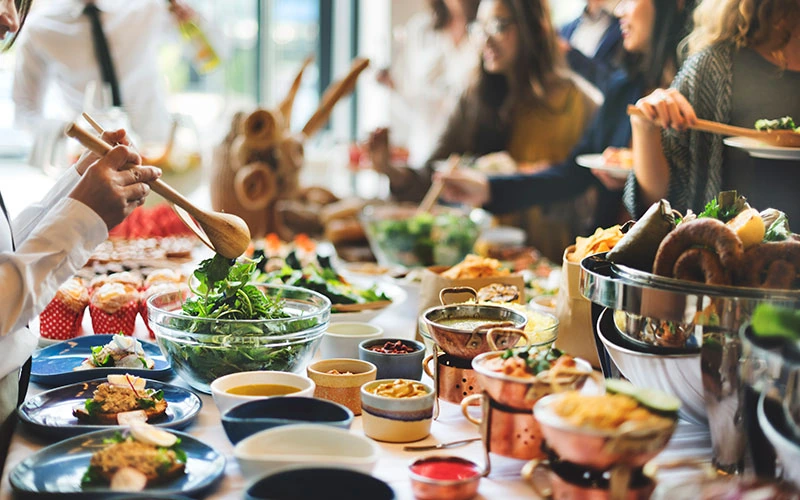
Buffets need tableware that keeps people moving. Pick plates that fit tray rails and stack without sliding. Compartment plates help guests portion food and cut down on trips back to the line.
Use big, stable serving trays with handles for safety. Label each tray so guests don’t have to pause and ask questions. Put smaller plates at the start to help control portions and reduce waste.
Keep napkins, utensils, and cups at the end of the line. That way, the flow keeps moving and no one gets stuck waiting.
| Item | Purpose |
|---|---|
| Compartment plates | Control portions |
| Salad plates | Reduce waste |
| Serving trays | Safe self-service |
Enhancing Presentation: Table Linen and Decor Essentials
Linen and décor choices make your tables look neat, welcoming, and easy to manage. Durable materials, a clear color plan, and a few simple accessories go a long way—no need to overcomplicate things.
Coordinating Table Linens and Runners
Choosing the right tablecloths and runners sets a clean base for your event. For big groups, polyester table linens are a solid pick—they resist wrinkles and wash up without fuss.
Light colors show stains fast. Mid-tone shades usually hold up better through the meal.
Table runners add color without hiding the whole table. They help mark head tables, buffet lines, or special seats.
Keep patterns simple so nothing clashes with the room’s style. No one wants a visual headache.
Helpful pairing tips:
● Solid tablecloths with patterned table runners
● Dark runners on light table linens for contrast
● Short runners on round tables to reduce dragging
Using Centerpieces and Tablescape Enhancements
Centerpieces set the vibe, but size and safety really do matter. Go for low centerpieces so guests can see each other and chat easily.
Weighted items are less likely to tip over, especially in busy rooms. For church and community events, practical centerpieces work best.
Try small floral arrangements, sturdy candle holders, or seasonal décor you can use again. Skip anything with strong scents or loose bits that might make a mess.
Smart centerpiece rules:
● Keep height under eye level
● Leave space for serving dishes
● Use durable, easy-to-clean materials
Placemats and Napkin Accessories
Placemats protect tables and make cleanup faster. Wipeable placemats are great for events that repeat, while paper ones work for single meals.
Placemats also define each setting when you skip the tablecloth. Napkin choices can change both the look and the budget.
Paper napkins or disposable napkins are perfect for large crowds and quick service. Linen napkins look fancy but need washing and storage.
Napkin rings add a nice touch but slow down setup, so maybe save those for smaller groups.
| Item | Best Use |
|---|---|
| Placemats | Protect tables, speed cleanup |
| Paper napkins | High-volume meals |
| Linen napkins | Formal services |
| Napkin rings | Small, seated events |
Practical Tips for Planning and Logistics
Solid planning keeps church and community events running smoothly. Get your headcount right, handle supplies smartly, and keep cleanup simple to serve big groups with less stress.
Estimating Quantities and Managing Extras
Start with a clear headcount and add a small buffer. For seated meals, plan one full table setting per person plus 5–10% extra for drops or last-minute guests.
Include plates, cups, cutlery, napkins, and serving items. Here’s a quick table for meal basics:
| Item | Per Person |
|---|---|
| Dinner plates | 1–2 |
| Cups | 2 |
| Cutlery sets | 1 |
| Napkins | 2 |
Plan extras with purpose. Keep to go boxes or meal prep containers on hand for leftovers.
This cuts food waste and helps volunteers or families who could use a meal after the event.
Storage, Transport, and Setup for Large Groups
Store tableware in labeled, stackable bins. Clear labels make setup faster and help you keep track of everything.
Seal food-contact items so they stay clean. Move heavy stuff first—plates, drink dispensers, that sort of thing.
Load lighter items like cups and napkins last to keep them safe. Carts or dollies are lifesavers in big venues and spare your back.
During setup, put supplies where people actually need them. Set plates at the start of the line, then cutlery and napkins after.
Stash extra tableware under tables or behind service areas for quick grabs without crowding the space.
Waste Management and Cleanup Considerations
Think about trash and recycling stations before anyone shows up. Put bins close to exits, food spots, and restrooms.
Clear signs help people sort things out faster. That way, cleanup doesn’t drag on forever.
Go for durable or reusable tableware if you can swing it. If you’re stuck with disposables, pick ones that stack easily—it’ll make collecting them way less of a hassle.
Pick a cleanup team and hand them a simple checklist:
● Gather up tableware and food waste
● Pack leftovers into meal prep containers
● Break down tables and wipe off surfaces
Break cleanup into short shifts. It’s just less exhausting, and things stay on track.