

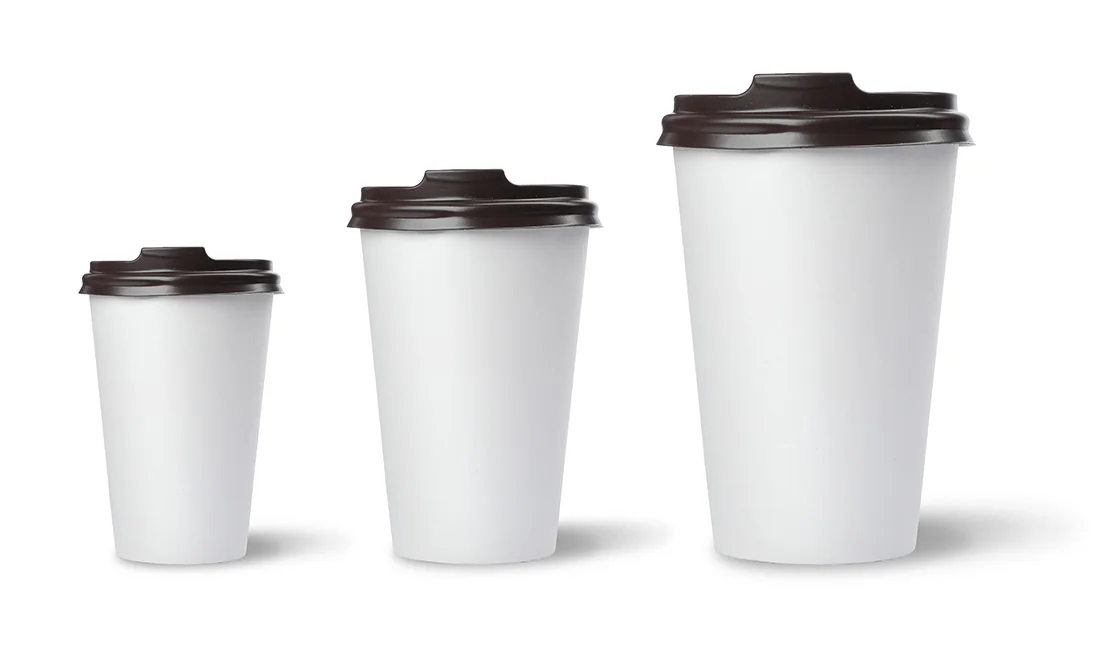
Selecting the correct disposable cup size affects beverage cost, portion control, and guest satisfaction at any event. Cups that are too small lead to spills and inefficient service, while oversized cups increase beverage waste and operating costs. The challenge is that cup capacity printed on packaging reflects maximum fill to the rim—not the usable volume available after accounting for ice, foam, or lid space. A 12 oz soda poured over ice, for example, requires a 16 oz cup to avoid overflow. This guide explains how cup sizing works across different drink types, identifies the advantages and disadvantages of common size ranges, and provides a clear selection framework for hosts planning events of any scale. Pairing the right cup sizes with quality disposable plates and napkins creates a consistent, well-organized serving experience from start to finish.
What Is Disposable Cup Sizing and Why Does Flush Fill Differ from Usable Volume?
Disposable cup sizing is a standardized measurement system that expresses a cup’s total liquid capacity in ounces or milliliters when filled completely to the rim, a reference point known as flush fill that typically exceeds the practical serving volume by 10–20% once ice, foam, or lid clearance is factored in.
This distinction matters because hosts who select cups based solely on flush fill numbers end up with portions that either overflow or look underfilled. A 16 oz cup comfortably holds about 14–15 oz during real-world service, and a 12 oz cup containing ice delivers roughly 10–11 oz of actual liquid. Understanding this gap between printed capacity and usable volume is the foundation of accurate cup selection. Common disposable cup sizes range from 8–12 oz for water and juice, 12–16 oz for beer and medium sodas, 9–14 oz for wine and cocktails, and 16–24 oz for large fountain drinks. The basic unit conversion—1 oz equals approximately 29.6 ml—helps when comparing products from suppliers who list sizes in different measurement systems.
What Are the Advantages and Disadvantages of Small, Medium, and Large Disposable Cups?
Small cups (8–12 oz) offer precise portion control and lower cost per unit but limit serving flexibility for ice-heavy drinks. Medium cups (14–16 oz) provide the most versatile all-purpose option but may over-serve light beverages. Large cups (20–24 oz) reduce refill frequency at high-volume events but increase material waste and beverage consumption.
What Are the Advantages and Disadvantages of Small 8–12 oz Cups?
Small 8–12 oz cups deliver the tightest portion control, making them ideal for settings where beverage consumption needs monitoring—wine service, cocktail tastings, children’s drinks, or formal seated dinners. Their compact size reduces both material cost and storage footprint, and they pair naturally with champagne flutes and wine glasses at events where alcohol portioning matters. The disadvantage is limited ice capacity. Any drink requiring more than minimal ice—iced coffee, soda, or a cocktail with crushed ice—fills these cups to the brim, increasing spill risk and forcing guests to request refills more frequently.
What Are the Advantages and Disadvantages of Medium 14–16 oz Cups?
Medium 14–16 oz cups represent the most versatile size category for event planning. A single 16 oz cup accommodates a 12 oz canned soda with ice, a standard beer pour with foam headspace, and most mixed drinks with room to spare. This versatility allows hosts to simplify inventory by stocking one cup size for multiple beverages. The tradeoff is that medium cups can over-serve lighter beverages—a 5 oz wine pour in a 16 oz cup looks underfilled, potentially prompting guests or servers to pour more than intended. For alcohol service, pairing medium cups with smaller dedicated wine glasses solves this issue by reserving the 16 oz cups for non-alcoholic or mixed drinks.
What Are the Advantages and Disadvantages of Large 20–24 oz Cups?
Large 20–24 oz cups reduce refill frequency at high-traffic venues—stadiums, outdoor festivals, concerts, and all-day events where guests have limited access to drink stations. Fewer refill trips mean shorter lines and smoother service flow. However, larger cups increase per-serving beverage cost, consume more storage space, and generate more material waste. At smaller gatherings like birthday parties or dinner receptions, 20–24 oz cups often result in half-finished drinks that get discarded, creating unnecessary waste. These sizes work best when large servings are intentional and the event format justifies reduced refill logistics.
Which Cup Sizes Work Best for Specific Drink Types at Events?
The optimal cup size for each beverage accounts for the liquid volume, the amount of ice typically added, and any headspace needed for foam or carbonation. Water and juice require less overhead than soda or beer, while cocktails and wine demand sizes that support responsible portioning.
What Size Cups Should Hosts Use for Water and Juice Service?
Hosts should use 10–12 oz cups for seated water service at meetings, dinners, or classrooms where refills are readily available. These sizes manage consumption efficiently and minimize waste. At self-service stations or outdoor events where guests fill their own cups, 16 oz cups provide enough room for ice while reducing return trips. For long-duration events such as all-day festivals or tournaments with limited refill access, 24 oz cups are practical despite the higher material cost. Juice service follows similar logic—8–10 oz cups suit breakfast buffets or tasting portions, while 12 oz cups accommodate a standard full serving.
What Size Cups Work Best for Soda and Carbonated Beverages?
A 16 oz cup is the most reliable standard for soda service because it comfortably holds a 12 oz canned soda plus ice without reaching the rim. Carbonation adds slight volume expansion, and the extra headspace prevents fizz-over when pouring. For fountain drink stations at larger venues, 20 oz cups accommodate a 16 oz pour with ice, while 24 oz cups serve as the large option at high-volume concession setups. Hosts running smaller events can simplify operations by using a single 16 oz cup size for both soda and water, reducing inventory complexity while covering the two most common non-alcoholic beverages.
What Cup Sizes Are Recommended for Beer Service?
A 16 oz cup is the standard choice for beer service because it holds a 12 oz beer pour with adequate headspace for foam—typically one to two inches depending on pour speed and beer style. Craft beers with heavier foam heads benefit from the extra room, while light lagers need less. At casual events and large gatherings, 16 oz cups also accommodate canned beer transfers cleanly. For festivals or sporting events where larger servings are offered, 20 oz cups hold a full pint with foam room. Hosts should avoid using cups much larger than the intended pour, as a 12 oz beer in a 24 oz cup looks underserved and may prompt over-pouring.
How Should Hosts Size Cups for Wine, Cocktails, and Mixed Drinks?
Wine and cocktail service requires smaller cups that support responsible alcohol portioning. A standard wine pour of 5 oz fits best in a 9–12 oz cup or, ideally, a dedicated wine glass designed to showcase the pour visually while controlling volume. For cocktails, 12 oz cups handle most recipes with moderate ice, while drinks containing extra mixers or crushed ice—such as mojitos or margaritas—fit better in 14–16 oz cups. Champagne flutes serve sparkling wine and mimosas at the correct 4–6 oz portion while adding an elegant visual element. Events serving both wine and cocktails can maintain consistent alcohol control by using 9–12 oz cups for wine and 12–16 oz cups for mixed drinks, with champagne flutes available for sparkling options.
How Should Hosts Select Cup Sizes When Planning Events and Buying in Bulk?
Hosts should begin by mapping each beverage on the menu to its ideal cup size, then consolidate to the fewest possible sizes that cover the full drink list. Bulk purchasing around two or three core sizes—typically a small option for wine and tastings, a medium option for soda, beer, and cocktails, and a large option only if high-volume self-service is needed—reduces both cost and storage demands.
When Does a Single Versatile Cup Size Simplify Event Service?
A single versatile cup size simplifies service when the event menu centers on beverages with similar volume requirements. A wedding reception serving beer, soda, and mixed drinks can often operate efficiently with a 16 oz cup as the universal standard—it handles all three categories with appropriate ice room. This approach reduces setup confusion, speeds up bar service, and eliminates the risk of running out of one size while having surplus of another. The limitation is that wine and champagne still require dedicated smaller vessels for proper portioning, so even a “single-size” strategy typically adds champagne flutes or wine glasses as a secondary element.
How Can Hosts Avoid Beverage Waste and Spills Through Proper Cup Sizing?
Hosts avoid waste and spills by selecting cups that provide headspace beyond the liquid volume rather than matching cup size exactly to the drink portion. A cup filled to the rim invites spills the moment a guest walks away from the serving station. The general rule is to choose a cup at least 25–30% larger than the liquid-plus-ice volume—a 12 oz drink with ice needs a 16 oz cup, not a 12 oz cup. At the same time, drastically oversized cups encourage over-pouring and leave guests with half-empty drinks that get discarded. Striking the balance—enough room for safe handling without excess capacity that drives waste—keeps service efficient and portions consistent. Pairing properly sized cups with sturdy plates and absorbent napkins rounds out a spill-resistant table setup.