

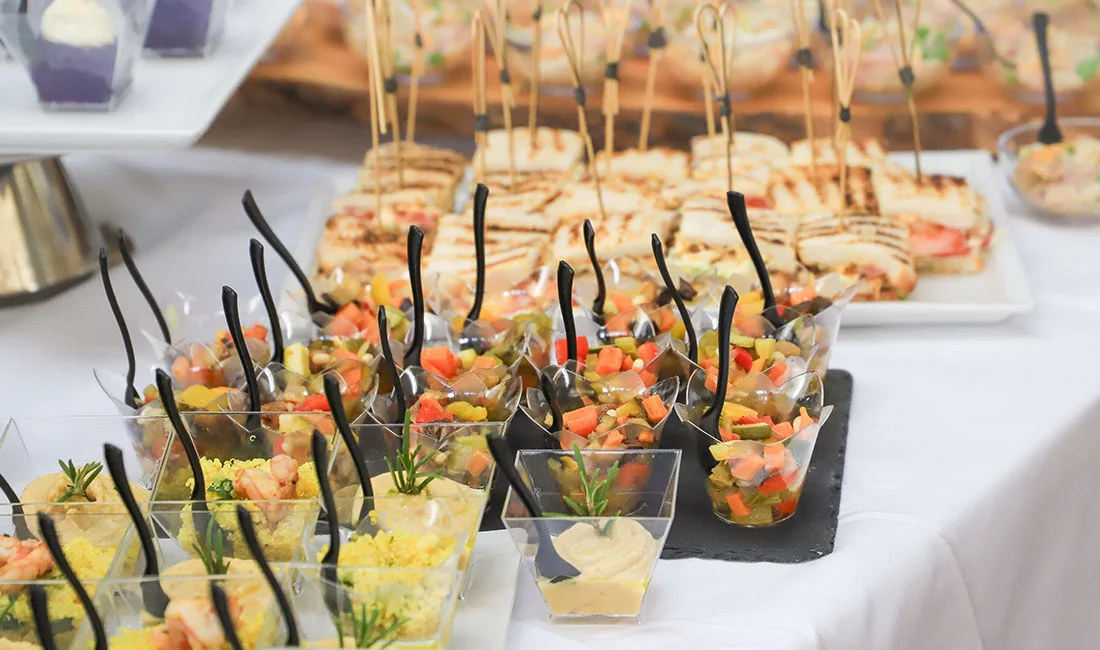
Finger foods need plates that are easy to hold and look clean on the table.
The best disposable plates for finger foods stay small, sturdy, and usually measure around 5 to 7 inches—just right for neat portions and guests on the move.
When your plate matches your food, the whole spread feels more put together. You want plates that fit how you serve.
For a casual gathering, simple paper or clear plastic works. A polished event might need compostable plates with a smooth finish or modern shape.
The right material keeps food in place and stops bending or leaks. Size and style shape how your appetizers look.
Small plates fit bite-size foods. Slightly larger ones handle sliders or desserts.
Choosing the Best Disposable Plates for Finger Foods
You need plates sized for small portions, strong enough to hold food, and matched to your event’s look. Size, material, and strength matter most for finger foods at parties.
Key Selection Factors for Appetizer Plates
Start with size. Most appetizer plates run from 5 to 8 inches, great for sliders, skewers, or small desserts.
Smaller plates help control portions and cut waste. Guests can hold them easily while standing.
Shape matters, too. Square and leaf shapes look modern, while round plates feel familiar and casual.
Shallow plates work for dry foods. Plates with a rim help with sauces and dips.
Color plays a role. White and clear plates keep the focus on the food.
Black or gold plates add contrast for formal events. Match plate style to your party setup and food type.
Disposable Plate Types and Materials
Material changes the look, cost, and cleanup. Plastic plates offer a clean finish and work for wet or oily foods.
Many plastic appetizer plates resist bending and come in clear or bold colors. Paper plates suit casual events and dry finger foods.
Thicker paper holds up better but can soak through with sauces. Foam plates feel light and insulate heat but lack a polished look.
For eco-focused events, try compostable and biodegradable plates. Bagasse plates use sugarcane fiber and handle heat well.
Bamboo plates add a natural style, and they work indoors or outdoors.
Strength, Durability, and Spill Protection
Strength matters when guests pile food on small plates. Look for heavy-duty disposable plates that resist bending.
This helps with loaded nachos, mini salads, or layered desserts. Edges and rims prevent spills.
Plates with raised sides or curved edges keep sauces in place. Flat plates work best for dry items like cookies or chips.
Use this quick guide:
| Food Type | Best Plate Feature |
|---|---|
| Saucy apps | Rimmed, sturdy plastic or bagasse |
| Dry snacks | Flat paper or bamboo |
| Hot foods | Thick plastic or bagasse |
Pick plates that match the weight and moisture of your food.
Appetizer Plate Sizes: What Works Best for Finger Foods
The right appetizer plate size helps you control portions and keep things neat. Size and shape both matter for finger foods, desserts, or tasting samples.
Recommended Dimensions for Appetizer Plates
Most appetizer plates fall between 5 and 7 inches. This range fits sliders, skewers, and small pastries.
With 5-inch plates, you can serve single bites, tasting menus, or passed snacks. These fit well in one hand and cut down on spills.
Many hosts use mini appetizer plates at cocktail events for this reason. 6- to 7-inch plates handle heavier items like mini sandwiches or cake slices.
These sizes also work when guests stand and move, balancing stability with easy handling.
| Plate Size | Best Use |
|---|---|
| 5 inches | One- to two-bite items |
| 6 inches | Mixed finger foods |
| 7 inches | Appetizers with sides |
Mini, Square, and Oval Plate Options
Mini appetizer plates and mini dessert plates work best for controlled servings. They help present food cleanly and limit waste.
These plates suit tastings, dessert bars, and sample stations. Square appetizer plates offer sharp edges and clear lines.
You can place food with more intent, which looks great. Many square plates also stack well and save table space.
Oval plates add flow and fit curved foods like shrimp or rolls. They guide the eye and reduce empty space.
Match the plate shape to the food. Square plates work for structured items, while oval plates fit organic shapes. Mini sizes keep the focus on the food.
Popular Materials: Plastic, Paper, and Eco-Friendly Choices
The material you pick changes how finger foods look, how easy they are to handle, and how much cleanup you face. Each option has its own strengths and tradeoffs.
Clear, White, and Colored Plastic Plates
Plastic plates work well for finger foods that need strong support. You can serve heavier appetizers like sliders, skewers, or loaded nachos without bending or leaks.
Many plastic plates resist grease and moisture, which helps food stay neat. Clear plastic plates and clear disposable plates highlight food colors and textures.
They suit upscale events where presentation matters. White plastic plates look clean and neutral, while colored plates tie into party themes or brand colors.
● High durability for stacked or sauced foods
● Consistent shape for easy passing and plating
● Reusable options that cut waste if washed
Check local rules about recycling plastic plates after use.
Compostable and Biodegradable Alternatives
Compostable plates work for eco-focused events and still hold up. Most use plant-based materials like bagasse plates from sugarcane fiber or bamboo plates from fast-growing plants.
These handle hot and cold finger foods well. You can serve spring rolls, meatballs, or mini tacos without sogginess.
Compostable plates often feel thicker than paper and keep their shape. Common features include:
● Biodegradable plates that break down in compost systems
● Neutral colors to keep attention on the food
● Sturdy surfaces for sauces and dips
Make sure you’ll have access to composting before ordering a lot.
Paper and Foam Plate Comparisons
Paper plates suit light finger foods like cookies, fruit, or chips. They cost less and store easily.
Uncoated paper plates work best for dry items, while coated versions handle small amounts of oil.
Foam plates insulate better and feel stronger than paper. They hold warm appetizers without heating up your hands.
Many areas now restrict or ban foam plates due to disposal issues.
Quick comparison:
| Feature | Paper Plates | Foam Plates |
|---|---|---|
| Best for | Light, dry foods | Warm, heavier foods |
| Cost | Low | Low to moderate |
| Disposal | Recyclable or compostable | Often restricted |
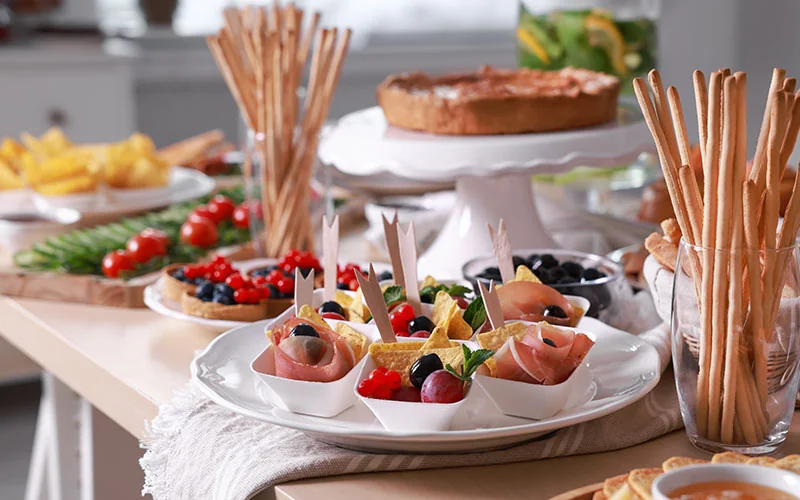
Pick based on food weight, heat, and your local rules.
Serving Styles That Enhance Presentation
You can boost how finger foods look by picking the right serving style. Plate height, utensil pairing, and color all change how guests see and handle each bite. Small layout changes often make party plates look more planned and clean.
Stacking and Layering Appetizer Plates
Stack or layer mini appetizer plates to add height on the table. This keeps displays from looking flat and helps guests spot different foods quickly.
Use plate stands, small boxes, or tiered trays to raise some items. Layering works best with light foods on top and heavier foods underneath.
Mini dessert plates and plastic dessert plates hold bite-size items without crowding. Keep stacks low so guests can grab food without spills.
● Use clear plastic plates to show off colors and textures
● Group similar foods on the same level
● Leave space between stacks to avoid clutter
Pairing Plates With Tasting Spoons and Mini Utensils
Add tasting spoons or mini forks to make finger foods easier to eat. Soft foods like mousse, dips, or chopped fruit need utensils to stay neat.
This also keeps hands clean at busy events. Match utensil size to plate size.
Mini dessert plates pair well with short spoons that fit inside the plate edge. Clear or black utensils usually blend in and don’t distract from the food.
| Food Type | Plate Type | Utensil |
|---|---|---|
| Dips | Mini appetizer plates | Tasting spoons |
| Desserts | Mini dessert plates | Mini forks |
| Samples | Plastic dessert plates | Short spoons |
Visual Appeal for Casual and Formal Events
Match plate style to your event. Casual gatherings work with simple shapes and clear plastic plates.
These keep the focus on the food and feel easy to use. Formal events look better with uniform colors like black, white, or gold.
Square or leaf-shaped party plates add structure without extra décor. Keep all plates and utensils in the same style to avoid a mixed look.
Small, even portions help the table feel organized and calm.
Practical Tips for Choosing and Using Disposable Appetizer Plates
Small details shape how finger foods look and how guests move through your spread. Plate color, size, and disposal method all matter for the experience.
Color Coordination and Theme Matching
Match plate color to both the food and the event style. White or clear disposable plates work well for colorful appetizers since they don’t distract from the food.
Dark plates suit light foods like cheese or pastries and hide crumbs. For casual events, kraft paper plates, bagasse plates, or bamboo plates fit rustic or outdoor themes.
For formal events, pick smooth white paper plates or clear plastic for a clean look. Use this quick guide:
● Neutral events: white paper, clear plastic
● Eco-focused events: bagasse or bamboo
● Kids or bright themes: solid color paper plates
Avoid heavy patterns—they can make small portions look cluttered.
Portion Control and Plate Capacity
Pick appetizer plates that actually fit how your guests like to eat. Most finger foods just work better on 5–7 inch plates.
This smaller size helps keep portions tidy and cuts down on wasted food. Thin paper plates are fine for dry things—think cookies or crackers.
Foam plates can handle heavier snacks, but honestly, they don’t look very classy. For saucy or warm bites, grab compostable plates made from bagasse.
Those hold up against soaking and bending way better than plain paper ones.Keep capacity in mind:
● Light bites: paper or bamboo plates
● Greasy or wet foods: bagasse or coated paper
● Mixed items: sturdy compostable plates
Don’t go for big plates—people just pile on too much.
Eco-Friendly Disposal and Recycling Advice
Try to think about disposal before you even buy plates. A lot of biodegradable plates need commercial composting, not just your backyard bin.
Bagasse and bamboo plates usually fall into this category, and it’s easy to miss that detail if you’re not looking for it.
Paper plates with food stains usually can’t go in recycling. Plastic and foam plates only recycle in a few places, so you’ve gotta check your local rules first.
Put up clear signs at trash stations. Label bins as compost, recycle, or landfill—it honestly helps people sort things out.
If you care about eco impact, you might want to pick:
● Bagasse plates: compostable, pretty sturdy
● Bamboo plates: compostable, lightweight
● Plain paper plates: easier to deal with than foam
Try not to mix materials if you can help it. Cleanup gets way easier that way.