

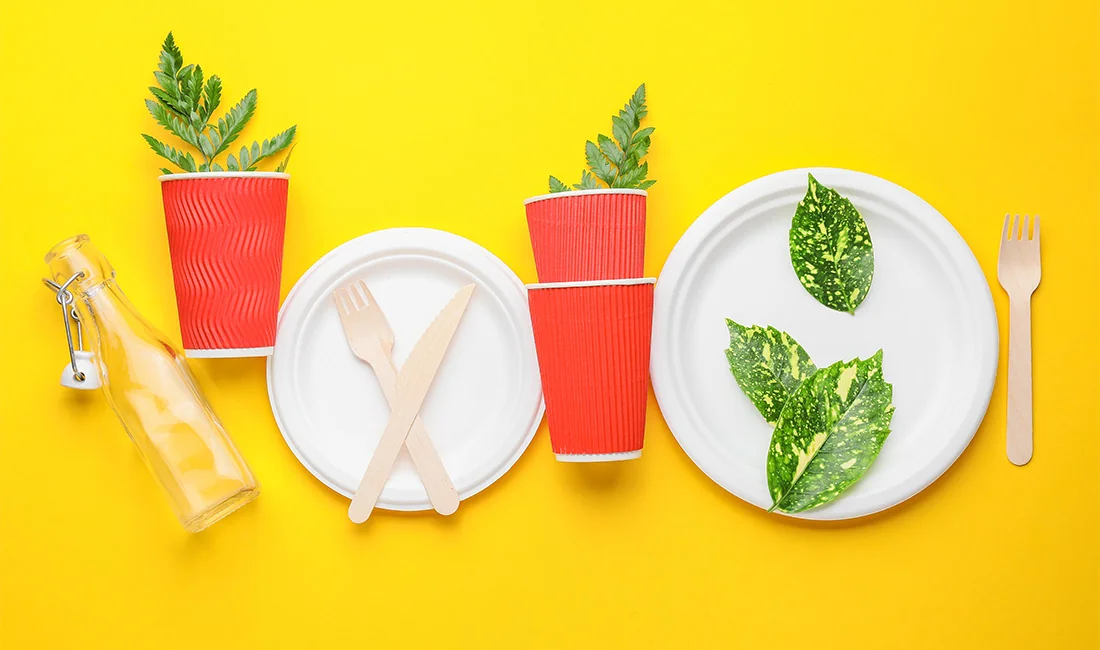
Disposable tableware myths often confuse you with half-truths about compostable plates, plastic dinnerware, food safety, and cost. Most disposable tableware myths fall apart when you check material standards, certification labels, heat limits, and real cost data.
You will learn why these myths persist, how performance facts challenge common beliefs, what food safety standards require, and how real costs compare over time. You will also see what truly matters when choosing disposable tableware, including certifications, material composition, and proper waste handling.
Why So Many Disposable Tableware Myths Still Persist Today?
Disposable tableware myths persist because you often hear simple claims repeated more than clear facts. You see bold headlines about plastic waste, compostable plates, or food safety risks, but you rarely see the full data. When messages repeat often, they start to feel true.
As research published in peer‑reviewed journals shows, experts study disposable tableware from three main angles:
-
Environmental impact (life cycle, biodegradation, marine pollution)
-
Food safety (chemical migration, contamination risks)
-
Material innovation (bamboo, bagasse, plant-based plastics)
If you only hear one angle, you get an incomplete picture.
Marketing also plays a role. Terms like eco-friendly or compostable sound clear, but they depend on local composting systems and proper disposal. Without that context, you may assume all plant-based products break down quickly anywhere, which is not always true.
Finally, habits shape belief. If you grew up using disposable plates at parties or in healthcare settings, you may accept common claims without checking them. When convenience culture meets environmental concern, myths spread fast.
What are Common Myths About Disposable Tableware?
Many people misunderstand disposable tableware because they focus on low-cost plastic plates from the past. In reality, modern disposable plates, plastic utensils, and compostable disposables vary in material, safety, and design.
Myth: All Disposable Plates and Utensils Are Harmful
You may think all disposable tableware damages the environment or your health. That is not accurate.
Some plastic plates and plastic utensils use food-grade, BPA-free materials that meet safety standards. In the U.S., manufacturers must follow FDA rules for food contact. In the EU, products must meet similar food safety regulations.
You also have non-plastic options:
-
Bagasse plates made from sugarcane fiber
-
PLA cups made from plant starch
-
CPLA cutlery designed for higher heat
-
Paper-based disposable dinnerware with compostable linings
Certified compostable products break down under controlled composting conditions. Look for labels such as BPI, EN13432, or OK Compost. These marks show that the product meets tested standards, not just marketing claims.
Myth: Disposable Tableware Lacks Style or Quality
You might picture thin plastic tableware that bends under hot food. That image does not reflect today’s market.
Modern disposable plates come in:
-
Matte black and white finishes
-
Clear, rigid plastic that mimics glass
-
Textured or embossed designs
-
Heavy-duty molded fiber styles
Many plastic utensils now have thicker handles and stronger tines. High-quality CPLA forks can cut firm foods without snapping. Molded fiber bowls hold hot soup without leaking when used as directed.
Myth: All Disposables Are the Same
You may assume every disposable plate performs the same way. In fact, materials differ in strength, heat tolerance, and end-of-life options.
For example:
|
Material |
Heat Resistance |
Compostable |
Typical Use |
|
PS plastic plates |
Moderate |
No |
Cold foods |
|
PP plastic plates |
Higher heat tolerance |
No |
Hot meals |
|
Bagasse plates |
Up to high temperatures |
Yes* |
Hot foods |
|
PLA cups |
Low heat tolerance |
Industrial* |
Cold drinks |
If you serve hot pasta or soup, thin plastic plates may warp. If you use PLA cups for hot coffee, they may soften. Matching the material to the food type prevents spills and waste.
Disposable tableware is not one category. It includes plastic plates, compostable fiber bowls, paper cups, and heavy-duty plastic utensils, each designed for specific uses.
Myth: They Always Look Cheap
You may worry that disposable dinnerware will make your event look low-budget. That depends on what you choose.
Low-cost disposables often use thin plastic and basic shapes. Premium plastic tableware uses thicker resin, smooth edges, and balanced weight. Some clear plastic plates resemble glass from a short distance.
Color also matters. Solid white, black, or neutral tones often look cleaner than bright or translucent colors. Coordinated sets of disposable plates and plastic utensils create a consistent look across the table.
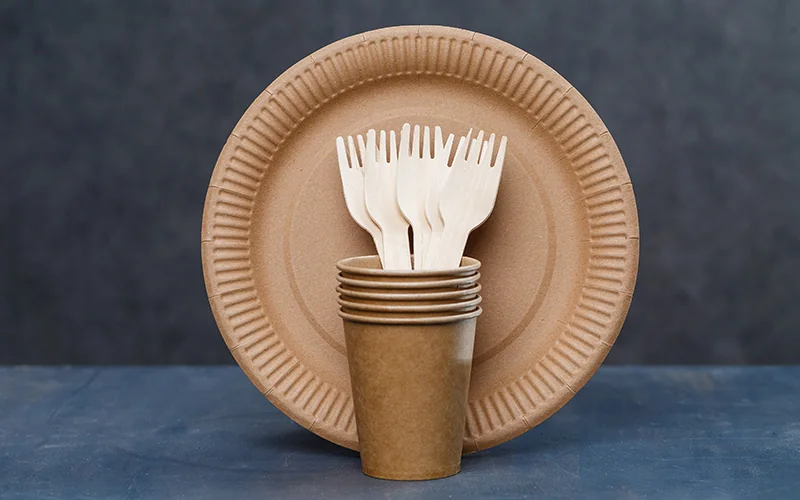
What to Know About Food Safety When Evaluating Disposable Tableware?
You need to check material safety, heat limits, and regulatory compliance when evaluating disposable tableware. Focus on how plastic dinnerware or plant-based options interact with food, especially hot or acidic items. You will learn what labels mean, which standards matter, and how to reduce risks like chemical leaching and microplastics.
Start with compliance. In the U.S., food-contact plastics must meet FDA 21 CFR rules. In the EU, products must follow Regulation (EC) No 1935/2004. These laws require migration testing to confirm that substances do not move from plastic containers into food at unsafe levels.
Do not rely only on “BPA-free” labels. BPA-free means the product does not use bisphenol A, but it may use similar chemicals. Always review third-party lab reports when possible.
Pay close attention to heat and food type. Higher temperatures and acidic foods can increase chemical migration in plastic dinnerware.
Key factors to review:
-
Material type: polypropylene, polystyrene, PLA, bamboo
-
Heat tolerance: safe use range in °C
-
Intended use: hot foods, cold storage, microwave use
-
Certifications: FDA compliance, BPI, OK Compost
-
Testing data: migration and heavy metal limits
Consider environmental impact as well. Some plastic containers can shed microplastics as they age or break down. Compostable items reduce plastic waste but still require proper certification and correct disposal conditions.
When you compare options, base your decision on verified safety data, not marketing claims.
How Cost-Related Disposable Tableware Myths Compare With Reality?
Cost myths claim that compostable tableware and biodegradable plates always cost too much. In reality, the price gap has narrowed, and total cost depends on more than unit price.
You often see lower prices on plastic straws and foam plates. But these products rely on fossil fuels, and many cities now add plastic taxes or ban certain items. Those rules raise your long-term costs through fines, higher waste fees, or forced product changes.
Eco-friendly tableware made from renewable resources like bagasse or paper may cost more per piece. Yet bulk orders and stable supply chains reduce the gap. Industry data from composting groups and packaging audits show that large buyers can lower per-unit costs by 20–30% compared to small orders.
Consider the full cost, not just the invoice price:
-
Unit price per plate, cup, or straw
-
Waste management fees and landfill charges
-
Compliance risks under local plastic laws
-
Brand impact and customer preference
Paper straws and compostable cutlery may seem expensive upfront. However, they can lower risk in regions with strict single-use plastic rules. Many foodservice operators report that clear eco-friendly policies help retain customers who prefer sustainable options.
What Truly Matters When Choosing Quality Disposable Tableware?
You should focus on material, durability, safety, and verified sustainability when choosing quality disposable tableware. These factors affect performance, cost, and environmental impact. You will learn how to judge strength, review certifications, and compare options like sustainable tableware and edible cutlery.
Start with the material. Look for sugarcane bagasse, bamboo fiber, palm leaf, or certified compostable bioplastics such as PLA. These materials can support sustainable tableware goals when backed by standards like ASTM D6400 or EN 13432.
Strength matters just as much as eco claims. Plates should hold hot, oily, or heavy food without bending or leaking. High‑quality disposable dishes use dense fiber or heavy-duty molding to prevent soggy bottoms and spills.
Check for real certifications, not vague terms like eco-friendly or green. Trust marks such as BPI Certified Compostable or OK compost show that the product meets tested compostability standards. This helps you avoid greenwashing.
Also review food safety. Choose non-toxic materials with no added PFAS or harmful coatings. Reliable suppliers clearly list ingredients and compliance with food contact rules.
Consider use and disposal. Compostable products need proper composting systems. Edible cutlery works well for dry foods and short events but may not suit hot soups.
Use this quick checklist:
|
What to Check |
Why It Matters |
|
Certified compostable |
Confirms real standards |
|
Strong construction |
Prevents leaks and waste |
|
Safe materials |
Protects health |
|
Clear labeling |
Shows transparency |
FAQs
What environmental impacts does disposable tableware have?
Plastic plates and cutlery rely on fossil fuels. Their production releases greenhouse gases, and most plastic tableware can last hundreds of years in landfills.
Paper plates and bowls use wood pulp, water, and energy. If they have plastic or wax linings, they often cannot break down easily or be recycled.
Compostable tableware made from bagasse or PLA reduces fossil fuel use, but it still requires energy and proper composting facilities. Without industrial composting, many compostable products act like regular waste.
Improper disposal increases litter and marine pollution. Lightweight items can enter waterways and break into microplastics, which harm wildlife.
How does the use of disposable tableware affect long-term sustainability?
Heavy use of disposable tableware weakens long-term sustainability goals.
Single-use systems depend on constant raw material extraction. You replace plates, cups, and cutlery after one meal, which increases demand for pulp, bioplastics, or petroleum-based plastics.
Landfills fill faster when communities rely on disposable products. Waste management costs rise, and cities must expand landfill space or invest in new treatment systems.
Even compostable products require specific conditions. Industrial composting needs controlled heat, moisture, and airflow. Many regions lack enough facilities to process all compostable packaging.
Reusable tableware usually lowers total environmental impact over time when you wash and reuse it many times. Life cycle studies from environmental agencies show that repeated use spreads out the energy and material costs.
Can disposable tableware be effectively recycled, and what are the challenges?
No, most disposable tableware cannot be effectively recycled in standard systems.
Plastic tableware often uses mixed resins or low-value plastics. Recycling centers may reject items contaminated with food, grease, or sauces.
Paper plates with plastic linings are difficult to separate into clean paper fiber. This makes them unsuitable for most curbside recycling programs.
Compostable PLA and bagasse should not go into plastic recycling bins. When you mix compostables with recyclables, you contaminate the recycling stream and lower material quality.
Effective recycling depends on clear labeling, local infrastructure, and proper sorting. Without these, most disposable tableware ends up in landfills or incineration facilities.