

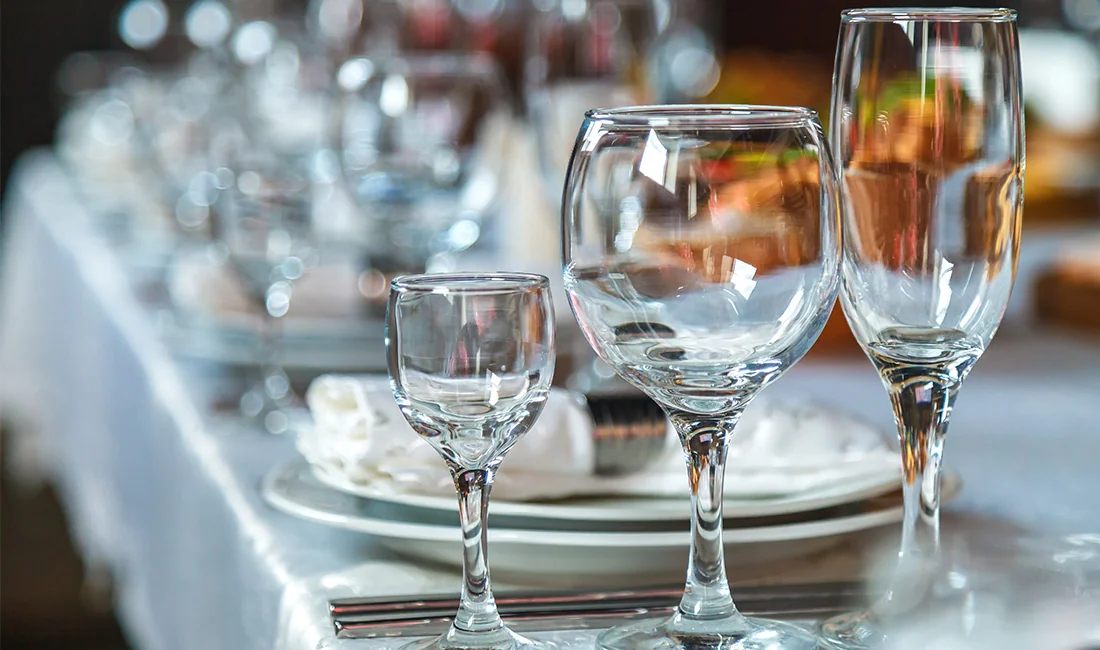
Selecting the right disposable wine glass can influence how wine smells, tastes, and even feels when held. Glass size and bowl shape remain important factors, even when disposable plastic drinkware is used. The ideal disposable wine glass capacity and shape generally depend on the style of wine being served and the intended pour size.
Most disposable wine glasses range from approximately 5 to 12 ounces, although some larger formats are also available. Smaller cups are often used for tastings or dessert wines, while larger bowls provide red wines with more room for aeration. Narrow bowls help keep white wines cooler, while wider bowls allow fuller-bodied red wines to release more aroma.
Glass shape also guides aroma concentration and influences how each sip reaches the palate. Tall, slender glasses typically suit sparkling wines, while rounder bowls are often preferred for many red wines. Understanding these basic relationships between capacity and shape makes it easier to select disposable wine glasses that match the wine style, event setting, and serving portion.
Why Wine Glass Size and Shape Matter
Glass size and shape influence how wine smells, tastes, and appears in the glass. Proper capacity and bowl design affect aeration, oxidation, and temperature, even when disposable drinkware is used.
Impact on Aroma, Flavor, and Presentation
Wine releases aromatic compounds when it interacts with air. A wider bowl increases the wine’s surface area, allowing aromas to develop more easily and rise toward the nose.
A narrower rim helps contain those aromas within the bowl instead of allowing them to disperse. Disposable wine glasses with a gentle inward curve near the rim can assist with aroma concentration.
Shape also influences how wine reaches the palate. Broader bowls are commonly used for red wines that benefit from greater aeration, while smaller bowls are often suitable for white wines that require less oxygen exposure.
Presentation also plays a role. Properly sized glasses leave space above the pour, known as headspace, which prevents the glass from appearing overly full and allows aromas to develop more effectively.
Role of Glass Size in Aeration
When wine is poured into a glass, it begins interacting with oxygen. The size of the bowl determines how much air reaches the wine.
A larger bowl allows more oxygen contact, which can soften tannins in red wines and encourage flavors to open gradually. However, excessive air exposure may accelerate oxidation and diminish delicate aromas.
Disposable wine glasses are commonly available in these capacities:
-
5 oz (150 ml) for tasting portions
-
8–12 oz (240–355 ml) for standard service
-
Up to 16 oz for larger red wine glasses
Wine glasses are typically filled to about one-third of their total capacity, leaving enough room for swirling without spilling and supporting proper aeration.
Selecting the appropriate glass capacity helps balance aeration and oxidation during service.
How Shape Influences Temperature and Enjoyment
Wine temperature can change quickly after pouring. Bowl shape and rim width influence how quickly this occurs.
Tall, narrow glasses reduce air exposure, which helps chilled white or sparkling wines remain cool for longer periods. Narrow shapes also help preserve carbonation in sparkling wines.
Wider bowls expose wine to more air and can allow red wines to warm slightly after pouring, which may enhance aroma expression when served just below room temperature.
Stemmed disposable glasses can reduce heat transfer from the hand to the bowl. Stemless designs create a more casual appearance but may transfer warmth more directly to the wine.
Maintaining appropriate temperature helps preserve flavor balance and allows wines to be enjoyed as intended.
Standard Disposable Wine Glass Capacities
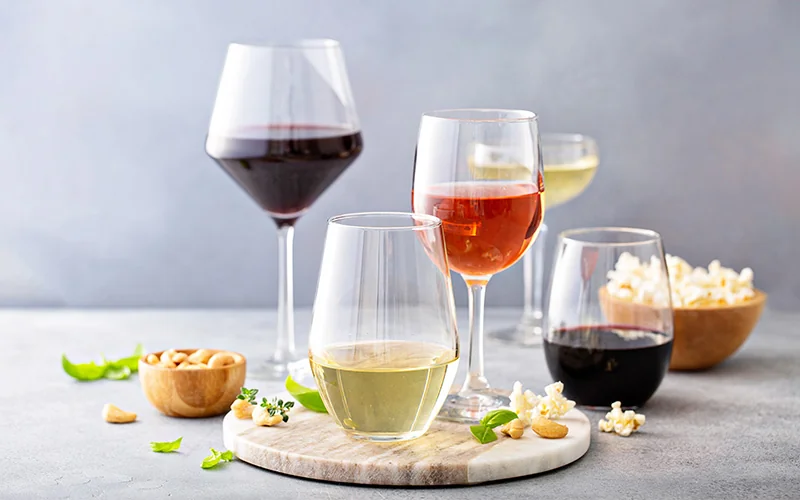
Disposable wine glasses are produced in several capacities that accommodate different wine styles and service situations. Capacity affects pour size, aeration, and serving consistency.
Common Sizes for Red, White, and Sparkling Wines
Most disposable wine glasses range from 8 to 20 ounces in total capacity, which represents the maximum fill rather than the standard serving size.
Disposable red wine glasses commonly hold 16 to 20 ounces. The larger bowl provides additional space for aeration, although actual pours are usually smaller.
White wine glasses generally hold 12 to 16 ounces. Their bowls are typically narrower to help preserve cooler serving temperatures and concentrate aromas.
Disposable champagne flutes often hold 6 to 10 ounces, with tall, narrow shapes that support carbonation.
Smaller dessert wine glasses typically hold 4 to 8 ounces, accommodating smaller pours for sweet or fortified wines.
Typical Pour Volumes and Their Purpose
A common wine serving size in many settings is approximately 5 ounces (150 ml) for red or white wine. A standard 750 ml bottle generally provides about five servings.
Even when a red wine glass has a 16-ounce capacity, the typical pour remains around 5 to 6 ounces. This leaves space for swirling and prevents spills.
White wine servings are often slightly smaller, usually 4 to 5 ounces, which helps maintain cooler temperatures.
Sparkling wine in flutes is typically poured at 4 to 6 ounces, while dessert wines are often served in 2 to 3 ounce portions due to their sweetness and higher concentration.
Choosing an appropriate glass size helps maintain consistent serving portions.
Variety of Disposable Glass Sizes by Occasion
Event type often influences the most practical disposable wine glass size.
For weddings and formal dinners, planners frequently select 12–16 ounce glasses, which can accommodate both red and white wines and simplify drinkware selection.
Wine tastings often use smaller 5–8 ounce cups, allowing guests to sample 1–2 ounce pours while evaluating several wines.
For large festivals or outdoor gatherings, sturdy 9–12 ounce glasses are common because they help control portion size and reduce beverage waste.
Dessert receptions may incorporate small dessert wine glasses, while holiday celebrations frequently use narrow champagne flutes with 6–8 ounce capacity.
Matching glass size to the event helps maintain efficient beverage service.
Bowl Shapes and Their Effects on Different Wines
Bowl shape determines how much oxygen contacts the wine, how aromas collect inside the glass, and how wine flows across the palate. Even with disposable glasses, bowl curvature and rim design can influence sensory experience.
Wide Bowls for Full-Bodied Reds
Wide bowls are generally suited for full-bodied red wines that contain higher tannin levels and complex aromas. Increased surface area allows greater oxygen interaction, which can soften tannins and release aromatic compounds.
A Burgundy-style bowl, for example, features a broad rounded shape often used for aromatic reds such as Pinot Noir. This wider form allows delicate fruit and earthy aromas to develop.
Bordeaux-style glasses typically feature tall bowls with slightly narrower openings. These shapes are associated with structured red wines such as Cabernet Sauvignon or Merlot and guide wine toward the back of the palate.
For disposable versions, glasses with rounded bowls generally perform better than straight-sided cups because they provide more room for airflow and aroma development.
Narrow Bowls for Whites and Sparkling Wines
White wines typically benefit from narrower bowls. Reduced surface area limits oxygen exposure and helps maintain crisp acidity and fresh fruit aromas.
Narrower shapes also help slow temperature changes, allowing chilled wines to remain cool longer.
Sparkling wines require even more control over air exposure. Tall, narrow glasses reduce the rate at which bubbles escape.
Although traditional flutes are very slim, some modern designs include a subtle curve that enhances aroma expression while still preserving carbonation.
Disposable sparkling wine glasses with narrow openings usually maintain carbonation more effectively than wide cups.
Tulip and Tapered Designs for Aroma Concentration
Tulip-shaped glasses expand outward and then taper inward near the rim. This design helps capture aromas inside the bowl and direct them toward the nose.
Tapered glasses function similarly by concentrating scent compounds and enhancing aroma perception.
These shapes are often associated with aromatic white wines such as Riesling or Sauvignon Blanc, as well as certain lighter red wines.
The inward curve also helps guide wine toward the center of the palate, which can balance acidity and fruit flavors.
Disposable glasses with a visible taper or inward rim generally offer better aroma concentration than completely straight designs.
Choosing the Right Disposable Wine Glass for Each Wine Style
Disposable wine glasses should match both the wine style and the intended serving size. Capacity and bowl shape influence aroma development, temperature stability, and drinking comfort.
Red Wine: Suitable Capacity and Bowl Shape
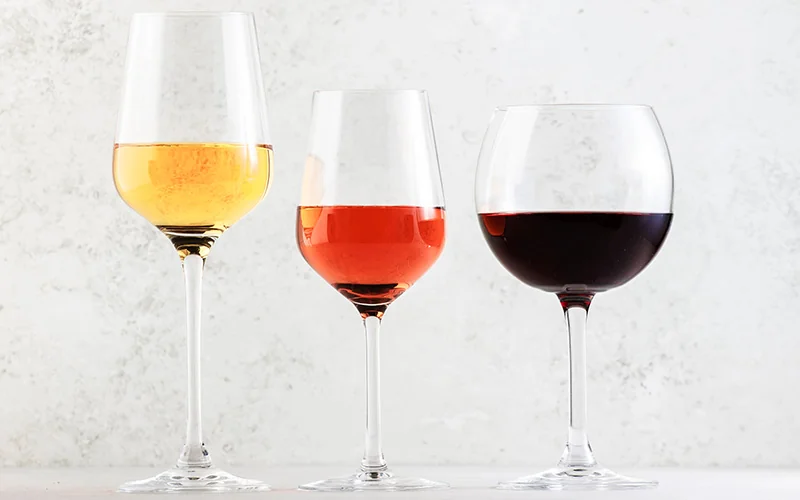
Red wine glasses usually require a larger bowl to support aeration. Disposable versions with 12–16 ounce capacity often provide adequate space, even though pours typically remain around 5 ounces (150 ml).
Rounded bowls with a slight taper allow oxygen interaction while helping concentrate aromas in wines such as Cabernet Sauvignon or Merlot. Lighter reds, including Pinot Noir, also benefit from gently rounded shapes that allow swirling.
Common characteristics of disposable red wine glasses include:
-
Broad bowl diameter
-
Stable base or short stem
-
Clear, rigid plastic construction
Very narrow cups may restrict aroma development and provide less effective aeration.
White Wine: Appropriate Size and Shape
White wine glasses are typically smaller and narrower. Disposable glasses with 9–12 ounce capacity generally accommodate typical pours of 4–5 ounces.
Slender bowls help maintain cooler temperatures while directing aromas upward without excessive oxygen exposure. Crisp white wines such as Sauvignon Blanc or Pinot Grigio often perform well in these shapes.
Richer white wines such as Chardonnay may benefit from bowls that are slightly wider, allowing additional aroma release.
Common design features include:
-
Narrower bowl compared with red wine glasses
-
Moderate rim taper
-
Lightweight but rigid plastic material
Oversized glasses may cause white wines to warm too quickly.
Sparkling Wines: Flutes, Coupes, and Alternatives
Sparkling wine glasses are designed to preserve carbonation. Disposable champagne flutes often hold 5–7 ounces and feature tall, narrow bowls.
The flute shape slows bubble loss and directs aromas upward, making it suitable for sparkling wines such as Champagne or Prosecco.
Coupe glasses have a wider, shallow bowl that allows bubbles to dissipate more quickly. These glasses are often chosen for visual style rather than carbonation retention.
Some disposable glasses use tulip shapes that widen slightly in the middle and narrow at the rim, balancing aroma expression with bubble preservation.
Important features for sparkling wine glasses include:
-
Tall, narrow profile
-
Firm rim structure
-
Smaller overall capacity
Dessert and Fortified Wines: Smaller Glass Designs
Dessert wines are typically served in smaller glasses because these wines are richer and more concentrated. Disposable dessert wine glasses usually hold 2–4 ounces (60–120 ml).
Compact bowls help maintain portion control and intensify aroma concentration. Sweet wines such as late-harvest styles often benefit from this smaller format.
Fortified wines are often served in glasses with narrow, tapered bowls that help concentrate aroma while moderating oxidation.
Important design considerations include:
-
Small capacity
-
Narrow opening
-
Stable base
Large cups can dilute aroma concentration and encourage excessive pours.
Tips for Selecting Disposable Wine Glasses
Selecting disposable wine glasses often involves balancing functionality, appearance, and event requirements. Bowl shape, capacity, cost, and convenience all influence the final choice.
Balancing Function, Style, and Event Requirements
Wine style is typically the first consideration.
Red wines usually benefit from glasses with 12–16 ounce capacity, while white wines often perform well in 8–12 ounce glasses with narrower bowls.
Universal wine glass designs can simplify service when multiple wine styles are offered. These glasses are shaped to accommodate red, white, or rosé wines while reducing the need for multiple drinkware types.
Event setting may also influence glass selection:
-
Stemmed glasses often suit formal dinners or weddings
-
Stemless glasses may provide greater stability for outdoor events
-
Stackable designs can help conserve table space during large gatherings
Material also affects durability and appearance. Rigid plastics such as polycarbonate may resemble glass more closely, while lighter plastics such as PET are often used for single-use drinkware.
Budget and Practicality Considerations
Cost often becomes an important factor, particularly for large guest lists. Evaluating the cost per unit can provide a clearer comparison between options.
Disposable glasses simplify cleanup after events. Reusable plastic glasses may involve a higher initial cost but can sometimes be used multiple times if they are designed for repeated use.
Glass capacity can also influence beverage costs. Larger glasses may encourage larger pours, while smaller tasting glasses help maintain portion control.
Environmental considerations may also influence decisions. Some disposable wine glasses are manufactured from recyclable materials, although recycling availability varies depending on local waste management systems.
Selecting glasses with appropriate durability, capacity, and cost can help ensure that the drinkware supports the event without creating unnecessary complications.