

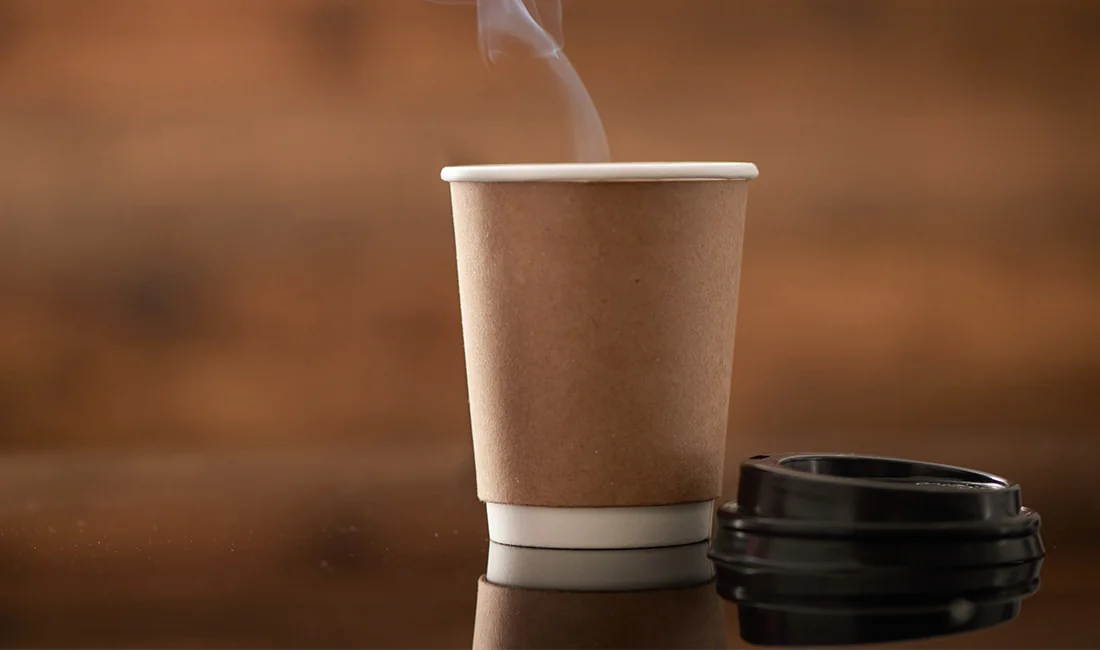
Hot soup and coffee push disposable tableware to its limits. When the wrong bowl or cup meets high heat, leaks, warping, and burns can follow. This guide explains how heat affects common materials and why some options fail under pressure.
Safe disposable tableware for hot soup and coffee uses heat‑resistant materials made for hot liquids, such as polypropylene cups, bagasse bowls, PLA‑coated paper, and sturdy wooden cutlery. Products built for heat keep their shape, block leaks, and avoid chemical transfer during serving and carryout.
The sections ahead break down real risks, clear safety criteria, and smart material choices. They also cover lids, spoons, and health and sustainability factors that matter when serving hot foods on the go.
Essential Risks of Hot Soup and Coffee in Disposable Tableware
Hot soup and coffee place stress on disposable cups and bowls. Heat can weaken containers, release chemicals, and raise the risk of burns. Choosing the wrong item can lead to leaks, spills, or health concerns.
Heat Exposure and Tableware Failure
High heat can soften or warp disposable tableware. Thin plastics lose shape when they hold liquids above 160°F (71°C), a common temperature for soup and coffee. Lids may loosen, and seams can split.
Some materials fail faster than others. Polystyrene foam, often marked Recycling Code #6, can crack or compress under heat. PVC containers should never hold hot food. They can deform and release harmful compounds.
Materials that handle heat better include:
-
Paper cups with a heat-rated lining
-
Polypropylene (Code #5) marked as microwave-safe
-
Bagasse or molded fiber bowls
Using containers made for hot service reduces leaks and collapse during handling.
Chemical Leaching Concerns
Heat can cause certain plastics to release chemicals into food or drinks. This process, called leaching, increases as temperature rises. Some plastics contain BPA or phthalates, which can move into hot liquids.
Not all “BPA-free” items work for heat. The container must also list food-grade and heat-safe use. Single-use plastics not designed for heat pose higher risk, especially when reused.
Higher-risk materials for hot use include:
-
Polystyrene foam (#6)
-
PVC-based plastics
-
Unlabeled or generic plastic containers
Glass, coated paper, and certified heat-safe plastics lower the chance of chemical transfer when used as intended.
Burn and Spill Hazards
Hot liquids can cause serious burns in seconds. Coffee and soup served above 160°F can cause skin injury on contact. Weak containers raise the chance of spills during transport or use.
Loose lids, thin walls, and poor grip add to the danger. Cups without sleeves transfer heat to hands. Bowls without rigidity tip more easily.
Common spill risks include:
-
Overfilled containers
-
Warped rims that prevent tight lids
-
Stacking containers not built for weight
Stable designs, secure lids, and proper fill levels reduce injury risk for customers and staff.
Key Criteria for Safe Disposable Bowls and Cups
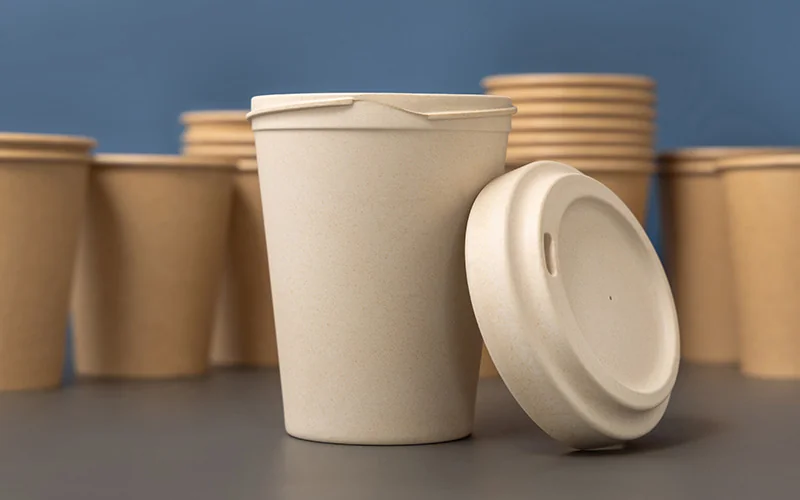
Safe disposable tableware must handle high heat, hold liquid without leaks, and prevent spills during normal use. Material choice, build quality, and lid fit directly affect safety when serving hot soup or coffee.
Heat Resistance Ratings
Heat ratings show how well a bowl or cup handles hot food without warping or softening. Many paper bowls use a thin lining to block heat and moisture. Some molded fiber and bagasse bowls handle higher temperatures than standard paper.
Plastic cups and bowls vary widely. PP (polypropylene) often handles hot liquids better than other plastics. Foam insulates well but can deform under very high heat.
Check these points before use:
-
Labeled temperature limits from the maker
-
Suitability for boiling liquids, not just warm food
-
Clear statements for soup or hot drinks
A product rated for hot soup usually performs better than one made for general use.
Leak-Proof and Structural Integrity
Leak resistance matters as much as heat resistance. Hot liquids find weak seams fast. Bowls should keep their shape when filled and lifted.
Thicker walls help prevent soft spots and bending. Pressed fiber, coated paper, and heavy-duty plastic often perform better than thin paper. Flat bases also reduce tipping.
Signs of better structure include:
-
Reinforced rims and smooth seams
-
Coatings that resist soaking
-
Firm walls that do not flex when held
Products designed for soup often pass liquid-hold tests. These tests measure how long a bowl holds hot liquid without leaks or damage.
Lid Security and Spill Prevention
A secure lid lowers burn risk during transport and handling. Lids must snap on tightly and stay in place when tilted.
Vented lids work best for hot soup and coffee. Small vents release steam and reduce pressure. This feature helps prevent sudden pops or spills.
Good lid design includes:
-
Tight fit that matches the bowl size
-
Heat-safe material that does not soften
-
Raised edges or sip holes for control
Clear lids help staff and users see contents without opening them. This reduces handling and lowers spill risk during service.
Choosing the Right Material for High-Temperature Use
Hot soup and coffee push disposable tableware close to its limits. Material choice affects heat resistance, leak control, hand safety, and taste. The options below show how common materials behave with liquids near boiling.
Wood, Bagasse, and Bamboo Performance
Wood, bagasse (sugarcane fiber), and bamboo handle heat well and feel firm in the hand. They resist warping with soups served around 160–190°F. Their thick walls slow heat transfer, which helps protect fingers.
Bagasse works best for wet foods. It holds shape and resists leaks for short service times. Bamboo and wood stay stiff but can absorb liquid over time. This can soften the surface and affect taste if food sits too long.
These materials suit soup cups, bowls, and lids used for quick service. They compost in many facilities, but coatings or inks may limit that option. Buyers should check for food-safe treatments and tested heat ratings.
Paper and PLA-Lined Options
Paper cups and bowls rely on inner linings to hold hot liquids. PLA-lined paper handles heat up to about 185°F. It works for coffee and light soups but can soften near boiling.
Some paper uses polyethylene (PE) linings, which handle slightly higher heat and resist leaks longer. These perform better for broth and oily soups. The tradeoff includes harder recycling and higher plastic content.
Paper insulates hands better than thin plastic. It also stacks well and keeps costs low. Lids matter here; poor lid fit causes spills when steam builds. Look for tight seals and vented lids for hot drinks.
Plastic and Foam Tableware Limitations
Plastic and foam struggle most with high heat. Polystyrene foam can soften near 170°F and may deform with hot soup. Thin plastic cups can warp, leak, or crack under stress.
Polypropylene (PP) performs better and can handle up to 212°F in some designs. Even then, thin walls pass heat fast and feel hot to hold. Plastic also holds odors and can affect taste with very hot liquids.
These options suit warm foods, not near-boiling service. Safety risks rise when containers bend or lids pop off.
|
Material |
Typical Heat Limit |
Best Use |
|
Bagasse |
~220°F |
Hot soups, short holds |
|
PLA-lined paper |
~185°F |
Coffee, light soups |
|
PP plastic |
~212°F |
Hot drinks with sleeves |
|
Foam |
~170°F |
Warm foods only |
Selecting Spoons, Lids, and Accessories for Hot Liquids
Hot soup and coffee place stress on small items that people touch first. Spoons, lids, and sleeves must handle heat, keep their shape, and protect hands. The right choices reduce burn risk and prevent spills during normal use.
Thermal Properties of Disposable Spoons
Heat affects disposable spoons fast. Thin plastics can soften, bend, or snap when used in soup above 160°F (71°C). When a spoon warps, it increases spill risk and can splash hot liquid onto skin.
Spoons made for hot foods use thicker walls and heat‑stable materials. These spoons keep their shape during stirring and scooping. They also feel firmer, which improves control.
Key performance factors
-
Heat resistance: prevents bending in hot liquids
-
Wall thickness: adds strength and stability
-
Handle length: keeps hands farther from heat
Matching the spoon to the serving temperature matters as much as matching the bowl or cup.
Safe Materials for Utensils
Material choice affects both safety and comfort. Some plastics can release unwanted chemicals when exposed to high heat. Food service suppliers often label utensils as hot‑safe for this reason.
Common materials for hot liquids
|
Material |
Heat Safety |
Notes |
|
Polypropylene (PP) |
High |
Stays rigid; common for hot soup |
|
CPLA |
High |
Compostable; handles heat better than PLA |
|
Wood or bamboo |
Moderate |
No melting; may absorb liquid |
|
Polystyrene (PS) |
Low |
Can soften; not ideal for hot use |
Lids should follow the same rules. Vented, heat‑rated lids reduce pressure and lower spill risk during transport.
Hand Protection and User Comfort
Heat transfer does not stop at the container. Accessories must protect hands during carrying, eating, and drinking. Short handles and thin grips raise burn risk.
Design features that improve comfort include:
-
Longer spoon handles to increase distance from heat
-
Textured grips to prevent slipping
-
Cup sleeves or double‑wall lids to reduce surface temperature
For soup, a firm lid fit matters. Loose lids allow steam burns when opened. Stable accessories help users focus on eating instead of managing heat.
Sustainability and Health Considerations
Safe service for hot soup and coffee depends on material choice, verified safety claims, and end-of-life handling. Practical decisions protect users from heat risks while reducing waste and pollution.
Compostable and Biodegradable Choices
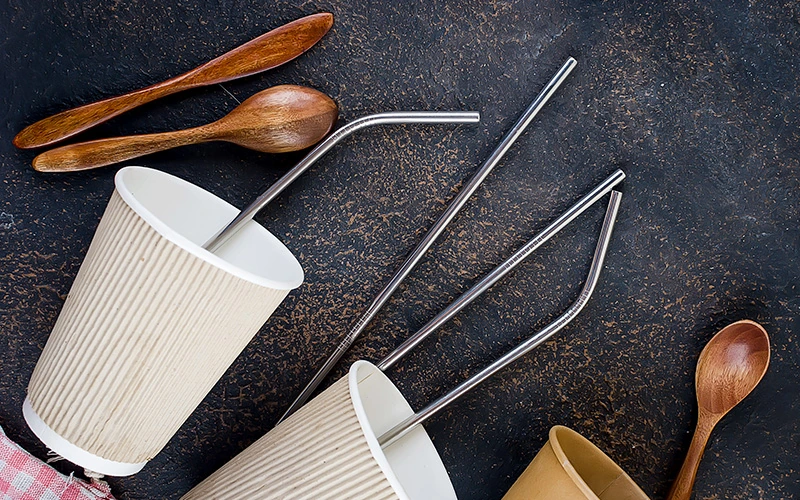
Compostable bowls and cups handle heat when made from the right fibers. Bagasse, molded fiber, and palm leaf hold hot soup without softening or leaking. These materials resist heat better than thin paper and often work with tight lids.
Biodegradable options vary in performance. PLA-lined paper works for warm drinks but can warp with very hot liquids. Kraft paper needs a heat-safe lining to prevent leaks.
What to check before buying
-
Heat rating for hot foods and drinks
-
Leak resistance with soup and oils
-
Compost access in the local area
Compostable items only break down in proper facilities. Without access, they act like regular waste.
Certifications for Food Safety
Clear certifications reduce health risks from heat and chemicals. Containers for hot soup and coffee should state BPA-free status. BPA can migrate into food when heated, so clear labeling matters.
Look for food-grade certification and microwave-safe marks when reheating applies. These labels show that materials meet basic safety tests for contact with hot foods.
Common safety labels
|
Label |
Why it matters |
|
BPA-free |
Limits chemical transfer |
|
Food-grade |
Confirms safe contact |
|
Microwave-safe |
Prevents melting or warping |
Avoid unmarked items for hot use. Missing labels often signal low testing standards.
Environmental Impact of Tableware Materials
Material choice shapes waste outcomes and carbon use. Fiber-based products like bagasse and molded pulp come from plant waste and often compost well. They reduce reliance on fossil fuels.
Plastic options like PP resist heat and leaks but rely on oil and see low recycling rates in many areas. Foil handles heat but uses high energy to produce and recycle.
Quick comparison
-
Bagasse: good heat resistance, compostable
-
Paper with lining: moderate heat, limited recycling
-
PP plastic: strong heat resistance, low recycling
-
Foil: high heat tolerance, energy intensive
Local recycling and compost rules decide the real impact. Choices should match those systems.