

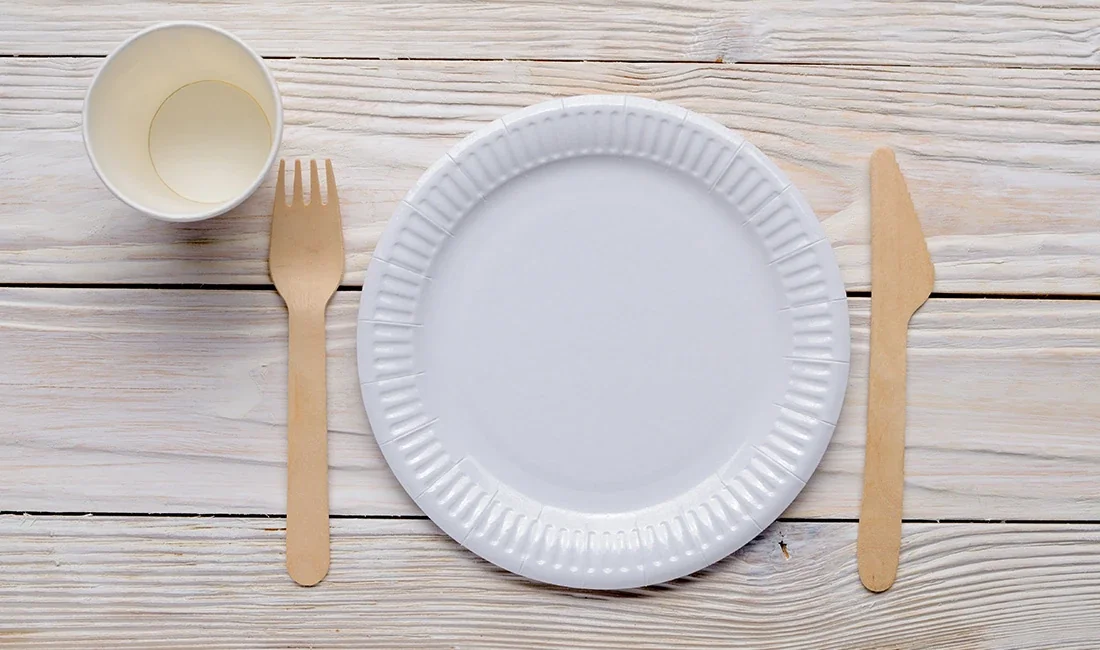
Disposable plates are single-use plates made from paper, plastic, or plant fibers for serving food without washing. You choose disposable plates by matching the plate material, size, and shape to your food type, serving style, and disposal options.
You will learn how sizes affect portions, how shapes fit menus, and how occasions change your needs. You will also see how to pick plates step by step and get clear answers to common questions from food service standards and event planning practice.
What are Disposable Plates?
Disposable plates are single-use plates made for serving food and then thrown away after use. You use them at events, offices, food trucks, and takeout settings. Most disposable dinner plates come in set sizes and shapes. These plates differ by material, strength, and disposal method. Some support recycling or composting, while others go to landfill waste.
What are the Types of Disposable Plates?
Disposable plates fall into three main types based on material: paper plates, plastic plates, and compostable plates. Each type handles food and waste in a different way.
-
Paper Plates:Made from food-grade paper pulp, lightweight and suitable for dry or lightly greasy foods.
-
Bagasse Plates:Made from sugarcane fiber, biodegradable and suitable for hot or greasy foods.
-
Plastic Plates:Made from food-grade plastic, durable and commonly used for buffets and large events.
-
PLA Biodegradable Plates:Made from plant-based materials, biodegradable under specific conditions and similar in appearance to plastic.
-
Palm Leaf Plates:Made from pressed palm leaves, with a natural texture ideal for eco-friendly or upscale events.
-
Aluminum Foil Plates:Made from aluminum foil, heat-resistant and suitable for baking or reheating food.
What are the Benefits of Using Disposable Plates?
Below are the benefits of using disposable plates:
-
Faster cleanup and turnover
-
Improved food safety
-
Material affects performance
-
Supports sustainability goals
-
Simpler event planning
-
Lower operational costs
Disposable plates reduce cleanup time because you throw them away instead of washing them. They also support food safety since each guest uses a clean plate.
Material choice controls performance. Plastic plates support heavier meals because rigid polymers resist bending. Paper plates lower cost and storage space due to thin stacking.
Compostable and eco-friendly plates help meet waste goals because plant fibers can return to soil under controlled composting.
Disposable dinner plates also simplify planning. You buy them in bulk, match sizes to menus, and avoid breakage. In practice, this reduces labor, water use, and replacement costs during high-volume service.
What are Common Sizes of Disposable Plates and How to Choose the Right Size?
Disposable plate sizes refer to the diameter or length of single-use plates, measured in inches, and they guide portion size and food fit. Most options fall into clear size ranges that match common meals and serving styles. You choose the size based on how much food you serve and how people eat it.
Common disposable plate sizes and uses:
|
Plate size |
Typical use |
|
4–6 inch |
Snacks, appetizers, desserts |
|
7–8.5 inch |
Salads, sides, light meals |
|
9–10 inch |
Everyday meals, combo plates |
|
10–12 inch |
Full meals with sides |
|
12–14 inch |
Shared dishes and platters |
Smaller plates limit surface area, which helps control portions and reduce spills for snacks and sweets. Larger plates support heavier food because they spread weight over a wider area without food touching or sliding off. The best disposable plates match size to food and material to weight. When you align both, you reduce waste, prevent messes, and keep service moving smoothly.
What are Common Shapes of Disposable Plates and How to Choose the Right Shape?
Disposable plate shape refers to the outline and edge design of the plate, and it affects how food fits and how you serve it. The best disposable plates match plate shape to food type, serving style, and space needs. Choose the shape that fits how you serve food, not just how it looks.
Common shapes of disposable plates come in:
-
Round plates
-
Square plates
-
Oval and rectangular plates
-
Compartment plates
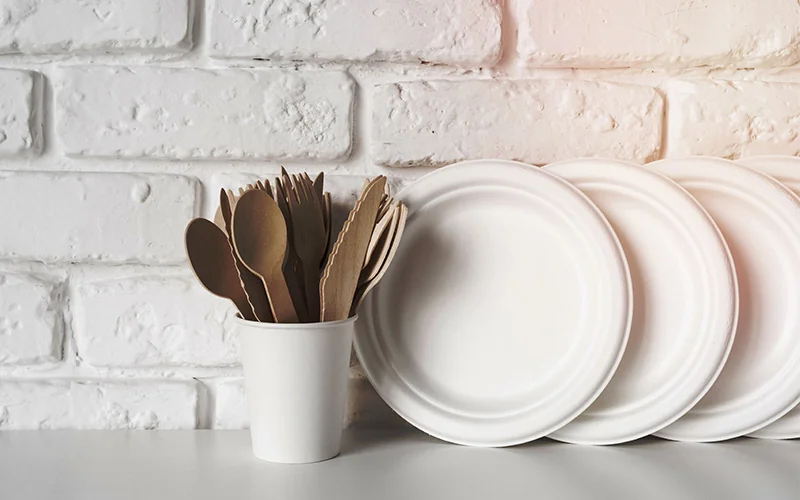
Round plates are the most common shape. They spread weight evenly because the rim curves the same way on all sides. They help reduce spills during meals. Square plates have straight edges and defined corners. This shape uses table space more efficiently. Oval and rectangular plates work best for shared foods. Compartment plates include molded sections. Each section keeps foods separate because raised dividers block liquids and sauces.
How to Choose Disposable Plates for Different Occasions?
Different events place different demands on disposable plates. You need to match the plate material, size, and finish to the food served, the setting, and cleanup needs.
For Picnics and BBQs
Picnics and BBQs involve greasy, hot, and heavy foods. Disposable plates for this setting must resist moisture and heat because burgers, ribs, and sides release oil and sauce.
Material matters:
-
Sugarcane (bagasse) plates use molded plant fiber. Because the fibers press under heat, the plate resists grease and holds shape. For you, this means fewer leaks on picnic tables.
-
Thick paper plates with no wax coating work for lighter foods but fail with saucy meats.
Choose plates 9–10 inches wide. This size keeps food from sliding off when you walk or stand. A raised rim also helps contain sauces.
For Birthday Parties
Birthday parties need disposable plates that support fast serving and easy cleanup. You often serve cake, pizza, and snacks in short bursts.
Lightweight paper plates work best for this use. Because paper weighs less and stacks tightly, you can set up large serving areas without crowding tables. For you, this means quicker refills and less mess.
Focus on these features:
-
Coated paper for pizza and cake, since the coating slows grease soak.
-
7–9 inch plates for portion control and less waste.
-
Printed designs to match party themes without extra décor.
Avoid foam plates. Many cities restrict polystyrene foam, which can create disposal issues after the party ends.
For Holiday Gatherings
Holiday meals involve heavier portions and longer table time. Plates must hold turkey, casseroles, and hot sides without bending.
Rigid plastic plates suit this setting because molded plastic resists heat and weight. Plates made from polypropylene (PP) flex without cracking. In practice, this means you can carry a full plate without spills.
Use this comparison to choose:
|
Plate Type |
Why It Works |
|
PP plastic |
Handles heat and heavy food |
|
Sugarcane |
Compostable and grease-resistant |
|
Thin paper |
Not suitable for full meals |
Choose 10–11 inch plates with a firm rim. Neutral colors like white or ivory fit seasonal table settings without clashing.
For Weddings and Celebrations
Weddings and formal celebrations require disposable plates that support plated meals and visual consistency. The plate must look formal and stay stable during service.
Premium plastic plates define this category. Plates made from polystyrene (PS) keep a rigid shape because the polymer structure hardens during molding. For you, this means the plate stays flat under steak, pasta, and sides.
Key features to prioritize:
-
Smooth or metallic rims for a formal look
-
Dinner size (10–11 inches) for full courses
If sustainability matters, choose certified compostable sugarcane plates with a clean white finish. These plates balance appearance and waste goals, which helps you meet venue rules and guest expectations.
Step-by-Step: How to Choose Your Disposable Plates?
You choose disposable plates by matching the event, food, material, size, shape, style, and budget. Each choice affects how plates hold food, control waste, and fit your setting. Specific details, such as plate diameter or compostability standards, help you avoid leaks, shortages, and unnecessary costs.
Know Your Event and Guests
You should first define your event type and guest profile because these factors drive every other choice. A seated corporate lunch needs plates that stay rigid under knife pressure, while a backyard party allows lighter options. Guest behavior and age also matters, since children handle plates differently than adults.
Evaluate the Menu
The menu determines how much strength and surface area your plates need. Hot foods release steam, while oily foods weaken thin paper.
You should list each food type before buying plates. Use this checklist to guide decisions:
-
Saucy foods: need molded fiber or coated paper
-
Greasy foods: need oil-resistant surfaces
-
Dry snacks: allow standard paper
Consider the Material
Disposable plate material defines strength, safety, and environmental impact. Common options include paper and plastic. Paper plates cost less but need coatings for moisture resistance. Plastic plates often use polypropylene (PP) or polystyrene (PS). PP resists heat better, up to about 248°F, which helps with hot meals.
Pick the Right Size
Plate size controls portion space and food balance. Disposable plates usually range from 6 to 12 inches in diameter. A 10-inch dinner plate supports full meals without crowding, while a 7-inch plate fits desserts or sides. For the user, correct sizing prevents food overlap that causes spills.
Think About Shape and Function
Plate shape affects stability and food separation. Round plates fit standard holders, which speeds setup. Square or oval plates provide longer edges. You may also need compartment plates. These include molded sections that separate items.
Balance Style and Design
Plate design influences how food looks on the table. Color, rim width, and surface texture all matter. White or neutral plates reflect light. You should avoid heavy patterns when serving detailed dishes. If branding matters, choose plates with printed logos using food-safe inks. These inks must meet FDA or EU food-contact rules to avoid transfer during hot service.
Plan Quantity and Budget
You should calculate quantity using guest count and service style. A safe rule is guests × courses × 1.2 to cover drops and seconds. For example, 100 guests with two courses need about 240 plates. This prevents shortages without large leftovers.
Budget planning should include unit cost and waste risk. Bulk packs lower per-plate price but increase storage needs. Stronger plates reduce double-stacking, which cuts usage. In real terms, paying more per plate can lower total spend by reducing overall count.
FAQs
What are the Best Disposable Plates for Steak?
Rigid plastic plates or molded fiber plates made from sugarcane bagasse are the best disposable plates for steak.
Rigid plastic plates resist cutting pressure because they use thicker polymer walls. In practice, this means the plate stays flat while you cut, and juices stay contained. Look for plates labeled as heat-resistant if the steak is served hot.
Bagasse plates work well because compressed plant fiber creates a dense structure. For the user, this means the plate holds up under weight and absorbs less grease than standard paper.
Which Disposable Plates are Considered the Most Suitable for Wedding Receptions?
Premium plastic plates or compostable molded fiber plates with a smooth finish are considered the most suitable for wedding receptions.
Premium plastic plates often use a two-piece or reinforced rim design. This design spreads weight evenly, which reduces sag when guests carry plated meals. For you, this means fewer spills during service.
Compostable plates made from bamboo or sugarcane offer a neutral color and clean edges. In practice, this allows the table setting to look formal while still meeting sustainability goals.
What Characteristics Define the Best Heavy-Duty Paper Plates?
Plates rated at 300–350 GSM or higher and uncoated or lightly coated plates define the best heavy-duty paper plates.
Higher GSM paper resists bending because it uses more fiber per square inch. For you, this means the plate can hold hot meals without folding in your hands. A raised rim also helps contain sauces and grease.
Uncoated or lightly coated plates work best for easier disposal. In other words, you get better strength during use without creating recycling or composting issues later.