

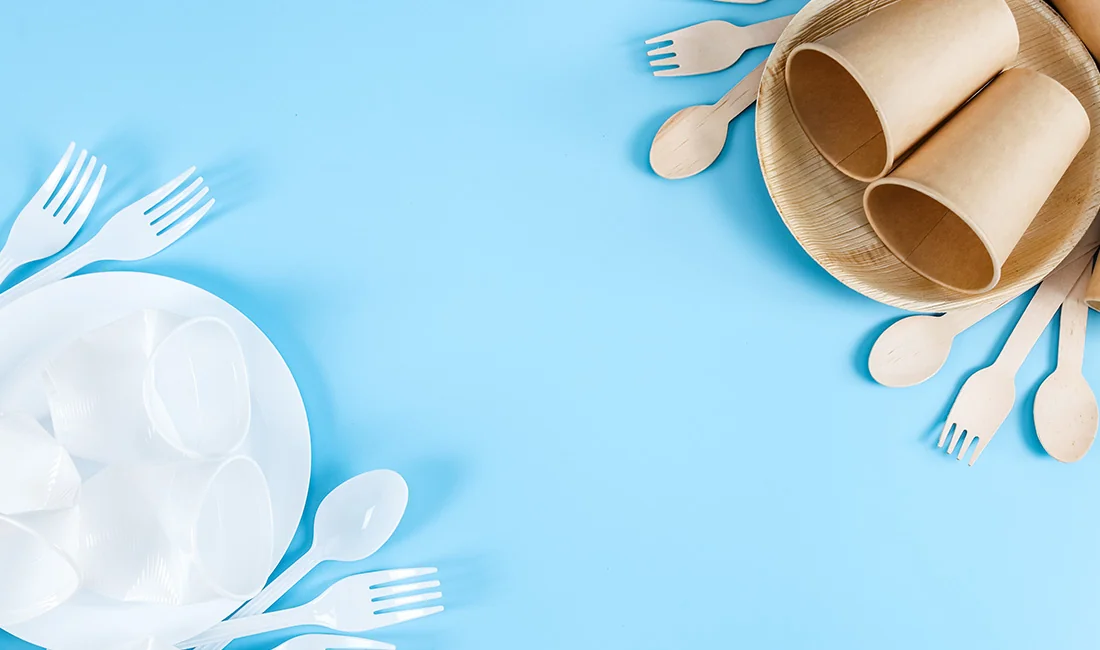
Paper plates decompose faster and use renewable materials, while plastic plates last longer but create more waste. Choosing between them depends on priorities like convenience, cost, and environmental impact. Both serve similar purposes but differ greatly in how they affect daily use and disposal.
This guide explains what each plate is made of, how they perform, and when one works better than the other. It highlights key differences in durability, compostability, recyclability, and cost so anyone can match the right type to their needs.
Backed by data from environmental studies and industry sources, it also shows how production choices—like using coated paper or polypropylene plastic—change performance and sustainability. By the end, anyone can confidently choose disposable plates that fit both their budget and environmental goals.
What is a Plastic Plate?
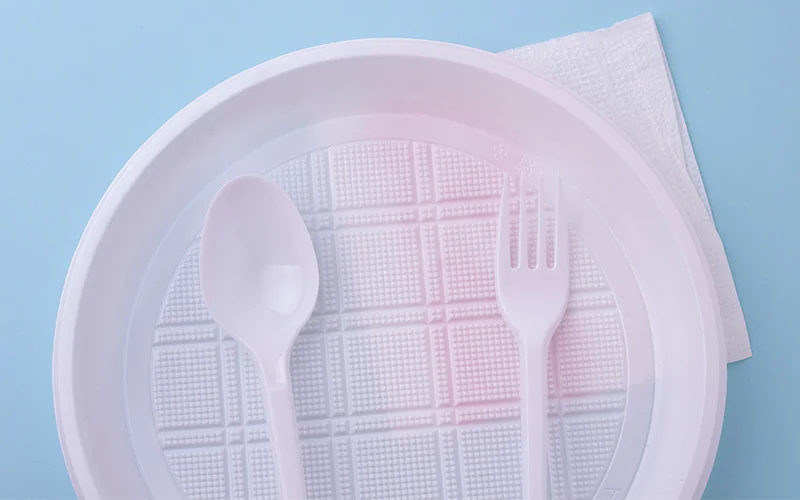
A plastic plate is a type of disposable or reusable dish made from synthetic polymers such as polystyrene (PS), polypropylene (PP), or polyethylene terephthalate (PET). These materials are derived from petroleum and are shaped using heat and pressure to create lightweight, rigid, and moisture-resistant plates.
Different plastics offer distinct properties. Polystyrene provides a glossy finish but can crack under pressure. Polypropylene is more flexible and heat-tolerant, often used for microwave-safe options. PET plates resist grease and are commonly used for cold foods. These variations influence how the plate performs in daily use.
Advantages of plastic plates include:
-
Durability: They resist bending and leakage because the polymers have strong molecular bonds that hold their shape under food weight.
-
Moisture resistance: The nonporous surface prevents sauces or oils from soaking through, keeping tables clean.
-
Affordability: Mass production from molded plastic sheets keeps per-unit costs low, which helps event organizers save money.
Disadvantages of plastic plates include:
-
Environmental impact: Most disposable plastic plates come from non-renewable petroleum sources and often end up in landfills because food residue makes recycling difficult.
-
Energy use: Manufacturing requires high heat and energy, increasing carbon emissions.
-
Limited biodegradability: They can take centuries to break down, contributing to long-term pollution.
What is a Paper Plate?
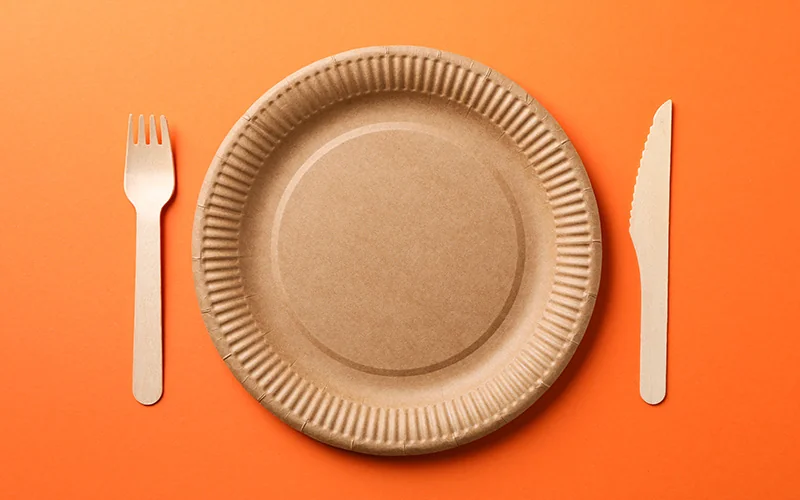
A paper plate is a type of disposable dish made mainly from paper pulp or plant-based fibers. Manufacturers press this pulp into round molds, dry it, and sometimes add coatings to improve strength and resistance to liquids. Because it is lightweight and compact, it is commonly used for picnics, events, and fast-food service.
There are several types of paper plates, each with different materials and purposes:
-
Traditional paper plates: made from wood pulp fibers; simple and inexpensive.
-
Coated paper plates: layered with plastic or wax, which helps resist moisture but limits recyclability.
-
Molded fiber or bagasse plates: formed from recycled paper or sugarcane residue, making them suitable for composting.
-
Bamboo fiber plates: produced from fast-growing bamboo, offering a renewable and naturally strong alternative.
Advantages of paper plates include:
-
Convenience: they are single-use, lightweight, and need no washing.
-
Renewability: plates made from bagasse or bamboo use renewable resources instead of petroleum-based plastics.
-
Compostability: uncoated or plant-coated versions can decompose in industrial composting settings within a few months.
Disadvantages of paper plates include:
-
Durability limits when handling wet or greasy foods unless coated.
-
Resource consumption during production, such as water and energy for pulping.
-
Recycling challenges for coated plates, which often end up in landfills.
Paper vs Plastic Plates: What are the Differences?
The differences between paper and plastic plates are reflected in the following aspects:
-
Durability and Performance:
-
Environmental Impact and Sustainability
-
Coatings and Additives in Disposable Plates
-
Cost and Consumer Preferences
-
Disposal, Recycling, and Regulatory Standards
Durability and Performance
Plastic plates resist bending and support heavier food because the polymer structure distributes weight evenly. They hold oily or wet dishes without softening. For users, this means fewer breakages and reliable handling at events with dense or greasy meals.
Paper plates, though lighter and less rigid, have improved through coatings that reduce sagging when exposed to liquids. Yet once overloaded with moisture, their fibers absorb water, weakening the plate. In short-term or low‑heat situations, paper models work well but cannot match the strength of molded plastic options.
Environmental Impact and Sustainability
Decomposition speed is the main environmental difference. Paper plates can break down in months if uncoated, while plastic plates may take centuries. This stems from the fact that cellulose fibers are biodegradable, whereas petroleum polymers are not.
In compostable paper products, fibers return to the soil as organic matter. For consumers, this offers a simple path to reduce long-term waste footprint. Plastic plates, even when labeled recyclable, often end up in landfills due to food residue or limited sorting capacity at recycling facilities.
Energy input also matters. Producing virgin plastic from petroleum releases more carbon dioxide per unit than pulping recovered paper. Still, paper plates require more water and energy during fiber bleaching and drying, especially when sustainability certifications are absent. The environmental advantage depends on whether users compost, recycle, or landfill their waste.
Coatings and Additives in Disposable Plates
Many disposable paper plates use coatings to improve moisture resistance. Common types include polyethylene (PE) or plant‑based polylactic acid (PLA) films. These layers stop grease absorption but can complicate composting or recycling. When PE coating is used, the plate behaves like plastic waste, not paper.
Plastic plates often contain stabilizers and colorants that retain shape under heat or sunlight. Some may include bisphenol A (BPA) unless they are made from safer food‑grade polymers. For the user, the key issue is heat exposure: applying coatings can make paper plates partly non‑biodegradable, while additives in plastics can pose health risks if plates are reheated incorrectly.
Cost and Consumer Preferences
Price differences between paper and plastic plates depend on raw materials and bulk quantity. Plastic plates are often cheaper per unit for large catering orders because thermoplastic molds can run continuously without re‑forming steps. They are also reusable several times if cleaned gently.
Paper plates cost more when made from recycled or certified wood fibers. Still, many buyers accept higher prices for the environmental benefits and simpler disposal.
Shoppers often match preference to occasion: plastic for durability and formal settings, paper for sustainability or outdoor events where collection and cleaning are inconvenient.
Disposal, Recycling, and Regulatory Standards
Disposal rules differ by region and have become more restrictive for single-use plastics. Some states and cities ban polystyrene disposable tableware to reduce landfill mass. This regulation encourages businesses to switch to compostable paper products or bioplastics.
Paper plates can enter industrial composting if free from plastic coatings. Contaminated plates with food or synthetic layers go to general waste. Plastic plates can be recycled under code #6 (PS) or #5 (PP), but only if clean and accepted by local programs.
Many food service operations now label products with compliance marks such as ASTM D6400 or EN 13432, which confirm compostability. For the user, this simplifies disposal choices and supports waste‑diversion efforts. Regulations worldwide are shifting toward reducing disposable plastic plate use in favor of biodegradable materials that return safely to the environment.
How to Choose the Right Plates between paper plates and Disposable Plastic Plates?
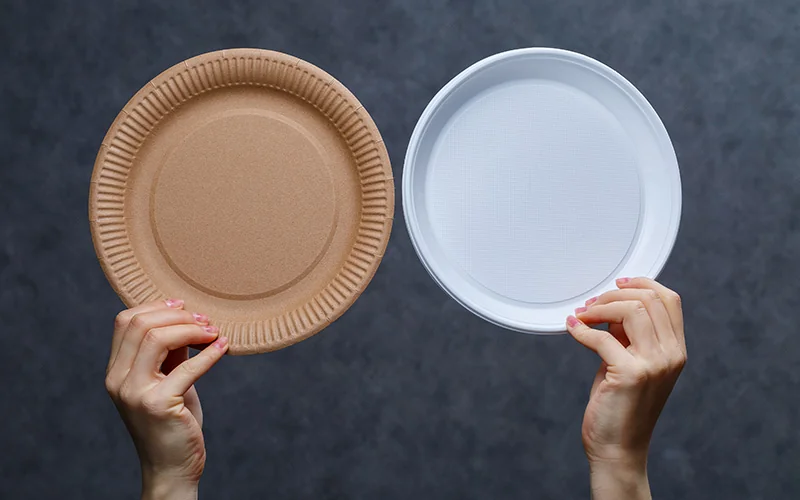
Choosing disposable plates starts with understanding what materials are available and how they perform. Paper and plastic plates meet different needs because their structure, recyclability, and environmental impact vary.
Event type plays a major role. For large outdoor events, plastic plates handle moisture and heavy foods because polypropylene and polystyrene resist bending and leaking. In practice, this means fewer spills and breakages when serving saucy or oily dishes. For casual or smaller gatherings, paper plates are often enough since they handle lighter meals and decompose faster after use.
Environmental goals influence the choice too. Paper plates made from responsibly sourced fibers can be home composted if free of coatings, which helps return organic matter to soil. Certified compostable options marked with EN 13432 meet European standards confirming they break down under industrial composting conditions. Plastic plates, unless labeled recyclable and washed before collection, rarely make it through recycling systems because food residue contaminates the material.
Many users also match cups and plates made of similar materials to align disposal or recycling steps. For instance, pairing paper cups with paper plates simplifies composting. This consistency saves sorting time and reduces contamination in collection bins.
When to Choose Paper Plates?
Choose paper plates when compostability, ease of disposal, and short-term use matter most. Made primarily from wood pulp or recycled fiber, these plates break down naturally when exposed to moisture and microorganisms. In practice, this means they create less long-term waste compared to plastic plates.
Paper plates can often be made from recycled materials, such as reclaimed paper cups or other post-consumer fibers. Because of this, they help close the recycling loop by reusing existing materials before final composting or disposal. This reduces the need for virgin pulp and limits deforestation impacts.
Use paper plates for light meals, indoor gatherings, or situations where guests can dispose of plates with food waste. They perform well with dry or moderately moist foods but weaken under heavy sauces or oils. When recyclability or disposal with organic waste is a priority, paper is typically the better choice.
When to Choose Plastic Plates?
They work best for outdoor events, picnics, barbecues, and catering, where durability and convenience matter most. Since plastic does not absorb liquids, these plates prevent leaks and messes even with sauces or oily foods. For users, this means less worry about soggy or collapsing plates during serving.
Some plastic plates can be recycled, depending on local programs. However, many are not accepted because food contamination or mixed plastics reduce recyclability. Choosing plates labeled with recycling codes like #5 (polypropylene) improves the chance of proper recovery. In practice, this still demands cleaning before recycling.
Plastic plates do not support home composting because they do not meet EN 13432, the European compostability standard. This standard applies to materials such as certified compostable paper cups or plant-based bioplastics, which can fully break down in industrial composting systems.
FAQs
Should I Stop Using Paper Plates?
Paper plates are disposable dishes made primarily from compressed wood fibers or recycled paper. Whether to stop using them depends on how they are sourced and disposed of.
If the plates contain plastic or wax coatings, they can release microplastics or prevent proper composting. In contrast, uncoated or certified compostable paper plates break down more easily and have a lower environmental impact.
For households with access to composting facilities or recycling systems that accept paper products, continuing to use uncoated paper plates can be reasonable. If not, switching to reusable dishes or compostable alternatives minimizes waste and resource use.
Are There Any Health Risks Associated with Using Paper Plates?
Health risks depend on the coating and additives used during production. Some plates use polyethylene or polystyrene layers to resist grease and moisture. These materials can leach small amounts of chemicals into food when heated or used with oily meals.
Uncoated paper plates or those labeled PFAS-free (per- and polyfluoroalkyl substances) reduce exposure to harmful additives. PFAS are used to make plates grease-resistant, but long-term exposure has been linked to certain health issues.
In everyday use, avoiding high-heat contact and choosing compostable or untreated paper options minimizes risk, especially for children or sensitive individuals.
What are the Healthiest Paper Plates to Use?
The healthiest paper plates are uncoated, PFAS-free, and verified compostable under standards such as EN 13432 or ASTM D6400. These standards mean the plates can biodegrade safely without leaving chemical residue.
Plates made from renewable plant fibers like sugarcane, bamboo, or unbleached paper reduce the need for petroleum coatings. Because they rely on natural binding methods instead of synthetic polymers, they limit chemical transfer into food.
For users, this means safer contact with both hot and cold foods and easier disposal through composting systems. When checking packaging, look for certifications and clear labeling rather than vague “eco-friendly” claims.