

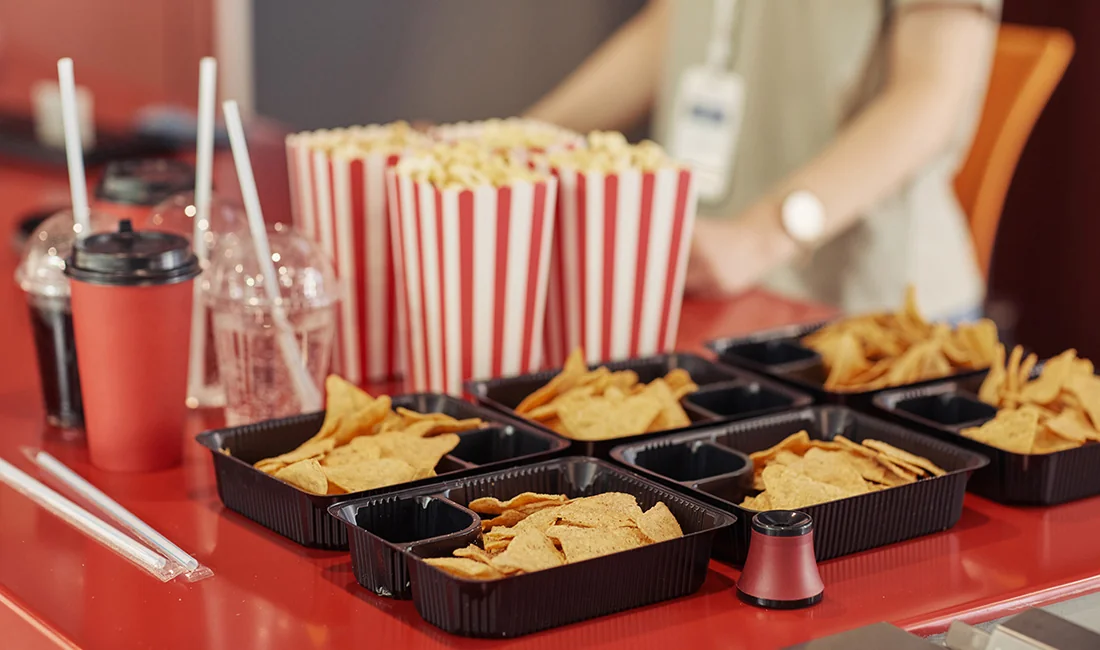
Disposable bowls and trays are single-use serving containers made from materials like molded bagasse fiber, PET plastic, or polypropylene, and they give you an easy, clean way to serve game day party snacks without heavy cleanup. For you, this means less time washing dishes and more time watching the game.
This guide shows how disposable bowls and trays work and why hosts use them for game day snacks. You learn how features like divided trays support portion control, and why grease-resistant coatings matter because wings and nachos leak oil. You also see how disposable containers reduce shared handling, which helps keep food more sanitary at crowded parties.
You also learn what to look for when choosing the right disposable bowls and trays for your setup. That includes size, shape, material type, and eco-friendly options. By the end, you know how to match the right serving trays to your snack spread and avoid common mistakes that cause spills, waste, or soggy food.
Understanding Disposable Bowls and Trays
Disposable bowls and trays are single-use food containers designed to hold snacks, dips, and full portions during group events. Your choices affect portion control, spill risk, cleanup time, and how well food holds its shape and temperature.
Disposable bowls and trays are made of different materials:
-
Plastic
-
Aluminum
-
Paper
-
Bagasse
-
Bamboo
-
Palm Leaf

Plastic Bowls and Trays
Plastic bowls and trays are single-use food containers made from PET, PP, or polystyrene. Polypropylene (PP) trays handle heat up to about 212°F. Because PP resists warping at boiling temperatures, you can serve wings, chili, or nachos without bending. PET plastic trays stay rigid at room temperature. Most plastic trays resist grease and moisture. They work best for cold snacks like veggie trays or dips.
Aluminum Bowls and Trays
Aluminum bowls and trays are disposable containers formed from thin rolled aluminum sheets. Aluminum trays handle oven temperatures over 400°F. Because the metal spreads heat across the surface, food warms evenly. For you, this means you can bake, reheat, and serve in one container. These trays hold heavy foods like ribs or baked pasta without collapsing. Aluminum also blocks light and air. The rigid walls support weight, so guests can carry full portions safely.
Paper Bowls and Trays
Paper bowls and trays are disposable containers made from molded paperboard with a thin coating. The coating usually includes polyethylene (PE) or a water-based barrier. Paper trays work best for dry or low-moisture foods. Chips, cookies, and bread hold well because the paper stays firm. For you, this means simple snacks stay easy to serve. Most paper bowls handle warm foods up to about 180°F. Hot soups may soften them over time, so short serving windows matter.
Bagasse Bowls and Trays
Bagasse bowls and trays are made from sugarcane fiber left after juice extraction. The fiber is molded under heat and pressure into rigid shapes. Bagasse handles temperatures up to about 200°F. The material absorbs little grease compared to paper. Sauces and oils stay contained longer during the game. Bagasse products are compostable in commercial facilities. In practice, this supports easier waste sorting after the party.
Bamboo Bowls and Trays
Bamboo bowls and trays use pressed bamboo fiber or thin bamboo veneers. Bamboo grows quickly, which makes it a common disposable material. Pressed bamboo fiber creates firm walls that resist bending. Because the fibers are dense, the tray holds heavier snacks like wings. For you, this means steadier plates when guests stand and eat. Bamboo handles moderate heat, usually up to 200°F. Warm foods stay stable without softening.
Palm Leaf Bowls and Trays
Palm leaf bowls and trays are made from fallen areca palm leaves that are cleaned and heat-pressed. No chemical binders are added during shaping. The natural leaf structure creates thick, rigid walls. Because each tray is pressed from a single leaf, it supports heavy foods without folding. For you, this means fewer spills during busy plays. Palm leaf handles heat up to about 300°F. Hot foods stay contained without burning the surface.
Sizes and Shapes for Every Snack
Size and shape determine portion control and table flow. Small bowls (4–8 oz) fit dips, nuts, and candy. This limits waste because guests take smaller amounts. Medium bowls (12–16 oz) suit popcorn and chili. Their depth reduces spills during movement. Large trays handle shared items like sliders or wings.
Shapes matter. Oval and rectangular trays fit better on crowded tables because straight edges reduce wasted space. Round bowls stack efficiently, which helps when you store extras before guests arrive.
Benefits of Using Disposable Bowls and Trays
Disposable bowls and trays are single-use serving items made from paperboard, molded fiber, plastic, or aluminum foil. For your game day party, they simplify cleanup, control portions, and reduce shared-contact risks across the game day spread.
Effortless Cleanup
Disposable trays and disposable bowls remove dishwashing from your to-do list. Paperboard and molded fiber options go straight to recycling or compost where accepted, and disposable aluminum tray options handle hot foods like wings or sliders without soaking or scrubbing.
Aluminum trays use thin-gauge foil with crimped rims. Because foil resists grease and heat, sauces stay contained and pans keep their shape. For you, this means fewer spills on tables and less time scraping pans after kickoff.
Convenient Serving and Portioning
Disposable bowls and trays support fast setup and steady refills. Compartment trays separate dips, chips, and finger foods, which keeps textures intact. Consistent portions reduce food waste and speed refills during big plays. You can stack empty items under the table. That keeps the game day spread neat and accessible.
Hygienic and Safe for Groups
Single-use serving ware limits shared contact. Each guest grabs a fresh bowl or tray, which reduces hand-to-food contact compared to communal platters. For you, this lowers the chance of cross-contact at crowded tables.
Many disposable bowls use food-grade paperboard or molded fiber. These materials meet basic food-contact standards and arrive clean from the package. In practice, you avoid chips, cracks, or residue that can hide on reused dishware.
What Should You Consider When Selecting the Disposable Bowls and Trays?
At a game day party, disposable bowls and disposable trays handle hot food, sauces, and constant refills. You need options that match your menu, control portions, protect food safety, reduce waste, and stay within budget.
Based on Party Menu
Start with what you plan to serve. Disposable bowls work best for chili, dips, and wings with sauce because deeper walls reduce spills. Disposable trays fit sliders, nachos, and flat football party foods that guests grab fast.
Hot items like soups or queso need bowls made from bagasse fiber or polypropylene (PP). These materials resist heat and moisture, so they hold shape during the game. For cold foods like pasta salad or fruit, coated paperboard or PET trays stay firm without extra cost.
Perfect Portions
Portion control keeps food available through the whole game. Bowls and trays are sized in ounces, which helps you plan servings with less waste. Clear size markings matter because they prevent overfilling. In practice, this means fewer empty trays at halftime and less food tossed after the final score.
Use this quick guide:
|
Food Type |
Bowl or Tray Size |
|
Dips, salsa |
8–12 oz bowls |
|
Chili, stew |
16–20 oz bowls |
|
Nachos |
24–32 oz trays |
|
Wings |
Sectioned trays |

Food Safety
Food safety matters when snacks sit out for hours. Choose food‑grade bowls and trays labeled BPA‑free. This label confirms the material meets FDA food contact rules.
For hot foods, use containers marked microwave-safe if reheating is likely. PP plastic and bagasse fiber meet this need because they tolerate high temperatures without warping. For oily foods like wings, select bowls with PE lining or molded fiber, which slows grease leaks. For you, this means fewer soggy plates and cleaner tables during the game.
Eco-Friendly Options
Eco-friendly options focus on material and disposal. Bagasse bowls and trays use sugarcane fiber, a farm byproduct. Because of this, they compost in industrial facilities and handle heat well.
Recyclable PET trays work for cold foods if your local recycling accepts them. Coated paperboard may not be recycled, so check local rules before buying. Look for clear labels such as BPI Certified Compostable. In real use, this helps you avoid bins filled with items that cannot be processed.
Affordable Quality
Price matters when you host a large game day party. Bulk packs lower the per‑unit cost, often by 20–40%, but storage space limits how much you should buy.
Compare cost by material:
-
Paperboard: lowest cost for dry foods
-
PP plastic: mid‑range, heat safe
-
Bagasse: higher cost, compostable
Balance cost with function. A slightly higher price for leak‑resistant trays prevents spills, which saves cleanup time and protects furniture.
FAQs
Which Types of Disposable Bowls and Trays are Best for Various Party Snacks?
Disposable servingware means single-use bowls and trays made from plastic, paper, or plant fibers. Each type suits specific foods because of its shape and material.
Use plastic bowls made from polypropylene for dips and chili because this plastic resists heat up to about 212°F. In practice, this means the bowl will not warp when you serve warm food.
Choose compartment trays with molded dividers for wings, sliders, and nachos. The dividers separate wet and dry foods, which helps prevent soggy chips and mixed flavors.
Paper or molded fiber trays work well for dry snacks like chips, popcorn, and cookies. These trays absorb small amounts of oil, so your hands stay cleaner while eating.
How Much Should I Budget for Disposable Servingware for a Large Group?
A large group usually means 20 to 30 guests with multiple snacks. Disposable bowls and trays often cost between $0.15 and $0.50 per piece, depending on material and size.
If you plan for two to three pieces per person, expect to spend $15 to $45 total. Buying in bulk lowers the per-piece cost, which matters when you need matching trays and bowls.
Heavier plastic trays cost more than paper or fiber options. In practice, you pay extra for trays that hold heavier foods without bending.
What are Eco-Friendly Alternatives to Disposable Bowls and Trays for Game Day Events?
Eco-friendly disposable servingware uses materials that break down faster than standard plastic. Common options include molded bagasse, bamboo fiber, and palm leaf.
Bagasse bowls come from sugarcane pulp left after juice extraction. Because the fibers press into thick walls, the bowls hold hot and wet foods without leaking, which reduces the need for double stacking.
Palm leaf trays use fallen areca palm leaves that get cleaned and heat-pressed into shape. For you, this means each tray has a firm structure and no added coatings or dyes.
Compostable bioplastic made from corn starch works for cold foods like fruit or pasta salad. These items need commercial composting, so they fit best when local compost pickup is available.