

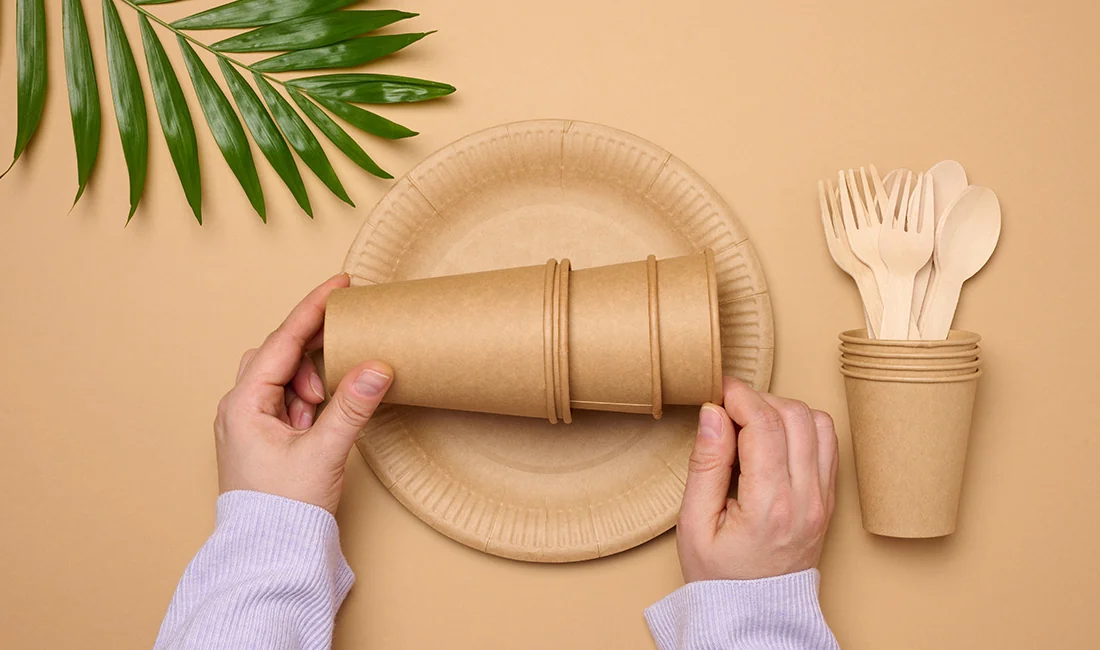
Yes, disposable tableware is generally safe when you choose the right materials and use them as intended. Disposable tableware includes single-use plates, cups, and cutlery made from paper, plastic, foam, or plant fibers, and safety depends on what they are made from and how you use them.
You often use plastic plates, paper plates, or compostable options for quick meals and events. Problems can start because heat and grease can cause some materials to release chemicals like PFAS or plastic additives. Groups like the FDA and CDC track these risks, which is why labels and usage limits matter. In practice, this means hot food and microwaves raise more risk than cold food.
You will learn how material safety affects food contact, why heat resistance matters, and how to make safe choices for every occasion. The focus stays on clear facts, real-world use, and simple rules that help you avoid common mistakes while still enjoying the convenience of disposable tableware.
Understanding Disposable Tableware Safety
Disposable tableware is single-use plates, cups, bowls, and cutlery made from paper, plastic, or plant-based materials. Safety depends on the material, how it contacts food, and whether it meets food-grade rules.
Key Factors Influencing Safety
Material choice drives food safety because heat, fat, and acidity interact with surfaces. Plastic types matter. Polypropylene (PP, Resin Identification Code #5) tolerates hot foods up to about 248°F. Polystyrene (PS, #6) can soften with heat. For you, this means PP works better for hot meals, while PS suits cold foods.
Coatings also affect safety. Paper plates often use a thin barrier to block grease. If that coating breaks down with heat, food can soak through and pick up residues. In practice, avoid microwaving coated paper unless the label allows it.
Use conditions matter. Greasy or acidic foods increase migration risk because fats and acids pull compounds from some plastics. Choose items labeled for the food you serve and the temperature you use.
Tips for avoidig the risks of using disposable tableware:
-
Match material to temperature.
-
Avoid reuse unless labeled reusable.
-
Follow microwave and oven labels.
Environmental and Health Impact
Disposable plastic tableware is a major contributor to plastic pollution, as it is often not biodegradable. This results in an accumulation of plastic waste in landfills or natural environments, where it can persist for hundreds of years. A significant portion of this waste ultimately finds its way into the oceans, where it poses a serious threat to marine life. Many aquatic animals mistake plastic for food, which can lead to ingestion and harm.
One of the key health concerns with disposable tableware is the potential for harmful chemicals to leach into food. Certain types of plastic tableware, especially those made with low-quality materials, may contain substances such as BPA (Bisphenol A) and phthalates. These chemicals can be released when the tableware comes into contact with hot food or beverages. This makes it crucial to choose food-grade, safe tableware to minimize the risk of chemical exposure.
Food-Grade Standards: What to Look For?
Food-grade standards define what can touch food safely. In the U.S., FDA food-contact rules set limits on substances that can migrate into food. Compliance matters because it caps exposure to regulated compounds.
Labels provide practical proof. Look for “food contact safe” statements, temperature ratings, and the resin identification code. The code tells you the plastic family, which predicts heat tolerance and reuse limits. For example, PET (#1) suits cold foods; PP (#5) suits hot foods.
Quality control also matters. Reputable makers test batches and track materials. For you, this reduces variation that could affect safety during busy service.
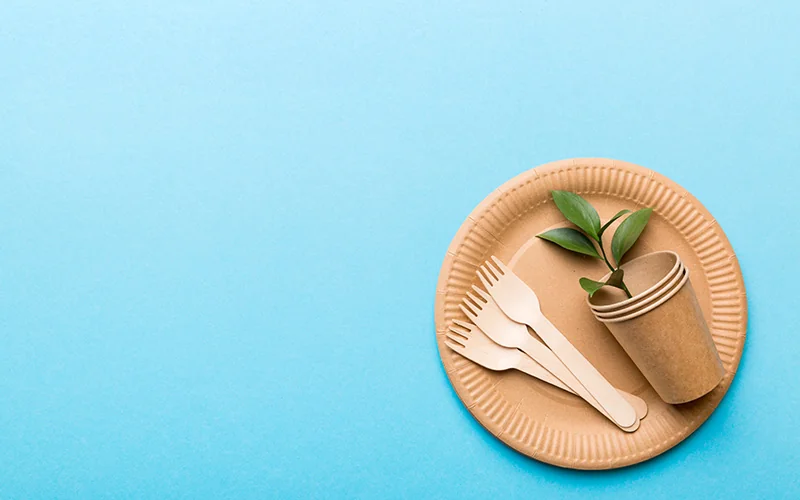
What to verify
-
Food-contact compliance label.
-
Temperature rating that fits your use.
-
Resin code that matches hot or cold service.
Material Safety: What Are They Made From?
Disposable tableware safety depends on the raw material, added chemicals, and how you use each item. Heat, grease, and time all affect whether substances move from the product into your food.
Plastic Tableware
Plastic tableware is single-use items made from polymers such as polypropylene (PP #5), polystyrene (PS #6), or newer bioplastics like PLA and PHA. Polystyrene softens faster and can release styrene when it contacts hot or fatty food. That matters because heat speeds up chemical transfer. Bioplastics like PLA come from corn or sugarcane, but they soften at low heat. In practice, you should avoid hot meals with them.
Pros
-
Lightweight and water-resistant
-
Widely available and low cost
Cons
-
Heat and oil increase chemical leaching
-
Not designed for microwaving or reuse
Paper Tableware
Paper tableware includes paper plates and bowls made from wood pulp. Uncoated paper plates rely on fiber density for strength. Because they contain no plastic layer, they add minimal chemical risk when used with dry foods. Many disposable plates use polyethylene coatings or PFAS treatments to resist grease. PFAS repel oil because of their fluorinated structure, but they persist in the body.
Pros
-
Low chemical load when uncoated
-
Suitable for dry, room‑temperature foods
Cons
-
Coatings may contain PFAS or plastic
-
Weak with hot or wet meals
Bamboo Tableware
Bamboo tableware is made from bamboo fiber pressed into shape, often with a resin binder. Bamboo plates use fast-growing grass as the fiber source. This matters because bamboo regrows quickly and reduces reliance on trees.
Pros
-
Sturdy and plant-based
-
Handles warm foods better than paper
Cons
-
Some binders limit heat safety
-
Not always home-compostable
Aluminum Tableware
Aluminum tableware includes disposable trays and plates made from rolled aluminum sheet. Aluminum forms a natural oxide layer that slows metal transfer. For you, this means it works well for baking and reheating. Acidic foods like tomatoes or citrus can break down that oxide layer. When this happens, small amounts of aluminum can move into food.
Pros
-
High heat tolerance
-
Suitable for ovens and grills
Cons
-
Reacts with acidic foods
-
Not ideal for long food storage
Palm Leaf Tableware
Palm leaf tableware uses fallen areca palm leaves that are washed, heat-pressed, and shaped. No chemical binders are added. Because heat and pressure form the plate, there is no coating to break down. This process results in rigid disposable plates that handle hot, oily food.
Pros
-
No added chemicals or coatings
-
Stable with hot and greasy foods
Cons
-
Higher cost than paper
-
Limited shape and size options
Heat Resistance: Can It Handle Hot Foods?
Heat resistance decides whether disposable tableware stays stable or breaks down when it touches hot food. Different materials soften at different temperatures, and some release chemicals when heated.
Heat Resistance Levels in Different Materials
Polypropylene (PP) is a plastic defined by a melting point near 160°C. Because it resists heat, it holds shape with hot soups and microwave use. For you, this means plates and bowls stay firm and do not sag.
High-density polyethylene (HDPE) is a dense plastic with a higher heat limit than many single-use plastics. It handles hot foods better than PET, but it can still soften under boiling liquids.
Low-density polyethylene (LDPE) has a lower melting point. In practice, this means it works better for warm foods, not steaming meals.
Polyethylene terephthalate (PET) is a clear plastic used for cold items. It softens at lower heat, so hot food can cause warping.
Below is a table showing different materials and their using cases:
|
Material |
Typical Heat Use |
|
Polypropylene (PP) |
Hot foods, microwaves |
|
HDPE |
Hot foods, not boiling |
|
LDPE |
Warm foods only |
|
PET |
Cold foods only |
Potential Hazards of Using Heat-Sensitive Materials
Chemical leaching is the release of chemicals from a material into food when heated. This happens because heat speeds up chemical movement. Bisphenol A (BPA) is a chemical once common in polycarbonate plastics. When heated, BPA can migrate into food. For you, this means higher exposure during hot meals.
Phthalates are softening agents used in some plastics. Heat increases the risk of these chemicals entering food. Polystyrene, a plastic made from styrene, softens with heat. Hot food can cause it to bend and release styrene, which raises safety concerns.
Heat also increases microplastics, which are tiny plastic particles formed as containers degrade. In real use, this means repeated heat contact can add unwanted particles to your food.
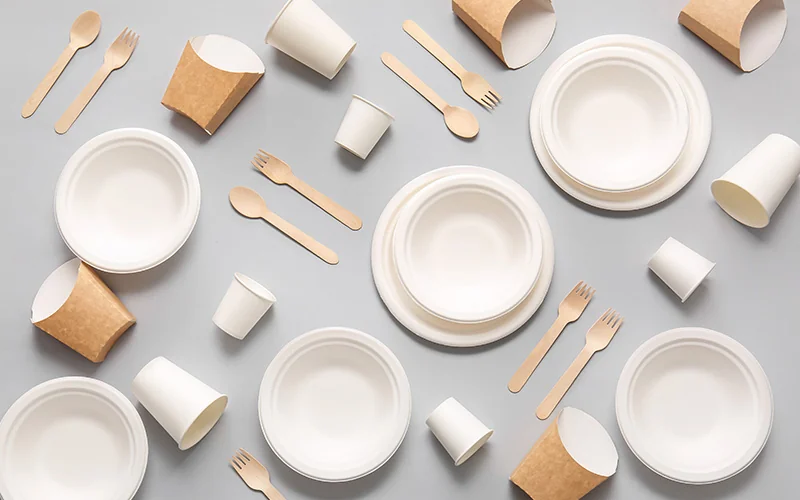
Making Safe Choices for Every Occasion
Your safest option depends on food temperature, time of contact, and how often you plan to use the tableware. Material labels and use limits matter more than appearance or price.
Tips for Selecting the Right Disposable Tableware
Start with how you will use the plate or cup. Hot, oily, or acidic foods raise the risk of chemical transfer, so material choice matters. Always check labels for PFAS-free and clear food-use instructions. Skip products with vague claims and no material details.
Below are several types of disposable tablewares and their using tips:
-
Uncoated paper plates contain pressed paper fiber with no plastic layer. Because they lack grease barriers, they work best for dry or cold foods.
-
Bamboo plates are molded from bamboo fiber, often with plant-based binders. Because they tolerate heat better than paper, they suit hot meals when labeled PFAS-free.
-
Plastic tableware often uses polypropylene (#5). Heat softens this plastic, which can increase chemical migration. For you, this means you should limit plastic to cold foods and avoid microwaving.
How to Balance Safety, Convenience, and Sustainability
Reusable tableware reduces repeated exposure and waste when you use it often. The material determines both safety and lifespan.
Stainless steel dinnerware uses food-grade steel alloys like 18/8 stainless steel. Because this metal resists corrosion and does not react with food, it stays stable with hot or acidic meals. For you, this means long-term use with minimal chemical risk.
Silicone dinnerware uses platinum-cured silicone rated for high heat, often up to 400°F. This heat tolerance limits breakdown during washing and reheating.
For short events, non-toxic dinnerware made from certified plant fibers balances convenience and disposal. Choose compostable items only when local composting accepts them. This ensures the material actually breaks down after use.
FAQs
Can heating food in plastic tableware cause chemical leaching?
Chemical leaching is the movement of chemicals from plastic into food. It happens more often when you heat plastic, especially with oily or acidic foods.
Many plastic plates use polypropylene or polystyrene. When heat raises the plastic temperature, the material can release small amounts of additives into food. For you, this means reheating food in plastic plates can increase chemical exposure, even if the plate does not melt.
How do manufacturers ensure the safety of disposable paper plates?
Manufacturers ensure safety by controlling raw materials, coatings, and food-contact testing. Food-safe paper plates must meet FDA standards for substances that can transfer to food.
Some plates use uncoated paper, which limits chemical contact because there is no barrier layer. Others add grease-resistant coatings, which may include polyethylene or PFAS. For you, this means plates labeled PFAS-free and uncoated reduce exposure to added chemicals.
How can consumers identify non-toxic disposable tableware options?
Non-toxic disposable tableware uses materials that limit chemical transfer to food. Common examples include uncoated paper and plant fibers such as sugarcane bagasse, palm leaf, or bamboo.
You can check labels for PFAS-free, BPI Certified Compostable, or food-contact compliant claims. In practice, this translates to choosing products designed to hold food without added grease barriers or plastic layers.