

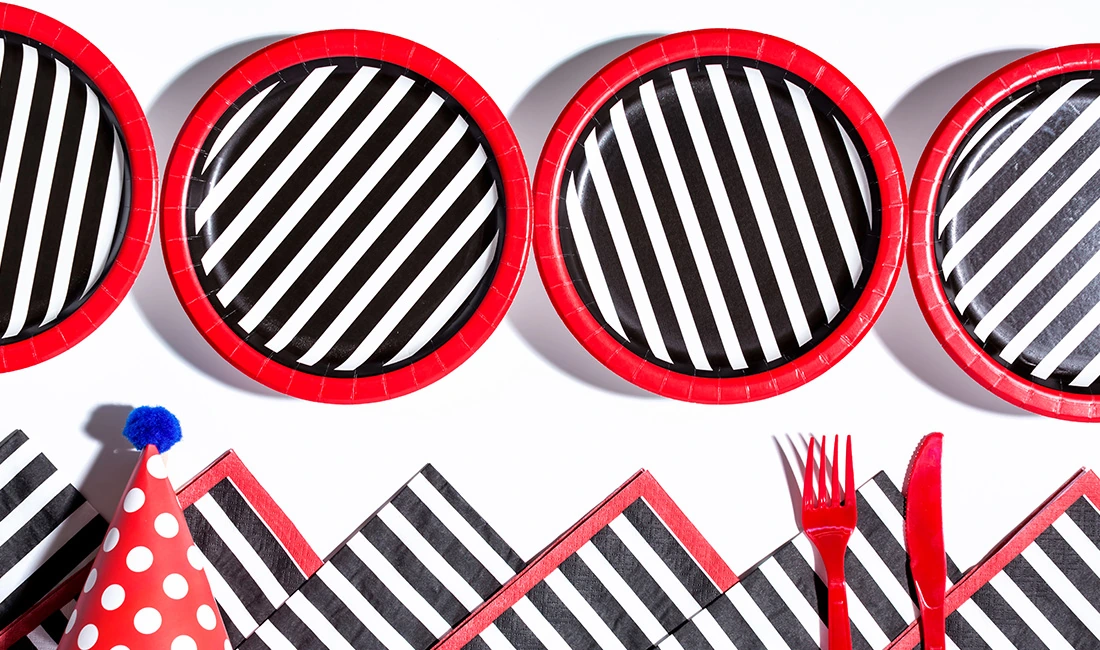
The best disposable tableware for birthday parties uses paper plates, compostable plates, and BPA‑free plastic cutlery because these options balance cleanup speed, food support, and party style. You get plates that handle hot pizza and cake, cups that hold juice without leaks, and napkins that match the theme without adding work.
This guide draws on event planning standards and product testing used for family parties and school events. You will learn why disposable tableware fits birthday parties, which options work best for kids and adults, and how to choose colors, themes, and durability that match your plans—plus clear answers to common questions.
Why Choose Disposable Tableware for a Birthday Party?
Disposable tableware means plates, cups, and utensils made for single use, such as paper plates, plastic plates, and compostable options.
Benefits for using disposable tableware for birthday party:
-
reduces cleanup time and limits the risk of broken dishes
-
handles fast service and repeated use
-
color and theme matching stays easy with disposable tableware
-
have a fixed per-guest price and no return or damage fees
-
cleanup stays fast and organized
You choose it for birthday parties because it reduces cleanup time and limits the risk of broken dishes. In practice, this means you spend less time washing and more time with your guests.
Disposable dinnerware works well for busy parties because it handles fast service and repeated use. Many disposable plates use molded pulp or thick plastic rated to hold hot and cold foods. For you, this means cake, pizza, and snacks stay on the plate without bending or leaks.
Color and theme matching stays easy with disposable tableware. You can buy sets in solid colors, prints, or character themes sized to standard 9-inch or 10-inch plates. This gives you visual consistency across tables without renting or storing matching dishes.
Cost control matters for group events. Disposable tableware has a fixed per-guest price and no return or damage fees. For you, this translates to predictable spending, even when the guest count changes at the last minute.
Cleanup stays fast and organized. You collect used items once, then sort trash or compost if available. This helps you clear the space quickly and end the party on schedule.
What are Disposable Tableware Options for My Birthday Party?
From the cake table to the final slice of pizza, the right tableware keeps your birthday party running smoothly. Disposable tableware is a popular choice for birthday celebrations because it’s easy to use, easy to clean up, and available in designs that suit every age and theme. With so many options on the market, choosing the right one starts with understanding what’s available.
Common options of disposable tableware at a glance:
|
Item |
Material |
What it handles well |
|
Plates |
Molded fiber |
Hot, heavy foods |
|
Cups |
Lined paper |
Cold drinks |
|
Cutlery |
Polystyrene |
Firm foods |
|
Containers |
Molded fiber |
Greasy items |
How to Choose the Best Disposable Tableware for Your Birthday Party?
You need tableware that fits your guest count, matches your decor, and holds up to the food you serve. Material type, size, and cost all affect how well disposable plates, cups, and cutlery perform during the party.
Estimating Guest Count and Pieces Needed
Guest count is the number of people you expect to attend, and it sets the baseline for every tableware choice. Start with a clear headcount, then add a buffer of 10–15%. This extra covers spills, dropped items, and second servings.
Plan by item type. Each guest usually needs one dinner plate, one dessert plate, one cup, and one full cutlery set. If you serve cake and ice cream, plan for extra forks and small plates. For drinks, assume two cups per guest if you serve both soft drinks and water. In practice, this prevents shortages when guests refill or switch drinks.
Use this quick guide:
|
Item |
Per Guest |
|
Dinner plates |
1–2 |
|
Dessert plates |
1 |
|
Cups |
2 |
|
Napkins |
3–4 |
|
Cutlery sets |
1 |
Coordinating with Decor and Menu
Disposable tableware should match both your decor and your food. Decor sets the visual tone, while the menu sets the functional needs. Plates with solid colors or light patterns work well when food has bright toppings or sauces, because they keep the table from looking crowded.
Menu choices affect plate size and shape. For example, 10-inch round plates handle pizza and burgers because the wide surface keeps food from sliding. For pasta or saucy dishes, choose plates with a raised rim of at least 0.5 inches. For the user, this means fewer spills and cleaner tables during the meal.
Selecting Designs and Color Themes
Design refers to the visual style printed or molded into the tableware. Color theme is the main color or color set used across plates, cups, and napkins. Choose one main color and one accent color to keep the table consistent.
For kids’ parties, printed designs like balloons or cartoon shapes signal the theme without extra decorations. For adult parties, matte finishes or metallic accents create a clean look. In practice, using the same color set across all items makes setup faster because you do not need to mix and match pieces at the table.
Considering Durability and Quality
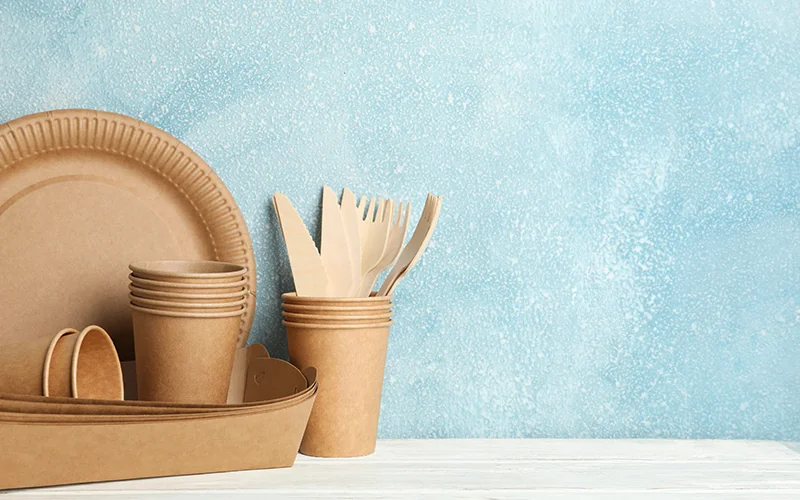
Durability means how well tableware resists bending, leaking, or breaking during use. Material choice drives this. Sugarcane bagasse plates resist heat up to about 200°F, which means they hold hot food without warping. Heavyweight plastic cutlery uses thicker handles, usually 2.5–3 mm, so it does not snap when cutting meat.
Paper cups with a poly or PLA lining prevent leaks. For the user, this means drinks stay in the cup, not on the table. Always check weight ratings when available, especially for main plates.
Balancing Budget and Convenience
The budget sets limits, but convenience saves time and effort. Buying complete tableware sets often costs less per piece than buying items separately. These sets also ensure color and size consistency, which speeds up setup.
Choose disposable items that stack well. Plates with flat rims and uniform thickness pack tightly, which reduces storage space before the party. For cleanup, compostable or recyclable items reduce sorting time after guests leave. In practice, this balance lets you stay within budget while keeping setup and cleanup predictable.
FAQs
What are the Top-Rated Disposable Tableware Options for Birthday Parties?
Top-rated disposable tableware includes heavy-duty plastic plates, sugarcane fiber plates, and coated paper plates. Each option serves a different party style and food type.
Heavy-duty plastic plates use BPA-free polystyrene or polypropylene. Because these plastics resist bending under weight, they hold pizza, burgers, and cake without folding. For you, this means fewer spills during active kids’ parties.
Sugarcane fiber plates, also called bagasse plates, come from compressed sugarcane pulp. This plant fiber structure handles moist and oily foods because it has a dense, molded surface. In practice, this means you can serve pasta or saucy foods while still choosing a compostable option.
Coated paper plates use a thin water-based or PLA coating. This coating slows soaking, which helps during short meal times with light foods like snacks and cupcakes.
How Many Disposable Plates for 50 Guests?
For 50 guests, plan for at least 75 plates. This count assumes one main plate per guest plus extra for seconds or desserts.
If you serve cake and snacks separately, add one dessert plate per person. That brings the total to about 100 plates. For you, this buffer prevents shortages if plates get dropped or used twice.
Children’s parties often need more extras because kids change plates often. Adding 10 to 15 extra plates helps avoid running out during the event.
What Materials are Suitable for Disposable Tableware When Considering Both Quality and Environmental Impact for Party Use?
Sugarcane fiber and bamboo pulp offer balance of strength and environmental impact. These materials come from fast-growing plants and break down in commercial composting systems.
Sugarcane fiber plates use leftover pulp from sugar production. Because manufacturers press the fibers under high heat, the plates gain rigidity that supports hot and wet foods. For you, this means fewer leaks without using plastic.
Bamboo pulp plates rely on long plant fibers. These fibers increase tear resistance, which helps when kids carry full plates. In real use, this reduces food drops and waste.
If composting is not available, recyclable plastic marked with a resin code like #5 polypropylene offers a practical option. This plastic tolerates heat better than thinner plastics, which means you can serve warm food without plate warping.