

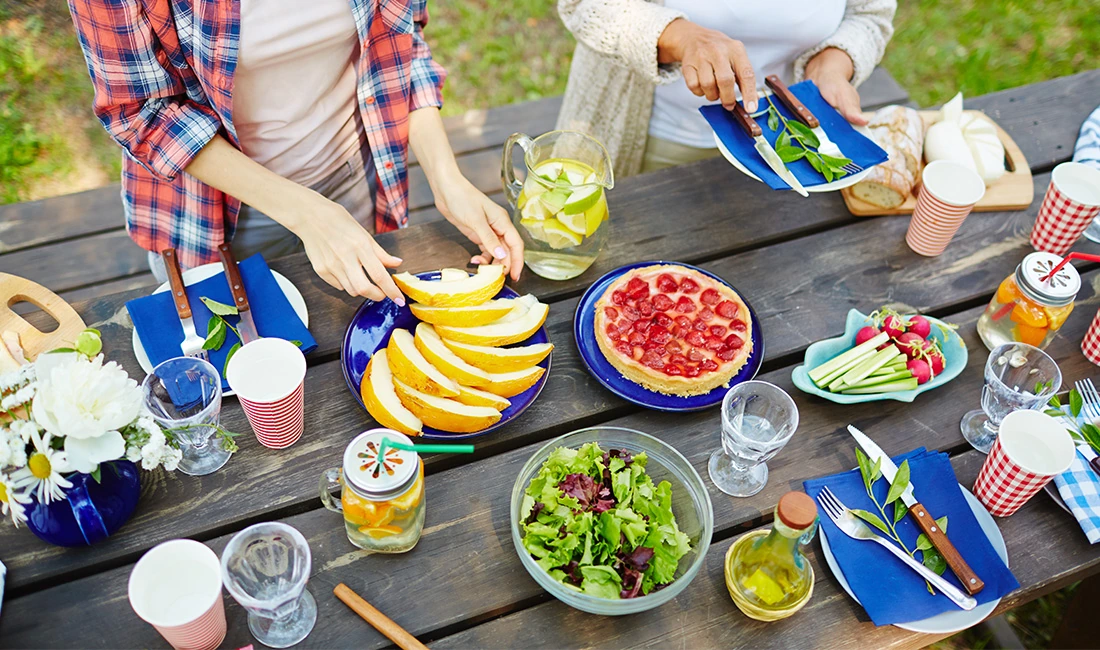
A Picnic Disposable Tableware Checklist covers disposable plates, cups, cutlery, napkins, and food containers sized for your group and menu. You also choose materials that fit outdoor use. You bring these items so meals stay clean, portions stay easy to serve, and cleanup stays quick at the park or beach.
This guide shows how to pick disposable tableware that matches your food, group size, and waste plan. You learn what counts as essential, how compostable options meet EN13432 standards for composting, and what other picnic essentials pair well with disposable plates, cups, and cutlery. FAQs and a printable checklist help you pack with confidence.
Understanding Picnic Disposable Tableware
Picnic disposable tableware refers to single-use plates, cups, cutlery, and containers designed for outdoor meals. Your choices affect cleanup time, food safety, and waste from a picnic checklist, especially for a sustainable picnic using eco-friendly options.
Why Does Picnic Disposable Tableware Matters?
Picnic disposable tableware refers to single-use dining items designed for outdoor eating. You include it as a core picnic essential because it controls hygiene, cleanup, and waste handling.
Benefits of using disposable tableware for a picnic:
-
Faster cleanup because you collect and discard items on-site. For you, this means less packing after the meal.
-
Food safety because sealed, unused items reduce contact and cross-use. In practice, this lowers the risk of contamination.
-
Weight control because paper-based items weigh less than ceramic or glass. This makes carrying picnic essentials easier.
-
Group planning because counted items match headcount. This avoids shortages and leftovers.
-
Waste planning because compostable items fit eco-friendly goals. For you, this supports a sustainable picnic without sorting confusion.
A checklist ties each benefit to a clear quantity and purpose.
Material Classification of Picnic Disposable Tableware
Picnic disposable tableware materials differ by fiber source, coatings, and end-of-life handling. These attributes determine heat tolerance, grease resistance, and disposal options.
|
Material |
Source |
Key Attribute (EAV) |
What This Means for You |
|
Bagasse |
Sugarcane fiber |
Heat-safe to ~120°C; no plastic lining |
Holds hot, oily food without leaking |
|
Paperboard |
Wood pulp |
Often coated; check for PE-free |
Works for dry foods and drinks |
|
Wood |
Birch or bamboo |
Solid fiber structure |
Cuts food without snapping |
|
PLA-lined paper |
Corn-based PLA |
Compostable in industrial sites |
Suits cold drinks; not for heat |
|
Palm leaf |
Fallen palm leaves |
Pressed leaf plates |
Handles heavy foods with no coating |
Choose materials based on your menu and disposal access. This keeps your picnic checklist aligned with eco-friendly goals.
What are Essential Disposable Tableware for Every Picnic?
You need tableware that handles food safely, stays stable on a picnic table, and cleans up fast. The right choices limit spills, reduce waste, and match the foods and drinks you serve.
Types of Plates and Bowls to Bring
Disposable plates and bowls hold solid foods, salads, and liquids without leaking. Compostable plates made from sugarcane bagasse resist grease because the fiber structure absorbs moisture without breaking down. For you, this means fewer soggy plates when serving pasta or grilled food.
Melamine plates offer a reusable-style feel because they use hardened resin. They resist cracking when dropped, which helps during picnics with kids. However, they are not compostable and need washing later.
A practical setup works best:
-
10-inch plates for mains like sandwiches
-
8-inch plates for sides and desserts
-
500 ml bowls for fruit, salads, or soup
Selecting Cups and Drinkware
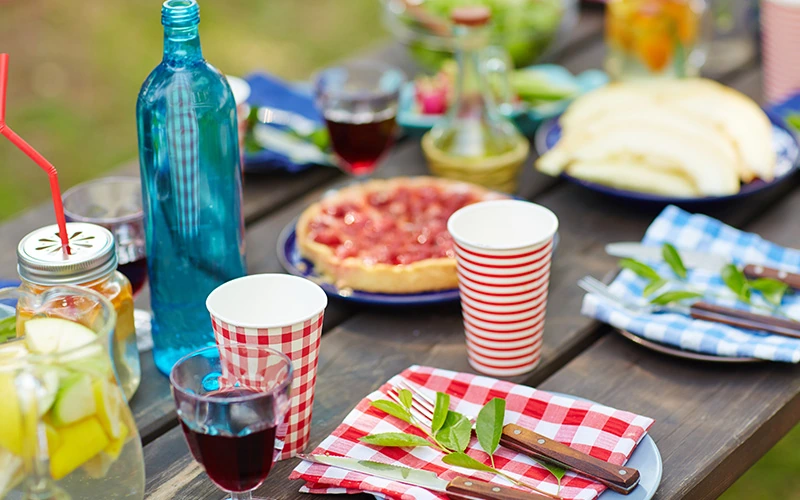
Disposable cups hold hot and cold drinks while preventing leaks. Compostable paper cups often use plant-based linings instead of plastic. This design allows them to hold hot coffee because the lining blocks moisture from soaking the paper. For you, this means one cup type can serve tea, juice, or water.
Bagasse cups handle cold drinks well because the thick fiber walls add insulation. This slows condensation, so the cup stays dry in your hand.
If you plan mixed drinks, pair cups with:
-
Fitted lids to reduce spills
-
Cup sleeves for hot beverages
Choosing the Right Cutlery
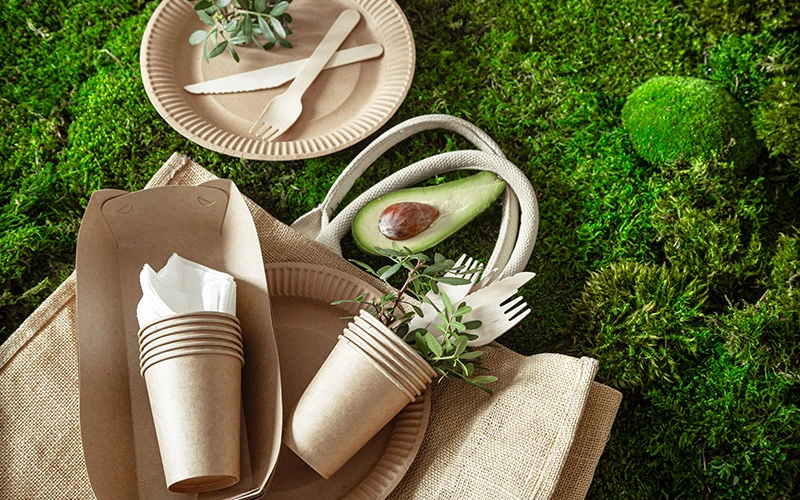
Disposable cutlery lets you serve full meals without cleanup. Utensils made from wood or molded bagasse work because dense fibers prevent bending under pressure. In practice, this means you can cut grilled vegetables or eat pasta without snapped forks.
Wooden cutlery uses birch or bamboo, which breaks down in compost systems. Bagasse cutlery matches compostable plates, so all items go in the same waste stream.
Bring serving utensils like tongs or large spoons. They limit hand contact with shared food, which matters at group picnics.
Bringing Disposable Tablecloths and Napkins
Disposable tablecloths cover the picnic table and protect food from dirt. Paper tablecloths absorb small spills because cellulose fibers pull in liquid. For you, this keeps plates from sliding and food from touching the table surface.
Napkins handle wiping hands and cleaning small messes. Recycled paper napkins break down faster than virgin paper because shorter fibers decompose more easily. If you want less waste, cloth napkins work for small groups but need washing later.
A useful setup includes:
-
One paper tablecloth per table
-
Two napkins per person
Other Picnic Essentials to Pair with Disposable Tableware
Disposable tableware works best when you support it with the right picnic supplies. Smart packing, safe food storage, and basic cleanup items help you serve food, keep it fresh, and leave the area clean.
Picnic Gear
Picnic gear includes the items you use to carry, store, and protect food during transport and setup. A picnic basket with a rigid frame and flat base keeps plates and cups from bending because it spreads weight evenly. For larger groups, a reusable tote with reinforced handles works better since it fits bulk items.
An insulated cooler is a temperature-controlled container made with foam insulation and a sealed lid. Paired with ice packs that freeze below 32°F, it slows bacterial growth by keeping food under 40°F. In practice, this means cold salads, dairy, and drinks stay safe for several hours.
Use sealed food containers for prepared dishes. Add wraps or cling wrap made from food-grade PE to cover cut fruit or baked goods, which reduces air exposure and drying.
Helpful picnic packing list items
-
Cooler with ice packs
-
Food containers with lids
-
Wraps or cling wrap
-
Picnic basket or tote
Hygiene and Cleanup Items
Hygiene and cleanup items help you manage spills, food residue, and waste during and after the meal. Wet wipes with alcohol or benzalkonium chloride remove food oils from hands when soap and water are not available. For you, this lowers the chance of spreading germs between shared dishes.
Pack paper towels made from recycled fiber for wiping tables and drying hands. Bring trash bags labeled for compost, recycling, and landfill waste. This matters because compostable plates and cups only break down when you separate them correctly.
Include a small bottle of hand sanitizer with at least 60% alcohol. Add a spare bag for used food containers and wraps so leftovers do not leak into clean supplies.
Cleanup basics to pack
-
Wet wipes and hand sanitizer
-
Paper towels
-
Trash and compost bags
-
Extra storage bag for leftovers
Printable Picnic Disposable Tableware Checklist
You use a printable picnic disposable tableware checklist as a one-page list that helps you pack single-use plates, cups, and tools for outdoor meals. It keeps quantities clear and reduces missed items when you load food and drinks.
Print the checklist and mark items as you pack. In practice, this saves time because you track what you already added and avoid doubling supplies.
Disposable Tableware Items to Pack
-
Plates: 9–10 inch paper or bagasse plates handle sandwiches and hot foods because the fiber structure resists grease. For you, this means fewer leaks on laps or blankets.
-
Bowls: 12–16 oz disposable bowls work for salads, fruit, and sides.
-
Cups: 12–16 oz paper cups suit water and juice; add lids if you walk between spots.
-
Cutlery: Forks, knives, and spoons made from wood or molded fiber resist snapping under normal pressure.
-
Napkins: 2–3 per person covers spills and sticky hands.
-
Serving items: Disposable tongs, trays, or platters help share food without extra dishes.
-
Condiment cups: 1–2 oz cups with lids keep sauces contained during travel.
Quantity Guide (per person)
-
Plates: 1–2
-
Bowls: 0–1
-
Cups: 2
-
Cutlery sets: 1
-
Napkins: 2–3
Store the printed list in your picnic bag so you can reuse it and update counts for each outing.
FAQs
How can I ensure I have all the necessary accessories for a picnic?
You can ensure this by using a written checklist and packing in stages. Start with tableware, then food containers, and finish with clean‑up items so nothing gets skipped.
Disposable picnic tableware includes plates, bowls, cups, and cutlery designed for single use. When you group these items by function, you reduce gaps because each item supports a clear task, such as eating, serving, or drinking.
Add accessories that support disposal and cleanup. Trash bags and paper napkins matter because disposable tableware still creates waste that you must collect and remove.
Which essentials should not be forgotten when packing for a picnic?
These include napkins, serving utensils, and extra cups.
Napkins absorb spills and grease from foods like sandwiches and fruit. In practice, this means you avoid using multiple plates or wiping hands on clothing.
Trash and compost bags matter because disposable tableware needs proper sorting. For you, this means faster cleanup and fewer items left behind at the picnic site.
What are the top picnic food items that should be on my checklist?
Sandwiches, cut fruit, pasta salad, and chips meet this need.
Sandwiches work well because they fit standard 9–10 inch plates and do not require cutting. For you, this means fewer utensils and less mess.
Cold sides like pasta salad or fruit hold well in lidded containers. In practice, this keeps food safe during transport and makes serving faster at the picnic.