


Choose heavy duty disposable plates when you plan to serve heavy, greasy, or saucy food, or when you host events where standard paper plates may bend or leak. You should use heavy duty disposable plates when you need extra strength to hold full meals without bending, soaking through, or breaking. This choice matters at barbecues, weddings, picnics, office lunches, and large family gatherings.
You will see what materials work best, when to use compostable plates, and how microwave-safe options add convenience. You will also learn how to match plate size, strength, and design to your event so you avoid spills, waste, and extra cost.
Why Do Heavy Duty Disposable Plates Matter for Certain Foods and Events?
You should choose heavy duty disposable plates when you serve hot, wet, or heavy meals at events where spills and bending would cause problems. These plates use thicker paperboard, molded bagasse (sugarcane fiber), palm leaf, or rigid plastic, so they hold their shape under weight and heat.
Key Features That Make Disposable Plates Truly Heavy Duty
-
Thicker paperboard (often 10-inch dinner size): resists bending under foods like steak or pasta.
-
Soak-resistant lining or molded fiber: slows liquid absorption, which reduces leaks.
-
Cut-resistant surface: stands up to metal utensils during meals.
-
Microwave-safe construction (for many paper and bagasse plates): handles reheating without warping.
Types of Foods That Require Heavy Duty Disposable Plates
-
Barbecue with sauce
-
Fried chicken or greasy foods
-
Pasta with tomato or cream sauce
-
Burgers and loaded sandwiches
-
Large holiday portions
These foods add weight, moisture, or oil. A thin plate can sag or tear because liquid weakens the fibers.
Advantages of Choosing Heavy Duty Disposable Plates
-
Fewer spills during weddings, catering events, and outdoor parties
-
Less need to double up plates, which can lower total use
-
Better support for full meals, not just snacks
In practice, this gives your guests a stable surface and reduces cleanup issues during busy events.
What are the Materials Used in Heavy Duty Disposable Plates?
Heavy duty disposable plates use thicker fibers, molded plant pulp, or rigid plastics to handle hot, wet, and heavy meals. You will see paper plates, plastic plates, and several plant‑based options sold as eco-friendly disposable plates.
1. Thick paperboard and coated paper plates
Manufacturers press multiple layers of paperboard into disposable paper plates. Some add a thin polyethylene or water‑based coating to resist oil and moisture.
Because the fibers are dense and the rim is often rolled, the plate holds shape under food weight. For you, this means fewer leaks with pasta, curry, or barbecue. Coated plates resist soak‑through longer, but they may not qualify as compostable plates unless certified.
2. Molded fiber: bagasse, bamboo, and sugarcane plates
Bagasse (sugarcane pulp), bamboo plates, and other molded fiber products form under heat and pressure. This process creates a rigid structure from plant fibers.
Because the material is thick and unbleached in many cases, it handles hot food without softening fast. Many sugarcane plates carry OK compost or similar certification. In practice, this means they break down in industrial compost systems, not in regular trash.
3. Palm leaf plates
Palm leaf plates use fallen areca leaves that are washed and heat‑pressed. No coating is required. You get a firm, cut‑resistant surface with a natural grain pattern.
4. Premium plastic and reusable-style disposables
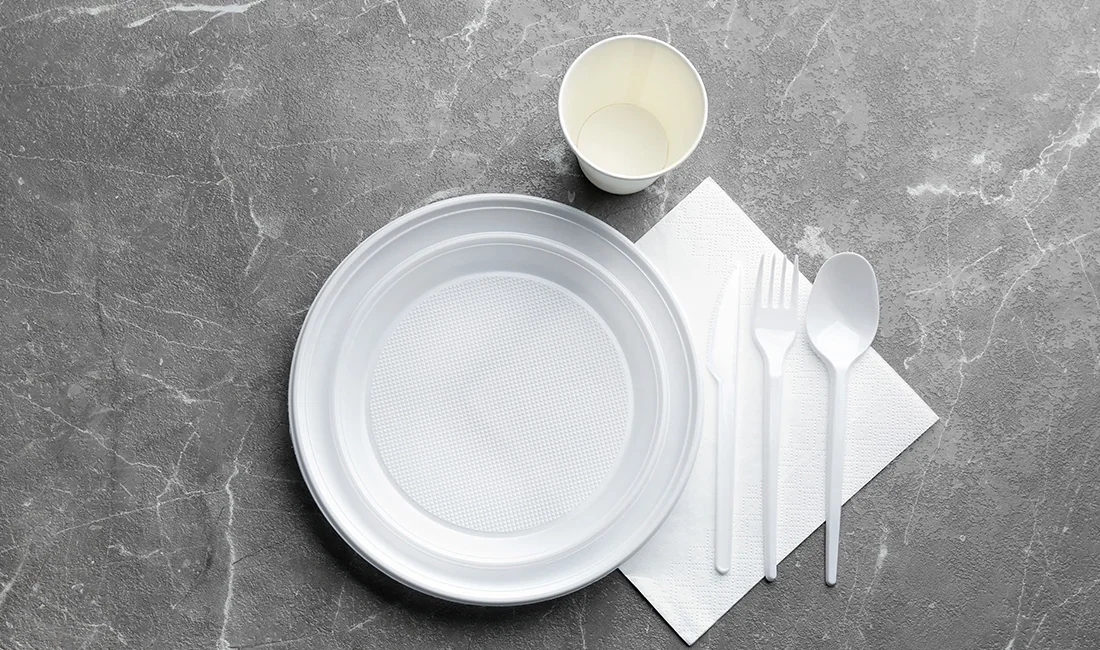
Disposable plastic plates use polypropylene (PP) or polystyrene (PS). Premium plastic versions increase wall thickness and add reinforced rims.
Because plastic does not absorb liquid, it supports heavy or greasy food without bending. Some reusable-style disposables are BPA‑free and designed for limited reuse, but they are not compostable or eco-friendly plates.
When to Use Heavy Duty Disposable Plates?
Choose heavy duty disposable plates when you expect weight, heat, grease, or large crowds. Their thicker construction and reinforced layers help you serve full meals without bending, leaking, or collapsing.
Events and Occasions That Demand Durability
Use heavy duty disposable plates at events where guests carry full meals, not just snacks. Think backyard barbecues with ribs and baked beans, graduation parties with pasta and salad, or holiday gatherings with turkey and gravy.
Many heavy duty disposable plates use multi-layer paper construction or molded sugarcane fiber. Because manufacturers press and bond several layers together, the plate resists flexing under weight. In practice, this means you can serve steak, sauce, and sides on one plate without it folding in half.
Some party plates also include a soak-resistant coating. That coating slows liquid absorption, which reduces leaks from oily or wet foods. For you, this means fewer spills on tables, laps, and floors.
Accommodating Large Guest Counts
Choose heavy duty disposable plates when your guest list grows beyond your cabinet space. Weddings, school events, fundraisers, and church dinners often serve 50 to 200 people.
Standard home dish sets rarely cover that volume. Disposable dinnerware lets you match the guest count exactly by buying packs of 100 or 150 plates. This avoids renting extra china or running multiple wash cycles.
Look for 10-inch or 11-inch plates for full meals. The larger diameter supports main dishes plus sides without crowding. Because the rim and base are reinforced, the plate stays level when guests walk or stand while eating.
Bulk packs of disposable party plates also keep service consistent. Every guest receives the same size and strength, which helps food lines move faster and reduces delays caused by plate failures.
Outdoor and Off-Site Food Service
Use heavy duty disposable plates when you serve food outdoors or away from a full kitchen. Parks, beaches, job sites, and tailgates rarely offer stable tables or washing stations.
Wind, uneven surfaces, and standing guests increase the stress on plates. Thicker paperboard or molded fiber plates resist bending because their rigid structure spreads weight across the base. For you, this means fewer dropped meals on grass or pavement.
In off-site catering, you may transport food in warmers and serve it hot. Microwave-safe and heat-tolerant disposable tableware handles hot barbecue, chili, or pasta without softening quickly.
When water access is limited, disposable dinnerware simplifies breakdown. You pack trash bags instead of hauling dirty dishes back for washing, which saves time and reduces transport weight.
How to Choose the Right Heavy Duty Disposable Plate
You choose the right heavy duty disposable plates by matching material strength to your menu, selecting the correct size and shape for each course, and picking a plate design that fits the setting. Focus on material type, thickness, diameter, and color so the plate supports the food and the event.
Matching Plate Features to Food Types
Start with the food weight and moisture level. Saucy pasta, barbecue, and steak place more stress on a plate than dry snacks.
If you serve hot or greasy meals, pick plates labeled soak-resistant or grease-resistant. Many heavy-duty paper dinner plates use a moisture barrier coating. This coating slows liquid absorption, which reduces bending. In practice, this means the plate keeps its shape while guests cut meat.
For eco-focused events, choose bagasse or sugarcane fiber plates. These fibers press into dense sheets. Because the fibers interlock under heat and pressure, they form a rigid structure. For you, this means less flex under a full portion of food.
Match plate type to course:
-
Dinner plates (10–12 inches): full meals with sides
-
Dessert plates (6–8 inches): cake, fruit, small portions
-
Oval paper plates or oval plates: meats like ribs or fish fillets that extend past round edges
Considering Plate Size and Shape
Plate size controls portion space and spill risk. A 10-inch dinner plate gives enough room for a main dish and two sides without crowding. Crowded food increases the chance of sauces running over the edge.
For large outdoor events, many heavy-duty disposable plates range from 6 to 12 inches in diameter. Smaller plates reduce food waste at buffets because guests take moderate portions.
Shape also affects function. Oval paper plates provide extra length. Because they extend along one axis, they support long foods like corn on the cob or sliced brisket. This reduces overhang, which lowers the risk of tipping.
Round plates stack more evenly and fit standard plate holders. For high-volume catering, this improves storage and speed of service. In other words, the shape affects both presentation and workflow.
Assessing Design and Aesthetics
Plate design influences how food looks and how formal the event feels. Choose color and finish based on the setting.
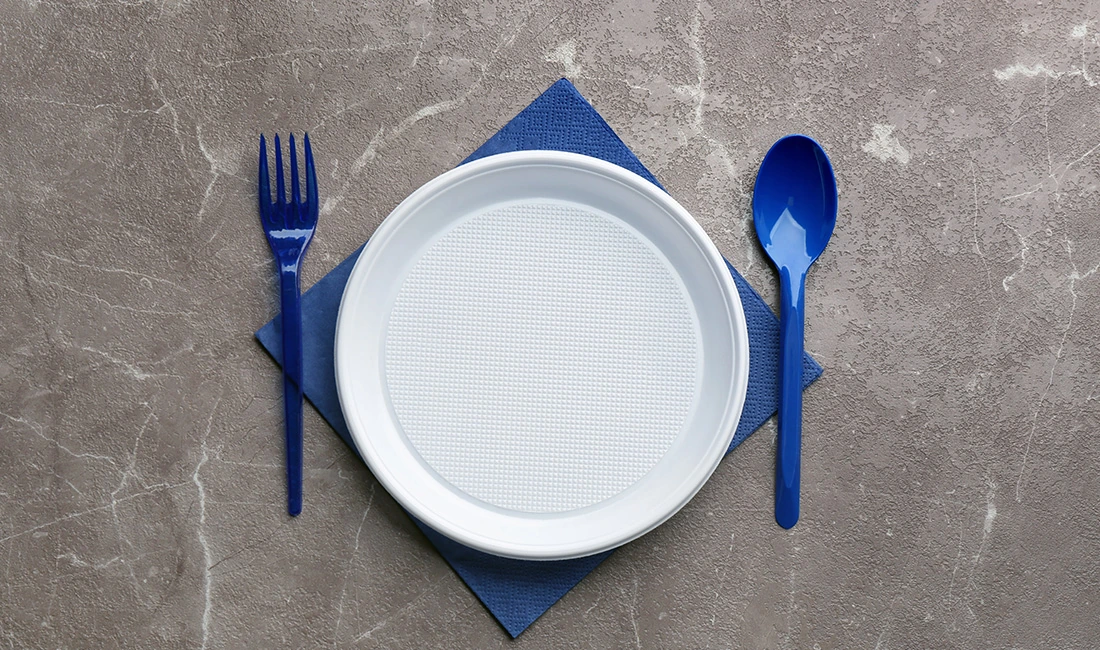
White plastic plates create a clean background. White increases contrast, so grilled meats, salads, and desserts stand out. For weddings or formal dinners, plates with a gold or silver rim add detail without using real china.
Natural brown compostable plates signal an eco-friendly focus. Because they show visible plant fibers, guests often recognize them as compostable. This supports sustainability goals at corporate or school events.
Keep design practical. Glossy plastic can look polished, but it may show scratches if reused. Matte paper or fiber plates hide marks better during long events.
Match the plate design to the purpose. For a backyard party, plain heavy-duty paper dinner plates work well. For a formal event, coordinated dinner plates and dessert plates create a consistent table setting.
FAQs
Can heavy duty disposable plates replace reusable plates?
Yes, in many event settings.
Heavy duty plastic plates made from thick polystyrene or polypropylene resist bending because the rigid polymer structure holds its shape under weight. In practice, this means you can serve steak, pasta, or layered desserts without the plate sagging or cracking.
However, most plastic disposable plates cannot go in a dishwasher or microwave. If you need plates for daily home use with repeated washing and heating, ceramic or tempered glass will last longer because they tolerate high heat and machine washing.
Are heavy duty disposable plates microwave safe?
Some are, but many are not.
Many heavy duty paper plates, such as coated fiber plates labeled microwave-safe, can handle short heating times because the pressed paper pulp and moisture-resistant coating limit warping. For you, this means reheating leftovers for a few minutes is usually safe if the package states microwave-safe.
Most rigid plastic party plates made from polystyrene should not go in the microwave because heat can cause softening or warping. Always check the package for a clear microwave-safe label before heating food.
Which materials of heavy duty disposable plates are most eco-friendly?
Bagasse and molded fiber plates are the most eco-friendly options.
Bagasse plates use sugarcane fiber left after juice extraction. Because manufacturers press this plant fiber into thick, compostable plates, you get a product that can break down in commercial compost facilities instead of sitting in a landfill for decades.
Plates made from bamboo fiber or unbleached molded pulp also reduce plastic waste. In contrast, heavy duty polystyrene or polypropylene plates rely on fossil fuels and do not compost, so they create long-term waste even if you reuse them once or twice.