

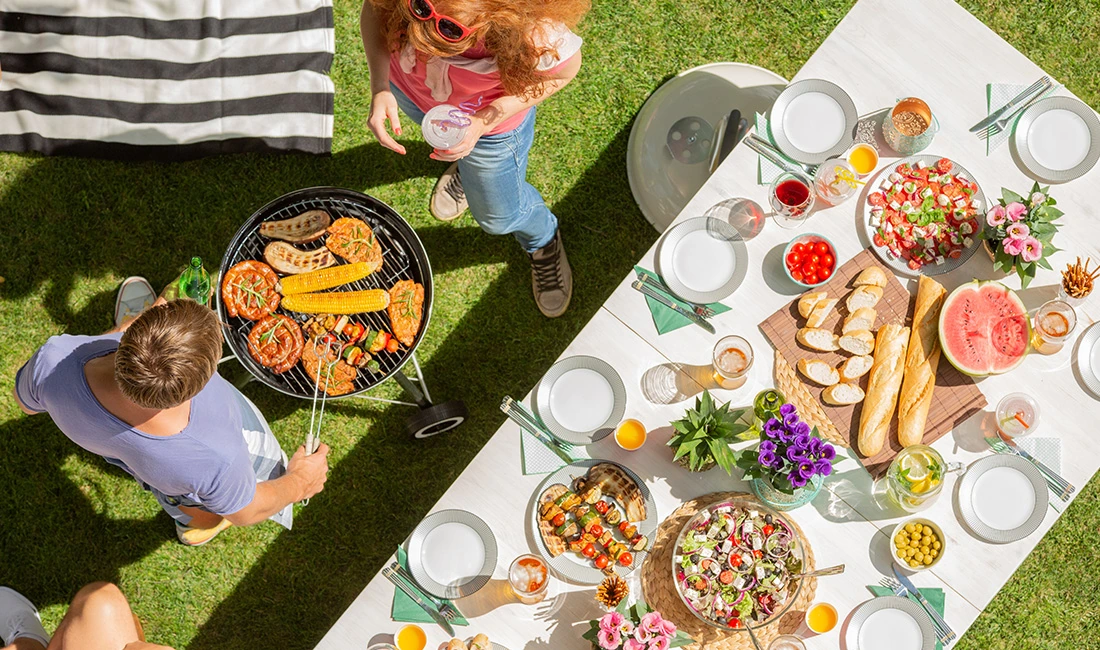
Disposable tableware for picnics works best when it stays light and easy to carry, while disposable tableware for BBQ needs heavy-duty plates that resist heat, grease, and cuts. You choose different options because picnic food stays simple, but BBQ meals include hot meats, sauces, and larger portions.
You will learn why the right choice matters, which disposable tableware options fit picnics or BBQs, and how materials like bagasse, heavy paper, and recycled plastic change performance. You will also see the key differences, how to choose based on food and setting, and clear answers to common questions.
What are Disposable Tableware Options for Picnics?
Disposable tableware for picnics means single-use plates, cups, bowls, and utensils made for outdoor dining. You choose these items because they reduce cleanup and limit what you need to carry home.
Common disposable tableware options for picnics
|
Item |
Typical material |
Practical use |
|
Plates |
Bagasse, molded paper |
Holds hot and greasy food |
|
Cups |
Paper, PET plastic |
Serves cold drinks outdoors |
|
Cutlery |
Polypropylene, wood |
Handles firm foods |
|
Napkins |
Recycled paper |
Manages spills and messes |
What are Disposable Tableware Options for BBQ?
Disposable tableware for BBQ refers to single-use plates, trays, cups, and cutlery made to handle outdoor dining with hot, heavy foods. You use these items because BBQ meals often include sauces, grease, and large portions that need more support than picnic snacks.
Common disposable tableware options for BBQ include:
-
Paper plates with cut resistance, which limit tearing when using knives
-
Compostable bagasse plates and trays, which break down in commercial compost systems
-
Disposable food trays, which support heavier loads like brisket or seafood boils
-
Plastic cutlery labeled BPA‑free, which reduces chemical exposure during hot meals
Disposable Tableware for Picnics vs BBQ: What are the Differences?
Disposable tableware includes single-use plates, cups, bowls, and cutlery designed for outdoor dining. Picnics and BBQs place different demands on these items because food types, heat, and cleanup needs vary.
Key differences between picnic and BBQ tableware are reflected in:
-
Material
-
Food Type Suitability
-
Heat and Oil Resistance
-
Portability
-
Environmental Impact and Composting
Material Differences
Disposable tableware for picnics often uses paper, molded fiber, or thin plant-based materials like sugarcane bagasse. These materials weigh little and fold or stack flat, which helps when you carry food to a park or beach. Because they rely on pressed fibers, they work best with light meals.
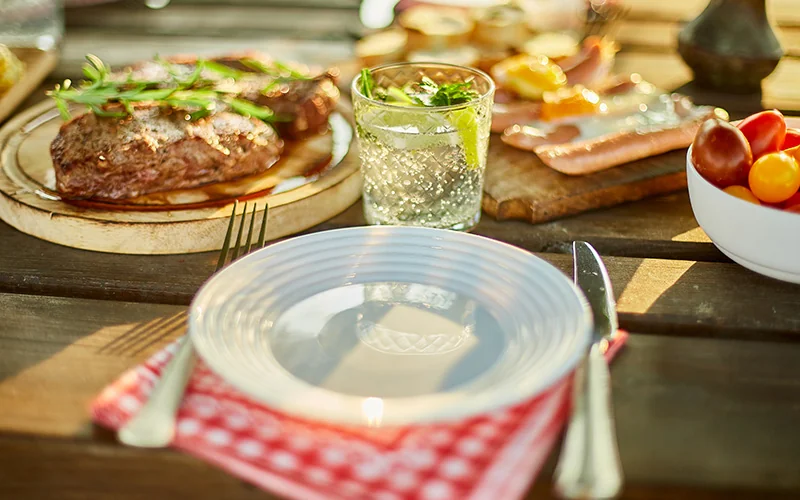
BBQ disposable tableware usually uses thicker bagasse, palm leaf, or heavy-duty paperboard. These materials resist bending because manufacturers press them at higher density. In practice, this means the plate keeps its shape when you serve ribs or burgers with sides.
Plastic and foam still appear at BBQs, but many users avoid them due to heat limits and chemical concerns.
Food Type Suitability
Picnic food tends to include sandwiches, fruit, salads, and snacks. Disposable picnic plates often have shallow walls and smooth surfaces. This design works because dry or cold foods do not release much liquid or oil.
BBQ food creates different demands. Grilled meats release fat, and sauces contain acids and sugars. Disposable BBQ plates often have raised edges and textured surfaces. These features slow leaks and reduce pooling. For you, this means fewer spills on tables or laps.
Cutlery also differs. Light wooden forks suit picnic foods, while BBQ meals often need thicker wood or compostable bioplastic to handle dense meat.
Heat and Oil Resistance
Heat resistance separates picnic and BBQ disposable tableware more than any other factor. Picnic meals rarely exceed room temperature, so standard paper or fiber plates perform well.
BBQ food often lands on plates straight from the grill at 300–400°F surface temperature. Thicker bagasse and palm leaf plates handle this heat because the dense fibers insulate better. In other words, the plate stays firm instead of sagging.
Oil resistance matters for BBQs. Many paper plates rely on chemical coatings for grease control. Fiber plates without PFAS coatings absorb some oil, but the added thickness slows seepage. For you, this reduces the risk of grease soaking through during a long meal.
Portability Comparison
Picnic disposable tableware prioritizes light weight and compact stacking. Thin plates and nested cups fit easily into a backpack or cooler. This matters when you walk long distances to your picnic spot.
BBQ tableware trades weight for stability. Heavier plates resist wind and tipping on uneven tables. Palm leaf plates, for example, weigh more because each plate uses a single pressed leaf. For the user, this means fewer plates sliding or flipping during serving.
A quick comparison helps clarify the trade-off:
|
Use Case |
Weight |
Stack Size |
Stability |
|
Picnic |
Low |
Very compact |
Moderate |
|
BBQ |
Medium |
Larger |
High |
Environmental Impact and Composting Options
Environmental impact depends on material and disposal methods. Many picnic plates use paper with water- or grease-resistant coatings, which limits composting. If the coating includes PFAS, compost facilities may reject it.
BBQ disposable tableware more often uses bagasse or palm leaf, which manufacturers leave uncoated. These materials compost in commercial facilities because they contain only plant fibers. In practice, this means you can divert more waste from landfills if local composting exists.
For both picnics and BBQs, compostability only works when your area accepts food-soiled fiber products. Without access, even plant-based outdoor dinnerware may still end up as trash.
How to Choose the Right Disposable Tableware for BBQ and Picnic?
You choose disposable tableware based on food type, setting, and cleanup needs. Picnics favor light outdoor dinnerware that travels well, while BBQs demand plates that handle heat, grease, and weight. Material choice also affects waste, safety, and local disposal options.
Prioritizing Needs: Picnic vs BBQ
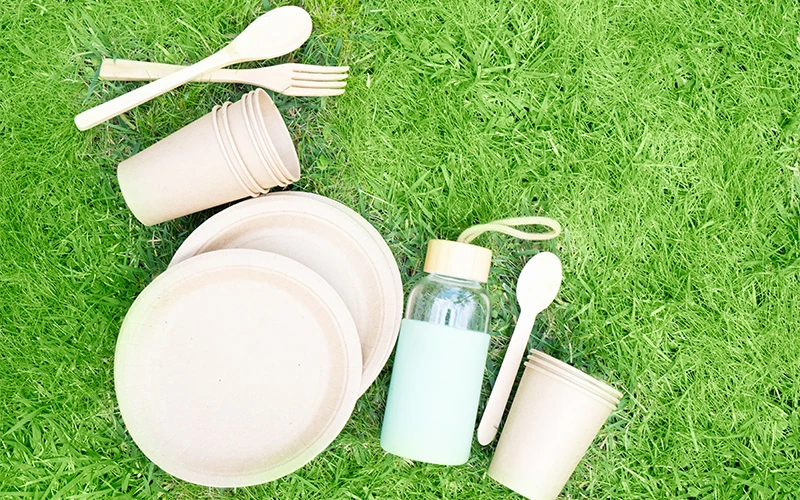
Disposable tableware means single-use plates, cups, and utensils designed for short events. For picnics, you need lightweight outdoor dinnerware because you often carry food by hand or in bags. Thin paper plates or molded fiber plates work well because cold foods and sandwiches place little stress on the surface. In practice, this means easier packing and less bulk.
BBQs create different demands. Hot meats, sauces, and grease require thick plates made from sugarcane bagasse or heavy-duty paper. Bagasse plates resist soaking because pressed plant fibers form a dense structure. For you, this means the plate keeps its shape when holding ribs or burgers. Large or oval plates also reduce spills by giving food more surface space.
Balancing Sustainability and Functionality
Compostable tableware is disposable tableware made from plant-based materials that break down in industrial composting systems. Common materials include sugarcane bagasse and cornstarch fiber, not plastic. Because these fibers tolerate heat up to about 200°F, they work for grilled food without warping. For you, this means safer handling of hot items.
Function still matters. Look for labels such as BPI or ASTM D6400, which confirm compostability standards. Compostable does not always mean backyard compostable, so disposal options matter. If compost access is limited, choose minimal coatings and avoid plastic linings. This choice reduces landfill waste while keeping plates usable for real meals.
FAQs
Are melamine plates suitable for both picnics and barbecue events?
Yes, but only with limits. Melamine plates are rigid plastic made from melamine resin, which resists breaking but softens under high heat.
Because melamine is not heat-safe above about 160°F, you should not use it for very hot or freshly grilled food. In practice, this means melamine works well for cold sides and warm foods at picnics, but not for food straight off a grill.
What are the advantages of using reusable plastic plates for outdoor gatherings?
Reusable plastic plates resist cracking because they flex under pressure instead of shattering.
Because you can wash and reuse them many times, you reduce waste and lower long-term cost. For you, this means fewer replacements and easier packing for repeat picnics or BBQs.
Which materials are recommended for disposable tableware when serving hot food?
Molded fiber and aluminum are the materials recommended for disposable tableware when serving hot food.
Molded fiber plates, often made from bagasse (sugarcane fiber), handle hot and greasy food better than thin paper. The dense fiber structure resists soaking because it slows liquid absorption.
Aluminum trays also work well for hot food because metal tolerates direct heat without warping. For you, this means safer serving when food comes straight from the grill or warmer.