

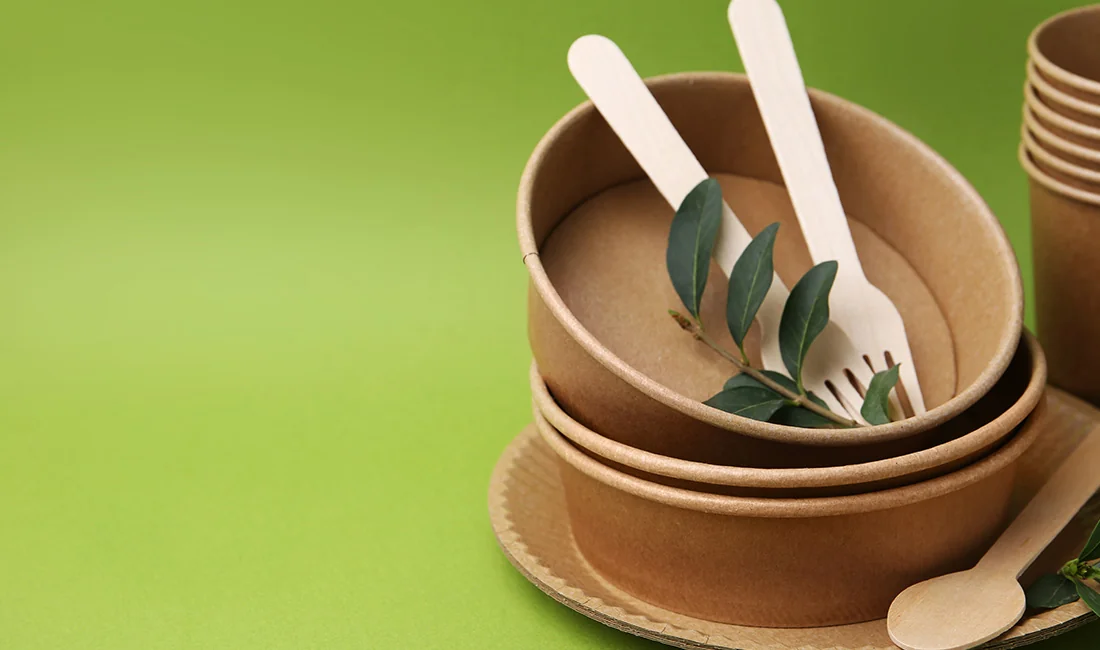
Sustainable disposable tableware materials are plates, cups, and utensils made from renewable fibers, plant‑based polymers, paper, or recyclable plastics that reduce waste because they compost under controlled conditions or recycle through common systems. You use options like sugarcane bagasse (pressed cane fiber), PLA and CPLA (polymers from corn or sugarcane starch), molded paper pulp, and recyclable PET or PP chosen for cold or hot use.
You will learn which materials match your needs, why heat limits and coatings matter, and how disposal rules change results. The guide also shows how to choose sustainable tableware for events, takeout, or daily use, with clear facts tied to environmental sustainability and real‑world use.
Why Sustainable Disposable Tableware Matters?
The importance of using sustainable disposable tablewares:
-
Reduces plastic pollution and long-term waste.
-
Prevents microplastics from harming wildlife and ecosystems.
-
Supports a circular economy by reusing renewable resources.
Sustainable disposable tableware matters because it reduces plastic pollution while still meeting your need for safe, single-use tableware. It replaces plastic tableware with sustainable materials that break down more easily and create less long-term waste.
Plastic tableware often ends up in landfills or oceans, where it can break into microplastics. These particles persist for decades and harm wildlife and food systems. Environmentally friendly tableware lowers this risk by using plant-based or fiber-based materials.
Sustainable options also support a circular economy. Materials like bagasse, paper, and PLA reuse agricultural byproducts or renewable crops instead of fossil fuels. This approach helps keep resources in use and reduces reliance on virgin plastics.
What are Key Eco‑Friendly Materials Used in Sustainable Disposable Tableware?
Sustainable disposable tableware uses renewable or recovered materials that break down faster than plastic tableware. You will learn how each material works, its key features, and its environmental impact on landfill waste, plastic pollution, and marine pollution.
Plant‑Based Bioplastics: PLA and Its Variants
PLA comes from fermented plant sugars, often corn or sugarcane. You see it in clear cups, lids, and coated paper items. It looks like plastic tableware but comes from renewable sources.
Key features
-
Compostable tableware under ASTM D6400
-
Often BPI certified for commercial composting
-
Low odor and good clarity for cold foods
PLA needs a composting facility with heat and moisture. Home composting rarely works. When composted correctly, PLA reduces landfill waste and avoids microplastics linked to plastic pollution. If landfilled, it breaks down slowly, so proper disposal matters.
Paper: The Versatility of Recycled Paperboard
Paperboard uses wood pulp, often with recycled content. You find it in plates, bowls, cups, and trays. Many products add a thin lining for moisture control.
Key features
-
Widely available and low cost
-
Easy to print and label
-
Can use water‑based or PLA coatings
Uncoated paper counts as biodegradable tableware and works in home composting. Coated paper may need a composting facility. Using recycled fiber supports a circular economy by lowering demand for new trees and cutting landfill waste.
Wood: The Durability of Sustainable Forests
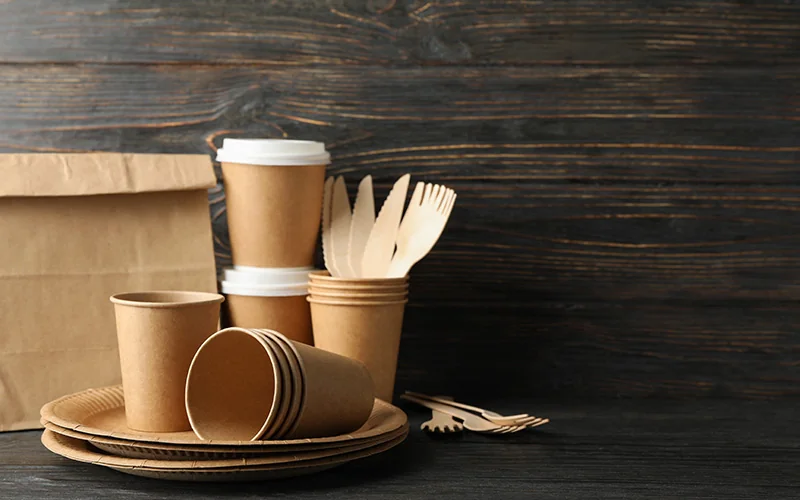
Wood tableware uses birch or other fast‑regrowth trees from managed forests. You see it in forks, knives, and stirrers. It feels firm and works well with hot foods.
Key features
-
Strong and heat resistant
-
No plastic additives
-
Naturally biodegradable
Wood breaks down in soil and compost without leaving microplastics. Certified sourcing helps protect forests. Compared to plastic tableware, wood lowers long‑term marine pollution risks when waste escapes collection systems.
Bamboo: The Strength of Fast‑Growing Stalks
Bamboo grows quickly and regrows after harvest. You find it in cutlery, plates, and skewers. It offers high strength with low material weight.
Key features
-
Rapid renewal cycle
-
Durable and smooth texture
-
Often reusable for short periods
Bamboo products count as biodegradable tableware when untreated. They compost well in industrial systems and some home composting setups. Bamboo reduces pressure on forests and supports environmentally friendly tableware goals with low chemical input.
Bagasse: The Power of Sugarcane Residue
Bagasse comes from sugarcane pulp left after juice extraction. You see it in plates, bowls, and clamshells. It handles heat, oil, and moisture well.
Key features
-
Uses agricultural waste
-
Microwave and freezer safe
-
Molded without plastic
Bagasse works in both home composting and commercial composting. It breaks down quickly and diverts waste from landfills. By replacing plastic tableware, bagasse helps cut plastic pollution and supports degradable tableware systems.
Palm Leaf: The Sustainable Strength of Natural Leaves
Palm leaf tableware uses fallen leaves from areca palm trees. Makers clean, heat‑press, and shape them into plates and bowls. No trees get cut.
Key features
-
No coatings or additives
-
Natural grain and texture
-
High heat tolerance
Palm leaf products compost at home and in industrial systems. They return nutrients to soil and leave no microplastics. This material fits environmentally friendly tableware needs where appearance and strength matter.
Wheat Straw: The Eco‑Power of Agricultural Residue
Wheat straw uses stalks left after grain harvest. You see it in plates, bowls, and molded containers. It often blends with plant binders.
Key features
-
Uses farm by‑products
-
Light and rigid
-
Lower emissions than plastics
Wheat straw products qualify as biodegradable tableware. Many compost in facilities, and some break down in home composting. By reusing crop waste, wheat straw reduces landfill waste and supports single‑use tableware with a smaller environmental footprint.
How to Choose the Right Material for Your Tablewares?
You choose the right material by matching food type, heat level, and disposal options with the strengths of each sustainable option. This section shows how to compare eco-friendly disposable tableware so you can make a clear, practical choice.
The focus stays on heat tolerance, food safety, strength, and end-of-life options, based on food service standards and supplier data used across catering and retail.
Start by defining how you will use the tableware. Hot meals, cold drinks, oily foods, and storage time all affect material choice. Disposal access also matters, such as composting or recycling.
Key factors to check
-
Heat resistance for hot foods and drinks
-
Strength for heavy or wet meals
-
Disposal method like composting or recycling
-
Appearance for events or branded service
FAQs
Which sustainable materials are preferred for BBQ?
Bagasse, palm leaf and CPLA cutlery are preferred for BBQ.
Bagasse and palm leaf work best for BBQ because they handle heat, grease, and heavy food. Bagasse plates hold hot meats and sauces without bending, and palm leaf trays stay firm without coatings.
CPLA cutlery also suits BBQ meals. It resists higher heat than standard PLA and stays rigid during use. Paper products can work, but you need grease-resistant linings to avoid leaks.
What innovations in disposable tableware are helping to reduce waste?
Molded fiber designs now replace plastic trays and clamshells in many food services. These designs use bagasse or recycled paper and avoid plastic linings, which improves composting.
Manufacturers also reduce waste through thinner but stronger forms. Some brands use single-material products, which improves recycling and compost sorting.
Can sustainable disposable tableware be composted at home, and what is the process?
Yes, some sustainable disposable tableware can be composted at home, but results depend on the material. Bagasse, uncoated paper, and palm leaf usually break down in home compost within a few months.
You should tear items into smaller pieces and mix them with food scraps and yard waste. Keep the pile moist and turn it often. PLA and CPLA usually need industrial composting because home piles do not reach high enough heat.