

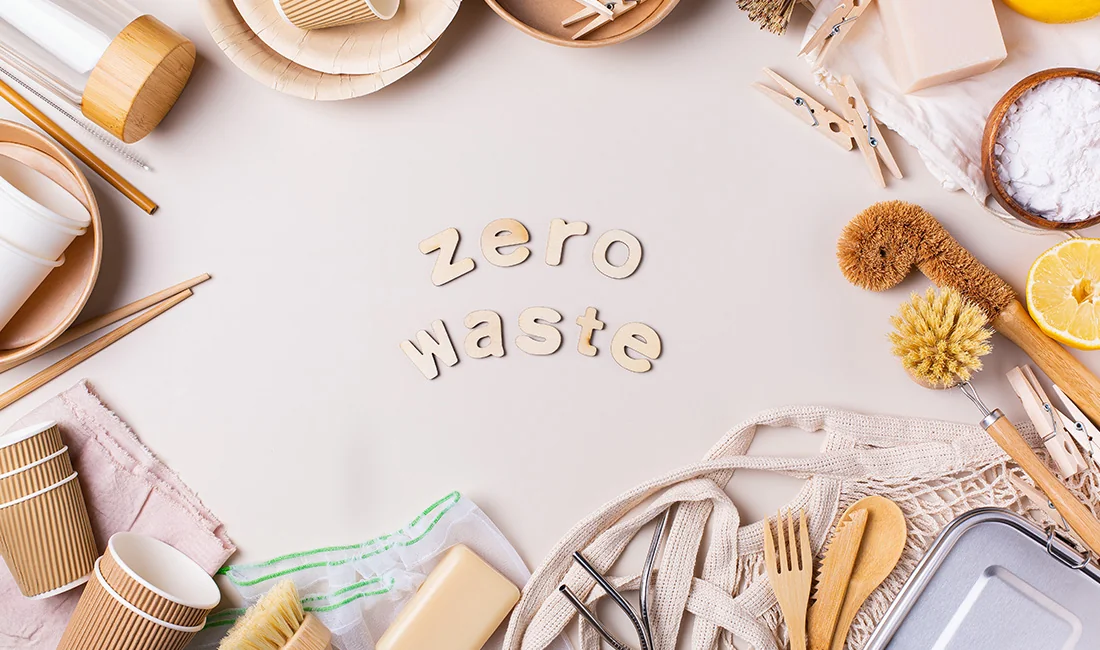
You host a zero-waste party by planning ahead, using reusable tableware, serving low‑waste food and drinks, and setting up clear recycling and compost options. A zero-waste party is a gathering that aims to send as little trash as possible to landfill by reducing, reusing, and composting materials.
This guide draws on established zero-waste practices used in homes and community events. You will learn what zero-waste means, how to choose zero-waste tableware and serving solutions, how to reduce waste during the event, and how to handle cleanup with smart waste management strategies, plus clear answers to common questions about zero-waste parties.
What is Zero-waste?
Zero-waste is an approach where you plan an event to prevent trash before it starts, then divert what remains away from landfills through reuse, recycling, composting, or donation. You focus on choices that reduce single-use items because fewer disposables create less trash to manage later.
At a party, zero-waste means you design each step—invites, food, décor, and cleanup—to limit waste. For example, you use reusable plates and cups because they replace disposable items. In practice, this means you wash dishes after the event instead of filling trash bags.
Zero-waste does not mean producing zero trash. It means setting a clear goal to reduce waste and track where materials go after use. Many hosts aim to divert most waste from landfills by sorting items into compost, recycling, and reuse bins.
Core principles you follow:
-
Refuse items you do not need, like plastic favors.
-
Reduce what you bring in, such as excess packaging.
-
Reuse durable items, like cloth napkins.
-
Recycle accepted materials, based on local rules.
-
Compost food scraps and certified compostables.
These steps work together because each choice lowers landfill waste. For you, this means less cleanup, lower disposal costs, and clearer planning.
Zero-Waste Tableware and Serving Solutions
Tableware and drink service create most party waste. You can cut it by choosing reusable tableware, limiting single-use items, and setting up clear systems for food and drinks.
Use Reusable Tableware and Glassware
Reusable tableware includes plates, bowls, and serving trays designed for repeated use. Materials like ceramic, stainless steel, and tempered glass resist heat and scratching, which allows you to wash and reuse them many times. In practice, this means fewer broken items and no trash after the meal.
Use glassware for water, juice, and mixed drinks instead of disposable cups. Glass does not absorb flavors or odors, so guests can reuse the same glass all night. Provide a small tag or marker so each person can label their glass and avoid mix-ups.
Serve food from large reusable containers. This reduces packaging waste because you avoid individual wrappers and single-use trays. It also makes refilling faster during the event.
Offer Sustainable Utensils and Napkins
Sustainable tableware also includes utensils and napkins that last beyond one event. Stainless steel utensils work well because they do not bend or crack under pressure. For the user, this means guests can cut and scoop food easily without switching tools.
If you need lighter options, choose bamboo utensils made from fast-growing grass fibers. Bamboo regrows in months, not years, which reduces resource use compared to plastic. After use, you can compost them in a compost bin if your local facility accepts bamboo.
Replace paper napkins with cloth napkins made from cotton or linen. Cloth absorbs more liquid per use, so guests use fewer napkins overall. Wash and store them for future events to avoid disposables.
Provide Compostable Alternatives When Necessary
Compostable tableware is designed to break down in controlled composting systems. Look for items made from biodegradable materials like bagasse (sugarcane fiber) or molded fiber. These materials break into organic matter under heat and moisture, unlike plastic.
Use compostable plates and bowls only when reusable options are not practical. For example, large outdoor events may lack dishwashing space. In that case, set up clearly labeled compost bins next to trash bins.
Add signs that list accepted items. For the user, this means fewer sorting mistakes and higher compost recovery rates.

Set Up a Refill Drink Station
A refill station replaces single-use bottles with shared containers. Use glass or stainless steel dispensers for water, tea, or juice. These materials do not leach flavors and clean easily, which keeps drinks consistent and safe.
Provide reusable cups and skip bottled drinks. Offer optional reusable straws made from stainless steel or silicone for guests who want them. Clean straws between uses to meet basic hygiene needs.
Place the station in a central spot. This encourages refills and helps you avoid disposables without limiting drink choices.
Tips to Reduce Waste at Your Zero-Waste Party
You reduce waste most when you plan details before the event starts. Clear goals, accurate food planning, and low-waste communication choices cut trash at the source. Each decision below links to a direct waste outcome you can control.
Define Your Party’s Purpose and Size
A zero-waste party is an event designed to avoid landfill waste by planning reuse, composting, and recycling in advance. Start by defining the purpose, such as a birthday, dinner, or work event, because the purpose sets food type, timing, and guest behavior.
Set a clear guest count and stick to it. Accurate numbers reduce extra food and prevent unused supplies. For example, planning for 20 guests instead of “around 30” lowers food overbuying and cuts packaging waste.
Choose a venue that supports your goal. A home or park with access to compost and recycling bins allows you to sort waste correctly. For you, this means less trash at the end and easier cleanup.
Plan Your Menu to Minimize Food Waste
Food waste is one of the largest waste sources at parties. Plan a menu based on portion data, not guesses. A common guideline is 1–1.5 pounds of food per guest for a full meal, which helps prevent leftovers that cannot be stored or donated.
Serve foods that hold well. Dishes like pasta salads, roasted vegetables, and grain bowls keep their texture over time. In practice, this means fewer uneaten plates thrown away.
Limit menu options. Three main items often reduce waste more than six choices because guests finish what they take. Use a short list:
-
One main dish
-
One side
-
One dessert
Reduce Packaging Waste
Packaging waste comes from single-use wraps, bottles, and portion packs. Buy food in bulk containers instead of individual servings. Bulk items use less material per ounce, which directly reduces trash volume.
Avoid single-use drink containers. Serve water, tea, or juice from glass or stainless steel dispensers. For you, this means fewer cans and bottles to sort or recycle.
Skip individually wrapped snacks. Serve chips, nuts, or fruit from large bowls. If guests bring packaged items, transfer the food to reusable containers and recycle the outer packaging right away.
Use Eco-Friendly Invitations
An eco-friendly invitation is a message sent without physical paper, usually by email or an event platform. Digital invitations reduce paper use and avoid ink, envelopes, and transport emissions.
Use tools that track responses. Platforms like email invites or event apps record RSVPs in real time. In practice, this helps you finalize food counts and avoid overbuying.
Include clear waste notes in the invite. State that you will use reusable dishes and ask guests to avoid disposable items. For you, this sets expectations early and reduces surprise waste during the event.
Smart Waste Management and Cleanup Strategies
Smart waste management strategies focus on sorting materials at the source, keeping food out of the trash, and planning cleanup before guests arrive. Clear systems reduce waste because people make better choices when disposal options are easy to understand.
Set Up Clearly Labeled Waste Stations
A waste station is a single area where guests sort items into trash, recycling, and composting. You should place waste stations in high-use spots, such as near food tables and drink areas, because most waste forms there.
Use three separate bins at each recycling station. Label each bin with large text and photos of real items from your party, like cans, paper plates, or food scraps. This matters because photos reduce sorting mistakes more than text alone.
Limit the number of waste stations. Fewer stations make monitoring easier and prevent mixed waste. For you, this means faster cleanup and higher recycling and composting rates.
Organize Composting and Recycling Efforts
Composting is the process of breaking down food scraps and compostable items into soil material. Set up composting only if your city or a local service accepts food waste, including items like napkins and certified compostable plates.
Confirm accepted materials in advance. For example, many programs allow fruit scraps, paper napkins, and wooden cutlery, but reject plastic-lined items. In practice, this prevents contamination that sends compost to the landfill.
Coordinate recycling the same way. Rinse containers during the event using a small water bin. This reduces odors and keeps recycling usable.

Encourage Guests to Take Home Leftovers
Food waste often makes up the largest share of party trash. You can reduce waste by planning for leftovers before serving the first meal.
Set out reusable containers or ask guests to bring their own. Clearly label foods with ingredients and prep dates so guests feel comfortable taking them home. This works because clear information builds trust in food safety.
Pack leftovers before cleanup starts. For you, this means less composting volume and fewer trash bags at the end of the night, while guests leave with meals instead of waste.
FAQs
What are some eco-friendly alternatives to traditional party decorations?
Eco‑friendly decorations include fabric banners, glass jars, and potted plants.
Fabric banners use cotton or linen cloth instead of paper or plastic. Because you can fold and store them, you avoid repeat purchases. For you, this means fewer decorations end up in the trash after one use.
Potted plants replace cut flowers or balloons. Since the plant stays alive, you can keep it indoors or outdoors after the party. In practice, this turns décor into a long‑term household item.
How can I plan a children’s birthday party with a sustainability focus?
A sustainable children’s party limits disposable items and builds activities around reuse. You can start with digital invitations sent by email or messaging apps.
Choose activities like craft stations that use scrap paper, cardboard, or washable paints. Because kids reuse materials during the activity, you reduce the need for plastic toys or packaged games. For you, this lowers both waste and cost.
Serve food on reusable plates and cups sized for children. Smaller portions reduce leftovers, which cuts food waste at the end of the party.
What are effective ways to reduce waste when hosting a large gathering?
Waste reduction at large events depends on planning food, dishes, and disposal in advance. The most effective step is to avoid single‑use tableware.
Use washable plates, metal cutlery, and glass or durable plastic cups. Because these items return to your kitchen after the event, they replace hundreds of disposable pieces. In practice, this sharply reduces trash volume.
Set up labeled stations for compost, recycling, and trash. Clear signs placed at eye level help guests sort waste correctly. For you, this means less time fixing mistakes during cleanup.