

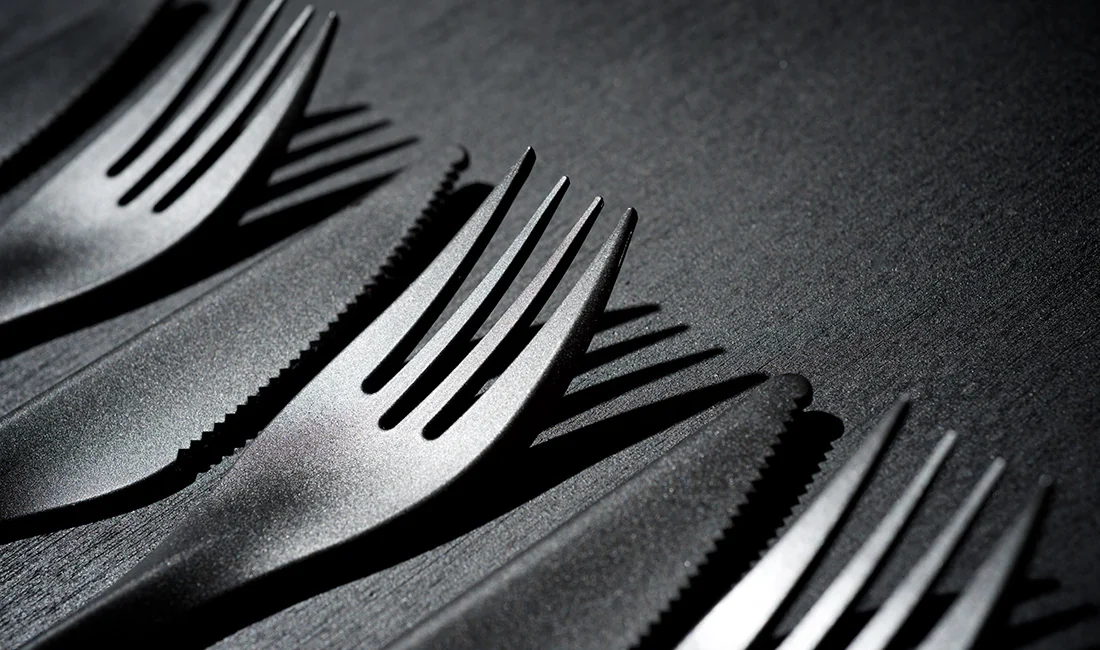
Heavy-duty disposable cutlery is designed to stay firm when cutting meat or scooping dense foods, without bending or snapping. Because not all products deliver the strength they promise, buyers should evaluate material, thickness, and basic performance indicators such as bend resistance and load capacity.
The most durable options are typically made from polypropylene or reinforced plastics that can withstand 18–25 newtons of force. Features like thicker handles, reinforced necks, and sturdy tines also help maintain shape under pressure and heat.
This guide explains what truly makes heavy-duty disposable cutlery strong, outlines key strength testing basics, and highlights the design details that improve durability. It also offers practical tips for comparing products to ensure reliable performance at any event or gathering.
What is Heavy-Duty Disposable Cutlery
Heavy-duty disposable cutlery is a type of single-use utensil that features thicker materials and reinforced structural designs to withstand dense, tough, or hot foods without bending or breaking.
Key Features of Heavy-Duty Cutlery
Heavy-duty plastic cutlery stands out for its thickness, weight, and reinforced shape. Manufacturers add extra material to the handle and neck to cut down on flex. That’s what lets heavy-duty forks actually pierce meat or dense salads without snapping in two.
Some sets have edge-thickened handles and sturdy fork tines. Knives get sharper, molded edges, so they’ll slice through cooked chicken or steak if applying steady pressure. Spoons are less likely to bend when digging into thick soup or frozen desserts.
Look for labels like heavyweight, extra heavy-duty, or premium disposable utensils. Usually, those terms mean the construction is stronger than average plastic silverware.
Some heavy-duty plastic silverware can even survive a few washes, though it’s really meant for one-off events or short-term use.
Common Materials and Applications
Most disposable plastic utensils use polystyrene (PS) or polypropylene (PP). High-impact polystyrene feels rigid and sturdy, while polypropylene is more flexible and handles hot foods better.
Many heavy-duty sets are BPA-free and can take heat—sometimes up to about 212°F—so they’re fine with hot pasta or soup.
People use them for:
-
Catering and buffet service
-
Weddings and formal events (clear plastic looks fancier)
-
Barbecues and outdoor parties
-
Food trucks and takeout
Clear plastic cutlery fits formal tables, while black or silver-style plastic works for upscale events. Bulk packs (160 to 400 pieces) are handy for big crowds.
How to Test the Strength of Disposable Cutlery
Disposable cutlery strength can be tested through bend resistance, puncture performance, and flexural modulus assessments, which together evaluate how well utensils resist bending, cracking, or snapping under pressure.
Bend Resistance Test
This test checks how much force a fork, spoon, or knife can handle before it gives way.
Set the utensil on two supports about 2–3 inches apart. Press down steadily at the center. Use a simple weight or a force gauge to be more scientific.
Track:
-
How much force is applied (pounds or newtons)
-
How far it bent
-
Whether it bounced back to its original shape
Heavy-duty cutlery should bend a bit and mostly snap back. The cutlery is unlikely to perform reliably in real-world use if white stress marks, cracks, or permanent warping appear under moderate pressure.
Puncture Strength Test
This one checks if forks and knives can pierce firm food without the tines snapping or the handle cracking.
Push the fork straight down into something dense, like layered cardboard or firm rubber. It’s a stand-in for meat or thick veggies.
Note:
-
How much force it took to break through
-
Whether the tines or the blade got damaged or not
-
Handle stability while pressed
Good heavy-duty cutlery should go through cleanly, without the tines splaying or twisting. If it bends at the neck or base, that’s a red flag.
If it fails at low force, the material’s probably too thin or just weak. Strong performance usually means better resin and smarter design.
Flexural Modulus Assessment
Flexural modulus is a fancy way of saying “stiffness.” It shows how much a utensil resists bending.
Labs do a three-point bending test: the utensil sits on two supports and a machine presses down in the middle. They record the stress and strain and calculate the flexural modulus.
Higher modulus means stiffer cutlery. Heavy-duty stuff usually scores higher than cheap plastic flatware.
But here’s the catch—if it’s too stiff, it might snap instead of flexing. The best heavy-duty cutlery finds a balance, flexing a little without cracking. Teams often compare these values across suppliers to make sure they’re not getting shortchanged.
Real-World Testing and Quality Protocols for Disposable Cutlery
Manufacturers use stress tests, hands-on inspection, and set standards to keep bending and breakage in check. These steps connect how it’s made to how it’ll actually work at the table.
Simulated Usage Scenarios
Factories test heavy-duty cutlery in ways that mimic real meals. They press forks into firm foods like grilled meat or dense salads, and twist spoons through thick stuff like mashed potatoes or ice cream.
They also run bending strength tests to see how much force a utensil can withstand before it bends or cracks. Some stick to recognized methods (like EN/ISO standards) to check resistance to deformation.
Heat matters, too. Labs might put cutlery in contact with 70°C food for a set time to check if it softens or warps. That’s how they know it’ll hold up to hot soup or cooked dishes.
For compostable items, producers sometimes test how fast they break down under controlled conditions. There are standards like ISO 14851 for that—measuring biodegradation in commercial composting setups.
Visual and Mechanical Inspection
Inspection starts right on the production line. Automated systems scan each batch for cracks, thin spots, or uneven molding. These flaws usually come from temperature or pressure hiccups during production.
Workers check by hand, too—looking at handle thickness, tine alignment, and making sure there are no sharp edges.
Mechanical inspection gives hard numbers. Teams measure:
-
Flexural strength
-
Impact resistance
-
Handle stiffness
-
Attachment strength (for multi-part items)
If something fails, they tweak the machines or change the material blend. That way, weak stuff doesn’t leave the factory.
Industry and Regulatory Standards
Heavy-duty cutlery has to meet food contact safety rules. Tests check for material safety, including limits on chemicals getting into food.
Industry groups and labs set guidelines for durability and safety—some focus on pressure and function, others on things like metal migration for coated items.
For compostable products, standards steer claims about biodegradability. Tests like ISO 14851 measure breakdown in commercial composting facilities.
Manufacturers keep records of test results, inspections, and batch controls to prove their products meet the right quality levels.
What Design Elements Make Heavy Duty Disposable Cutlery Stronger and More Durable?
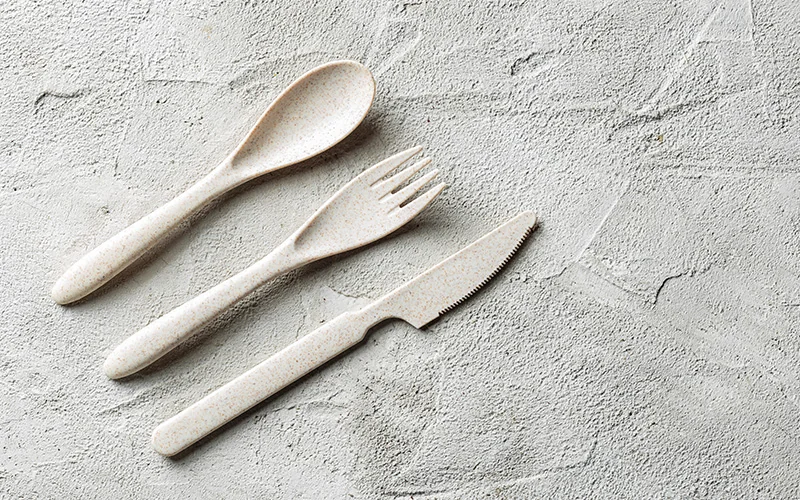
Good design starts with thicker handles and reinforced necks that can take some stress. Smart details like textured grips help keep control and avoid slipping.
Handle Thickness and Reinforced Necks
Thicker handles mean people can apply more force without worrying about bending. More material spreads out the pressure, so the utensil holds up better.
In most heavy-duty sets, the handles are noticeably wider and heavier. That extra heft adds stiffness, which really helps when cutting through something dense.
The neck—the skinny part between the handle and the head—usually fails first. A reinforced neck with ribs or a curved ridge keeps it from snapping under pressure.
Designers sometimes add small ridges along the back of forks and spoons. These ribs boost strength without making them too heavy.
For disposable silverware at events, this stuff matters. People cut meat, scoop firm sides, or press harder than they realize. Well-built disposable cutlery holds its shape and avoids breaking halfway through dinner.
Textured Grips and Ergonomic Features
Textured surfaces give people better control. Grips with light embossing or raised patterns help prevent slipping if people’s hands are wet, oily, or just cold.
Some plasticware for parties has little dots or lines along the handle for extra traction. Even a slight curve in the handle helps distribute force more evenly from people’s hand to the utensil’s head.
Common grip features:
-
Raised dots or lines for traction
-
Slight handle curves for a comfier hand fit
-
Wider thumb rests for more control
These small tweaks lower the chance of twisting or sudden bending. Better grip means steadier pressure, which keeps the utensil from cracking under stress.
How to Select the Right Heavy-Duty Disposable Cutlery
Consider the material, thickness, design, and what people actually need it for when picking heavy-duty cutlery.
Cost vs. Durability Considerations
Price usually tracks with weight and material. Heavier cutlery tends to cost more, but it’s way less likely to bend under pressure from things like steak, pasta, or layered desserts.
Most heavy-duty plastic silverware is made from polypropylene or polystyrene. Polypropylene bends a bit without breaking (great for forks and spoons), while polystyrene feels more rigid and cuts better, but can crack if people force it.
Check for:
-
Weight rating (light, medium, heavy)
-
Thickness of the handle and neck
-
Reinforced knife edges
-
BPA-free labeling
Cheaper sets might work for cake or fruit. For full meals, go for thicker handles and stronger tines.
Decorative options like gold plastic cutlery or silver plastic cutlery look great for formal events, but double-check that the finish isn’t weaker—sometimes metallic coatings are thinner than standard clear sets.
Event-Specific and Bulk Options
Event size and menu shape what works best. A 100-piece set probably covers it when hosting a small birthday party. Bigger things—weddings, corporate events—might need 300 or even 400+ pieces.
Bulk packs usually drop the cost per piece. Most heavy-duty sets come with equal numbers of forks, knives, and spoons, but sometimes people get extra forks for buffets.
For casual gatherings, clear heavy-duty plastic silverware keeps things simple and reliable.
It’s worth checking local recycling rules, though. Some heavy-duty plastics can be recycled, but it really depends on the city.