

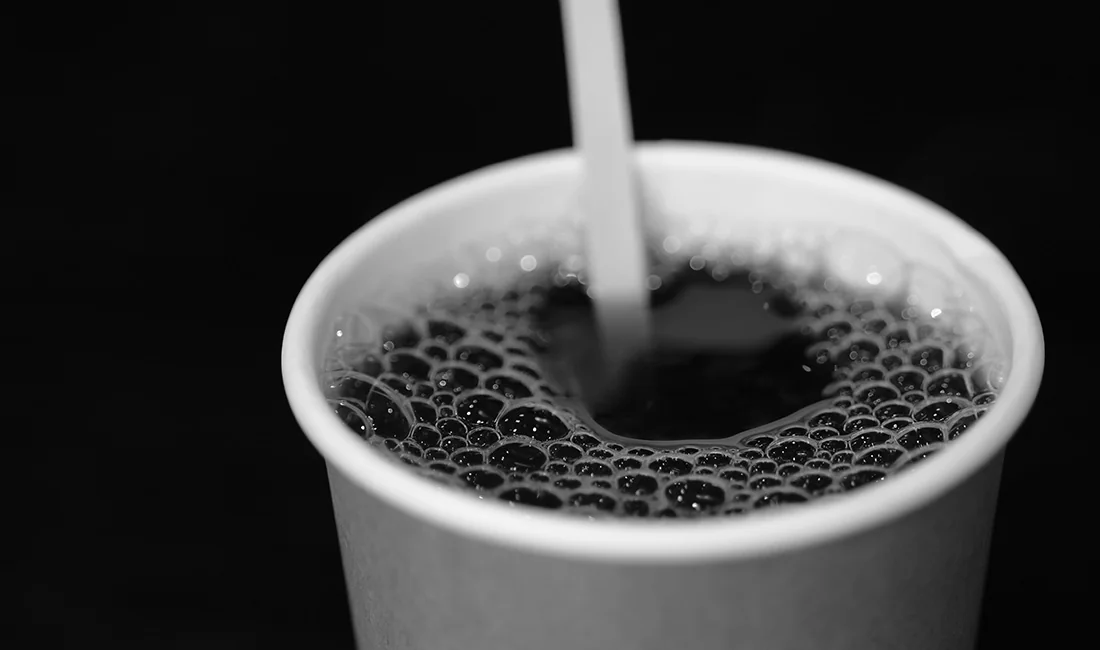
Carbonated drinks can get messy fast—foam rises, spills happen, and suddenly you’re wiping down sticky counters. If you’ve ever grabbed a flimsy cup or one with a loose lid, you know it doesn’t help. The wrong cup just can’t handle the fizz and pressure.
The best disposable cups for carbonated drinks use sturdy materials, tight lids, and a shape that helps control foam and keep spills in check. Strong sidewalls keep the cup from collapsing, while a good lid with venting manages the pressure from all that carbonation.
This guide digs into why soda and sparkling drinks foam up in disposable cups and what features actually help. We’ll compare materials and give you tips for picking the right cups for parties, takeout, or self-serve setups.
Why Do Carbonated Drinks Cause Foam, Overflow, and Spills in Disposable Cups?
Carbonated drinks are loaded with dissolved carbon dioxide (CO₂). Once you open the bottle or pour the drink into disposable cups, the pressure drops. That’s when the gas escapes and forms bubbles, which turn into foam.
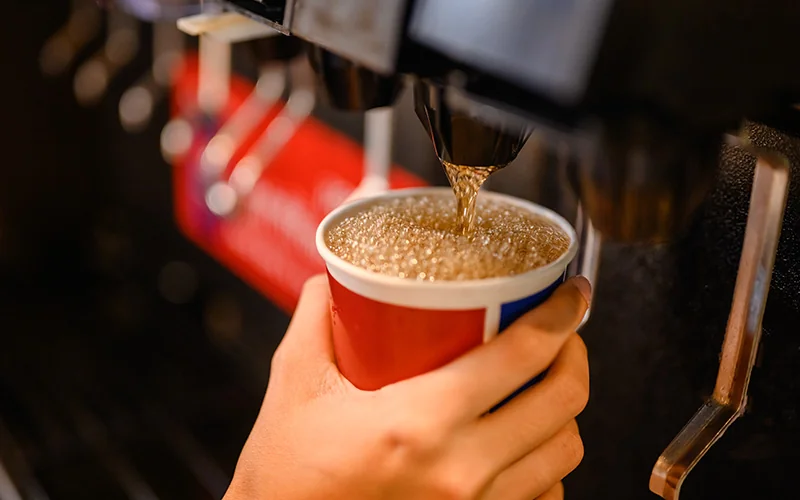
Foam ramps up if the drink is warm or poured too quickly. A fast pour stirs things up, releasing more gas at once, so bubbles rise, expand, and push the liquid upward.
This usually means:
-
Overflow at the rim
-
Sudden spills down the side
-
Foam getting trapped under lids
Disposable cups can make it worse. Lots of recyclable, biodegradable, and compostable cups have textured inner walls. Those tiny bumps give bubbles places to form and grow.
|
Factor |
Effect on Foam |
|
Warm temperature |
Faster CO₂ release |
|
Rough cup surface |
More bubble formation |
|
Quick pouring |
Increased agitation |
|
Tight lid seal |
Pressure buildup |
Add a standard lid and trapped foam can nudge the lid up. If the lid isn’t leak-proof, liquid escapes through the sip hole. A true spill-proof cup design manages pressure and keeps foam from pushing up at the rim.
Poor lid fit makes leaks worse, especially if you’re moving around. Even a small gap lets foam push liquid out during transport.
What Features Make the Best Disposable Cups for Carbonated Drinks Reduce Foam and Overflow?
When you pour soda into a rough or warm cup, gas escapes fast. The right cup design slows down this reaction and helps keep foam and spills at bay.
Smooth interior walls matter a lot. PET plastic (polyethylene terephthalate) has a slick surface that cuts down on friction—so fewer bubbles form as you pour.
Most clear plastic cups use PET for this reason. They’re lightweight, tough, and easy to recycle. Their strength keeps the cup from warping when carbonation builds up.
Wall thickness is important too. Polypropylene (PP) and thicker plastics don’t bend as easily. A sturdy wall means less chance of a sudden pressure change that triggers foam and overflow.
Paper and compostable cups can work, but only if they have a tight, smooth lining. Without it, carbonation reacts more with the cup and makes foam worse. Some biodegradable cups use plant-based linings, but honestly, they don’t always control foam as well as rigid plastic.
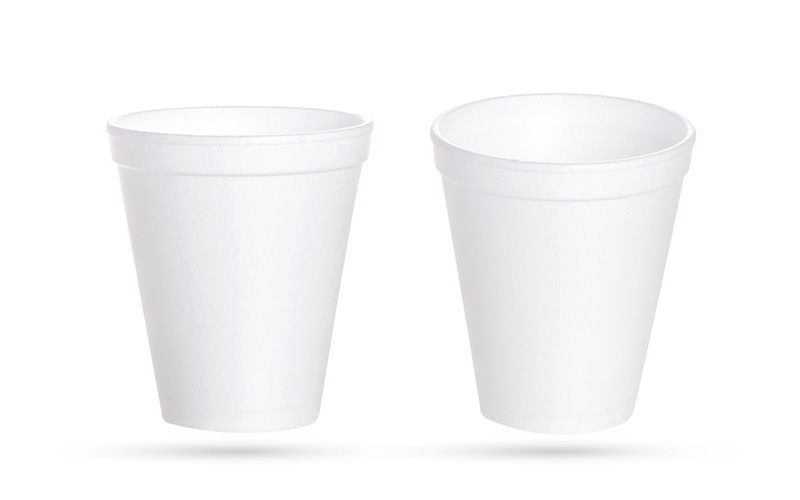
The rim design helps with spills. Look for cups with:
-
Rolled or reinforced rims for a snug lid fit
-
Secure snap-on lids for carrying
-
Stable, flat bases to stop tipping
Recyclable PET cups hit a nice balance: clear, strong, and smooth. With a tight lid and a steady base, they help you manage foam, cut down on overflow, and make handling easier—especially if you’re serving a crowd.
How Do Different Disposable Cup Materials Perform with Carbonated Drinks?
Carbonated drinks put cups to the test—pressure, foam, and bubbles can all be a problem. The cup’s material affects how well it keeps its shape, controls overflow, and holds a leak-proof lid.
Plastic (PET or PP) cups handle carbonation best. They don’t get soggy or soft after hours with soda inside. Clear plastic lets you see foam levels, so you’re less likely to overfill. Most plastic cups lock onto dome lids or flat lids designed to control spills.
Paper cups usually have a thin plastic lining to block leaks, but the walls flex more. Under pressure from fizz, cheap paper cups can bend, causing little spills at the rim. A tight leak-proof lid helps, especially for takeout.
Compostable cups (like PLA-lined or plant-based plastic) work about as well as regular plastic for cold drinks. Some crack if squeezed when empty, but they’re fine when full. They need commercial composting and not every lid fits them perfectly.
Here’s a quick comparison:
|
Material |
Foam Control |
Rigidity |
Lid Compatibility |
Best Use |
|
Plastic (PET) |
Strong |
High |
Dome, flat, valve lids |
High-volume service |
|
Paper (lined) |
Moderate |
Medium |
Snap-on lids |
Short-term use |
|
Compostable |
Strong |
Medium |
Select tight-fit lids |
Eco-focused events |
For delivery, a spill-proof valve or leak-proof silicone seal on the lid makes a big difference. These cut down on drips and help manage carbonation pressure while on the go.
What Are the Advantages and Disadvantages of Disposable Cups for Carbonated Drinks?
Disposable cups make serving fizzy drinks a lot easier. They cut down on cleanup and work well at big events, takeout counters, or busy food stands. Party cups—like Hefty Party On disposable cups—are lightweight, stackable, and easy to carry.
Plastic cups resist leaks and handle carbonation pressure better than thin paper ones. They keep their shape, even with ice and soda. Some designs have lids or handles to help prevent spills.
Paper-based cups can hold soda, but usually need a plastic or plant lining to stop leaks. That lining can make recycling tricky in some places. Thin paper cups might soften from condensation and get weak during long use.
|
Type |
Pros |
Cons |
|
Plastic Party Cups |
Strong, leak-resistant, cheap |
Environmental impact, not for hot drinks |
|
Paper Cups |
Light, often biodegradable |
May soften, recycling can be tough |
|
Foam Cups |
Good insulation, low cost |
Hard to recycle, bulky waste |
Of course, disposable cups add to waste after just one use. They’re convenient and hygienic, but if you don’t recycle them, they go straight to the landfill.
How to Choose the Best Disposable Cups for Carbonated Drinks for Events, Takeout, or Self-Service?
If you’re planning an event or running a food service, start by thinking about material and rigidity. Carbonated drinks create pressure and foam, so thin paper coffee cups usually don’t cut it—they soften or leak. PET plastic or thicker polypropylene cups handle soda better and keep their shape, even when things get busy.
Clear plastic cups are great for self-serve setups because everyone can see how full the cup is and spot the foam. That helps avoid overflow. Most of the best disposable cups for soda fit tight snap-on lids, which really helps for takeout, too.
Match cup style to your drinks:
-
PET plastic cups: Best for soda, sparkling water, smoothies, and boba
-
Insulated cups: Handy if you’re serving hot and cold drinks in one place
-
Hot cups with lids (like Dixie To Go): Stick to coffee, not fizzy drinks
Hefty Party On disposable cups have thicker walls, so they’re good for casual gatherings and don’t crack easily if people walk around with them.
Cup size matters, too. A 16–20 oz cup gives you room for ice and foam without risking overflow. Dome lids help if you’re serving blended drinks and need extra space at the top.
Unlike reusable options (think Contigo tumbler or Munchkin Miracle 360), disposable cups need to handle pressure for just one use. That means you want secure lids, strong rims, and consistent sizing. If you’re ordering a lot, it’s smart to test a few samples first to check lid fit and foam control.