

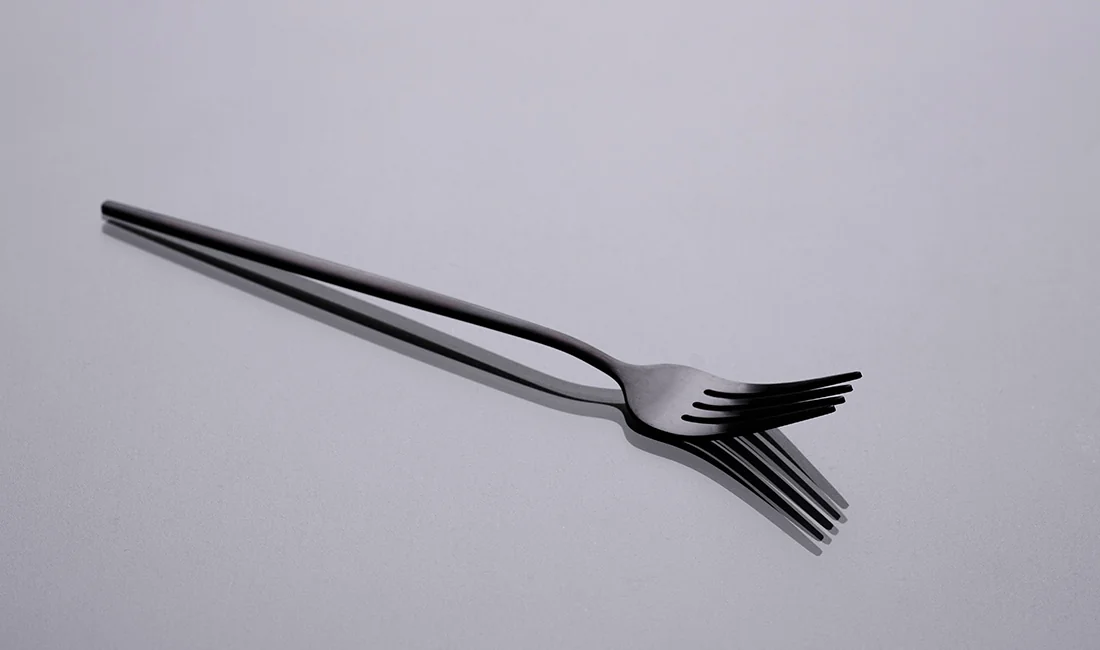
Disposable forks seem simple, but their tine shape, handle design, and material directly affect how they perform at a party. Most hosts grab whatever is cheapest, yet different foods demand different levels of strength, tine spacing, and grip. A fork that handles cake with ease may snap under a piece of grilled chicken — and the wrong choice leads to frustrated guests and bent cutlery all over the table.
This guide breaks down how tine shape, handle grip, and material strength determine which disposable fork works best for every common party food.
What Are the Main Types of Disposable Forks?
Disposable forks fall into four main categories based on size and intended use: standard dinner forks, dessert forks, cocktail or appetizer forks, and heavy-duty serving forks. Each category uses a different combination of tine count, handle thickness, and material strength to match specific foods and serving styles.
How Do Standard Dinner Forks Differ from Dessert Forks?
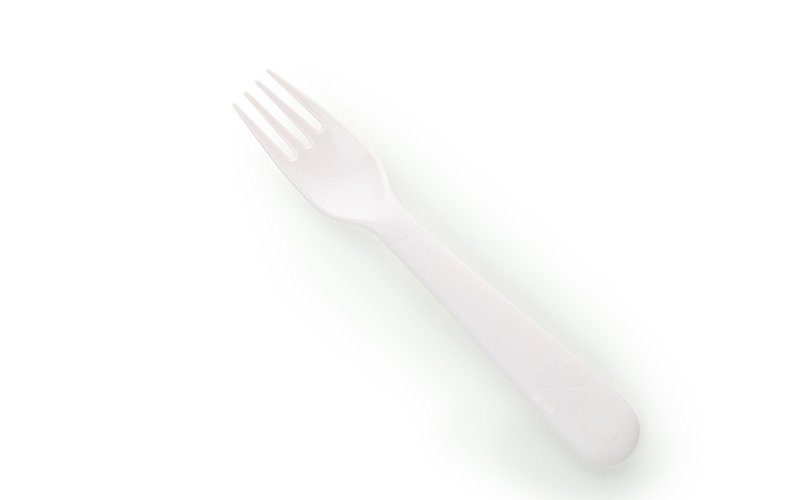
A standard disposable dinner fork is a four-tine, full-length utensil designed for main courses such as pasta, grilled vegetables, and sliced meats. It typically measures six to seven inches and uses a thicker handle for stability with heavier foods.
A disposable dessert fork is a shorter, lighter version with slightly wider tines spaced to support soft items like cake, pie, and pastries. Some dessert forks feature one broadened outer tine that doubles as a cutting edge for slicing through soft crusts. Hosts serving a full meal followed by dessert benefit from stocking both sizes rather than forcing one fork to do everything.
What Is a Cocktail Fork and When Should Hosts Use One?
A cocktail fork is a small, narrow fork — usually two or three tines — designed for piercing individual bite-sized items. It handles olives, cheese cubes, shrimp, and charcuterie pieces cleanly without crushing them.
The compact size makes cocktail forks ideal for standing events, appetizer tables, and hors d’oeuvres stations where guests eat with one hand. For a party centered on small bites rather than plated meals, cocktail forks are more practical than full-sized dinner forks.
How Do Tine Shapes Affect Fork Performance?
Tine shape determines how well a fork grips, pierces, and supports food. The number of tines, their spacing, and their tip sharpness decide whether a fork excels at stabbing firm items, cradling soft foods, or twisting through noodles.
What Is the Difference Between Three-Tine and Four-Tine Forks?
A three-tine fork is a lighter design that uses less material while still offering adequate stability for moderate foods like salads, fruit, and light pasta. Manufacturers often thicken the outer tines to compensate for the reduced support area.
A four-tine fork is the standard layout that mirrors traditional metal flatware. The extra tine creates a wider, more stable platform — important for heavier items like layered pasta, grilled vegetables, or sliced chicken. Four-tine forks also prevent soft foods like frosted cupcakes or flaky pastry from slipping through gaps.
For most party menus that include a mix of foods, four-tine forks are the safer all-purpose choice. Three-tine forks work best when the menu is limited to lighter items.
Why Does Tine Thickness Matter for Party Foods?
Tine thickness is the primary factor that separates a fork that holds up under pressure from one that bends or snaps. Thin, flexible tines handle fruit cups, leafy salads, and soft desserts without issue. Thicker, reinforced tines are necessary for denser foods like baked pasta, roasted vegetables, or grilled items.
The reinforcement point where the tine head meets the handle — sometimes called the neck — is the most common failure spot. Forks that are thick at the tine tips but thin at the neck will still snap under pressure. Hosts planning a heavier menu should check this joint area when evaluating fork quality.
How Do Grip and Handle Styles Influence Comfort?
Handle design affects how stable a fork feels during use, how much hand fatigue it causes, and how well it performs when guests are standing and eating from a plate held in one hand.
What Makes a Fork Handle Comfortable for Standing Events?
A comfortable fork handle is one that distributes pressure evenly across the fingers through adequate thickness, a rounded cross-section, and a non-slip surface texture. At standing events — buffets, cocktail hours, outdoor barbecues — guests grip forks more tightly because they are balancing a plate simultaneously. A thin, flat handle flexes under this pressure and can feel unstable.
Medium to heavy-weight handles with a slight curve or textured panels reduce grip fatigue significantly. This is especially important for events lasting more than an hour where guests eat multiple courses on their feet.
How Does Material Affect Fork Grip and Feel?
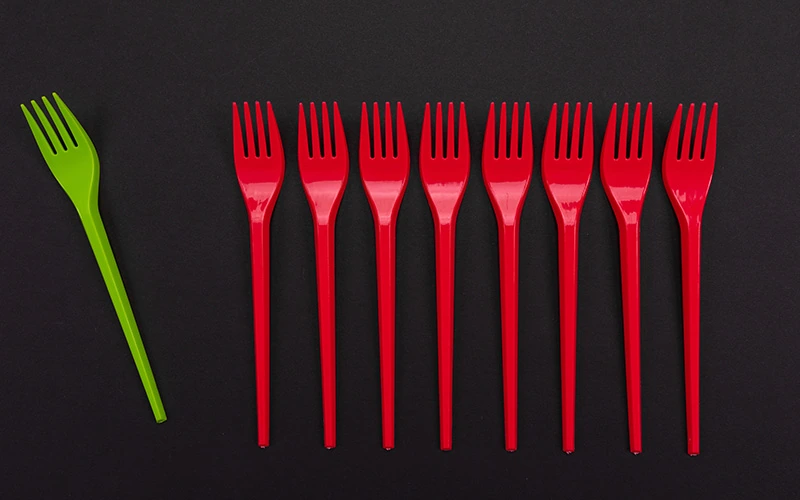
Material is the single biggest factor in how a fork feels in the hand. Plastic forks offer the smoothest, most uniform surface. Heavier-grade plastic resists bending and maintains its shape when pressing into firmer foods.
Wooden and bamboo forks provide a firmer, more rigid feel. Their natural surface grain offers mild friction that reduces slipping, though unfinished wood can feel dry against skin over extended use.
Plant-based compostable forks aim to replicate the feel of plastic but vary widely in quality. Thicker compostable handles perform similarly to mid-weight plastic; thinner versions tend to flex under pressure, which forces a tighter grip and accelerates hand fatigue.
What Are the Best Fork Choices for Common Party Foods?
The best fork choice is one where the tine strength, handle weight, and overall size match the heaviest item on the menu. Overbuilding wastes money; underbuilding frustrates guests.
Which Fork Works Best for Each Type of Food?
|
Party Food |
Recommended Fork |
Key Feature |
|
Grilled chicken, roasted vegetables |
Heavy-duty dinner fork |
Thick reinforced tines |
|
Pasta dishes, casseroles |
Medium to heavy-duty dinner fork |
Stable four-tine platform |
|
Salads, fruit cups |
Lightweight dinner fork |
Standard tines, slim handle |
|
Shrimp, olives, cheese cubes |
Cocktail fork |
Short handle, narrow tines |
|
Cake, pie, pastries |
Dessert fork |
Compact size, one broadened tine |
A common mistake is using the same fork for every course. Serving heavy-duty forks alongside cake wastes money, while offering lightweight forks with dense entrées leads to bending and breakage. Matching fork type to the specific food at each station produces a noticeably smoother guest experience.
How Should Fork Style Match the Event Tone?
Fork style should align with the formality of the event. At formal dinners, premium-weight disposable cutlery designed to resemble traditional flatware creates an elegant table setting. These forks sit to the left of the plate in standard place-setting order — dinner fork outermost, dessert fork closest to the plate.
Pairing heavier forks with coordinated napkins and matching cups or wine glasses pulls the entire table together visually. A cohesive color scheme — all white, all black, or a coordinated palette — elevates the presentation without adding significant cost.
Casual events like backyard barbecues, kids’ parties, and game-day gatherings are more forgiving on appearance. Here, durability and value matter more than aesthetics. A single medium-weight, all-purpose fork handles most casual menus comfortably. Bulk packs of four-tine dinner forks in a neutral color cover the widest range of foods at the lowest per-unit cost.
Does Fork Choice Affect Cleanup and Waste?
Yes. Fork choice directly impacts post-party cleanup volume. When forks match the food, guests use fewer of them — a sturdy fork that survives an entire meal replaces two or three flimsy ones that snap mid-bite.
Hosts serving a multi-course meal can reduce total fork consumption by placing the right fork type at each food station rather than scattering one universal option everywhere. Heavy-duty forks at the entrée station, lightweight forks at the dessert table, and cocktail forks at the appetizer bar mean each utensil gets used fully instead of being discarded after one failed attempt.
This station-based approach also simplifies waste sorting at events where composting or recycling is available. Keeping fork types separated by station makes it easier for guests to dispose of each material correctly.
FAQs
How Many Disposable Forks Should Hosts Prepare Per Guest?
A safe estimate is two to three forks per guest for a multi-course party lasting three to four hours. If fork types are matched to each course station, hosts can reduce this to one to two per guest since fewer forks break or get abandoned.
Can Disposable Forks Handle Hot Foods Without Warping?
Most medium to heavy-weight plastic forks withstand temperatures up to 140–160°F without warping, which covers standard hot-served party foods. Wooden and bamboo forks handle heat well due to low thermal conductivity. Lightweight plastic and thin compostable forks are more vulnerable to warping and should be reserved for cold or room-temperature items.
What Is the Difference Between a Dinner Fork and a Salad Fork in Disposable Cutlery?
A disposable dinner fork is a full-length, four-tine utensil built for main courses. A disposable salad fork is slightly shorter and lighter, with thinner tines suited to leafy greens and lighter toppings. For most casual parties, a standard dinner fork covers both roles adequately.
Are Heavier Disposable Forks Worth the Higher Price?
Heavier forks cost more per unit but reduce total consumption because they survive entire meals without breaking. For menus featuring dense or firm foods, the per-guest cost often ends up lower with fewer heavy-duty forks than with multiple replacements of cheap lightweight ones.