

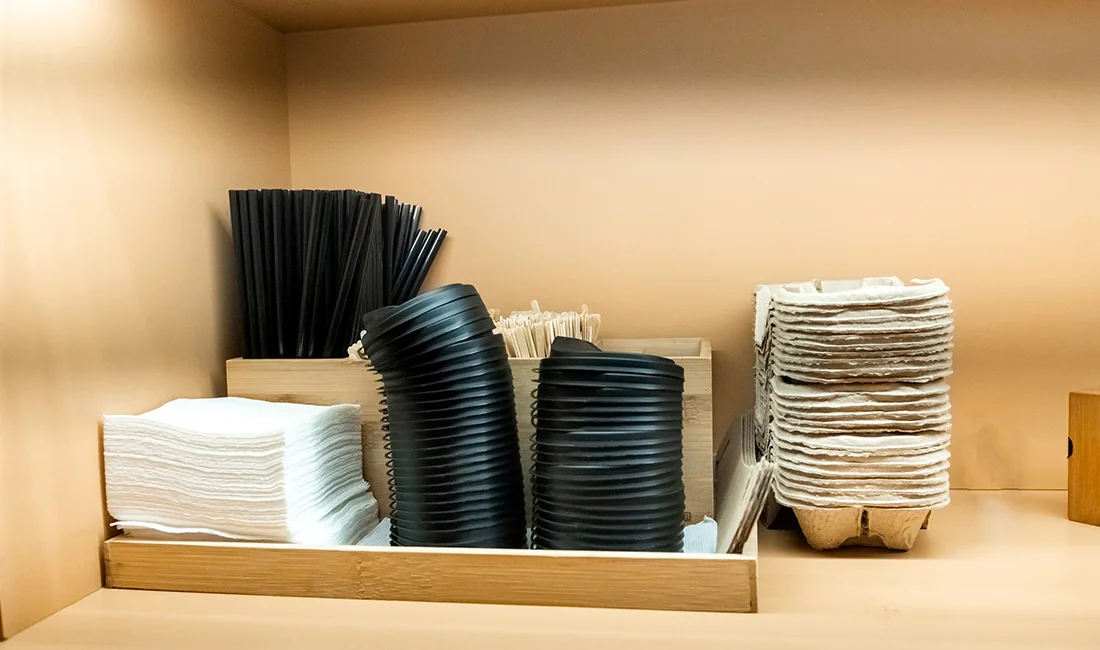
Anyone who has ever pulled out a stack of paper plates before a holiday gathering knows the frustration: dust-coated cups, bent napkins, and warped plastic forks that no longer sit flat on a table. These problems almost always trace back to one cause—poor storage between uses. Seasonal weather shifts bring dramatic swings in temperature, humidity, and UV exposure, meaning a storage method that works in October can ruin the same products by July. A few targeted adjustments, timed to each season, keep every plate, cup, and napkin in ready-to-use condition for months. Proper storage is also a smart financial decision; rather than discarding damaged items and rebuying replacements, households that stock up on stylish disposable tableware and store it correctly get far more value from every purchase.
What Is Seasonal Storage for Disposable Tableware and Why Does It Prevent Damage?
Seasonal storage for disposable tableware is a systematic organizing approach that protects single-use plates, cups, and cutlery by adjusting temperature control, humidity barriers, and container selection according to each season’s climate to prevent dust buildup, warping, mold, and material degradation.
The core reason seasonal adjustments matter is that disposable tableware spans a range of materials, and each reacts differently to environmental stress. Plastic plates bend under sustained heat and pressure. Paper napkins absorb moisture and develop mold within days in a humid basement. A single storage strategy applied year-round ignores these vulnerabilities. Matching storage practices to each season’s specific threats helps protect inventory, maintain hygiene, and avoid the hidden cost of replacing damaged goods before every event.
What Happens to Plates, Cups, and Napkins When Stored in the Wrong Conditions?
Disposable tableware stored in poor conditions suffers dust contamination, heat-induced warping, moisture-related mold growth, UV discoloration, pest damage, and cold-weather brittleness. Paper products are most vulnerable to humidity, while plastic items deform under heat and become fragile in freezing temperatures.
How Does Dust and Pest Exposure Ruin Unsealed Party Supplies?
Open shelving without protective covering allows dust, pet hair, pollen, and kitchen grease to settle on tableware surfaces. Paper products, with their slightly textured surfaces, trap particles more stubbornly than smooth plastic. Unsealed storage also invites pests—cockroaches, ants, and pantry moths are attracted to the starch in paper goods and cardboard packaging. Once an infestation reaches stored tableware, the entire batch typically needs to be discarded. Smooth-finished premium plastic plates resist dust adhesion better, but sealed containers remain the first line of defense regardless of material.
Why Do Plastic Plates and Cups Warp Under Summer Heat?
Thin-walled disposable plastic does not need to reach its formal softening point to deform. When stacked items sit under sustained pressure in a hot garage or attic—where temperatures can exceed 120 °F—the combination of heat and weight causes gradual creep deformation over days and weeks. Bottom pieces in tall stacks bear the most stress and develop subtle warping that makes them wobble on a flat surface. Keeping stacks short—no more than eight to ten plates—and storing them in climate-controlled spaces eliminates most warping issues.
How Does Humidity Cause Mold on Paper Napkins and Paper Plates?
Paper napkins and paper plates are essentially compressed cellulose fibers that act like sponges in humid air. Once moisture content rises past a critical threshold, mold spores naturally present in the environment begin to colonize the surface. Even a single afternoon of high humidity in an unventilated closet can trigger visible mold growth, making affected items unsafe for food contact and requiring full disposal of the contaminated batch.
Can UV Light and Freezing Cold Damage Disposable Drinkware?
Direct sunlight fades printed patterns and colored dyes on tableware, turning vibrant holiday themes into washed-out pastels. At the other extreme, freezing temperatures cause plastic champagne flutes and wine glasses to significantly lose flexibility. A sharp impact during handling can crack drinkware that has been stored near freezing for weeks.
How Should Hosts Sort and Prepare Party Supplies Before Storing Them for the Season?
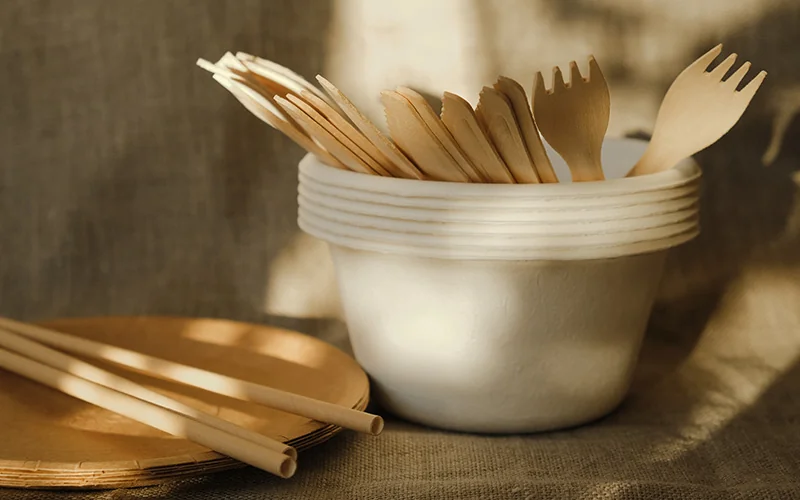
Hosts should sort disposable tableware by holiday theme and color, discard any bent plates or dusty napkins, clean opened items with mild soap, air-dry everything completely, and then separate everyday basics from seasonal pieces so each category has a designated storage spot.
What Is the Best Way to Sort Tableware by Holiday Theme and Usage Frequency?
An effective sorting system groups items first by occasion—Christmas, Halloween, Fourth of July, Thanksgiving—and then by color within each group. All matching plates, cups, napkins, and cutlery for a single holiday should live in the same container so hosts never have to search through multiple boxes on the morning of an event. Plain white or clear tableware used for everyday entertaining belongs in the kitchen or pantry for quick access. Seasonal pieces needed only a few times per year can go into a hallway closet or dedicated storage shelf. During the sorting process, any plates with visible bends, napkins with torn corners, or cups with cracks should be discarded immediately.
Is Cleaning Necessary Before Putting Disposable Tableware Into Seasonal Storage?
Cleaning is essential for any tableware that has been removed from its original packaging. A gentle wipe with warm water and mild dish soap removes surface residue and handling grime. Harsh scrubbing tools such as steel wool should be avoided, as they scratch plastic surfaces and tear paper fibers. The most critical step is thorough air-drying—residual moisture trapped inside a sealed container becomes the primary catalyst for mold growth. Items still sealed in original manufacturer packaging can skip this step entirely, since factory wrapping already provides an effective dust and moisture barrier.
What Is the Best Way to Store Party Supplies During Hot and Humid Summers?
Summer storage demands cool, ventilated indoor spaces with airtight plastic bins and silica gel packets inside. Plastic plates should stay far from garages and attics where heat causes gradual warping, and paper products benefit from individual sealed bags that block humidity absorption.
Summer presents the most aggressive combination of threats: sustained high temperatures paired with elevated humidity. Tableware should remain inside the main living area of a home, not in a garage, shed, or attic. Airtight plastic bins with snap-lock lids form the best primary barrier. Placing two or three silica gel desiccant packets inside each bin absorbs residual moisture. For plastic plates and cups, layering a paper towel or coffee filter between every four to five pieces prevents surface scratches and sticking. Paper napkins benefit from an additional layer of protection—a resealable zip bag inside the larger bin. All containers should be positioned away from windows to prevent UV damage.
How Can Hosts Prevent Plastic Cups and Plates from Cracking in Winter Storage?
Winter storage requires stable temperatures above 50 °F to prevent plastic from becoming brittle and prone to cracking. Items stored in unheated garages or basements should be moved to climate-controlled rooms, and cold-stored pieces need gentle handling until they return to room temperature.
Unheated basements, detached garages, and outdoor storage sheds routinely drop below freezing in many climates. Plastic that has been sitting at 20 °F for several weeks significantly loses flexibility, and even minor impacts during handling can crack a stack of cups. The safest approach keeps all disposable tableware in a room that stays above 50 °F consistently. If items have already been stored in cold conditions, they should be moved indoors and allowed to return to room temperature gradually—at least a few hours—before anyone attempts to separate stacked pieces. Paper products fare somewhat better in cold, dry air because low humidity discourages mold, but static buildup in dry winter environments attracts dust to paper surfaces, so sealed containers remain important.
What Special Precautions Does Tableware Storage Require During Spring and Fall?
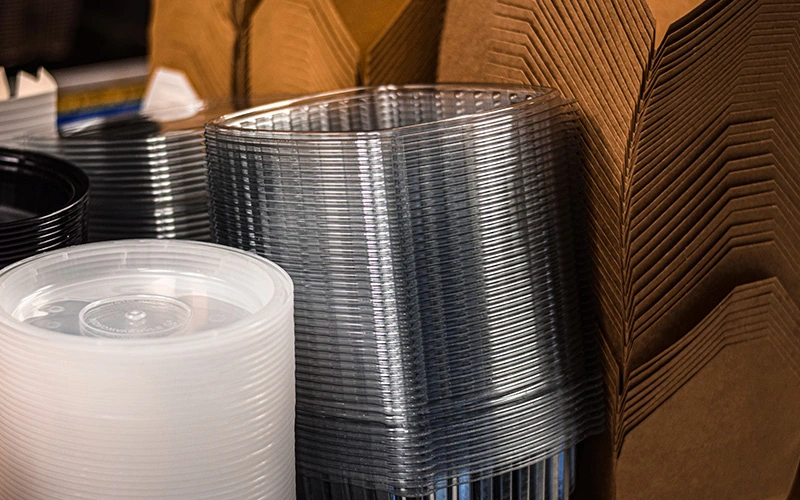
Spring and fall introduce fluctuating temperatures, high pollen counts, and intermittent humidity that threaten stored tableware. Sealed containers block pollen and seasonal dust, while quarterly inspections catch early mold signs before damage spreads to an entire storage bin.
The transitional seasons are deceptive because they feel moderate, yet they introduce rapid temperature swings that cause condensation inside storage containers. A bin stored in a room that is 70 °F during the day and 50 °F at night can develop moisture droplets on its interior walls. Opening containers briefly every few weeks to ventilate and inspect helps catch this issue early. Spring is also peak pollen season, making airtight seals especially critical. Fall serves as the ideal inventory checkpoint—hosts should review their entire tableware stock, discard anything showing warping, discoloration, or mold, and replenish supplies before the busy holiday season begins.
Which Storage Containers Work Best for Different Tableware Materials?
Airtight plastic bins work best for long-term plastic tableware storage, resealable bags with desiccants protect paper products from moisture, and open shelving with dust covers suits frequently accessed tableware that needs quick daily retrieval.
When Are Airtight Bins the Right Choice for Plastic Tableware?
Airtight bins are the gold standard for any plastic tableware stored longer than a few weeks. Clear bins allow quick visual identification without opening the lid. Inside the bin, paper towel layers between stacked pieces prevent scratching. Small items like forks, knives, and spoons can be bundled by type and stood upright inside a cup to prevent scattering. Every bin should carry a front-facing label noting contents, color scheme, and storage date.
When Are Sealed Bags with Desiccants the Better Choice for Paper Products?
Sealed bags with desiccants are the better choice when storing paper napkins, paper plates, or other hygroscopic materials that actively pull moisture from surrounding air. A resealable zip bag paired with a silica gel packet creates a tightly controlled micro-environment ideal for storage up to twelve months. Beyond that timeframe, even well-sealed paper products may begin to yellow or weaken structurally. For any eco-friendly items such as bamboo plates, hosts should note that these products need slightly more airflow than standard paper—one or two small ventilation holes in the bag prevent musty odors without full humidity exposure.
When Does Open Shelving with Dust Covers Make More Sense?
Households that entertain frequently may find sealed bins inconvenient for tableware accessed several times a week. An open pantry shelf covered with a clean cotton cloth provides a practical middle ground—items stay accessible while the cover blocks airborne dust and kitchen grease. This approach works best in climate-controlled kitchens where temperature and humidity remain stable year-round.
What Daily Habits Help Keep Stored Party Supplies Clean and Ready to Use Year-Round?
Consistent maintenance habits—including FIFO rotation, clear labeling, quarterly inspections, material separation, and chemical isolation—keep stored tableware in usable condition regardless of how long it sits between events.
The FIFO principle—first in, first out—ensures older stock gets used before newer purchases, preventing any batch from sitting forgotten for years. Labeling takes only seconds per container but saves considerable search time before an event. Quarterly inspections should look for early signs of mold, pest intrusion, condensation, or material degradation. Different materials should occupy separate containers because paper products can transfer moisture to plastic and vice versa. All tableware storage should be positioned away from cleaning agents, insecticides, or strongly scented products, as plastics and paper readily absorb ambient odors.
How Long Can Different Types of Disposable Tableware Be Safely Stored at Home?
Plastic disposable tableware retains its shape and strength for two to three years in sealed, climate-controlled conditions. Paper products remain usable for six to twelve months and should be prioritized for earlier use during inventory rotation.
A climate-controlled garage with insulation can serve as an acceptable storage area, but an unfinished attic or detached garage experiencing extreme seasonal swings ranks among the worst possible locations. Hosts without alternative indoor space should use heavy-duty sealed bins with desiccants and check them monthly. Warning signs that stored tableware is no longer safe to use include visible mold spots, musty or chemical odors, yellowing, a brittle texture when flexing a plate, warping that prevents items from sitting flat, and any evidence of insect activity. When weighed against the cumulative cost of repeatedly rebuying damaged supplies, a set of quality storage bins and desiccant packets pays for itself within one or two holiday cycles.