

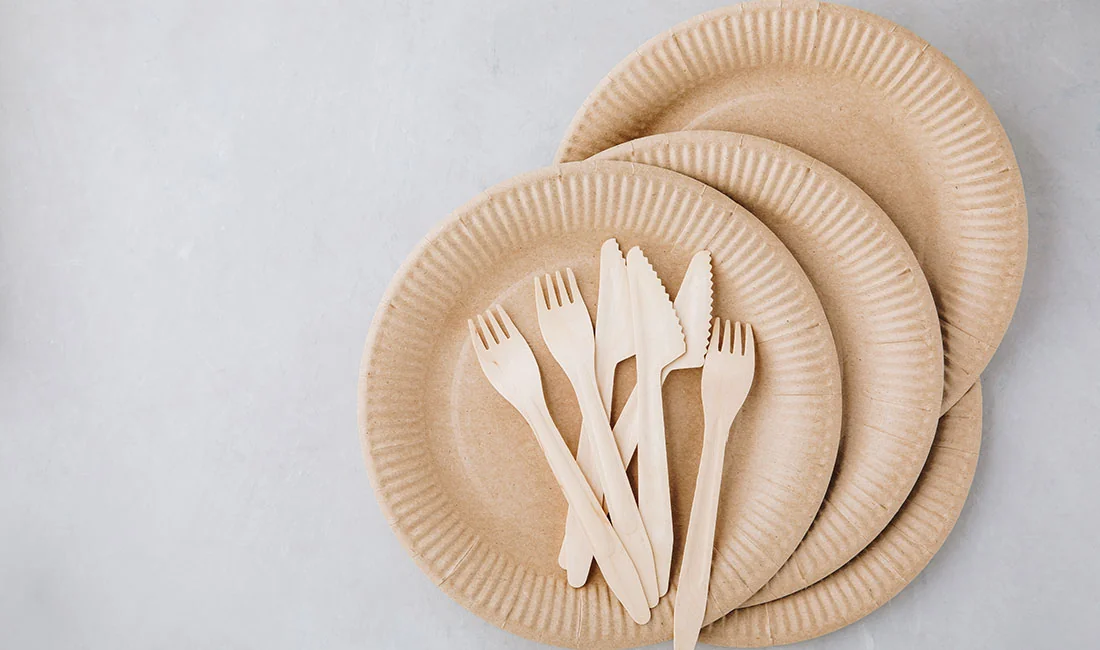
You want a party table that feels modern, calm, and put together—without making it a big project. Minimalist tableware styling lets you do exactly that, using simple choices that look intentional and balanced.
The right setup keeps the focus on food, comfort, and conversation. It’s all about using neutral colors, clean lines, and tableware that you place with purpose.
Soft whites, warm grays, and natural tones set a calm base. Sleek plates, clear glassware, and subtle textures help the table look open and uncluttered.
This guide walks you through picking colors, dinnerware, and layouts that work together. Lighting and small details add warmth without breaking the clean look.
Core Principles of Minimalist Tableware Styling
Minimalist tableware styling leans on restraint and thoughtful choices. You focus on fewer items, clear shapes, and materials that support a calm, modern vibe.
Meals stay easy to serve and enjoy when you keep things simple. Minimalism in entertaining? Less is definitely more.
Minimalism in Entertaining: Less Is More
Minimalism shines when you remove what doesn’t serve a purpose. Keep the table clear so food, drinks, and conversation take center stage.
Avoid excess decor, bright colors, and mixed patterns. Stick to neutral colors like white, cream, gray, or soft beige—these tones reduce visual noise and set a chill mood.
Even when serving many courses, neutrals make everything look consistent. A simple setup helps guests relax.
You don’t want to crowd the table with stuff that blocks space or distracts from the meal.
Focus on essentials:
● Plates, bowls, and glasses you actually use
● One simple centerpiece or none at all
● Space between place settings for comfort
Emphasizing Clean Lines and Function
Clean lines define minimalist design. Pick tableware with smooth edges, simple curves, or straight shapes.
Skip heavy texture, bold rims, or complex patterns. Function matters just as much as appearance.
Each item should feel good in your hand and work well. Plates should stack easily, and glasses should feel balanced.
When form and function match up, the table looks ordered without much effort.
| Feature | What to Look For |
|---|---|
| Shape | Round or straight edges |
| Surface | Smooth, matte, or light gloss |
| Design | No patterns or very subtle ones |
Quality Over Quantity in Table Decor
Let quality guide every choice. Invest in fewer pieces, but make sure each one lasts and looks good over time.
High-quality ceramics, glassware, or flatware age well and resist chips or scratches. You can mix them with new pieces later if you want.
No need for full matching sets. Just a handful of well-made items can make everything feel cohesive.
Choose quality by checking:
● Weight and balance
● Smooth finishes with no flaws
● Durable materials for regular use
Choosing a Neutral Color Palette for Modern Tables
A neutral color palette lays the groundwork for a clean, modern table. You get balance by choosing calm hues and letting materials and shapes do the heavy lifting.
Popular Neutral Hues and Their Effects
Neutral colors shape how your table feels and how guests see the space. Each shade brings something different to minimalist decor.
| Color | Effect on the Table |
|---|---|
| White | Feels clean and bright. Helps tableware stand out. |
| Cream / Ivory | Adds warmth without feeling heavy. |
| Beige | Creates a soft, relaxed base for modern tables. |
| Light Gray | Feels calm and structured. Works well with stone or ceramic. |
| Soft Taupe | Balances warm and cool tones easily. |
Start with a neutral tablecloth in white, cream, or beige. This keeps things calm and prevents visual noise.
Use darker neutrals in small amounts—like napkins or chargers—to add a little contrast without overdoing it.
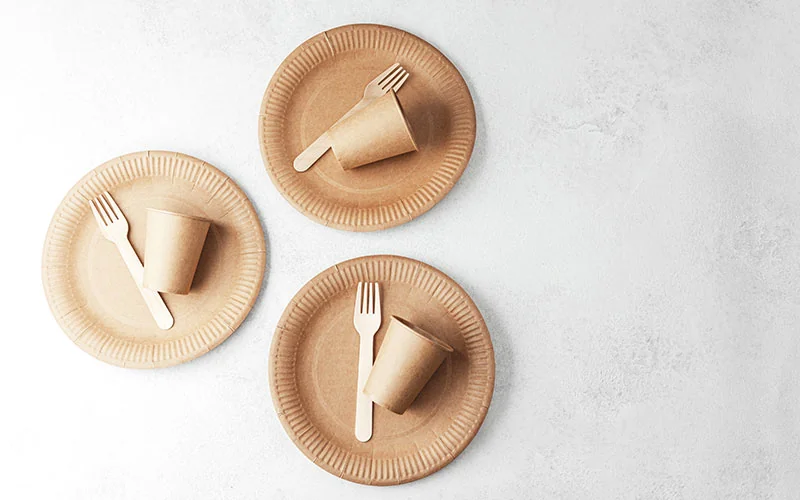
Combining Tones for Depth Without Clutter
Layer similar tones instead of using bold colors. Stick with two or three neutrals to keep things simple.
Try a light tablecloth with slightly darker plates or placemats. Add texture with linen, stoneware, wood, or matte ceramic.
Keep patterns subtle or just skip them. Solid tones support clean lines and modern styling.
If you add greenery or dried florals, go for soft greens or muted stems. Let form, balance, and restraint lead the way.
Selecting Minimalist Dinnerware and Table Settings
You shape a minimalist table by picking the right materials, simple forms, and a small set of flexible pieces. Focus on durable surfaces, calm colors, and items that work for many meals.
Material Matters: Stoneware, Bone China, and Vegan Alternatives
Material changes how your table looks and how it holds up. Choose pieces that balance weight, color, and daily use.
| Material | Look | Best Use |
|---|---|---|
| Stoneware | Warm, earthy, matte | Everyday meals, casual parties |
| Bone china | Thin, smooth, bright white | Formal meals, clean settings |
| Vegan bone china | Light, crisp, plant-based | Modern tables, ethical choices |
Stoneware brings texture and works well for minimalist dinnerware with soft neutrals. Bone china gives you a clean surface and sharp edges for a modern table. Vegan bone china looks similar but skips animal products. It fits with minimalist sets that value simple design and mindful sourcing.
Shapes, Lines, and Matte Finishes
Shape changes how calm your table feels. Round plates feel classic and relaxed, while square or coupe plates look modern and precise.
Clean lines matter more than decoration. Skip heavy rims and bold patterns—flat plates, low bowls, and straight-sided cups keep the focus on food.
Matte dinnerware cuts glare and hides small marks. It pairs well with neutral shades like off-white, sand, or soft gray.
Stick with one or two finishes. Too many textures get distracting. Limit glassware and cutlery to simple shapes—clear glasses and brushed metal feel just right.
Building a Capsule Collection
Think of your table like a capsule wardrobe. You only need a few pieces that work together in lots of ways.
Start with these basics:
● Dinner plates in one neutral color
● Salad plates or small bowls
● One multipurpose bowl size
● Simple cups or mugs
Stick to one minimalist dinnerware set, then maybe add an accent piece if you want. Keep colors in the same family to avoid clashing.
This saves space and money. It also makes setting the table for daily meals or small parties a breeze.
Creating a Minimalist Tablescape
A minimalist tablescape depends on calm colors, clear structure, and intentional spacing. The look comes together with the right linens, breathing room, and simple centerpieces.
Setting the Foundation: Linens and Table Runners
Start with linens. Go for a high-quality linen table runner or tablecloth in neutral shades like white, beige, stone, or soft gray.
Pick runners with a visible weave for texture but no pattern. Let the runner fall naturally—no heavy folds, just clean edges.
If you’d rather skip the cloth, leave the table bare and add a narrow linen runner for contrast.
Keep placement simple:
● Center the runner along the table
● Avoid layering fabrics
● Match napkins to the runner or pick a lighter shade
Strategic Use of Negative Space
Negative space is key in minimalist table settings. Leave clear gaps between plates, glassware, and decor. Don’t fill every inch.
Place each item on purpose. Center plates evenly and align flatware straight, with equal spacing. Limit glassware to one or two pieces per setting.
● Leave 12–15 inches between place settings
● Avoid stacking items
● Use fewer objects, not just smaller ones
Open space lets each piece stand out. It also makes the table easier to use during a party.
Centerpiece Ideas: Subtle Greenery and Single Blooms
Anchor the table with a quiet centerpiece. Go for low-profile pieces that don’t block conversation or sightlines.
Try subtle greenery—olive branches, eucalyptus, or small potted herbs. A single bloom in a clear or ceramic vase works too.
Keep stems short and containers simple.
● One ceramic vase with a single flower
● Three small glass vases spaced out
● A narrow tray with greenery and unscented candles
Limit the color palette. Let natural shapes and materials do the work.
Enhancing Ambience with Lighting and Texture
Lighting and texture change how your table feels once guests sit down. Soft light sets an intimate mood, and simple materials add warmth without clutter.
Effortless Elegance Through Candlelight
Candlelight brings easy elegance to a minimalist table. You create a calm, focused vibe without any visual noise.
Stick to unscented candles so food aromas aren’t overpowered. Choose simple holders—glass, matte ceramic, or brushed metal all work.
Keep finishes neutral to match the rest of the table. Vary candle heights a bit, but skip tall tapers that block views.
Group candles in small clusters instead of spreading them everywhere. Leave open space between groups for a clean look.
Candle tips for a minimalist table:
● Use only warm white light
● Limit to 3–5 candles for a standard table
● Center candles or line them up with the table edges
Incorporating String Lights and Tea Lights
String lights and tea lights add a soft glow without taking over the table. Drape string lights along the table edge, a nearby wall, or a low centerpiece frame.
Try to keep the wire thin and the bulbs small. Tea lights look best when you space them evenly down the center of the table.
Clear or frosted cups help diffuse the light and cut down on glare. Battery-powered tea lights are a safer bet and give steady light, which is honestly nice if you’re worried about open flames.
Stick to warm tones for a cozy, intimate vibe. Dim the overhead lighting so the table lights really pop.
| Setting | Light Choice |
|---|---|
| Indoor dinner | Tea lights |
| Patio or balcony | String lights |
| Long tables | Mixed, spaced evenly |
Adding Depth with Cloth Napkins and Natural Textures
Cloth napkins bring depth and comfort to a minimalist table. Go for linen or cotton in neutral shades—think white, sand, or soft gray.
These fabrics soften modern tableware and make the setup feel more intentional. Fold napkins simply, maybe a loose rectangle or a soft knot.
Put them right on the plates or next to the flatware for a clean look. Natural textures work well with modern styles if you don’t overdo it.
Try woven placemats, raw wood chargers, or stone coasters in small amounts. Matte finishes help avoid glare under soft lights.
● Limit to 1–2 textured elements
● Match tones across napkins and accents
● Skip heavy patterns or bold colors
Modern Party Tableware Style Suggestions
Want a modern party table? Use neutral colors, clean shapes, and simple details. Focus on balance and contrast, but keep things intentional—no need for clutter.
Black Plates and Monochrome Schemes
Black plates really work for minimalist party tables. They give strong contrast, which makes everything else pop.
Pair them with white napkins, clear glasses, and silver or matte black flatware. This keeps the table looking sharp and uncluttered.
Pick one main color and one accent. Maybe black plates, white linens, and clear drinkware, plus a soft detail like light gray napkins or a simple place card.
| Item | Recommended Style |
|---|---|
| Plates | Black, matte or glossy |
| Flatware | Stainless steel or black |
| Glassware | Clear, straight-sided |
| Linens | White, cream, or gray |
Skip patterns. Solid colors keep the look clean and let the food shine.
Mixing Formal and Casual Elements
Mixing formal and casual pieces makes the table feel modern and relaxed. Use structured plates with simple shapes, then bring in casual linens or natural textures.
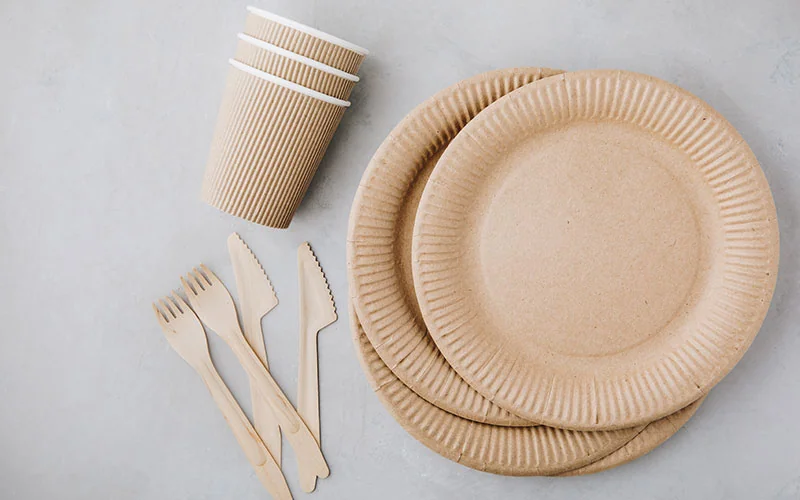
Try pairing black plates with folded cotton napkins instead of pressed linen. If you want easy cleanup, go for modern disposable dinnerware—just pick pieces with clean edges and neutral tones.
● Formal: sleek plates, simple glassware
● Casual: soft napkins, natural wood accents
● Neutral colors help tie everything together
Don’t overload the table. Too many styles at once can ruin that clean, modern look.
Personalization Without Excess
You can personalize a minimalist table without piling on clutter. Just focus on one personal detail at each place setting.
This approach keeps the table organized and calm. Use simple place cards—think clear text, no frills.
You might tie a name tag to a napkin or rest it right on the plate. Pick one material, like paper or acrylic, and stick with it for the whole table.
Simple personalization options:
● Plain name cards in white or beige
● Small tags tied with thin string
● Single-stem greenery at select seats
Skip party favors on the table. If you really want to include them, try placing them off to the side so the layout stays clean.