

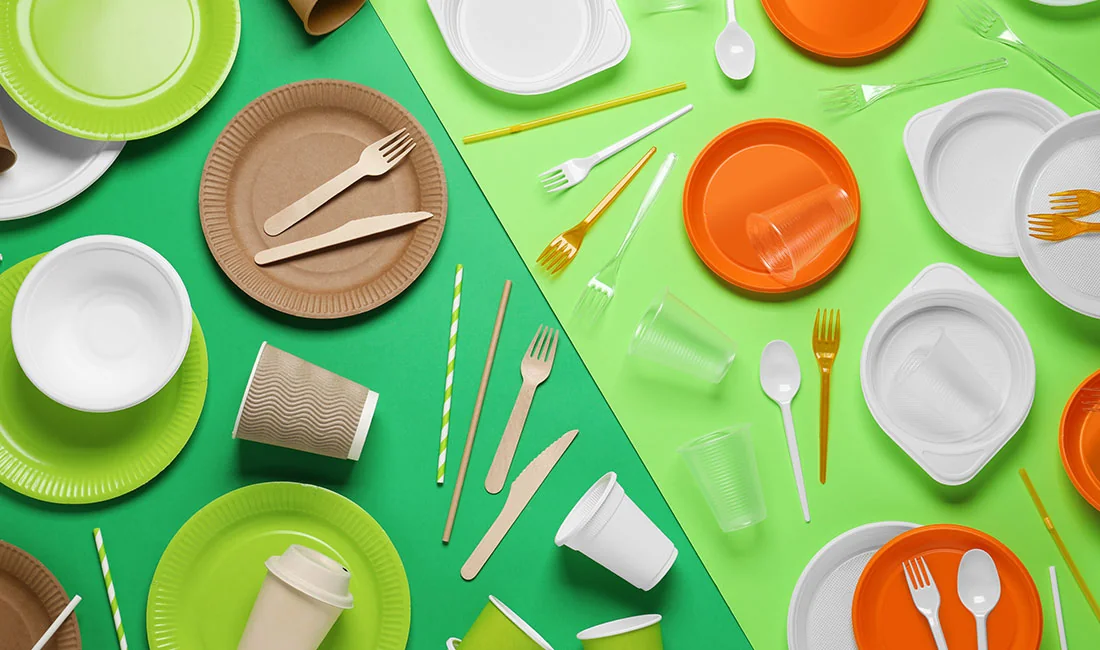
Great party photos really do start with smart tableware. You want plates and cups that support the food, match the mood, and stay easy to use while everyone’s mingling.
The right picks help every photo look clean and balanced, almost as if you planned it all out. No need for extra effort—just smart choices up front.
You get the best photos when you pick plates and cups with simple colors, low glare, and sizes that let the food shine instead of crowding it. Matte finishes, soft tones, and coordinated sets keep the focus on what you serve while working with the light, not fighting it.
This guide covers how tableware shapes your party photos. We’ll look at how sets create a clear look and how color, theme, and function all work together.
You’ll also see how eco-friendly options fit into stylish parties without messing up the visuals.
Understanding Photogenic Party Tableware
Photogenic party tableware shapes how your event looks in photos. The right plates, cups, and finishes help colors pop and keep the table looking clean.
Defining Tableware for Parties
Party tableware includes plates, cups, bowls, and serving pieces you grab for an event. You pick it for both function and looks.
Unlike daily dishes, party tableware usually uses lighter materials, simple shapes, and bold or neutral colors that look great on camera.
You’ll see several types of tableware at events:
● Disposable: paper, compostable fiber, or lightweight plastic
● Reusable: melamine, acrylic, ceramic, or glass
● Specialty event tableware: chargers, dessert plates, drinkware
For photos, clean lines and even surfaces matter more than tons of detail. Busy textures or heavy patterns can distract from the food and faces.
Key Elements That Stand Out in Photos
Certain features make tableware look better in pictures. Color, finish, and shape all play a part in how light reflects and how the table reads on screen.
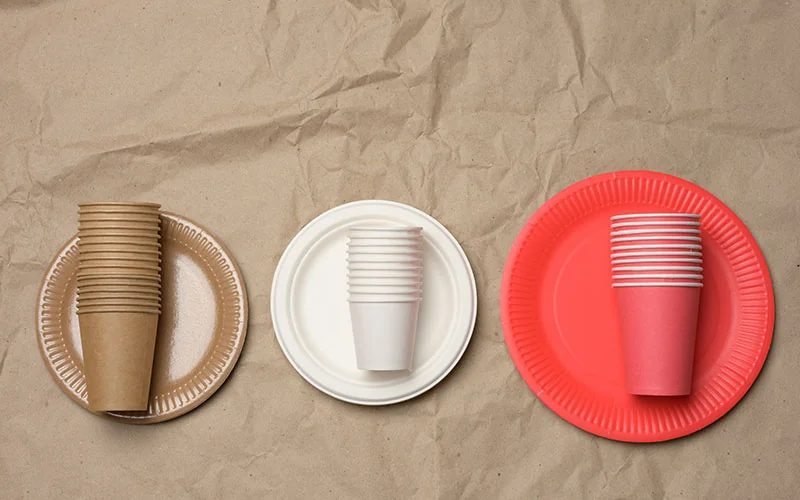
Focus on these elements:
| Element | What Works Best | Why It Photographs Well |
|---|---|---|
| Color | White, cream, soft pastels | Keeps food as the focal point |
| Finish | Matte or satin | Reduces glare and reflections |
| Shape | Simple, round, or low-profile | Creates a clean visual flow |
Skip high-gloss plastic under strong lights—it shows harsh reflections. Sturdy plates help food stay centered and neat while the party’s going.
Popular Table Setting Styles
Table setting styles guide how you pair party tableware with linens and décor. Some styles just work better for photos because they control color and spacing.
Common event tableware styles include:
● Minimal: white plates, clear cups, neutral linens
● Modern: solid colors, matte finishes, sharp contrasts
● Themed: matched colors or prints tied to the event
Minimal and modern settings photograph well because they limit visual noise. Themed styles work best when patterns stay subtle and you repeat colors across the table.
Try to space items evenly to avoid clutter in wide shots.
Selecting Plates and Cups That Photograph Beautifully
You shape the look of every party photo with your tableware picks. Material, size, color, and surface finish all affect how the table looks and how food and drinks stand out.
Material Matters: Porcelain, Stoneware, Plastic, and More
Material controls weight, shine, and color depth in photos. Porcelain and bone china look clean and bright, which works well for daytime parties and light themes.
Fine china gives sharp edges and smooth lines but can reflect light if it’s glossy. Stoneware plates and bowls feel more relaxed, with thicker bodies and soft colors that cut down glare and add texture.
Ceramic plates made from stoneware photograph well in casual and outdoor settings. Glass plates and glassware look elegant but show fingerprints and reflections—use them with soft light if you can.
Plastic plates, plastic cups, and premium disposable plates work for big groups. Pick thicker styles with a matte finish so they don’t look cheap.
Paper and compostable plates photograph best when they have a smooth surface and neutral color.
Shapes and Sizes for Visual Impact
Shape and scale guide the viewer’s eye. Smaller dinner plates or salad plates make food look fuller and more balanced in photos.
Large dinner plates often leave too much empty space. Low-rim plates and shallow bowls work well for overhead shots because they keep food visible and cut down on harsh shadows.
Deep bowls can hide food unless you shoot from an angle. Simple shapes photograph best—round plates feel classic, while oval or coupe shapes add interest without being distracting.
Cups with straight sides look cleaner than flared rims. Try matching plates and cups so the table feels intentional, even if you keep the flatware simple.
Color Selection and Photo Aesthetics
Color sets the mood before anyone even sees the food. White, cream, and light gray dinnerware reflect light evenly and suit most party themes.
These colors help drinks and dishes stand out. Dark plates, like charcoal or navy, add contrast and work best with bright food and good lighting.
Use dark plates in small groups to avoid heavy-looking photos. Skip loud patterns and strong primary colors unless they fit your theme—busy designs pull attention away from the food.
If you want color, add it through napkins, drinks, or garnishes instead of the plates and cups.
Texture, Finish, and Surface Reflection
Finish changes how much light bounces back at the camera. Matte and satin finishes reduce glare and hide fingerprints, which works for both ceramic and premium disposable plates.
Glossy surfaces reflect windows, lights, and even people. High-gloss fine china and glassware need careful placement and soft light, so maybe use them as accents, not the whole set.
Light texture adds depth without making things busy. Subtle speckles or soft ridges in stoneware plates look great in photos. Avoid deep grooves or heavy embossing—they can create harsh shadows and clutter up the shot.
Tableware Sets and Coordinated Looks
Coordinated tableware sets help your photos look clean and intentional. The right mix of plates, cups, and serving pieces also saves time and keeps shots tidy.
Benefits of Party Tableware Sets
Party tableware sets give you a clear, unified look. You get matching plates, cups, and sometimes bowls that share the same color, shape, and finish.
This consistency helps food stand out in photos. Tableware sets also make planning simpler—you avoid mixing items that clash in tone or scale.
This matters for overhead photos or wide table scenes. Many party tableware sets now focus on design, not just function. You can find matte finishes, soft colors, and modern shapes that work well with natural light.
Some elegant disposable tableware even mimics ceramic or stoneware, which looks polished in photos without the cleanup.
Mix-and-Match Versus Complete Sets
Mix-and-match tableware lets you create a custom look. Maybe you pair neutral dinner plates with colored cups or textured side plates.
This approach adds depth to photos, especially for casual or creative parties. Complete sets offer stronger visual control—every piece matches, which keeps your photos calm and balanced.
This works well for formal events or brand-focused gatherings. If you mix pieces, stick to one anchor—pick a main color or material and build around it. Avoid mixing too many shapes or finishes.
Quick comparison:
| Option | Best for Photos | Key Risk |
|---|---|---|
| Complete sets | Clean, uniform shots | Can look flat |
| Mix-and-match | Layered, personal style | Can feel busy |
Specialty Tableware Bundles
Specialty bundles focus on a single use, like desserts, drinks, or outdoor parties. These sets often include smaller plates, cups, and matching napkins designed to work together on camera.
Disposable partyware bundles work well for large events. Many brands now offer elegant disposable tableware with soft colors, scalloped edges, or a subtle gloss—these little details catch light without looking cheap.
Drink-focused bundles matter more than most people expect. Clear cups with clean lines or tinted glass-like plastic photograph better than opaque designs.
For dessert tables, smaller plates with wide rims help frame the food in close-up shots. Choose bundles that match your lighting and surface, not just your theme.
Theme, Color Scheme, and Personalization
Strong photos start with clear choices. You’ll get better images when your plates, cups, tablecloths, and cloth napkins all support one idea, use a tight color plan, and include simple personal touches that fit the event.
Choosing Tableware for Event Themes
Match tableware to the event type and mood. A birthday party works with bold patterns and playful shapes; a wedding or work event looks better with clean lines and solid colors.
Stick to one clear theme. Avoid mixing styles that compete on camera.
Theme-based tableware tips:
● Formal events: white or neutral plates, clear cups, cloth napkins
● Casual parties: patterned paper plates, matte cups
● Outdoor events: sturdy plates with simple prints
Your tablecloth should match the theme without stealing the spotlight from the food. Plain fabrics usually photograph better than busy prints.
Coordinating Colors for Cohesion
You get cleaner photos when colors stay consistent. Pick two main colors and one accent color, and use them across plates, cups, tablecloths, and napkins.
Avoid strong color clashes. Bright red and neon green can overpower food in photos.
Simple color rules that work:
● Light plates make food stand out
● Matte finishes reduce glare
● Neutral tablecloths balance bold plates
Cloth napkins add texture and soften the table. Fold them neatly and keep colors within your chosen palette to avoid visual noise.
Personalized Plates and Cups
Personalized tableware adds detail without crowding the frame. Use names, dates, or short phrases in small, clean fonts. Keep text centered and easy to read.
Limit personalization to one or two items—too many custom pieces look busy in photos.
Best uses for personalization:
● Names on cups to avoid mix-ups
● Dates on dessert plates
● Simple icons that match the theme
Pair personalized plates with plain tablecloths and solid cloth napkins. This keeps the focus on the custom detail and helps the table stay photo-ready.
Functionality and Convenience at the Party
Good-looking tableware still needs to work well during the event. Plates and cups should hold food and drinks without spills and feel easy to use for guests.
Strength and Durability in Use
You want plates and cups that stay firm when guests move around. Thin items bend, spill food, and ruin photos fast.
Plastic tableware works well for heavier foods like pasta, grilled meat, or layered desserts. Reusable tableware gives strong support and keeps its shape all night.
It’s great for indoor parties where you can control the space. Disposable tableware should still feel solid, so look for thick paper or reinforced plastic to avoid sagging.
Use this quick guide when choosing strength:
| Food Type | Best Option |
|---|---|
| Heavy meals | Reusable or thick plastic |
| Light snacks | Sturdy paper |
| Sauces or liquids | Hard plastic or coated paper |
Practical Sizes for Food and Beverages
Size affects comfort and looks. Plates that are too small crowd food and look messy in photos.
Plates that are too large waste space and cost more. Use dinner plates around 9–10 inches for full meals.
Pick 6–7 inch plates for desserts or appetizers. Cups should match the drink—small cups for juice or soda, taller ones for iced drinks.
Match size to use, not just style. Guests should fill plates easily without stacking food. Drinks should sit safely without tipping.
Ease of Handling and Serving
Guests juggle plates, cups, and napkins all at once. Lightweight items help them move with ease.
Rounded edges and smooth surfaces prevent cuts and snags. Plastic tableware often has ridged sides or thicker rims, which improve grip and lower the chance of drops.
Reusable tableware shouldn’t feel heavy or slippery. Stackable plates save table space, and cups that nest well help during setup.
Servers move faster when items separate cleanly and feel balanced in the hand.
Cleaning and Disposal Considerations
Cleanup matters, especially after long events. Disposable tableware makes trash or recycling pickup quick.
Pick clearly labeled recyclable or compostable items to avoid sorting headaches. Reusable tableware needs washing space and time, so it works best if you have help or a dishwasher handy.
Avoid items with deep grooves that trap food. Use this comparison for planning:
| Option | Best For | Cleanup Effort |
|---|---|---|
| Disposable tableware | Large parties | Low |
| Reusable tableware | Small events | Medium |
Sustainability and Eco-Friendly Choices
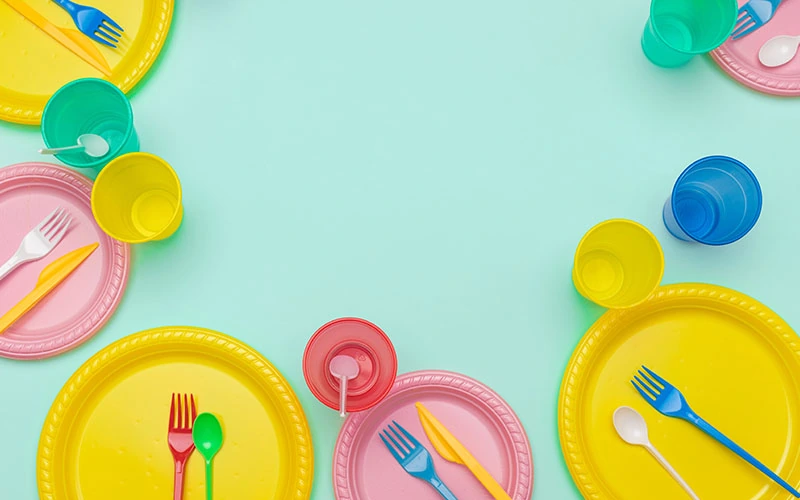
You can choose tableware that looks good in photos and still limits waste. Smart material choices, clear labels, and realistic budgets help you balance style with responsible use.
Eco-Friendly Tableware Materials
Material choice affects both appearance and impact. Some options photograph well while reducing harm.
● Palm leaf plates show natural grain and warm color. Each piece looks a bit different, which adds texture to flat-lay photos.
● Bamboo tableware gives a clean, modern look. It feels sturdy and holds its shape during a full meal.
● Sugarcane (bagasse) plates look smooth and simple. They match many party themes and handle sauces without soaking.
Reusable tableware stays the best option when washing works for your event. Ceramic, glass, and metal create sharp images and cut waste to zero.
If reuse isn’t practical, pick plant-based disposable partyware instead of plastic or foam.
Compostable and Biodegradable Options
Not all compostable plates work the same way. You need to match the product to how you’ll dispose of it.
Certified compostable plates made from sugarcane or palm leaf break down fully under the right conditions. Look for labels like BPI or OK compost HOME.
| Material | Best Use | Notes |
|---|---|---|
| Sugarcane | Hot or oily foods | Often microwave safe |
| Palm leaf | Heavy meals | Home compostable |
| PLA bioplastic | Cold drinks only | Needs industrial composting |
Avoid items labeled only “biodegradable.” That term doesn’t guarantee composting. Clear signage at your party helps guests place items in the right bin and keeps compost clean.
Balancing Style, Sustainability, and Budget
You don’t have to pick between great photos and saving money. Usually, mixing up your options does the trick.
Try using reusable tableware at the head tables, dessert spots, or drink stations. Those areas end up in most of the photos anyway.
For bigger groups, pair them with compostable plates and cups to make cleanup a breeze. It’s honestly a relief not to deal with a mountain of dishes.
Neutral colors like white, tan, or soft gray just look better in photos—and they’re usually cheaper than custom prints. They fit pretty much any theme or lighting, so you can’t really go wrong.
Just buy what you actually need. Extra disposable partyware often sits around unused, which feels like a waste.