

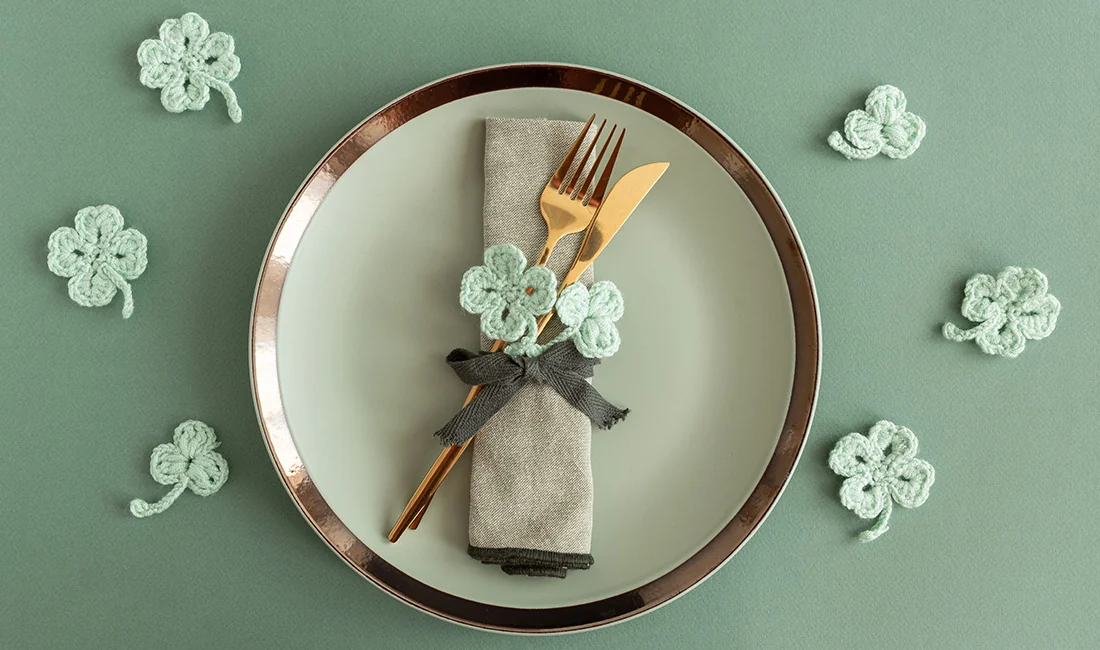
St. Patrick’s Day celebrates Irish culture, so the table often reflects the Irish flag colors and natural textures. You will see how themes shape dinnerware choices, why certain plates and serving dishes work better for group meals, and how table linens and runners set the base for the full setup.
This guide draws on common practices used by home decorators and major retailers that publish seasonal tablescapes each year. You will learn how to choose drinkware for table decor accents, use napkins for decoration, and add small decorative accents that tie the table together and keep the focus on the meal.
What is St. Patrick’s Day?
St. Patrick’s Day is a religious and cultural holiday that honors Saint Patrick, the patron saint of Ireland, and it takes place on March 17 each year. You mark the date because tradition links it to the day Saint Patrick died in the 5th century.
Outside Ireland, the holiday became a wider celebration of Irish culture. Cities hold parades, wear green clothing, and serve Irish foods. In practice, this shift means you may see more social events than religious ones, especially in the United States.
Common symbols appear for clear historical reasons. The shamrock matters because Saint Patrick used the three-leaf plant to explain the Christian Trinity. For you, this explains why shamrocks appear on plates, napkins, and table covers.
What are the Themes of St. Patrick’s Day Dinnerware?
St. Patrick’s Day dinnerware focuses on clear visual signals tied to Irish culture, seasonal colors, and practical use for group meals. The most common themes balance appearance, material choice, and ease of cleanup for home gatherings.
Eco-Friendly and Sustainable Options
Eco-friendly St. Patrick’s Day dinnerware uses materials designed to reduce waste. Common options include bamboo fiber plates, bagasse (sugarcane pulp) trays, and recycled paper napkins. These materials break down faster than plastic because they come from plant sources rather than petroleum.
Bamboo and bagasse dinnerware handle hot and cold foods up to typical serving temperatures, usually around 200°F. In practice, this means you can serve hot corned beef or warm vegetables without plates bending or leaking.
Reusable dinnerware also fits this theme. Stoneware and melamine sets last for years when washed and stored properly. For you, this means fewer single-use items and lower long-term cost if you host seasonal meals each year.
Shamrock and Irish Themed Tableware
Shamrock-themed dinnerware uses Irish symbols as the main design feature. Plates often show three-leaf clovers, Celtic knots, or Irish phrases printed in green or gold ink. These designs appear on ceramic, melamine, and disposable paper dinnerware.
Printed paper plates use food-safe dyes that resist bleeding when exposed to moisture. This matters because sauces and drinks will not blur the design during the meal. Melamine shamrock plates add impact because the pattern is molded or heat-pressed, not just printed.
Irish-themed tableware often pairs with gold-toned plastic cutlery or white napkins. This contrast keeps the table readable and prevents the green elements from blending together.
Mix-and-Match Green Dinnerware
Mix-and-match green dinnerware uses multiple shades instead of a single set. You combine mint green plates, deep emerald bowls, and white serving platters. This approach works because green tones share a common color base, even when the shades differ.
Mint green plates act as a neutral anchor. Their lighter color keeps food visible and reduces glare under indoor lighting. For you, this means meals look clean and easy to serve, not dark or crowded.
This theme often uses plain dinnerware with minimal patterns. Solid colors allow you to reuse items year-round, not only on March 17. You can change the look with napkins or tablecloths instead of replacing the dinnerware.

What Plates and Serving Dishes are Suitable for St. Patrick’s Day ?
St. Patrick’s Day tableware works best when it uses clear Irish colors and practical shapes. Plates and serving dishes should support shared meals, handle common party foods, and keep the table easy to manage.
Different materials of platters have different functions:
-
Ceramic platters hold heat longer because the material is dense. For you, this means warm foods stay warm during a longer meal.
-
Melamine platters resist cracks and chips due to molded plastic construction. In practice, this helps during crowded tables or buffet lines.
-
Coated metal or gold-tone trays use a thin food-safe coating over steel or aluminum. This gives a clean gold look without reacting to food.
Green or Gold Serving Platters for Shared Dishes
Green or gold serving platters are large dishes used to hold shared foods like corned beef, roasted vegetables, or soda bread. Most hosts choose ceramic, melamine, or coated metal platters because each material serves a clear purpose. Choose oval or rectangular shapes. These shapes fit sliced meats and shared sides better than round dishes.
Solid Green or White Plates Layered with Gold Chargers
Dinner plates are the main eating surface, so size and material matter. A 10–11 inch ceramic or stoneware plate works well because it supports full meals without crowding food. Layer plates with gold chargers, which are decorative base plates placed under the dinner plate. Most chargers use plastic with a metallic finish or thin metal. Chargers do not hold food. You remove them before eating, which keeps cleanup simple and prevents spills.
How to Plan the Table Linens and Runners for St. Patrick’s Day?
The right linens set the tone for a St. Patrick’s Day table. Color choice, pattern detail, and how pieces fit together matter more than novelty prints.
Green Table Runner Styles
A table runner is a long, narrow strip of fabric placed across the center of your table. For St. Patrick’s Day, a green table runner anchors the theme because green links directly to Irish tradition.
Choose a solid green runner in cotton or polyester if you plan to use it for meals. Cotton absorbs spills, while polyester resists wrinkles. In practice, this means less fuss during serving. For a layered look, use a medium green runner over a white tablecloth. This contrast keeps dishes easy to see. Let the runner hang 6–10 inches on each end so it looks balanced.
Celtic-Inspired Designs
Celtic-inspired linens use clear symbols tied to Irish history. Common patterns include shamrocks, knots, and clover repeats. These designs work best when printed in one or two colors, such as green and white.
Look for runners made from polyester-linen blends. The blend holds printed lines better than loose cotton, which helps knot patterns stay sharp. For you, this means the design stays clear after washing.
Avoid dense, all-over prints if your plates already have color. A centered motif down the runner keeps the table from looking crowded. If your dinnerware is plain, a bold Celtic border adds interest without extra décor.
Coordinating Placemats
Placemats protect the table and frame each place setting. Choose placemats that support the runner, not compete with it.
If your runner has a strong pattern, use solid placemats in white, cream, or light green. If the runner is plain, woven or textured placemats add depth.
Material of table linens and runners for St. Patrick’s Day include:
-
Cotton placemats: absorb spills; easy to wash
-
Polyester placemats: resist stains; hold shape
-
Burlap-style weaves: add texture; best for dry meals
Keep placemats within one shade of the runner so the table looks planned and clean.
What are the Drinkware for Table Decor Accents for St. Patrick’s Day?
Drinkware shapes how your table looks and how guests use it. Color, glass type, and rim details all affect contrast, light, and balance with plates, linens, and center pieces such as green glass vases.
Clear Glasses with Green Drinks
Clear glasses are transparent drink vessels made from plain soda-lime glass. They highlight the color of the drink instead of the glass itself.
You create a strong visual effect when you serve green drinks like mint soda, lime water, or dyed lemonade. Because the glass stays clear, the liquid becomes the accent color. For you, this means the table stays bright and not crowded with too much green glass.
Tall highball glasses work well for nonalcoholic drinks, while stemless wine glasses fit mixed drinks. Place them near green glass vases or white plates so the green color stands out without clashing.
Green-Tinted or Gold-Rimmed Glassware
Green-tinted or gold-rimmed glassware uses colored glass or metallic rims to add detail. The tint comes from mineral additives mixed into the glass during production.
Green glass adds color even when the glass is empty. For you, this means the table looks finished before drinks get poured. Gold rims add contrast because the metallic edge reflects light from candles or overhead fixtures.
Use these glasses in small sets to avoid visual overload. Pair them with simple dishes and neutral linens. They work best next to clear vases or solid green glass vases with no patterns.
Beer Mugs or Cocktail Glasses for Festive Drinks
Beer mugs and cocktail glasses are drinkware designed for specific beverages. Beer mugs use thick glass walls, while cocktail glasses use thinner bowls and stems.
The thick glass in beer mugs helps keep drinks cold longer. In practice, this means less condensation on your table during long meals. Cocktail glasses, such as coupes or martini glasses, hold smaller portions and support layered or foamy drinks.
Choose one main style to keep the table organized. Set them near bar tools or a small drink station so guests know how to use them.
How Can We Use Napkin to Decorate for St. Patrick’s Day?
On St. Patrick’s Day, you can turn napkins into decorations by choosing green fabric or paper and shaping them into simple forms. Green works well because it links to the holiday theme and stands out on white plates.
Napkin folding styles you can use include:
-
Shamrock folds, which use repeated triangle folds to form three or four rounded points
-
Flat clover folds, which sit under plates and frame the place setting
-
Rolled napkins, which keep the look clean and simple
You can fold napkins into shamrocks or three‑leaf clovers. This works best with square napkins because equal sides create even folds. In practice, this means the shape holds better and stays neat through the meal.
A napkin ring is a loop that holds a folded or rolled napkin in place. Many rings use metal, wood, or molded resin, which keeps the napkin from loosening. For you, this means the table stays orderly even after guests sit down.
A green napkin ring adds color without complex folding. Rings shaped like clovers or plain green bands work well because they pair with both patterned and solid napkins. You can place the ring at the center of the plate to keep the design easy to see.
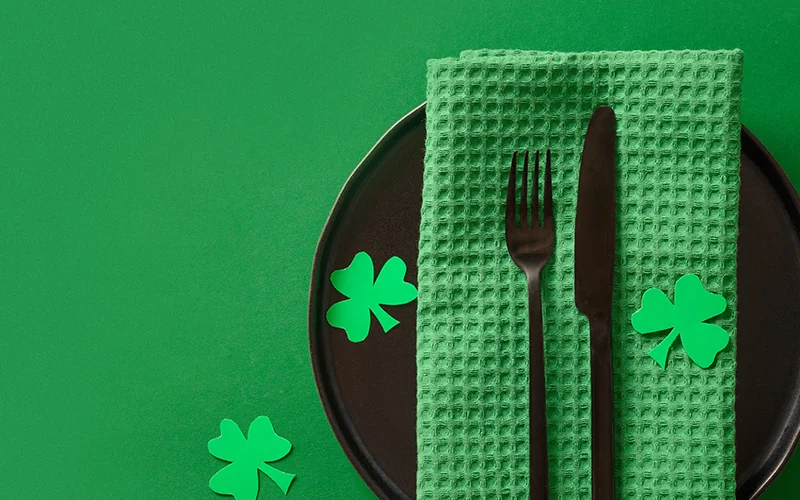
How about Using Small Decorative Accents for St. Patrick’s Day?
Small accents add detail without crowding the table. You can place them around plates, flatware, and center pieces to guide the eye and set a clear St. Patrick’s Day theme.
Small decorations of St. Patrick’s Day come in:
-
Shamrock Confetti
-
Cards with Irish Symbols or Greetings
-
Mini Flags or Lucky Charms
Shamrock confetti is a small, flat table décor made from paper, foil, or wood shapes. Scatter a light layer across the table runner or place a few pieces near each setting. Because the shapes are small, they fill empty space without blocking serving dishes.
Decorative cards are small folded or flat cards printed with Irish symbols or short messages. Many use 250–300 gsm cardstock, which stands upright and resists bending during a meal. Place one card at each setting or lean it against a folded napkin. This works well because the card adds height without taking table space.
Mini flags and lucky charms are small decorative objects that show Irish colors or symbols. Set them in napkin folds, small jars, or near place cards. Because they stay upright, they add visual interest without touching plates or flatware. In other words, they decorate without affecting food service.
FAQs
What color is bad to use on St. Patrick’s Day?
Bright red and pure black are bad to use on St. Patrick’s Day.
Bright red often clashes with St. Patrick’s Day themes because it sits opposite green on the color wheel. In practice, this contrast pulls attention away from green tableware, linens, and food.
Pure black can also feel out of place when used in large areas. For the table, this means black plates or tablecloths can make green foods and decorations look dull instead of festive.
What are some elegant St. Patrick’s Day table decoration ideas for adult gatherings?
An elegant St. Patrick’s Day table uses restrained color and defined materials. For example, emerald green cloth napkins paired with white porcelain plates create contrast without visual noise.
Metal accents add structure because they reflect light in controlled ways. Gold-rimmed chargers or brass flatware work well, which means the table feels formal without themed prints.
Natural textiles help soften the look. A linen table runner in sage green reduces shine, so glassware and serving dishes stand out instead.
What are popular St. Patrick’s Day dishes to consider when choosing tableware?
Corned beef and cabbage, Irish stew, and soda bread and colcannon are popular St. Patrick’s Day Dishes.
Corned beef and cabbage is a common main dish that releases moisture as it rests. Because of this, wide ceramic platters with a shallow lip help catch juices and keep the table clean.
Irish stew often appears in deep servings with broth. In practice, this means you need bowls with a 16–20 ounce capacity to avoid spills and frequent refills.
Soda bread and colcannon serve best on sturdy plates. Stoneware or porcelain plates resist knife marks, so your tableware keeps a clean look throughout the meal.