

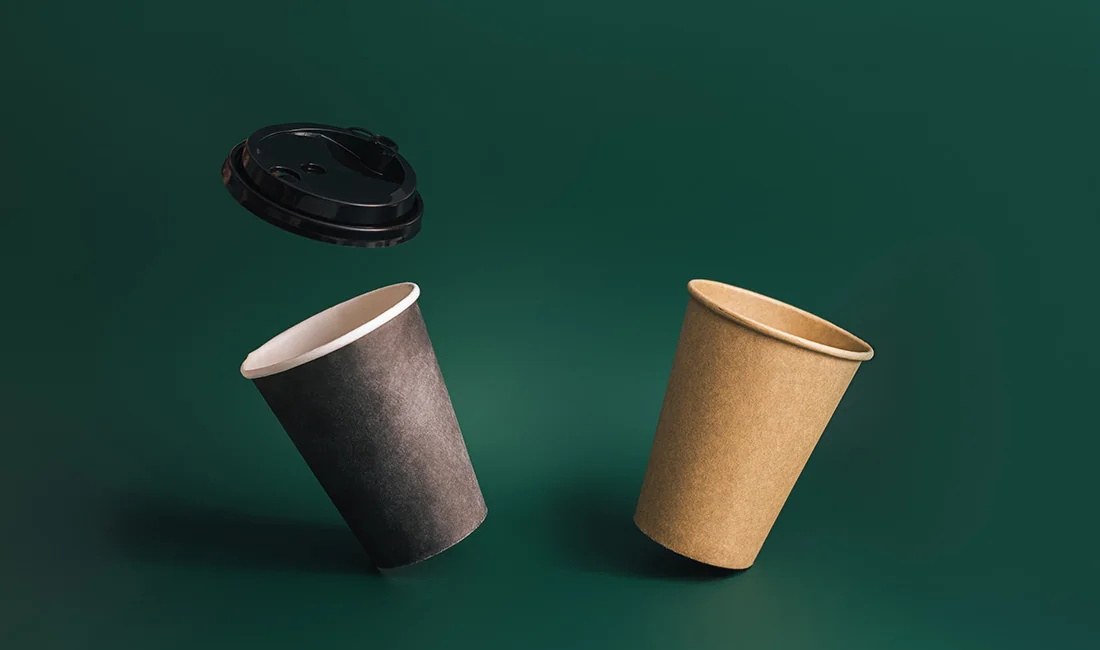
The best disposable cups for hot drinks use heat‑resistant paper, double‑wall or insulated designs, and tight lids to reduce burns, leaks, and heat loss. You want a cup that holds coffee or tea at serving temperature while keeping your hand safe and your drink inside the cup.
This guide draws on product testing, safety standards, and common sizes from 8 oz to 16 oz used across food service. You’ll learn which key features matter most, the main types of disposable coffee cups, how to match cups to your needs, and clear answers to common questions about insulation, lids, and leak resistance.
What are the Key Features of the Disposable Cups for Hot Drinks?
Disposable cups for hot drinks must handle heat, prevent leaks, and stay safe in your hands. The best disposable cups for hot drinks balance heat control, secure construction, safe materials, and lower environmental impact without adding extra steps to your routine.
Disposable cups for hot drinks should have these features:
-
Heat Resistance
-
Leak-Proof Performance
-
Comfort and Insulation
-
Material Safety
-
Eco-Friendliness
Heat Resistance
Disposable hot cups must hold liquids between 160°F and 200°F, which covers coffee, tea, and hot chocolate. Paper disposable coffee cups use polyethylene (PE) or polylactic acid (PLA) linings to block heat and moisture.
Leak-Proof Performance
Leak-proof performance depends on sealed seams, rolled rims, and bonded bottoms. Disposable cups for hot drinks use heat-sealed bases instead of glued joints.
Because heat sealing melts the lining into the base, liquid cannot escape at stress points. For you, this reduces drips on desks, car seats, and hands.
Comfort and Insulation
Comfort comes from insulation and grip design. Disposable hot cups often use double-wall paper, ripple walls, or sleeves. Ripple wall cups use a corrugated outer layer. Because the ridges increase surface area, heat spreads out before reaching your hand. This lowers burn risk without needing a sleeve.
Material Safety
Material safety focuses on food-grade paper and certified linings. Disposable cups for hot drinks use paper approved for food contact and linings that meet FDA or EU food safety standards. These linings prevent chemical transfer when exposed to heat. In practice, this means your drink does not absorb unwanted tastes or residues.
Eco-Friendliness
Eco-friendly disposable cups use PLA linings, water-based coatings, or unlined molded fiber. PLA comes from plant starch and breaks down in industrial composting systems. For you, this means easier compliance with local waste rules where composting is available.
Types of Disposable Cups for Hot Drinks
Different disposable cups manage heat, safety, and waste in different ways. The material, wall structure, and coating decide how hot the cup can handle, how it feels in your hand, and how you can dispose of it after use.
Common disposable cups for hot drinks come in:
-
Paper Cups with Coatings
-
Double-Wall Paper Cups
-
Ripple/Insulated Paper Cups
-
Foam Cups
-
PLA and Biodegradable Cups
-
Compostable Hot Cups
Paper Cups with Coatings
Paper cups with coatings are disposable paper cups made from paperboard lined with a thin barrier layer. The coating, often PE (polyethylene) or PP (polypropylene), blocks liquid from soaking into the paper. Because the paperboard usually weighs 170–300 gsm, it holds its shape with hot drinks up to 85–100°C, depending on the coating.
Pros
-
Leak control from plastic coating
-
Widely available in white paper cups and printed styles
-
Low unit cost for bulk orders
Cons
-
Limited insulation with single-wall designs
-
Plastic lining reduces recyclability in many areas
Double-Wall Paper Cups
Double-wall paper cups use two layers of paper with an air gap between them. This structure reduces heat transfer because trapped air slows down heat movement. In practice, this means you can hold the cup without a sleeve when drinks reach 90–100°C.
Pros
-
Better hand protection due to air insulation
-
No sleeve needed for most hot drinks
-
Stable shape for larger sizes
Cons
-
Higher material use than single-wall cups
-
More waste volume per cup
Ripple/Insulated Paper Cups
Ripple paper cups are insulated paper cups with a corrugated outer layer. The ripples create air channels that slow heat flow while adding surface grip. Because of this design, ripple cups stay comfortable to hold at 90–100°C without added sleeves.
Pros
-
Strong grip from textured surface
-
Good insulation without extra parts
-
Popular for takeaway coffee
Cons
-
More complex to recycle
-
Slightly higher cost than smooth paper cups
Foam Cups
Foam cups are disposable cups made from expanded polystyrene (EPS). EPS traps air inside the foam structure, which limits heat transfer. Because of this, foam cups keep drinks hot while the outside stays cool at up to 85°C.
Pros
-
Strong insulation at low material weight
-
Low cost for large events
-
Tight-fitting lids reduce spills
Cons
-
Not biodegradable
-
Restricted or banned in some cities and countries
PLA and Biodegradable Cups
PLA cups are paper cups lined with polylactic acid, a plant-based plastic made from corn or sugarcane. PLA softens at lower temperatures, so most PLA cups handle 70–75°C. This matters because very hot drinks may weaken the lining.
Pros
-
Plant-based lining instead of fossil plastic
-
Meets many eco packaging rules
-
Suitable for warm coffee and tea
Cons
-
Lower heat limit than PE or PP
-
Requires industrial composting facilities
Compostable Hot Cups
Compostable hot cups include paper cups with PLA, water-based, or mineral coatings designed to break down during composting. These cups aim to reduce plastic content while still blocking leaks. Most handle 70–80°C, depending on the coating type.
Pros
-
Lower plastic content or plastic-free options
-
Accepted in compost streams in some areas
-
Fits strict sustainability policies
Cons
-
Lower heat tolerance than PP-coated cups
-
Higher cost and limited suppliers
How to Choose the Right Disposable Cups for Hot Drinks?
Choosing disposable cups for hot drinks comes down to size, material, heat control, and fit with your service setup. Each choice affects comfort, safety, cost, and waste, so you need to match the cup to the drink and how you serve it.
Factors you need to consider when choosing disposable cups for hot drinks:
-
Consider Size and Capacity
-
Match the Cup Material to Your Drink
-
Look for Good Insulation
-
Check Lid Compatibility
-
Confirm Food‑Safety Standards
-
Consider Eco‑Friendly Options
-
Match to Serving Conditions
Consider Size and Capacity
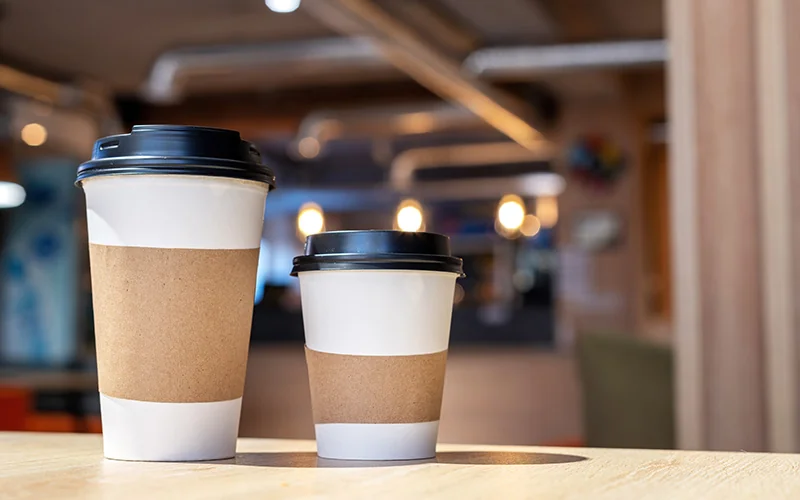
Cup size controls portion accuracy and waste. For most cafés, 12 oz coffee cups match standard drip coffee and brewed tea servings. This size also fits common lids and cup trays, which reduces handling issues during service.
Smaller sizes like 8 oz suit espresso drinks or short pours. Larger sizes such as 16–20 oz work better for lattes or extended sipping. Using the wrong size often leads to overfilling or wasted product.
In practice, you should standardize two or three sizes. This keeps storage simple and helps staff serve drinks faster during busy hours.
Match the Cup Material to Your Drink
Material choice matters most for hot drink cups. Paper cups with PE or water-based linings handle temperatures near 90–100°C, which suits fresh coffee. The lining blocks liquid absorption, so the cup keeps its shape.
PLA cups work best for cold drink cups because standard PLA softens above 60°C. For hot use, this can cause warping or leaks after several minutes.
Bagasse cups use molded sugarcane fiber. The dense fiber structure resists heat without plastic coatings. For you, this means fewer leaks and no softening during long holds.
Look for Good Insulation
Insulation controls hand comfort and drink temperature. Single-wall paper cups transfer heat quickly, which often requires a cardboard sleeve. Without a sleeve, users may feel surface heat within seconds.
Double-wall paper cups add a second paper layer. The trapped air between layers slows heat transfer. For the user, this means a cooler exterior and no extra sleeve.
Bagasse cups rely on thick fiber walls for insulation. The material naturally slows heat flow. In practice, you can serve very hot drinks with less risk of burns and fewer accessories.
Check Lid Compatibility
Lid fit affects safety and speed. Most disposable hot cups use standard rim sizes, such as 90 mm for 12–16 oz cups. Matching cup and lid from the same size standard prevents loose seals.
Tight-fitting lids reduce spills because the snap ring locks under the rim. This matters during takeout and delivery, where movement increases spill risk.
You should also check sip opening style. Small drink holes slow flow, which helps with very hot coffee. Larger openings suit teas or lower-temperature drinks.
Confirm Food‑Safety Standards
All disposable cups for hot drinks must meet food-contact rules. In the U.S., look for FDA compliance. In the EU, check for Regulation (EC) No 1935/2004.
These standards limit chemical transfer when cups hold liquids near boiling. For you, this means no taste changes and reduced health risks.
Avoid cups with unknown coatings or dyes. Clear labeling and test reports show the cup can handle heat without breaking down during normal use.
Consider Eco‑Friendly Options
Eco-friendly claims only matter if disposal works in your area. Bagasse cups break down in home or industrial compost within 30–90 days. For the user, this means easier disposal with food waste.
PLA cups require industrial composting at high heat. Without that system, they act like plastic in landfills.
Paper cups with plastic linings often fail recycling because machines cannot separate layers. You should match cup choice to local composting or recycling access.
Match to Serving Conditions
Serving location changes what you need. For dine-in, single-wall cups may work because customers drink on-site and move less. For takeout, insulation and lids matter more.
High-volume settings like offices or events benefit from sturdy cups that stack well and resist leaks. Bagasse and double-wall paper cups hold shape during long service windows.
Outdoor service adds movement and temperature changes. In practice, you should choose cups with stable lids and thicker walls to reduce spills and heat loss.
FAQs
Can I microwave a disposable cup?
You should check the cup label or supplier data before heating. Some plastic cups made from polypropylene (PP) allow microwave use up to about 100°C (212°F). Most paper cups use a thin plastic lining, such as PE or PLA, which can soften or break down in a microwave.
Are foam cups safe for hot drinks?
No, many cities ban foam cups due to waste concerns, so you may not be allowed to use them in all areas.
A foam cup is made from expanded polystyrene (EPS), a lightweight plastic with built-in insulation. EPS handles hot liquids up to about 85°C (185°F) because trapped air slows heat transfer to your hand.
What’s the difference between double-wall and ripple-wall cups?
Ripple cups feel more secure and often handle hotter drinks without extra sleeves.
A double-wall cup uses two smooth paper layers with an air gap between them. The air layer slows heat movement, so your hand stays cooler without a sleeve.
A ripple-wall cup adds a corrugated outer layer. The ridged surface increases air space and grip, which reduces slip and heat contact.