

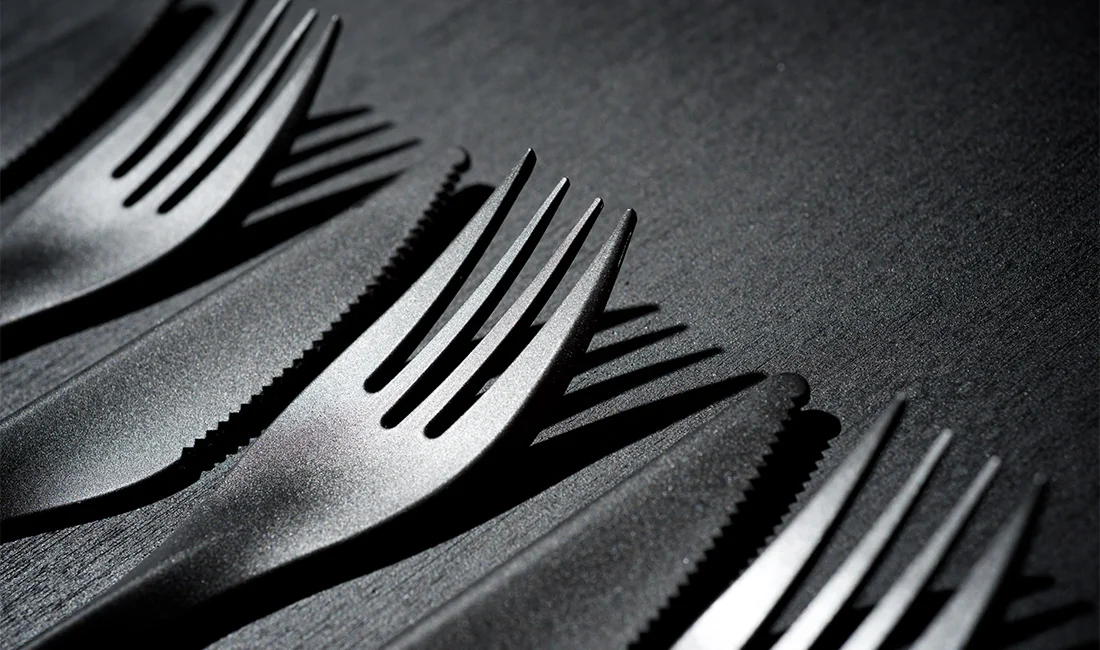
Greasy barbecue, buttered pasta, and fried appetizers can quickly expose the weaknesses in flimsy disposable utensils. When oil coats a smooth handle, plastic forks slip, twist, and drop food before it reaches the plate. For hosts planning events with rich or oily menus, choosing cutlery with the right grip, texture, and structural weight prevents mess, waste, and guest frustration. The difference between a utensil that performs and one that fails often comes down to three design factors: handle texture, material thickness, and overall weight distribution. This guide examines how these elements affect real-world performance with oily foods, compares common materials for strength and safety, and provides a clear framework for choosing the best option based on menu type and event scale. Hosts who pair the right cutlery with quality disposable plates and cups create a seamless dining experience—even with the greasiest dishes.
What Makes Disposable Cutlery Perform Poorly with Oily and Greasy Foods?
No-slip disposable cutlery is a category of single-use utensils that features textured handles, reinforced construction, and balanced weight distribution designed to maintain a secure grip when oil, grease, or sauces reduce friction between the handle and the hand.
Oil creates a thin lubricating film between skin and the handle surface, dramatically reducing the friction needed for a stable grip. Smooth, polished plastic handles become nearly impossible to control once coated with grease from fried chicken, buttered corn, or saucy ribs. The problem compounds when utensils are lightweight and narrow—two traits common in budget disposable cutlery.
How Does Oil Reduce Grip on Smooth Plastic Handles?
Oil reduces grip by filling the microscopic surface irregularities that normally create friction between skin and plastic. On a smooth, glossy handle, even a small amount of grease eliminates nearly all traction. Forks begin to rotate between fingers when spearing dense foods like grilled meats or roasted vegetables. Spoons lose stability when scooping heavy stews or oily pasta. The smoother and more polished the handle surface, the more severe the grip loss becomes. Matte-finished or textured handles resist this effect because their surface patterns create mechanical interlocking points that oil alone cannot eliminate.
Why Do Lightweight Utensils Bend and Twist with Dense Oily Dishes?
Lightweight utensils fail with dense oily dishes because their thin walls lack the structural rigidity to resist lateral forces during cutting or spearing. When a host or guest pushes a thin plastic fork into a piece of grilled meat, the tines flex sideways instead of penetrating the food. This flexing shifts the balance point toward the head of the utensil, making it top-heavy and harder to control—especially with slippery hands. The combination of poor grip and structural weakness means the utensil fights the user at every step, increasing hand fatigue and the risk of dropped food.
What Are the Advantages and Disadvantages of Common Cutlery Materials for Greasy Meals?
Heavyweight polypropylene offers the strongest combination of grip potential, heat resistance, and structural rigidity for oily foods. Standard lightweight plastic costs less but sacrifices control, while alternative materials provide natural texture at the expense of consistency and moisture resistance.
What Are the Advantages of Heavyweight Polypropylene Cutlery for Oily Foods?
Heavyweight polypropylene (PP) cutlery delivers the best overall performance for oily and greasy dishes. PP’s molecular structure gives it natural flexibility without brittleness, meaning forks and knives absorb cutting forces without snapping. Its higher heat tolerance—approximately 130 °C compared to roughly 100 °C for polystyrene—makes it stable when handling hot fried foods or freshly grilled items. Thicker PP handles provide more surface area for grip and distribute weight more evenly between handle and head. When manufacturers add textured patterns or matte finishes to PP cutlery, the combination of material strength and surface friction creates a utensil that maintains control even with thoroughly greasy hands. PP also resists moisture absorption entirely, so prolonged contact with sauces or dressings does not weaken the utensil.
What Are the Disadvantages of Standard Lightweight Plastic Utensils?
Standard lightweight plastic utensils—typically made from polystyrene—present three consistent problems with oily foods. First, their thin walls bend under moderate pressure, forcing users to grip harder and increasing the chance of snapping. Second, polystyrene surfaces tend to be smooth and glossy, offering almost no friction when coated with oil. Third, polystyrene’s lower heat tolerance means it can soften slightly when in contact with very hot fried foods, further compromising structural integrity. The low per-unit cost of lightweight cutlery is appealing for large events, but hosts serving oily menus often find that guests use two or three utensils per meal due to breakage—erasing the cost savings.
How Do Alternative Natural Materials Compare for Grip with Oily Dishes?
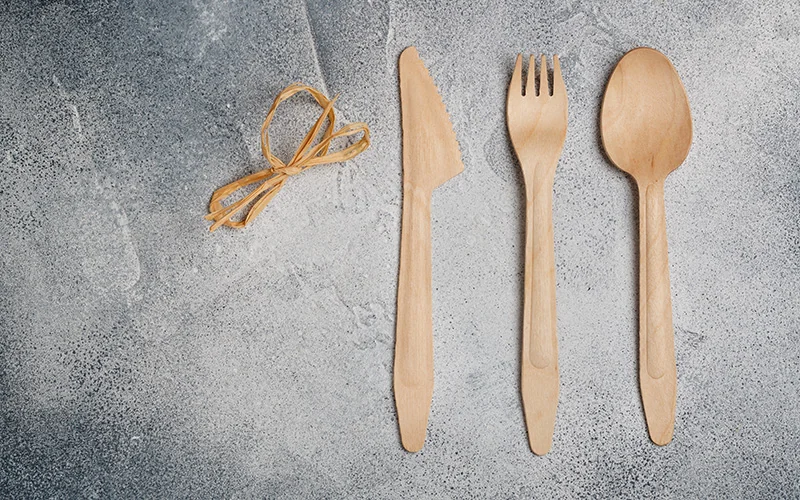
Alternative materials such as wood and bamboo offer a naturally textured surface that provides inherent friction, even when oily. The micro-rough grain of these materials gives hands something to grip without any added manufacturing process. However, natural fiber utensils vary widely in quality—thinner options may splinter under pressure or soften after prolonged contact with sauces. These materials work best for lighter oily foods like dressed salads or buttered bread, but may struggle with the cutting force needed for dense grilled meats. Hosts whose primary tableware is plastic-based often find that sticking with heavyweight plastic cutlery provides more consistent performance across an entire oily menu.
Which Handle Designs and Textures Provide the Best No-Slip Grip for Oily Foods?
The most effective no-slip designs combine textured handle surfaces with ergonomic shaping and balanced weight distribution. Ribbed grooves, cross-hatched patterns, and dimpled surfaces all create mechanical friction points that oil cannot fully lubricate, keeping the utensil stable during use.
How Do Textured and Ribbed Handles Improve Control with Greasy Dishes?
Textured handles improve control by creating multiple small contact ridges that channel oil away from the primary grip zone. Linear grooves running along the handle length provide directional resistance against the natural pulling motion of eating. Cross-hatched patterns offer multi-directional grip, preventing both sliding and rotation. Dimpled surfaces add friction without creating sharp edges that could become uncomfortable during longer meals. The key is subtlety—aggressive texturing can cause hand fatigue over the course of a full dinner, while moderate patterns maintain comfort and control simultaneously. For events serving heavily oiled dishes like barbecue ribs or fried appetizers, textured handles outperform smooth decorative finishes in every practical measure.
What Role Do Handle Shape and Weight Play in No-Slip Performance?
Handle shape and weight determine how naturally the utensil sits in the hand and how much effort is needed to maintain control. A wider handle base spreads grip pressure across more fingers, reducing the squeeze force needed to hold the utensil steady. A slightly curved ergonomic profile matches the natural curl of the fingers, allowing a relaxed grip even when cutting resistant foods. Balanced weight distribution—where the handle and head carry roughly equal mass—prevents the top-heavy tipping that plagues lightweight forks and spoons. Matte surface finishes further enhance these structural advantages by eliminating the slick, glossy coating that turns catastrophic with oil. When evaluating cutlery for an oily menu, hosts benefit from testing the handle feel as much as the material strength.
How Should Hosts Choose the Right Disposable Cutlery for Events Serving Oily Foods?
The right choice depends on the menu’s oil and heat intensity, the event’s scale and budget, and whether guest comfort or cost efficiency takes priority. Heavyweight textured cutlery suits rich and greasy menus, while standard options remain adequate for lightly dressed or dry-alongside-oily spreads.
When Is Heavyweight Textured Cutlery the Better Choice for Oily Menus?
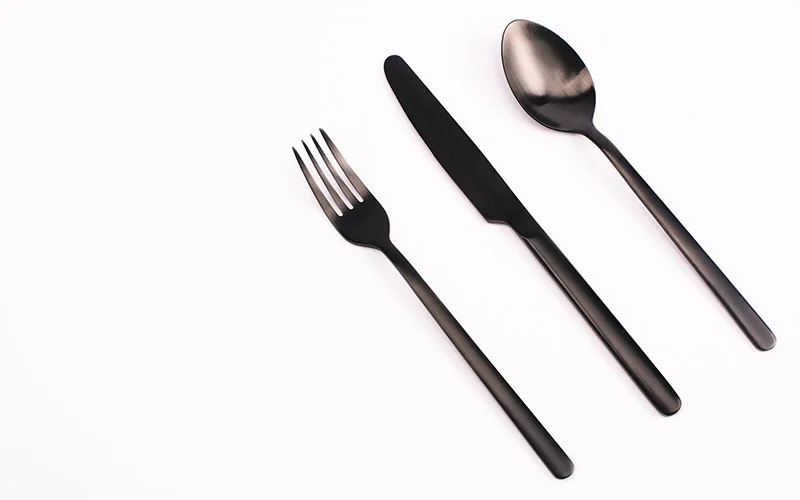
Heavyweight textured cutlery is the better choice whenever the menu centers on high-oil, high-heat dishes. Barbecue events, fried food stations, buttered seafood boils, and pasta bars with rich sauces all demand utensils that resist slipping, bending, and breaking. Events where guests eat while standing—outdoor festivals, food truck gatherings, cocktail receptions—create additional grip challenges because diners balance plates and utensils simultaneously. In these scenarios, the added cost per unit of heavyweight textured cutlery is offset by reduced breakage, fewer replacement trips, and a noticeably better guest experience. Pairing sturdy cutlery with matching premium plates and napkins ensures the entire table setup handles oily foods consistently.
When Does Standard Smooth Cutlery Still Work for Oily Menus?
Standard smooth cutlery remains a practical option when oily dishes make up only a portion of the menu and most items are light enough to eat without significant cutting or spearing force. A birthday party buffet with a mix of salads, sandwiches, cake, and one tray of fried appetizers does not necessarily require heavyweight utensils for every guest. In these mixed-menu situations, hosts can offer standard cutlery alongside a smaller supply of heavier options stationed near the oiliest dishes. This hybrid approach controls cost while still addressing grip where it matters most.
What Safety Factors Should Hosts Check for Cutlery Used with Hot Oily Foods?
Hosts should verify that any cutlery used with hot, oily foods is made from FDA-compliant, food-contact-safe materials and is free from added plasticizers. Hot fats can accelerate the migration of chemical additives from lower-grade plastics into food, so material quality matters more with oily dishes than with dry snacks. Polypropylene’s higher heat tolerance makes it inherently more stable than polystyrene in high-temperature applications. Hosts serving fried foods or hot sauced dishes should confirm the cutlery’s heat resistance rating and look for third-party migration testing documentation. Avoiding products with unverified safety claims protects both guest health and the host’s reputation.
How Does Choosing the Right Cutlery Complement a Complete Party Tableware Setup?
The right cutlery choice works best when it matches the quality and durability of the rest of the table setting. Heavyweight, grip-optimized forks and knives lose their advantage if placed alongside flimsy plates that buckle under a loaded serving of oily food.
A cohesive approach pairs sturdy cutlery with plates rigid enough to support heavy, sauced dishes without bending, cups designed for both hot and cold beverages that accompany rich meals, and absorbent napkins that help guests manage greasy hands between bites. When every element of the tableware performs at the same level, the dining experience feels seamless—even at a casual backyard barbecue. Hosts planning events around oily menus can also elevate the beverage station with champagne flutes or wine glasses that maintain the same premium feel across the entire table.