

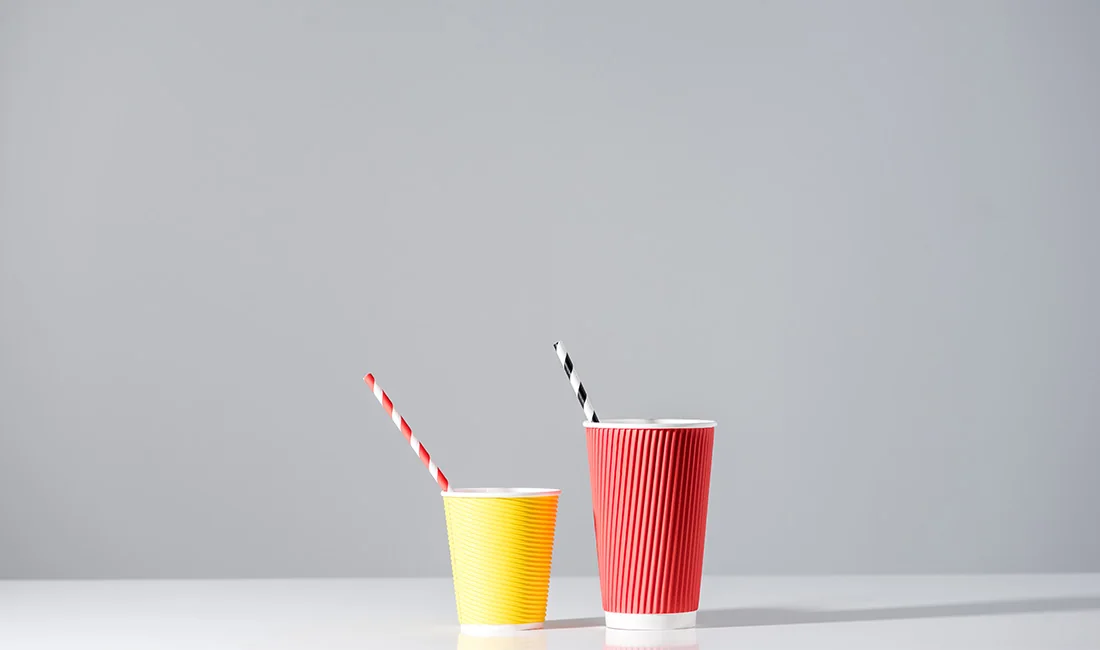
Choosing between 9oz and 12oz disposable cups may appear to be a minor detail, but cup size can significantly influence how efficiently a party or event operates. Cup capacity affects drink portions, ice usage, and how frequently guests return for refills.
A 9oz cup is commonly used for wine, cocktails, and situations where portion control matters. A 12oz cup is typically more suitable for soda, water, beer, or beverages served with ice. Each size serves a different purpose, so the most appropriate choice depends on the beverages offered and the style of the event.
This guide explains how these two cup sizes compare in real event settings, when each option works best, and when other sizes may be more practical. Selecting the appropriate size can help reduce waste, control beverage costs, and improve guest satisfaction.
What Is the Real Difference Between 9oz and 12oz Disposable Cups?
The real difference between 9oz and 12oz disposable cups is a combination of liquid capacity, practical fill level, and physical proportion that affects portion size, beverage presentation, and serving efficiency at any event—not simply three extra ounces of space.
How Are Disposable Cup Sizes Measured?
Disposable cup sizes are measured in fluid ounces (oz), which represent liquid volume rather than physical height. One U.S. fluid ounce equals approximately 29.6 milliliters, meaning a 9oz cup holds about 266 ml while a 12oz cup holds approximately 355 ml when filled to the rim.
Cup size refers to the total internal capacity up to the top edge. This measurement does not account for ice, foam, or the space typically left to prevent spills. Although disposable cups may appear similar from a distance, the additional capacity noticeably affects drink portions and overall presentation.
What Is the Difference Between Flush Fill and Practical Fill?
Flush fill and practical fill are two measurement standards that describe the difference between a cup’s maximum labeled capacity and the realistic volume it holds during actual service.
Flush fill means the cup is filled completely to the rim—the measurement manufacturers use when labeling capacity. In real service situations, beverages are rarely poured to the very top. Space is usually left for ice, carbonation, foam, or easier handling. This realistic serving level is the practical fill. A 9oz cup typically delivers 7–8 oz of liquid in practice, while a 12oz cup delivers roughly 9–10 oz. Understanding practical pour sizes helps event planners estimate beverage quantities more accurately.
How Do Portion Size and Beverage Type Differ Between the Two Sizes?
The primary difference between the two sizes relates to portion control and beverage type. A 9oz cup is commonly used for controlled servings such as cocktails, wine, juice, or children’s drinks, where the smaller capacity helps limit waste and maintain consistent alcohol portions. A 12oz cup is generally better suited for larger beverages such as soda, beer, mocktails, or drinks containing ice.
The approximately 33% larger capacity of a 12oz cup also influences beverage cost per serving, ice-to-liquid ratios, and the weight of a filled cup. Selecting a cup size therefore involves balancing portion control, event budget, and guest expectations.
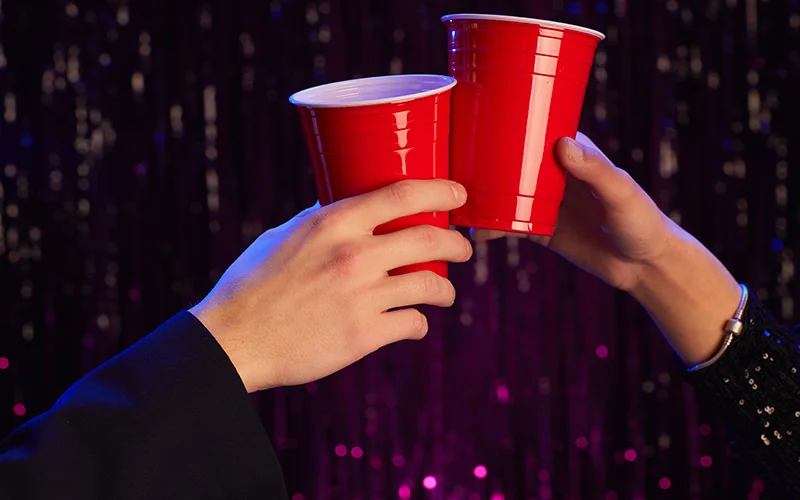
How Do 9oz and 12oz Cups Compare in Real Event Settings?
A side-by-side comparison in real event settings reveals that 9oz cups optimize portion control and presentation for wine and cocktails, while 12oz cups provide the volume needed for iced drinks and casual self-serve stations—each influencing serving behavior, guest comfort, and beverage costs differently.
How Does Cup Size Affect Portion Control at Events?
Cup size directly controls how much liquid each guest receives per serving. A 9oz cup works well for wine, punch, or pre-mixed cocktails where a 4–6 oz pour leaves sufficient space for ice or mixing without risk of spills. This size is often suitable for bridal showers, tastings, or brunch gatherings. Guests typically finish smaller servings before returning for another drink, which helps reduce beverage waste.
A 12oz cup provides greater flexibility. It can hold a full can of soda when filled to the rim, although most service situations leave space to prevent spills and accommodate ice. For self-serve drink stations, disposable cup usage often averages 1.5 to 3 cups per guest depending on event duration and beverage selection. Larger cups reduce refill frequency, while smaller cups help manage costs.
How Does Cup Size Influence Guest Comfort and Satisfaction?
Cup size subtly influences how guests experience an event. A 9oz cup is lightweight and easy to hold, which is convenient when guests are standing, socializing, or holding plates at the same time. It also supports moderate drink portions, particularly for wine or cocktails.
A 12oz cup feels more substantial and holds larger servings, which many guests appreciate at outdoor gatherings or large celebrations where returning for refills may be less convenient. However, a completely filled 12oz cup may feel heavier when carried for long periods. Smaller cups are often preferred for tastings or formal receptions, while larger cups work well for casual events.
Which Beverages Are Best Suited for Each Cup Size?
Beverages best suited for a 9oz cup include wine at a standard 5 oz pour, champagne or sparkling wine, punch or sangria, and juice-based mocktails. The smaller capacity allows adequate headspace and helps manage alcohol portions. Premium drinkware such as champagne flutes or wine glasses may serve even better for these beverages at formal events where presentation is a priority.
Beverages best suited for a 12oz cup include soda and soft drinks, iced tea or lemonade, beer, and mixed drinks containing ice. A 12oz cup can hold an entire standard can of soda, although leaving some space below the rim reduces spills. When a single cup size must serve multiple beverages, 12oz cups tend to offer greater versatility, while 9oz cups provide more precise portion control.
Which Cup Size Works Best for Different Types of Events?
The best cup size for a given event is determined by the beverage menu, the service style, and the formality of the occasion—casual parties favor 12oz cups for volume and convenience, while formal events lean toward 9oz cups for controlled portions and refined presentation.
When Should Hosts Choose 9oz or 12oz Cups for Casual Parties?
At backyard gatherings or birthday celebrations, beverage options often include soda, juice, beer, and simple mixed drinks. 9oz cups are useful for lighter beverages and children’s drinks, where smaller portions reduce spills and minimize waste. They also work well at punch bowls or tasting stations where guests sample several beverages.
12oz cups are often more practical for beer, iced tea, lemonade, or drinks containing large amounts of ice, since ice can occupy 2–4 ounces of a cup’s volume. Many event hosts choose to provide both sizes—9oz cups for children’s drinks and wine, 12oz cups for beer, soda, and iced cocktails—balancing portion control with convenience.
Which Cup Size Fits Weddings and Formal Receptions?
Weddings and formal receptions usually require greater attention to presentation and portion control. Clear 9oz cups are commonly used for wine, sparkling beverages, or signature cocktails with limited ice. The smaller size helps bartenders maintain consistent pours and manage alcohol service more effectively, particularly with large guest lists.
12oz cups remain practical for beer, soda, and cocktails served with ice. Ice can occupy 2–4 ounces of space, making a 9oz cup appear underfilled for these drinks. A common guideline is to match 9oz cups to wine and light cocktails and 12oz cups to beer, soda, and cocktails over ice. Matching cup size to beverage type helps maintain efficient service during the busiest portions of the event.
Which Cup Size Works Best for Corporate and Large-Scale Events?
Corporate gatherings, conferences, and large events often prioritize speed and efficiency in beverage service. 9oz cups are suitable for water, juice, and short networking breaks where guests may consume only small amounts before moving on. Smaller cups also reduce beverage waste when many attendees take only a few sips before discarding the cup.
For longer events, trade shows, or outdoor corporate functions, 12oz cups reduce the need for frequent refills. Staff members restock drink stations less often, and attendees can keep beverages longer during sessions. Event planners commonly estimate 1.5 to 3 cups per guest depending on event duration and beverage menu. Selecting an appropriate cup size in advance helps control costs and improve operational efficiency.
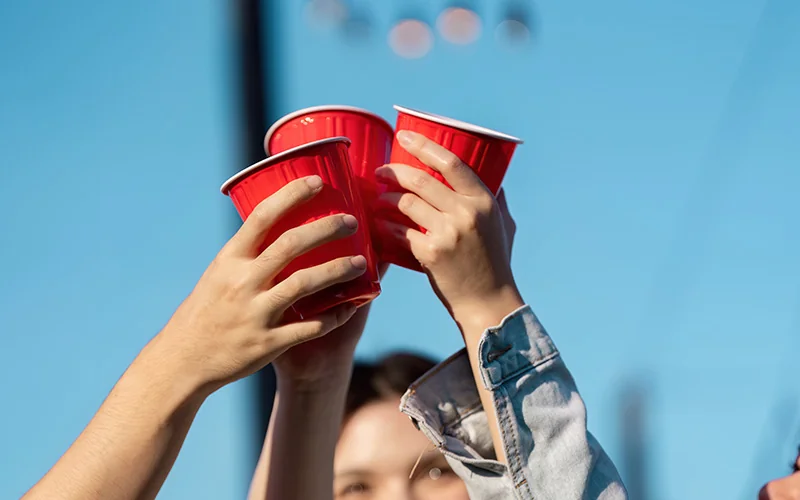
What Are the Advantages and Disadvantages of 9oz and 12oz Disposable Cups?
The advantages and disadvantages of each cup size form a trade-off between portion control, cost efficiency, guest convenience, and beverage compatibility—making neither size universally superior.
A 9oz cup offers tighter portion control, lower cost per serving, lighter weight for comfortable one-handed holding, and reduced beverage waste at events where guests sample rather than consume full drinks. The disadvantage is insufficient volume for iced beverages, beer, or soda, which can leave guests feeling shortchanged or returning for frequent refills.
A 12oz cup offers greater versatility across beverage types, better accommodation of ice, and fewer refill trips for guests. The disadvantage is higher beverage cost per serving, heavier weight when full, and a tendency to encourage over-pouring at self-serve stations.
When portion control and presentation matter most—wine service, cocktail hours, formal receptions—9oz cups are the stronger choice. When volume, ice capacity, and casual convenience matter most—outdoor barbecues, soda stations, all-day corporate events—12oz cups perform better.
When Should Event Planners Consider Cup Sizes Other Than 9oz or 12oz?
Event planners should consider alternative cup sizes when the beverage menu includes very small tastings, extra-large iced drinks, or specialty presentations that neither 9oz nor 12oz cups can serve efficiently.
4oz and 6oz cups are frequently used for beverage samples, espresso, children’s drinks, or dessert tastings at festivals and catered events with multiple tasting stations. These smaller cups minimize product waste and allow guests to try several options without committing to a full serving.
16oz cups serve well for beer, iced coffee, and mixed drinks where additional capacity is needed beyond what a 12oz cup provides. The extra space accommodates generous ice portions and larger drink volumes common at extended outdoor events.
Specialty drinkware also plays a role. For events where presentation elevates the guest experience, wine glasses and champagne flutes offer a more refined alternative to standard cups for wine and sparkling beverages. Pairing the right drinkware with the right beverage improves both function and visual appeal.
Single-use disposable cups and drinkware remain the standard for most large outdoor events because they simplify logistics and cleanup. The key is matching the specific cup size and style to the specific beverage and occasion rather than defaulting to a single option for the entire event.