

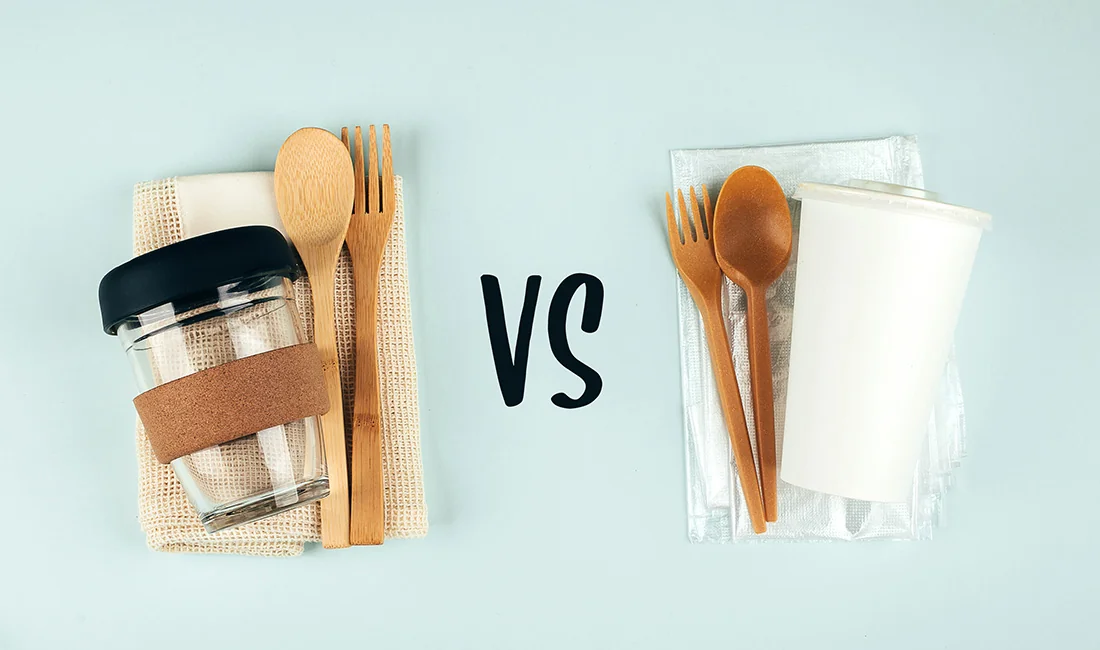
Planning a party means making all sorts of little decisions—cup color included. It might sound minor, but the cups you pick really do shape the whole table. Clear disposable cups show off bright drinks, layered cocktails, and colorful punch. Colored cups add theme, contrast, and a bold visual touch that can tie decorations together.
Clear cups usually look cleaner and highlight the drink itself, while colored cups create stronger visual themes and hide stains better during busy events. The better option really depends on your party’s style and the drinks you’re serving.
Let’s break down the visual impact, materials (like PET and other plastics), durability, comfort, and those environmental factors that are impossible to ignore these days. I’ll also throw in some practical tips for matching cup style with budget, drink menu, and the overall vibe you want.
Clear vs Colored Disposable Cups: Visual Impact and Party Presentation
Cup choice changes how drinks look, how décor feels, and even how guests see the host’s effort. Clear plastic cups put the spotlight on the drink, while colored disposable cups set the mood and tie into the event theme.
Showcasing Drinks with Clear Cups
Clear plastic cups let the drink do the talking. Guests can see layers in a parfait, fruit floating in punch, or foam on cold brew. That direct view just makes drinks look better—nothing’s hiding the color or texture.
Clear PET cups are great for bright drinks like lemonade, iced tea, and mixed cocktails. Since they’re see-through, self-serve tables run smoother. Guests can grab what they want without playing the guessing game.
They also photograph well. If you’re the type who shares party pics online, a clear cup keeps the drink as the star, not the container.
If you want to highlight the menu—juice bars, dessert tables, tasting stations—clear disposable drinkware is the way to go. It’s a simple frame, not a distraction.
Enhancing Theme and Decor with Colored Cups
Colored disposable cups shift attention from the drink to the overall scene. Solid colors like red, black, or gold make a strong statement on tables. That’s perfect for holidays, school events, or themed birthdays.
Pastel or neon cups can match balloons, tablecloths, and banners. When the drink color isn’t important, tinted or opaque cups help keep a consistent look. For example, a blue cup keeps a sports team theme clear—even if there’s just water inside.
Colored cups also hide uneven drink levels or melting ice, so buffet tables look neater for longer. At big gatherings, that practical touch can be just as important as the style.
If you want bold décor, colored disposable cups are more than just drinkware—they’re part of the design.
Branding and Customization Opportunities
Both clear and colored cups give you space for logos or messages, but the effect is different. Clear PET cups let printed logos stand out while still showing the drink behind the design—great for corporate events, fundraisers, or product launches.
Some brands go for colored cups to reinforce their identity. A company with strong brand colors might print a white or metallic logo on a solid background for more contrast. Makes the cup easy to spot in a crowd, honestly.
Event planners and small businesses use custom cups to set their drinks apart at street fairs or festivals. A unique cup color or print helps guests remember where they got it.
Either way, disposable drinkware becomes part of the event’s image—whether you want a clean, product-focused look or a bold, theme-driven style.
Material Choices and Construction
The material of a cup changes how it looks, feels, and holds up at a party. Strength, insulation, clarity, and waste all depend on what the cup’s made from and how it’s built.
PET (Polyethylene Terephthalate) Advantages
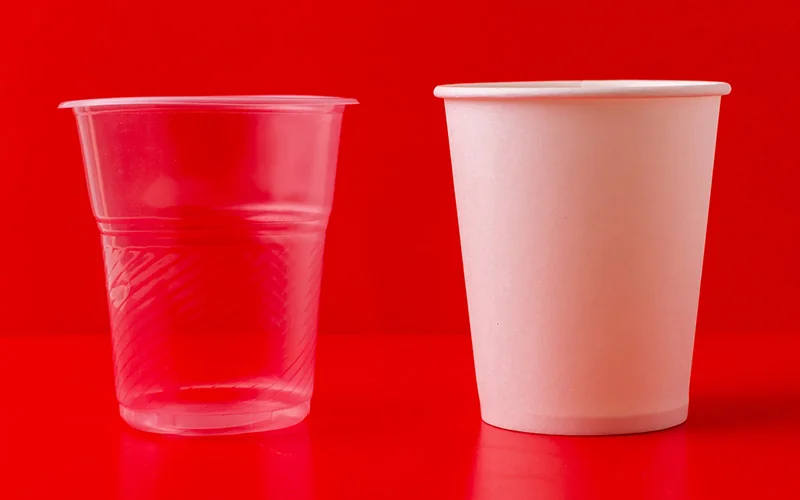
PET cups use polyethylene terephthalate, a clear and sturdy plastic. You’ll see a lot of clear plastic cups at parties made from this because it shows drink colors and layers with real clarity.
PET cups resist cracks better than those thin, generic plastic cups. They hold cold drinks like soda, iced tea, juice, and cocktails without bending or giving out.
They also work with tight-fitting lids, which helps prevent spills—especially handy for outdoor events or big crowds.
From a recycling angle, clear PET cups usually process more easily than colored ones. Most recycling systems accept clear PET, while heavily tinted plastic sometimes doesn’t make the cut.
PET doesn’t do well with high heat, though. Don’t use it for hot drinks—it’ll just warp.
Polypropylene and Foam Cup Characteristics
Polypropylene (PP) cups look a little cloudy compared to PET. They’re flexible and bend before they crack, which helps cut down on breakage at busy parties. Polypropylene works for both cold and some warm drinks, but it’s not great for insulation.
Foam cups (usually expanded polystyrene) trap air in their walls, so they insulate better for hot coffee or cold drinks with ice. Foam cups are lightweight and keep your hands comfortable, but most recycling programs don’t take them. Some venues even ban foam because of waste concerns.
Compared to PET, both polypropylene and foam cups hide the drink more. You just can’t see those colorful layers as well.
Compostable and Eco-Friendly Options
Plenty of hosts now look for compostable cups to cut down on waste. Common picks include PLA cups (made from polylactic acid) and some paper cups with plant-based linings.
PLA cups come from plant starch, like corn. They look a lot like clear PET cups and work best for cold drinks, but they soften if things get hot. Most PLA cups need commercial composting to break down—your backyard pile won’t cut it.
Paper cups usually have a thin lining to hold liquid. Some newer ones use plant-based coatings instead of plastic.
Compostable options help reduce petroleum plastic use, but you’ll want to check local composting rules—not every area handles PLA or coated paper cups the same way.
Functionality: Performance and User Experience
Looks matter, but performance is just as important. Strength, heat tolerance, and ease of use all affect how guests handle drinks and how smoothly things go.
Durability and Strength Differences
Most plastic cups for parties use PET, PP, or polystyrene. The base material—not the color—controls strength.
Clear PET cups feel rigid and resist cracking with cold drinks. They show stress marks, which helps spot damage before serving.
Colored cups use the same plastics with added tint. Pigment doesn’t usually make them weaker, but thin, cheap cups can flex more under pressure.
For big events, thicker disposable drinkware cuts down on splits and crushed rims—especially at busy drink stations where people grab cups fast.
Temperature Suitability and Spill Prevention
Temperature limits depend on the material. Clear PET cups are best for cold drinks—soda, juice, cocktails. They can warp with heat.
Polypropylene (PP) handles warmer liquids better. Some colored cups use PP for coffee or tea.
A tight-fitting lid helps prevent spills at outdoor parties. Clear cups make it easy to check fill level and ice at a glance.
Colored cups can hide minor drink separation or foam lines, which looks neater in photos, but makes portion control trickier.
Grip, Comfort, and Usability
Grip matters, especially with cold drinks that sweat. Smooth clear cups can get slippery when wet.
Some cups add textured sidewalls, ribbed patterns, or frosted finishes to help. Colored cups with a matte tint sometimes feel less slick than glossy clear ones.
Rim design plays a role, too. A rolled or reinforced rim feels nicer and resists bending.
Cup size changes the experience. Smaller 9–12 oz cups suit kids and casual service. Larger 16–20 oz cups cut down on refills but feel heavier when full.
Good functionality keeps guests happy and reduces mess, which helps whether it’s a backyard BBQ or a big organized event.
Environmental Considerations
Material, color, and how you toss the cup all shape the environmental impact. Clear and colored options can play out very differently once the party’s over.
Recyclability and End-of-Life Factors
Most clear plastic disposable cups use PET. Recycling centers widely accept clear PET because it’s easier to sort and process. When guests put these cups in the right bin, recyclers can turn them into new bottles, containers, or fibers.
Colored PET cups might hit roadblocks at some recycling centers. Light tints are usually fine, but darker or heavily dyed cups can lower the value of recycled material. Sometimes, facilities just reject them outright.
Paper cups often have a thin plastic lining, which makes them harder to recycle with regular paper. It’s worth checking local rules before assuming a cup is recyclable.
To help, place clear PET cups in marked recycling bins, keep food waste out, and confirm local rules for colored plastics. Sorting right often matters more than cup style alone.
Biodegradability and Compostable Innovations
Some parties use compostable cups made from plant-based stuff. Many are PLA cups (from polylactic acid), which comes from crops like corn or sugarcane.
PLA cups look like clear PET, but they won’t break down in your backyard compost. Most need industrial composting with high heat and moisture. Otherwise, they could just sit in a landfill for years.
Other compostable cups use molded plant fibers, which can break down faster if composted right. Still, it all depends on proper collection and processing. If the venue doesn’t have commercial composting, compostable cups might not do much good. The waste system at the party location really makes or breaks it.
Impact of Colorants on Recycling
Color isn’t just about looks—it affects recycling, too. Clear PET cups have high material value since recyclers can dye them into pretty much any new color. Dark or opaque colorants limit reuse options. Facilities might downcycle tinted plastic into lower-grade products.
Some colorants also mess with optical sorting systems. If scanners can’t read the material, cups might end up in landfill instead of recycling.
If you want both color and better recycling, try lightly tinted PET cups or clear cups with printed sleeves instead of full-color plastic. These help keep recycling quality up while still letting you show off your party theme.
Practical Tips for Choosing the Right Disposable Cups for Your Party
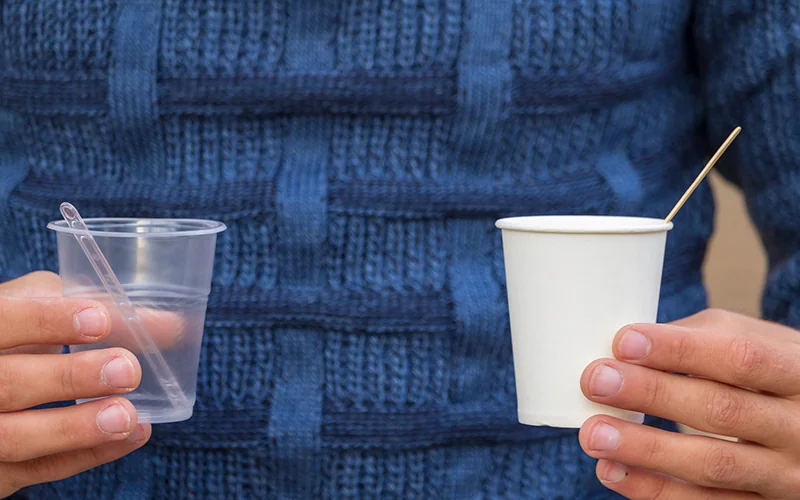
The right disposable cups should fit the drink, the setting, and the budget. Clear plastic cups and colored plastic cups each have their place—it just depends on how you want to use them.
Matching Cups to Your Event Type
The event type really sets the tone for cup choice.
For a backyard BBQ or casual party, those classic 16–18 oz plastic cups get the job done for soda, beer, or mixed drinks. Colored cups help guests keep track of their drinks and cover up stains—pretty handy, honestly.
At a wedding or formal event, clear plastic cups just look cleaner. A lot of hosts go for PET cups since they’re stiff, don’t crack easily, and have a glass-like shine. They match well with cocktails, sparkling water, or any drink you want to show off.
For a kids’ party, sturdy colored plastic cups are usually the safer bet. Bright colors feel fun, and thicker cups are less likely to spill if little hands squeeze too hard.
If you’re serving hot drinks like coffee or cider, you’ll want polypropylene (PP) cups—these handle heat better than regular clear cups made for cold drinks.
Balancing Appearance, Cost, and Sustainability
Looks matter, but so do budget and waste.
Clear plastic cups, especially PET, tend to cost more than the basic colored ones. They look sharper and show off drinks, which is great if you’re aiming for a visual theme.
Colored disposable cups usually cost less and are easy to buy in bulk. They make sense for big guest lists where price matters more than presentation.
It’s smart to check the recycling code on plastic cups:
-
#1 PET – Clear, strong, usually recyclable
-
#5 PP – Tough, handles hot drinks
-
#6 PS – Rigid, but more brittle
If you care about sustainability, double-check whether your local recycling program accepts that plastic type. Sometimes they don’t, which is annoying.
Recommended Uses for Clear vs Colored Cups
Each type really has its sweet spot.
Clear plastic cups are ideal for:
-
Signature cocktails
-
Layered or colorful drinks
-
Carbonated beverages
-
Events with a formal vibe
They let guests see what they’re drinking, which looks good and helps staff keep an eye on refills.
Colored plastic cups are better for:
-
Beer pong or party games
-
Big casual parties
-
Outdoor get-togethers
-
Situations where people might set drinks down a lot
The solid color covers up drink levels and small spills. You can even assign colors for different drinks if you want.