

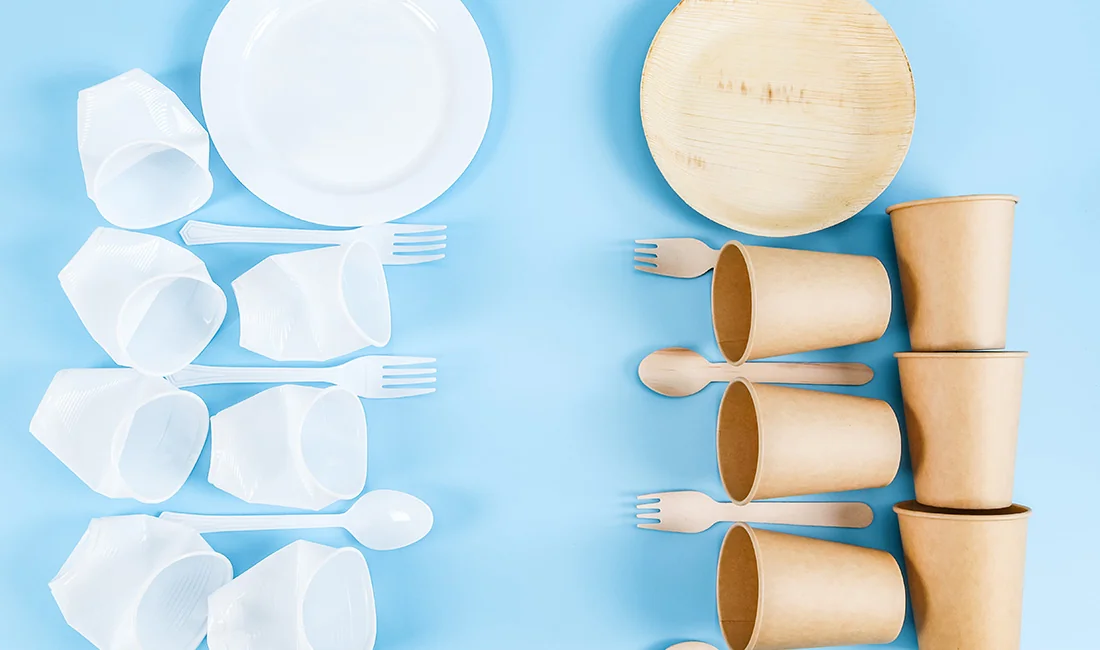
Disposable plates and cups look simple, but the labels can confuse anyone trying to choose safe options. People often see terms like BPA‑free and food‑grade and assume they guarantee safety. Those labels matter, but they do not all mean the same thing or offer the same level of protection.
BPA‑free means the product does not use bisphenol A, but true safety depends on the full material, heat use, and whether other chemicals can still leach into food. Food‑grade shows the item meets basic contact rules, yet it may still contain coatings or additives that raise concerns.
This article explains how common labels work, why some plastics and coatings pose risks, and how materials like paper, plant fiber, and molded pulp compare. It also looks at chemicals such as PFAS and what to watch for when choosing disposable tableware for daily meals or events.
Understanding BPA-Free and Food-Grade Labels
Labels like BPA-free and food-grade guide buyers toward safer disposable tableware. These terms relate to chemical use, food safety rules, and how materials contact food.
What Does BPA-Free Really Mean?
BPA stands for bisphenol A. It is a chemical used to make some plastics strong and clear. Studies link BPA to hormone disruption, so many people try to avoid BPA.
A BPA-free label means the product does not use BPA in its materials. Many BPA-free plastics use PET, HDPE, or polypropylene instead. These plastics do not rely on BPA to form.
The label does not always mean the item is chemical-free dinnerware. Some makers replace BPA with similar chemicals like BPS or BPF. These substitutes raise their own food safety questions.
Key points to check
-
Look for third-party testing or safety notes
-
Avoid heating BPA-free plastic unless approved
-
Prefer clear labeling on food contact materials
Overview of Food-Grade Standards
Food-grade means a material meets rules for safe contact with food. Regulators set these rules to limit chemical transfer into meals and drinks.
Food-grade disposable tableware must use approved materials. It must also follow limits on inks, dyes, and coatings. These standards focus on how items perform during normal use.
Food-grade does not mean BPA-free. Some food-grade plastics may still contain BPA if rules allow it. Buyers should check for both labels when food safety matters.
|
Term |
What It Covers |
|
Food-grade |
Safe for food contact |
|
BPA-free |
No BPA used |
|
Food contact materials |
Plates, cups, and cutlery |
Misconceptions and Greenwashing
Some labels confuse buyers. BPA-free often sounds safer than it is. Food-grade can also feel vague without proof.
Greenwashing happens when brands use safety words without clear facts. A product may say non-toxic or eco-safe but give no testing details. These claims lack meaning without standards.
Buyers should read beyond the front label. They should check material type, heat limits, and testing notes. Clear details reduce guesswork and help people avoid BPA with confidence.
Warning signs
-
No material listed
-
No food contact approval
-
Heavy focus on buzzwords without data
Health Risks Associated With BPA and Chemical Leaching
BPA and related bisphenols can move from food-contact items into food and drinks. Heat, time, and food type affect this chemical leaching. These chemicals can act as endocrine-disrupting chemicals and raise health concerns for some people.
Hormone Disruption and Endocrine Disruptors
Bisphenol A, often called BPA, shows estrogenic activity. It can mimic estrogen and interfere with normal hormone signals. Scientists classify BPA as an endocrine disruptor.
BPA exposure often happens through food and drink that touch plastic or can linings. Heat and acidic or fatty foods can increase leaching. Longer contact also raises exposure.
Studies link BPA to hormone disruption and changes in metabolism. Research also links BPA exposure to risks tied to metabolic disorders, including type 2 diabetes. Evidence varies by dose and timing, but concern remains, especially with repeated exposure.
Key factors that increase leaching
-
High heat, such as microwaving
-
Long storage times
-
Fatty or acidic foods
-
Worn or damaged plastics
BPA Alternatives: BPS, BPF, and Regrettable Substitution
Many products now carry a “BPA-free” label. Some use bisphenol S (BPS) or bisphenol F (BPF) instead. These chemicals share a similar structure with BPA.
Early research shows BPS and BPF can also act as endocrine-disrupting chemicals. Some studies report estrogenic activity at levels close to BPA. This pattern raises concerns about regrettable substitution, where one risky chemical replaces another.
Common bisphenols used today
|
Chemical |
Typical Use |
Known Concerns |
|
BPA |
Polycarbonate, can linings |
Hormone disruption |
|
BPS |
Thermal paper, plastics |
Similar endocrine effects |
|
BPF |
Resins, coatings |
Limited data, similar structure |
“BPA-free” does not always mean risk-free.
Vulnerable Groups and Health Impacts
Certain groups face higher risk from bisphenol exposure. Fetuses, infants, and children have developing hormone systems and brains. Some studies link early exposure to effects on brain development and behavior.
Pregnant people may pass bisphenols to the fetus through the placenta. Infants can face exposure from bottles, formula containers, and food packaging.
People with existing metabolic disorders may also face higher risk. Hormone disruption can affect insulin control and fat storage. These concerns make safer material choices important for items used daily, especially for food and drinks.
Materials Used in Disposable Tableware: Safety and Risks
Disposable dinnerware uses a wide range of materials. Each material affects food safety, heat tolerance, and chemical exposure in different ways. Understanding these differences helps buyers choose safer options for food packaging and short-term food storage.
Overview of Common Disposable Materials
Manufacturers make disposable tableware from plastics, paper-based products, and plant fibers. Plastics remain common because they cost less and resist moisture. Paper and fiber options appeal to buyers who want fewer chemical coatings.
Safety depends on how the item contacts food. Heat, oil, and acidity can cause some materials to release chemicals. Labels such as BPA-free, food-grade, and recycling codes give useful clues, but they do not guarantee safety in every use.
Disposable plates, cups, and food storage containers work best when used as intended. Microwaving, reheating, or holding hot food often increases risk.
Plastics: Types and Recycling Codes
Plastic disposable dinnerware often includes PET (#1), HDPE (#2), LDPE (#4), PP (#5), PS (#6), and PVC (#3). Recycling codes help identify these plastics.
|
Code |
Plastic |
Common Use |
Safety Notes |
|
#1 |
PET |
Cold cups, clear lids |
Safe for cold food only |
|
#2 |
HDPE |
Milk jugs, trays |
Stable, low chemical risk |
|
#4 |
LDPE |
Wraps, soft lids |
Safe at low heat |
|
#5 |
PP (polypropylene) |
Hot food containers |
Heat-resistant, BPA-free |
|
#6 |
PS |
Foam plates, cups |
Can leach chemicals |
|
#3 |
PVC |
Wraps, cling film |
Avoid for food use |
Polycarbonate plastic and polycarbonate plastics may contain BPA. Even BPA-free versions may release other chemicals under heat.
Natural and Alternative Materials
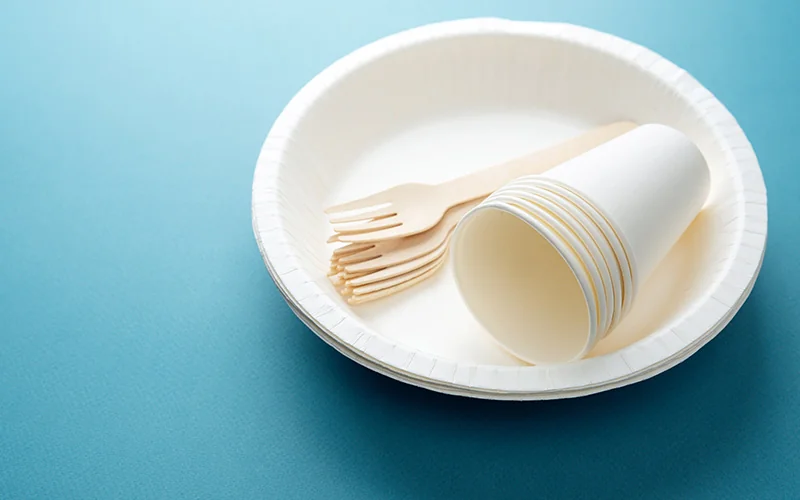
Natural disposable tableware includes paper, molded fiber, bamboo, palm leaf, and bagasse. These materials usually avoid plastic resins and BPA.
Uncoated paper works well for dry foods. Coated paper may contain PFAS unless labeled PFAS-free. Bagasse and molded fiber handle heat better and resist grease without heavy coatings.
Plant-based materials feel safer to many users, but labels still matter. Food-grade and certified compostable marks help confirm proper testing. Even natural materials can pose risks if used with very hot or oily foods for long periods.
PFAS, PFOA, and Other Chemical Concerns in Tableware
Many disposable plates and bowls use coatings to resist grease and water. Some of these coatings include chemicals that raise health concerns. Shoppers can lower risk by understanding key terms and reading labels with care.
Understanding PFAS and “Forever Chemicals”
PFAS stands for per- and polyfluoroalkyl substances. Manufacturers use PFAS to make paper plates and bowls resist oil and moisture. These chemicals do not break down easily, which is why people call them forever chemicals.
Studies link health risks of PFAS to immune effects, liver issues, and some cancers. PFAS can move from coated tableware into hot or oily food. Repeated exposure adds up over time.
Common items that may contain PFAS include:
-
Grease-resistant paper plates and bowls
-
Molded fiber or “compostable” plates with soak-proof claims
-
Fast-food wrappers and boxes
Choosing PFAS-free dinnerware helps reduce chemical exposure, especially for daily use and children.
PFOA, Perfluorooctanoic Acid, and Related Risks
PFOA, also called perfluorooctanoic acid, is a type of PFAS. Manufacturers once used it widely to make nonstick coatings. Many companies have phased it out, but older products and imports may still contain it.
Research, including findings tied to the C8 Health Project, connected PFOA exposure to higher risks of kidney disease, thyroid problems, and certain cancers. These findings led to tighter controls in several countries.
Key points to know:
-
PFOA-free does not always mean PFAS-free
-
PFOA can appear in coatings, inks, and treatments
-
Heat increases the chance of chemical transfer to food
Shoppers should treat PFOA-free claims as a partial safeguard, not a full solution.
Labeling for Chemical-Free and PFAS-Free Products
Labels vary, and some claims lack clear standards. Clear wording helps buyers make safer choices, but it requires careful reading.
Common label terms and what they mean:
|
Label Claim |
What It Covers |
Limits |
|
PFAS-free |
No added PFAS |
May still include other chemicals |
|
PFOA-free |
No perfluorooctanoic acid |
Other PFAS may remain |
|
BPA-free |
No bisphenol A |
Does not address PFAS |
Reliable signs include third-party testing, full material lists, and plain claims like “no fluorinated coatings.” Glass, stainless steel, and uncoated paper reduce risk. Clear labels help people reduce chemical exposure without guessing.
How to Evaluate and Choose Safe Disposable Tableware
Shoppers need to look past marketing claims and focus on proof of safety. Labels, materials, and care guidance give clear signs of whether disposable tableware meets food-grade standards and limits chemical exposure.
Recognizing Reliable Certifications and Standards
Third-party certifications offer the strongest signal of safe dinnerware. These marks show that an independent group tested the product, not the brand itself.
Common examples include FDA food-contact compliance, BPI Compostable, and TÜV Austria for compostable dinnerware. For reusable items, NSF and LFGB standards often apply to materials like platinum-cured silicone.
California Prop 65 warnings need careful reading. A warning does not always mean the product is unsafe, but the absence of a warning does not prove safety either. Brands that clearly explain test results and limits show better transparency.
Certified eco-friendly dinnerware often combines safety with lower environmental impact. This matters most for items used with hot or acidic foods.
Evaluating Product Labels and Claims
Clear labels help identify chemical-free dinnerware. “BPA-free” only covers one chemical, so buyers should also look for PFAS-free and no added lead or cadmium claims.
Useful label details include:
-
Food-grade material type (paper, molded fiber, silicone)
-
Heat limits for microwave-safe use
-
Care guidance, such as dishwasher-safe or hand wash only
Vague terms like “natural” or “green” lack legal meaning. Specific material names, such as sugarcane fiber or platinum-cured silicone, provide better clues to safety.
For the best non-toxic dinnerware, brands should state what they exclude, not just what they include.

Best Practices for Reducing Exposure
Choosing the right product is only part of safe use. Heat and time increase chemical transfer from tableware into food.
Best practices include:
-
Avoid microwaving disposable plates unless labeled microwave-safe
-
Do not use disposable items for oily or very hot foods unless approved
-
Follow hand wash instructions for items not marked dishwasher-safe
Compostable dinnerware works best for single use and cool to warm foods. Reusing it can weaken the surface and raise risk.
For frequent use, safe dinnerware made from glass, stainless steel, or certified silicone reduces exposure more than disposable options.
Safest Materials and Alternatives for Healthy Dining
Material choice affects chemical exposure, heat safety, and long-term durability. Glass and stainless steel offer the lowest risk, while ceramics, silicone, and wood require closer label checks and proper use.
Glass and Stainless Steel: Pros and Cons
Glass dinnerware ranks among the safest options because it stays inert with food. Borosilicate glass handles heat and rapid temperature changes better than soda-lime glass, which can crack under stress.
Glass works well with acidic foods and fatty foods because it does not absorb or leach chemicals. It also cleans easily and shows wear quickly, which helps users spot damage.
Stainless steel dinnerware, especially 18/8 stainless steel, resists corrosion and lasts for years. It works well for plates, bowls, and stainless steel containers used for storage or transport.
Stainless steel does not suit microwaves and can react with very acidic foods over long storage. For sippy cups, stainless steel with a silicone lid often offers a safer option than plastic.
Quick comparison
|
Material |
Best Uses |
Key Limits |
|
Borosilicate glass |
Hot foods, reheating |
Can break if dropped |
|
Soda-lime glass |
Cold foods, serving |
Lower heat tolerance |
|
18/8 stainless steel |
Daily meals, travel |
Not microwave-safe |
Ceramics, Silicone, and Wood Options
Ceramic dinnerware includes porcelain dinnerware and stoneware dinnerware. Safe use depends on verified lead-free ceramic and cadmium-free dinnerware labels.
To answer how to tell if dishes have lead, users should check for third-party testing, country of origin, and clear statements like “lead-free” rather than vague claims. Avoid older or decorative ceramic dishes for daily meals.
Food-grade silicone works well for lids, bakeware, and children’s items. It should state food-grade status and heat limits. Low-quality silicone may contain fillers that affect smell or durability.
Wood dinnerware uses natural materials but absorbs moisture and oils. It works best for dry foods and short contact times.
Care, Use, and Maintenance for Safe Tableware
Proper care reduces risk even with safe materials. Replace chipped or cracked ceramic dinnerware, as damage can expose unsafe layers.
Avoid storing acidic foods or fatty foods for long periods in ceramic or metal containers. Glass handles storage best.
Follow these use tips:
-
Do not microwave stainless steel or wood.
-
Keep silicone below its stated heat limit.
-
Hand-wash wood and oil it lightly to slow drying.
Check labels regularly, especially for items used by children, such as sippy cups. Clean surfaces well and discard items that show wear or odor.